

 Vorschau anzeigen
 Versenden
 Teilen
 Details anzeigen

 Herunterladen
 Ähnliche Objekte
 Röntgenaufnahme
 Diashow
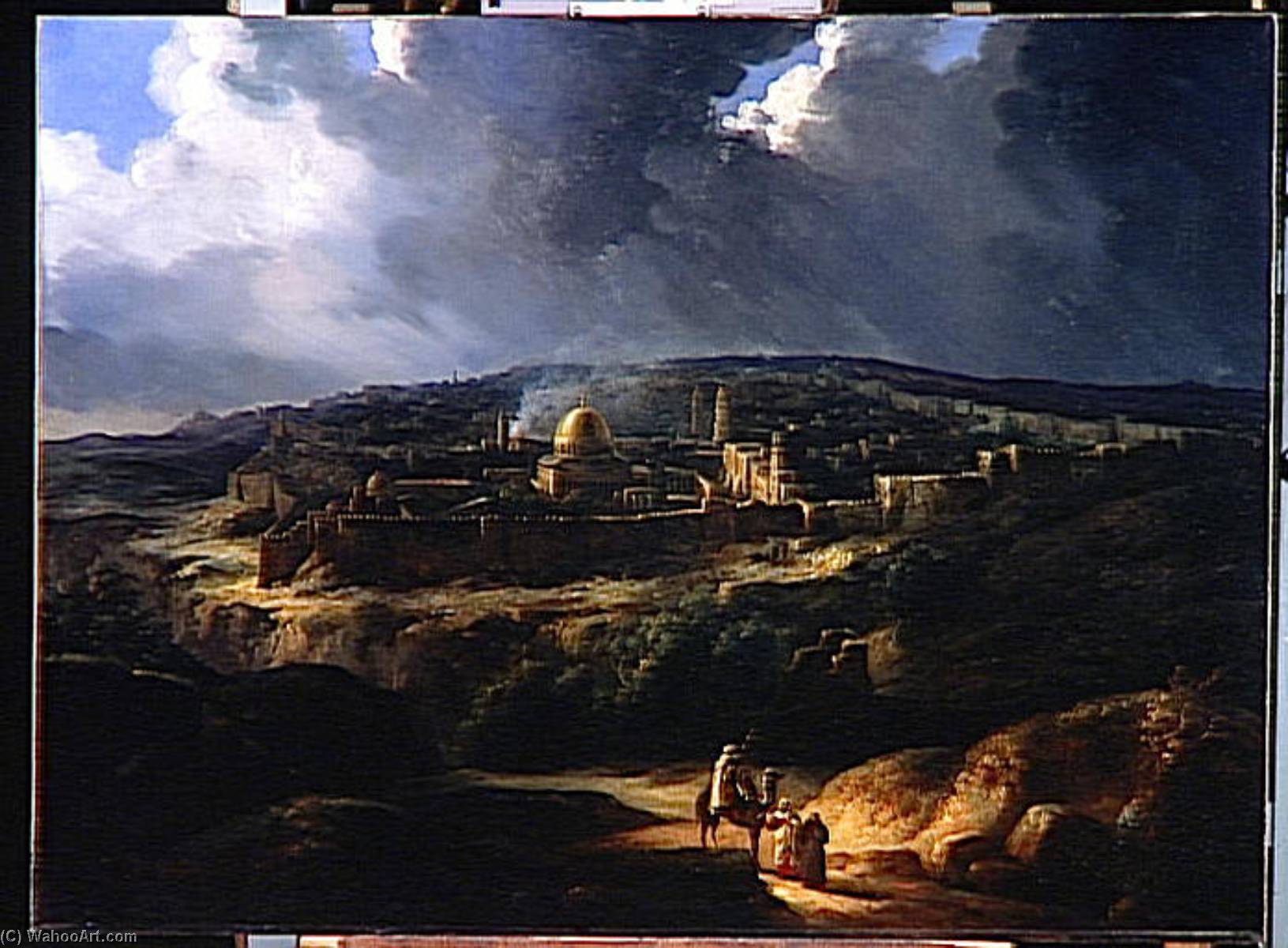
VUE DE JERUSALEM, PRISE DE LA VALLEE DE JOSAPHAT


 Weiterlesen
Handgefertigte Ölreproduktion
Handgemaltes Ölgemälde auf Leinwand in Ihrer Wunschgröße und mit Rahmen, auf Bestellung von unseren Künstlern angefertigt. ( Druck bestellen Bild kaufen)




P118B $10

P118H $10

P118W $10

P438Z $10

P508JH $12

P508YH $12

P805H $10

P805Z $10

P919BZ $10

P919G $10

P919XJ $10

P959ZH $10

P968JZ $12

W106C $8

W218G $10

W218JH $8

W218Y $10

W307PJ $10

W316G $10

W316PJ $8

W316Y $10

W398PJ $8

W4111J $10

W500HY $15

W500JH $15

W692G $12

W849H $8

W940BG $15

W953PJ $8




Wählen Sie aus unseren vordefinierten Formaten, die den ursprünglichen Proportionen des Kunstwerks entsprechen.

Sie können Ihre eigenen Maße eingeben, um einen bestimmten Rahmen oder Platz auszufüllen. Wenn die gewählte Größe nicht den Proportionen des Originalbildes entspricht, werden wir das Kunstwerk entweder beschneiden oder das Gemälde durch zusätzliche, handgemalte Elemente erweitern. Ein digitales Mockup wird Ihnen zur Genehmigung zugesandt, bevor die Produktion beginnt.
Bitte beachten Sie, dass die Bildschirmvorschau nicht die tatsächliche Beschneidung oder Erweiterung widerspiegelt. Nur das Mockup zeigt die endgültige Komposition exakt an.
Obwohl Sondermaße verfügbar sind, empfehlen wir, eine Größe aus der vordefinierten Liste zu wählen, um die ursprünglichen Proportionen beizubehalten.
Nach der Bestellung wird das ArtsDot.com-Team dem Kunden Anweisungen per E-Mail zusenden und eine Mockup-Vorschau bereitstellen.
Weltweiter Versand () in nur 3 bis 4 Wochen statt der üblichen 5 Wochen. (20 August). Keine Kompromisse bei der Qualität.

Kostenloser weltweiter Expressversand

Hochwertige Leinenleinwand

Umfassender Versicherungsschutz beim Versand

Zollgebühren-Rückerstattungsgarantie

Garantie für exakte Farbtreue

60 Tage Rückgaberecht (nur bei Mängeln)

100% Geld-zurück-Garantie

Mengenrabatt verfügbar
 Die Glasoption ist nur für Größen unter 110 cm verfügbar.

VUE DE JERUSALEM, PRISE DE LA VALLEE DE JOSAPHAT
Art der Reproduktion
Format der Reproduktion
-


Gesamtpreis
$ 288
Beschreibung des Kunstwerks
A Glimpse of Jerusalem: Auguste de Forbin’s Romantic Vision
Auguste de Forbin's "Vue de Jérusalem, prise de la vallée de Josaphat" (View of Jerusalem from the Valley of Josaphat) is more than a mere landscape painting; it’s a meticulously crafted tableau that attempts to capture both the grandeur and the spiritual weight of the ancient city. Painted in 1825, during a period of intense artistic and political change in France, this work embodies the Romantic movement's fascination with dramatic landscapes, historical narratives, and the sublime—a yearning for something beyond the everyday. De Forbin, a nobleman trained within the classical traditions of Jacques-Louis David but increasingly influenced by the emotional currents of his time, delivers an image that is both formally impressive and deeply evocative.
The scene unfolds from the Valley of Josaphat, offering a panoramic vista of Jerusalem bathed in the dramatic light of a stormy sky. The composition immediately establishes a strong horizontal axis, dividing the canvas into distinct zones: the rugged foreground dominated by rocky terrain and figures – likely pilgrims or travelers – and the distant cityscape rising majestically against the turbulent heavens. This deliberate structuring creates a sense of scale and depth, drawing the viewer’s eye towards the monumental city in the background. The sky itself is not merely a backdrop; it's a swirling vortex of blues, grays, and whites, hinting at both impending danger and divine intervention – a common Romantic trope used to convey awe and the power of nature.
The Language of Color and Form
De Forbin’s masterful use of color is central to the painting's impact. The foreground is rendered in earthy tones—ochres, browns, and muted greens—reflecting the solidity and permanence of the landscape. These grounded hues contrast sharply with the cooler blues and grays that dominate the distant cityscape and sky. This shift in palette reinforces the sense of depth, as warmer colors recede into the background while cooler ones advance towards the viewer. Noticeably, touches of white and gold are strategically placed – perhaps on a prominent building within Jerusalem – adding highlights and drawing attention to key architectural elements. The artist’s brushwork is evident throughout; visible strokes contribute to the texture of the rocks and create a sense of movement in the clouds.
The composition also relies heavily on linear perspective. Diagonal lines, created by the rocky terrain, converge towards Jerusalem, guiding the viewer's gaze and emphasizing its importance within the scene. The buildings themselves are rendered with geometric shapes—rectangles and domes—a nod to classical architecture but subtly integrated into the overall Romantic aesthetic. The clouds, too, possess flowing, curvilinear lines, adding a sense of dynamism and movement to the sky. This careful orchestration of color and form creates a visually rich and compelling image.
Symbolism and Historical Context
“Vue de Jérusalem” is steeped in symbolism, reflecting the religious fervor prevalent during the early 19th century. Jerusalem, as the Holy City for three major faiths, represented spiritual significance and historical importance. The painting’s depiction of a vast, imposing city evokes feelings of awe and reverence—a common theme in Romantic landscape art. The presence of figures in the foreground suggests human connection to this sacred place, inviting contemplation on faith, pilgrimage, and the enduring power of history. Considering de Forbin's own background as a nobleman with connections to Napoleon’s inner circle, it is possible that the painting also carries subtle political undertones, reflecting the era’s fascination with ancient empires and their legacies.
A Romantic Masterpiece – Reproduction Possibilities
Reproducing this evocative work in high quality offers an exceptional opportunity to bring a piece of 19th-century Romanticism into any setting. ArtsDot's faithful reproductions capture the painting’s dramatic lighting, rich colors, and intricate details with remarkable accuracy. Whether displayed as a statement piece in a grand salon or incorporated into a more intimate interior space, “Vue de Jérusalem” will undoubtedly command attention and spark conversation. The combination of historical significance, artistic skill, and emotional resonance makes this painting a truly timeless treasure—one that can be enjoyed for generations to come through the beauty of a meticulously crafted reproduction.
Ähnliche Kunstwerke
Über den Künstler
Auguste de Forbin: Ein Maler zwischen romantischem Idealismus und napoleonischer Pragmatik
Auguste de Forbin (1777 – 1841) gilt als eine faszinierende Figur der französischen Kunstgeschichte und verkörpert die Komplexität seiner Zeit – eine Epoche, die von turbulenten politischen Umbrüchen und aufkeimender künstlerischer Innovation geprägt war. Geboren in einer nobles Familie im Château La Roque-d’Anthéron, Provence, besaß er von frühester Kindheit ein natürliches Talent zum Zeichnen, das durch eine prägende Freundschaft mit François Marius Granet gefördert wurde – eine Beziehung, die ihr Leben lang bestehen blieb. Diese frühe Ausbildung vermittelte ihm eine Sensibilität für Beobachtung und Detail, Eigenschaften, die seinen künstlerischen Bemühungen zugrunde lagen. Seine künstlerische Reise begann inmitten des Enthusiasmus der Französischen Revolution, wo er Zeuge dramatischer Veränderungen wurde, die französisches Leben neu prägten. Der Mord seines Vaters, Marquis de Pont-à-Mousson, während des Lyon Aufstands hatte tiefgreifende Auswirkungen auf Forbins Leben und verdeutlichte die Gefahren politischer Instabilität. Er zeigte sich außergewöhnlich widerstandsfähig und entkam ohne Schaden dank seines jungen Alters und setzte seine künstlerischen Aktivitäten neben Granet fort und perfektionierte ihre Fähigkeiten im ruhigen Landleben – ein bewusster Gegensatz zum turbulenten Stadtbild von Paris. David's Studio: Der Schmelztiegel des Stils Die Direktorialzeit bot Forbin eine entscheidende Möglichkeit für künstlerische Weiterentwicklung – Zugang zum renommierten Atelier Jacques-Louis Davids, einem Bollwerk neoclassischer Ideale. Hier arbeitete er eng mit Granet zusammen und ließ sich von Davids Stil beeinflussen und etablierte sich damit fest innerhalb der vorherrschenden künstlerischen Bewegung. Diese Zusammenarbeit erwies sich als unverzichtbar für die Gestaltung seiner ästhetischen Sensibilität und beschleunigte ihn auf den Weg zum Meister seines Fachs. Von Rom nach Napoleon: Künstlerische Pilgerreise und kaiserliche Förderung Forbins Reisen nach Rom im Jahr 1804 festigten sein Engagement für klassische Kunstprinzipien und tauchten ihn in die lebendige intellektuelle Atmosphäre francophile römischer Gesellschaft ein. Er führte einen ungezwungenen Lebensstil, wobei er sich mit Granet Freizeitaktivitäten teilte – eine Periode, die durch bedeutende künstlerische Experimente gekennzeichnet war. Besonders hervorzuheben ist seine Förderung durch Prinzessin Pauline Borghese, Napoleons Schwester, wodurch eine romantische Beziehung entstand, die bis 1807 dauerte und zu einer berühmten Villa bei Aix-en-Provence führte. Sein Militärdienst während der Napoleonischen Kriege – Portugal und Österreich – brachte ihm Anerkennung und Ehrungen ein, darunter das Croix d'honneur. Er kehrte nach Italien zurück und schuf monumentale Geschichtesgemälde, die seinen Ehrgeiz und künstlerisches Können demonstrierten. Bekannte Werke & Vermächtnis Forbins Œuvre umfasst eine vielfältige Auswahl an Themen – hauptsächlich Landschaften und historische Szenen –, die durch akribische Realismus kombiniert mit subtilen Ausdrucksqualitäten gekennzeichnet sind. „Vue de Jérusalem“ zeigt sein meisterhaftes Bild eines beeindruckenden Gebäudegewölbes und einer atmosphärischen Perspektive, während „Vue de Cazzafani“ eine wunderschön düstere Darstellung von Ruinen präsentiert – ein eindringlicher Kommentar zum Lauf der Zeit und Verfall. Seine Erforschung von Farbpaletten und Pinseltechniken demonstriert einen sich entwickelnden künstlerischen Stil, der Elemente des Impressionismus vorausgeht. Auguste de Forbins Beitrag zur französischen Kunst ist nicht nur für sein technisches Können bedeutend, sondern auch für die Darstellung der intellektuellen Strömungen seiner Zeit – eine Hommage an einen Maler, der sich mit unveränderlichem Engagement und künstlerischer Vision den Herausforderungen der Geschichte stellte.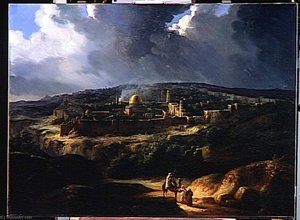
Auguste de Forbin
1777 - 1841 , Frankreich
Kurzinfos
- Artistic Movement Or Style: Romantik
- Artists Or Movements Influenced By This Artist: ['Neoklassik']
- Artists Who Influenced This Artist: ['François Marius Granet']
- Date Of Birth: 1777
- Date Of Death: 1841
- Full Name: Auguste de Forbin
- Nationality: Französisch
- Notable Artworks:
- Vue de Jérusalem
- Vue de Cazzafani
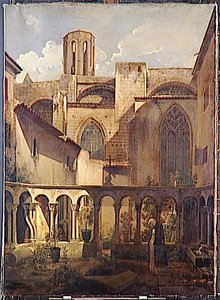
- Cloître vue méditerranée
- Place Of Birth: Laroched'antheron, Frankreich
Ähnliche Artikel

Handelsanfragen
APS bietet seit 2004 hochwertige Kunst-Reproduktionen und individuelle Auftragsarbeiten an. Unternehmen, Hotels und ausgewählte Sammler vertrauen auf uns für museumsgerechte Kunstwerke, diskreten Service und umfassende künstlerische Lösungen. Kontaktieren Sie uns für ein individuelles Angebot!
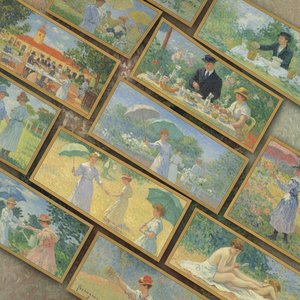
Pierre-Auguste Renoir: Die 25 Meisterwerke des Impressionismus für Ihr Zuhause | ArtsDot
Entdecken Sie die 25 schönsten Meisterwerke von Pierre-Auguste Renoir! Tauchen Sie ein in die Welt des Impressionismus, erleben Sie berühmte Gemälde wie 'Bal au moulin de la Galette' und finden Sie hochwertige Kunstdrucke für Ihr Zuhause. Jetzt auf ArtsDot.com!

Goya: Die 25 Meisterwerke des spanischen Genies – Kunst für Ihr Zuhause | ArtsDot
Entdecken Sie die 25 Meisterwerke von Francisco Goya! Tauchen Sie ein in die düstere Romantik spanischer Malerei, Porträts & Historienbilder. Hochwertige Kunstdrucke auf ArtsDot.com – für Kunstliebhaber und stilvolles Wohnen.
Die schönsten Landschaftsbilder: 10 Meisterwerke für Ihr Zuhause | ArtsDot.com
Entdecken Sie die 10 schönsten Landschaftsbilder der Kunstgeschichte! Von Monet bis Van Gogh – erfahren Sie die Geschichten hinter Meisterwerken & finden Sie Inspiration für Ihr Zuhause. Hochwertige Kunstdrucke auf ArtsDot.com.

Romantische Landschaften: Die 10 Meisterwerke, die eine Epoche prägten | ArtsDot
Entdecken Sie die 10 Meisterwerke der Romantischen Landschaftsmalerei! Von Caspar David Friedrich bis Turner – erleben Sie die Kunst, Emotion & Natur. Hochwertige Reproduktionen auf ArtsDot.com

