

 Vorschau anzeigen
 Versenden
 Teilen
 Details anzeigen

 Herunterladen
 Ähnliche Objekte
 Röntgenaufnahme
 Diashow
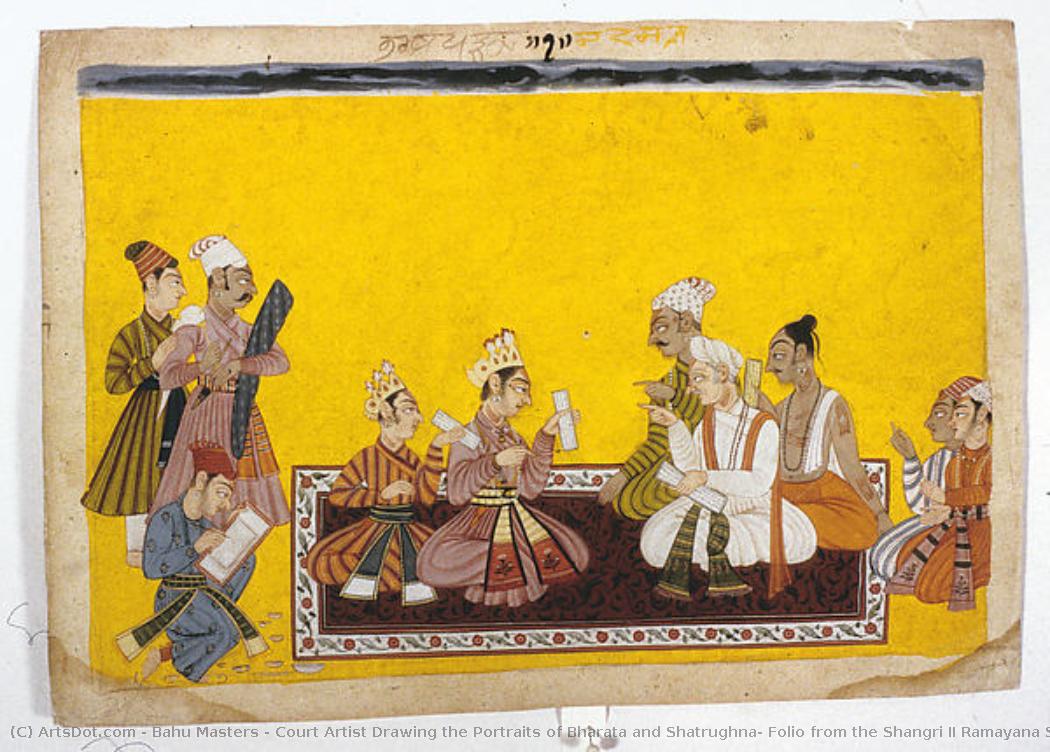
Court Artist Drawing the Portraits of Bharata and Shatrughna: Folio from the Shangri II Ramayana Series
 1680
1680 22.0 x 32.0 cm
 Weiterlesen
Handgefertigte Ölreproduktion
Handgemaltes Ölgemälde auf Leinwand in Ihrer Wunschgröße und mit Rahmen, auf Bestellung von unseren Künstlern angefertigt. ( Druck bestellen Bild kaufen)




































Wählen Sie aus unseren vordefinierten Formaten, die den ursprünglichen Proportionen des Kunstwerks entsprechen.

Sie können Ihre eigenen Maße eingeben, um einen bestimmten Rahmen oder Platz auszufüllen. Wenn die gewählte Größe nicht den Proportionen des Originalbildes entspricht, werden wir das Kunstwerk entweder beschneiden oder das Gemälde durch zusätzliche, handgemalte Elemente erweitern. Ein digitales Mockup wird Ihnen zur Genehmigung zugesandt, bevor die Produktion beginnt.
Bitte beachten Sie, dass die Bildschirmvorschau nicht die tatsächliche Beschneidung oder Erweiterung widerspiegelt. Nur das Mockup zeigt die endgültige Komposition exakt an.
Obwohl Sondermaße verfügbar sind, empfehlen wir, eine Größe aus der vordefinierten Liste zu wählen, um die ursprünglichen Proportionen beizubehalten.
Nach der Bestellung wird das ArtsDot.com-Team dem Kunden Anweisungen per E-Mail zusenden und eine Mockup-Vorschau bereitstellen.
Weltweiter Versand () in nur 3 bis 4 Wochen statt der üblichen 5 Wochen. (23 August). Keine Kompromisse bei der Qualität.

Kostenloser weltweiter Expressversand

Hochwertige Leinenleinwand

Umfassender Versicherungsschutz beim Versand

Zollgebühren-Rückerstattungsgarantie

Garantie für exakte Farbtreue

60 Tage Rückgaberecht (nur bei Mängeln)

100% Geld-zurück-Garantie

Mengenrabatt verfügbar
 Die Glasoption ist nur für Größen unter 110 cm verfügbar.

Court Artist Drawing the Portraits of Bharata and Shatrughna: Folio from the Shangri II Ramayana Series
Art der Reproduktion
Format der Reproduktion
-


Gesamtpreis
$ 263
Beschreibung des Kunstwerks
Ähnliche Kunstwerke
Über den Künstler
The Enigmatic World of Bahu Masters: A Sufi Poet’s Legacy
Born in the heartland of Shorkot, Jhang, within the fertile province of Punjab, Pakistan, Bahu Masters emerged as a compelling voice in both Pakistani art and literature. His origins trace back to a family steeped in the traditions of Mughal military service – his father, Bayazid Muhammad, held an officer’s commission within the Mughal army, while his mother, Rasti, hailed from a lineage of respect and standing. This heritage would subtly yet profoundly shape his worldview and artistic expression. Bahu Masters wasn't merely a poet; he was a pivotal figure in perpetuating the mystic tradition known as Sarwari Qadiri, belonging to the esteemed Qadiri Sufi order. His life was one dedicated to exploring the depths of spiritual understanding and translating those insights into evocative verse.A Prolific Scholar Rooted in Tradition
Bahu Masters received a rigorous early education within the established Islamic system, immersing himself in the intricacies of Arabic, Persian, and Islamic theology. This foundational knowledge provided the bedrock for his later explorations of Sufism. He became an extraordinarily prolific writer, with over forty books attributed to him—a testament to his relentless intellectual curiosity and spiritual devotion. While he penned extensively in Persian, often delving into specialized aspects of Islam and its mystical dimensions, it was his poetry in Punjabi that truly captured the hearts of the people and secured his enduring fame. This choice wasn’t accidental; Punjabi allowed him a direct connection with the common soul, bypassing scholarly barriers to reach a wider audience with the essence of Sufi teachings.The Language of the Soul: Poetry as Spiritual Expression
The poetry of Bahu Masters is characterized by its deeply spiritual and mystical themes—a direct reflection of his Qadiri Sufi background. He didn’t simply write *about* spirituality; he embodied it within his verses, using language as a vehicle to convey the ineffable experience of divine connection. His work isn't easily categorized as mere religious writing; rather, it is an exploration of the human condition through the lens of love, longing, and ultimate unity with the Divine. He masterfully employed metaphorical language and symbolism—drawing upon both Persian poetic traditions and indigenous Indian imagery—to create a unique aesthetic that resonated deeply with his contemporaries and continues to captivate readers today. The recurring motifs in his poetry often center around themes of *fana* (annihilation of the self) and *baqa* (subsistence in God), central tenets of Sufi philosophy.Influences and Artistic Development
Bahu Masters’ artistic style represents a fascinating confluence of Persian and Indian influences. The refined elegance and intellectual depth of Persian poetry, inherited through his scholarly upbringing, were skillfully interwoven with the vibrant cultural tapestry of Punjab. This synthesis is particularly evident in his use of imagery—often blending floral motifs, natural landscapes, and references to local folklore with classical Sufi symbolism. While direct artistic works like paintings are not widely attributed to him, it’s important to consider the broader context of Mughal art during his lifetime. The 17th century, a period when Bahu Masters was active, witnessed a flourishing of miniature painting, textiles, and decorative arts within the Mughal empire. The Victoria and Albert Museum in London houses an impressive collection of these works, offering insight into the aesthetic environment that likely influenced Bahu Masters’ sensibilities. Furthermore, the earlier Ilkhanid art movement—known for its unique blend of Persian, Chinese, and Islamic artistic elements—also contributed to the rich visual vocabulary available to artists of his era.A Lasting Legacy: Impact on Punjabi Literature & Beyond
Bahu Masters’ impact on the development of Punjabi literature and poetry is undeniable. He elevated the language from a primarily oral tradition to one capable of expressing complex philosophical ideas, paving the way for future generations of poets and writers. His work not only enriched the literary landscape but also played a crucial role in popularizing Sufi teachings within Punjab and beyond. The enduring appeal of his poetry lies in its universal themes—the search for meaning, the power of love, and the longing for spiritual fulfillment. He remains a revered figure in Pakistani culture, celebrated as a master poet, a devoted Sufi mystic, and a pivotal voice in the region’s artistic heritage. His legacy continues to inspire artists, scholars, and seekers alike, ensuring that his message of love, peace, and unity resonates through time.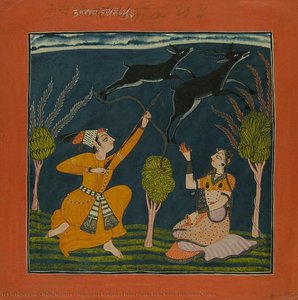
bahu masters
Pakistan
Kurzinfos
- Artistic Movement Or Style: World Goes Pop
- Artists Or Movements Influenced By This Artist: ['Influences various contemporary artists']
- Artists Who Influenced This Artist: ['Influenced by diverse artists within the World Goes Pop movement']
- Date Of Death: Living
- Notable Artworks: ['Various works featured in The World Goes Pop exhibition']
- Place Of Birth: WahooArt

