

 Vorschau anzeigen
 Versenden
 Teilen
 Details anzeigen

 Herunterladen
 Ähnliche Objekte
 Röntgenaufnahme
 Diashow
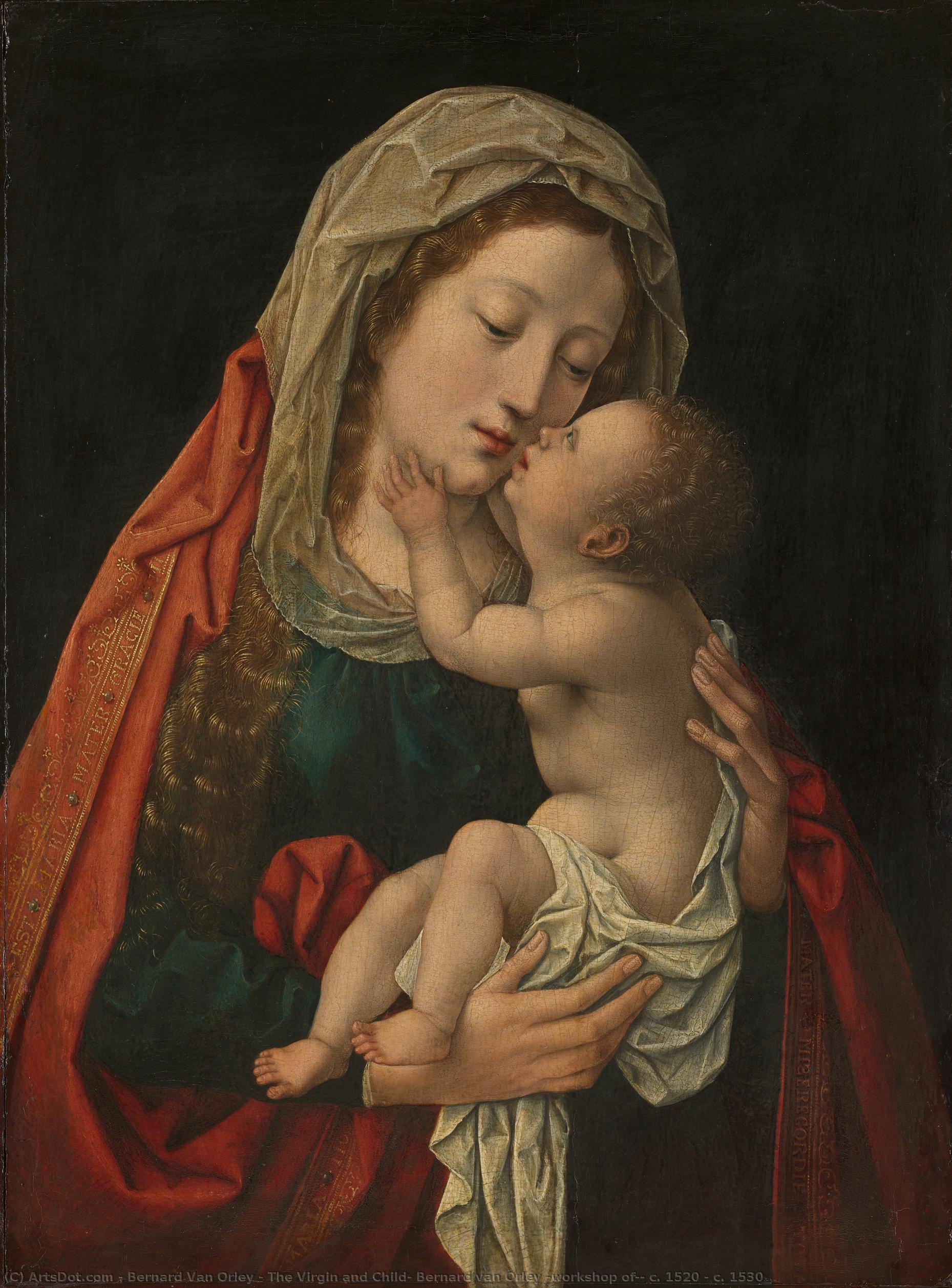
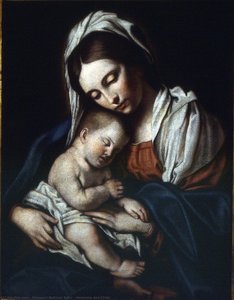
The Virgin and Child, Bernard van Orley (workshop of), c. 1520 - c. 1530
 1530
1530 37.0 x 28.0 cm
 Weiterlesen
Erwerben Sie ein hochauflösendes, optimiertes digitales Bild, das der Online-Vorschau weit überlegen ist.
Jede Datei wird von unseren hauseigenen Spezialisten mit modernsten Werkzeugen und fachmännischer manueller Retusche sorgfältig vorbereitet. Wir stellen sicher, dass jedes Bild eine außergewöhnliche Klarheit, präzise Farbgenauigkeit und feinste Details aufweist.
Die endgültige Datei wird innerhalb von 72 Stunden per E-Mail zugestellt und ist für den sofortigen Einsatz in professionellen, redaktionellen und Druckumgebungen optimiert. Es handelt sich um dieselbe Qualität, der führende Designstudios, Verlage und Galerien vertrauen.
Digitales Bild
Laden Sie eine hochauflösende Datei für die persönliche Präsentation, den Druck und kreative Projekte herunter. ( Druck bestellen Handgemalte Reproduktion bestellen)
In jeder Bestellung digitaler Bilder enthalten
Professionelle digitale Bereitstellung, garantiert
Wenn Sie sich für ArtsDot.com entscheiden, erhalten Sie nicht nur ein Bild – Sie erhalten ein professionell aufbereitetes digitales Kunstwerk, das mit höchster Präzision erstellt und durch eine Zufriedenheitsgarantie abgesichert wird. Hier ist alles, was automatisch mit Ihrer Bestellung geliefert wird:

Schnelle E-Mail-Zustellung
Ihre hochauflösende digitale Bilddatei wird Ihnen innerhalb von 72 Stunden nach der Bestellung per E-Mail zugestellt – bereit zur sofortigen Verwendung.

KI-optimierte digitale Datei
Ihre Kunstwerke werden professionell mithilfe fortschrittlicher KI-Tools und manueller Bearbeitung optimiert, um maximale Detailtreue, Klarheit und Farbgenauigkeit zu gewährleisten.

Lebenslanger kostenloser Neudruckservice
Datei versehentlich gelöscht oder verloren? Keine Sorge – wir senden sie Ihnen jederzeit kostenlos erneut zu.

Keine Einfuhrgebühren – jemals
Genießen Sie Ihr Kunstwerk sofort ohne Zollgebühren, Einfuhrabgaben oder Versandkosten – digitale Downloads sind immer steuerfrei.

Garantierte Farbtreue
Wir garantieren, dass Ihr digitales Bild mithilfe professioneller Werkzeuge und Farbmanagement die Originalfarben so präzise wie möglich wiedergibt.

60-Tage-Zufriedenheitsgarantie
Sollten Sie mit Ihrem digitalen Bild nicht zufrieden sein, werden wir es überarbeiten oder Ihnen innerhalb von 60 Tagen 100% erstatten – ohne Wenn und Aber.

100% Geld-zurück-Garantie
Nicht zufrieden? Erhalten Sie innerhalb von 60 Tagen nach Erhalt Ihrer digitalen Datei eine vollständige Rückerstattung – ohne Angabe von Gründen.

Rabatte bei Großbestellungen
3 Bilder kaufen, 10% sparen – 5 Bilder kaufen, 15% sparen – Ab 10 Bildern 20% sparen. Ideal für kreative Projekte, Galerien und Agenturen.
Details zum Sammlerstück
Ähnliche Kunstwerke






Biografie des Künstlers
Bernard van Orley: A Flemish Renaissance Master
Bernard van Orley (between 1487 and 1491 – January 6, 1541), also known as Barend or Barent van Orley, Bernaert van Orley or Barend van Brussel, was a remarkably versatile Flemish artist who stands as a pivotal figure in the artistic landscape of the Dutch and Flemish Renaissance. Born in Brussels, Belgium—likely amidst a family steeped in tapestry design—van Orley’s formative years were marked by exposure to the craftmanship of his father, Valentin van Orley, establishing him firmly within the influential milieu of Bruges and Antwerp. While he eschewed the grand pilgrimage to Italy that characterized many of his contemporaries, he nonetheless absorbed the stylistic currents emanating from Raphael’s Rome, aligning himself with the Romanist movement—a trend that championed Italian Renaissance aesthetics amongst Flemish painters. ### Early Life and Artistic Training Details surrounding van Orley's early life remain somewhat sparse, reflecting a common characteristic of artists whose biographies are documented primarily through guild records and workshop inventories. However, it’s widely accepted that he received his artistic education within the familial atelier of Valentin van Orley, alongside other skilled artisans in Brussels. This environment fostered an appreciation for meticulous technique and a dedication to mastering traditional Flemish painting methods—a legacy that would permeate his subsequent oeuvre. Evidence suggests he married twice, first to Agnes Seghers and later to Caterina Hellinckx, resulting in nine children who continued the family’s artistic tradition. His sons were themselves accomplished artists, perpetuating the Van Orley lineage's commitment to artistic excellence. ### Artistic Style and Notable Works Van Orley’s artistic style is distinguished by its harmonious blend of realism and idealism—a hallmark of the Romanist movement. He excelled as both a painter and a tapestry designer, demonstrating an exceptional command of multiple mediums. His paintings frequently depict religious subjects, particularly scenes from the Passion of Christ and depictions of saints, reflecting the fervent piety prevalent during his era. These works are characterized by a masterful use of color palettes—often employing rich reds and golds—and a meticulous attention to detail that captures the emotional intensity of biblical narratives. Portraits commissioned by prominent Habsburg dignitaries—including Margareta van Oostenrijk—became a staple of his output, showcasing his ability to capture nuanced expressions and conveying regal dignity. The Haneton Triptych, housed at the Musée Royal des Beaux-Arts in Brussels, exemplifies this stylistic approach perfectly; its perspective and color harmony stand as testament to Raphael’s influence. Similarly, the Portrait of Margareta van Oostenrijk remains a celebrated masterpiece—a poignant depiction of royal composure imbued with psychological depth. Finally, the Altarpiece of Calvary, located in Bruges’ Onze Lieve Vrouwekerk, showcases his masterful manipulation of chiaroscuro—creating dramatic lighting effects that heighten the emotional impact of the scene and underscore its spiritual significance. ### Influence and Legacy Bernard van Orley's artistic influence extended beyond his own lifetime. He served as a mentor to several prominent Flemish artists, shaping the stylistic trajectory of subsequent generations. His embrace of Raphael’s techniques—particularly the use of cartoons for tapestry design—established him as a pioneer in disseminating Italian Renaissance ideals throughout Northern Europe. This innovative approach ensured that the grandeur and sophistication of Rome reached even the most distant corners of Flanders and Brabant. Furthermore, his dedication to portraying religious narratives with profound emotional resonance solidified his position as one of the foremost painters of his time—a figure whose enduring legacy continues to inspire admiration and scholarly study. His sons carried on his artistic heritage, ensuring that van Orley’s distinctive style persisted for decades after his death, securing his place as a cornerstone of Flemish Renaissance art.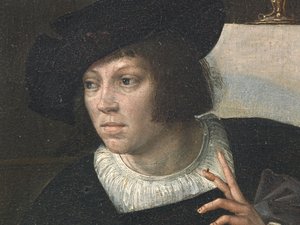
Bernard van Orley
1541 , Belgien
Kurzinfos
- Artistic Movement Or Style: Italienisierende Nordrenaissance
- Artists Or Movements Influenced By This Artist: ['Romanismus']
- Artists Who Influenced This Artist: ['Raffael']
- Date Of Birth: c.1487
- Date Of Death: Jan. 6, 1541
- Full Name: Bernard van Orley
- Nationality: Niederländisch
- Notable Artworks:
- Haneton-Triptych
- Margareta von Österreich
- Place Of Birth: Brüssel, Belgien

