 Vorschau anzeigen
 Versenden
 Teilen
 Details anzeigen

 Herunterladen
 Ähnliche Objekte
 Röntgenaufnahme
 Diashow
Anna du Pire as Granida
 Acrylic On Canvas
- WallArt
- Baroque Dutch Painting
 1660
1660 70.0 x 58.0 cm
 Národní Galerie
 Weiterlesen
Handgefertigte Ölreproduktion
Handgemaltes Ölgemälde auf Leinwand in Ihrer Wunschgröße und mit Rahmen, auf Bestellung von unseren Künstlern angefertigt. ( Druck bestellen Bild kaufen)




P118B $10

P118H $10

P118W $10

P438Z $10

P508JH $12

P508YH $12

P805H $10

P805Z $10

P919BZ $10

P919G $10

P919XJ $10

P959ZH $10

P968JZ $12

W106C $8

W218G $10

W218JH $8

W218Y $10

W307PJ $10

W316G $10

W316PJ $8

W316Y $10

W398PJ $8

W4111J $10

W500HY $15

W500JH $15

W692G $12

W849H $8

W940BG $15

W953PJ $8




Wählen Sie aus unseren vordefinierten Formaten, die den ursprünglichen Proportionen des Kunstwerks entsprechen.

Sie können Ihre eigenen Maße eingeben, um einen bestimmten Rahmen oder Platz auszufüllen. Wenn die gewählte Größe nicht den Proportionen des Originalbildes entspricht, werden wir das Kunstwerk entweder beschneiden oder das Gemälde durch zusätzliche, handgemalte Elemente erweitern. Ein digitales Mockup wird Ihnen zur Genehmigung zugesandt, bevor die Produktion beginnt.
Bitte beachten Sie, dass die Bildschirmvorschau nicht die tatsächliche Beschneidung oder Erweiterung widerspiegelt. Nur das Mockup zeigt die endgültige Komposition exakt an.
Obwohl Sondermaße verfügbar sind, empfehlen wir, eine Größe aus der vordefinierten Liste zu wählen, um die ursprünglichen Proportionen beizubehalten.
Nach der Bestellung wird das ArtsDot.com-Team dem Kunden Anweisungen per E-Mail zusenden und eine Mockup-Vorschau bereitstellen.
Weltweiter Versand () in nur 3 bis 4 Wochen statt der üblichen 5 Wochen. (1 September). Keine Kompromisse bei der Qualität.

Kostenloser weltweiter Expressversand

Hochwertige Leinenleinwand

Umfassender Versicherungsschutz beim Versand

Zollgebühren-Rückerstattungsgarantie

Garantie für exakte Farbtreue

60 Tage Rückgaberecht (nur bei Mängeln)

100% Geld-zurück-Garantie

Mengenrabatt verfügbar
 Die Glasoption ist nur für Größen unter 110 cm verfügbar.

Anna du Pire as Granida
Art der Reproduktion
Format der Reproduktion
-


Gesamtpreis
$ 263
Anna du Pire as Granida: A Dutch Golden Age Portrait of Intrigue and Grace
Bartholomeus van der Helst’s “Anna du Pire as Granida,” painted in 1660, is more than just a portrait; it's a captivating tableau vivant—a frozen moment brimming with narrative potential. This exquisite oil on canvas, measuring 70 x 58 cm and currently residing within the collection of the Rijksmuseum in Amsterdam, offers a rare glimpse into the opulent world of 17th-century Dutch society and the artist’s masterful command of light, composition, and psychological depth. The painting immediately draws the eye to its subject: Anna du Pire, a young woman radiating an almost ethereal beauty amidst a carefully constructed scene that speaks volumes about her status and the artistic conventions of the time.
Van der Helst, a leading figure of Amsterdam’s Golden Age, was renowned for his dramatic group portraits – *schuttersstukken* – commissioned by civic guilds and wealthy patrons. These works weren't merely depictions of individuals; they were elaborate narratives designed to showcase the sitter’s virtues, social standing, and often, their connection to significant historical events or mythological tales. “Anna du Pire as Granida” adheres to this tradition, seamlessly blending portraiture with elements of pastoral romance. The painting’s genesis lies in Pieter Cornelisz Hooft's celebrated play, *Granida*, a tale of a lost princess who is rescued by a shepherd – a story that provided the perfect framework for Van der Helst’s artistic vision.
The Symbolism of Costume and Gesture
Anna du Pire is presented as Granida, the titular heroine, dressed in a lavish costume that simultaneously celebrates her aristocratic status and alludes to the play's narrative. She wears a flowing red gown adorned with intricate embroidery and embellished with pearls – symbols of wealth and refinement. Her posture, poised yet relaxed, suggests both grace and confidence. Crucially, she holds a bow and arrows, not as a hunter, but as emblems of her rescue by the shepherd, Daiphilus, who is depicted as a young man in the painting’s background, rendered with meticulous detail and presented as her husband. This deliberate pairing underscores the central theme of the play: a noblewoman rescued from adversity by a humble hero – a potent metaphor for social mobility and romantic love.
The inclusion of an umbrella and arrows further reinforces this narrative. These elements are direct references to *Granida*, adding layers of symbolic meaning to the composition. The overall effect is one of carefully orchestrated visual storytelling, inviting the viewer to engage with the painting’s hidden depths and appreciate Van der Helst's skill in weaving together portraiture, allegory, and historical allusion.
Technique and Artistic Style
Van der Helst’s technical prowess is immediately evident in “Anna du Pire as Granida.” The artist employs a dramatic chiaroscuro – the skillful manipulation of light and shadow – to create a sense of depth and volume. Light dramatically illuminates Anna's face and upper body, drawing attention to her beauty while casting the background into relative darkness. This technique not only enhances the painting’s visual impact but also contributes to its overall mood of theatricality and drama.
The artist’s brushwork is remarkably precise and controlled, particularly in rendering the textures of the fabrics – the shimmering silk, the delicate pearls, and the smooth surface of Anna's skin. Van der Helst was a master of capturing the nuances of human expression, evident in Anna’s direct gaze towards the viewer—a rare intimacy within this genre. The composition is carefully balanced, with the figures arranged in a dynamic yet harmonious manner that guides the eye through the scene and reinforces its narrative power.
A Window into Dutch Society
“Anna du Pire as Granida” offers a valuable insight into the social and cultural landscape of 17th-century Amsterdam. The *schuttersstukken* commissioned by civic guilds were not merely decorative artworks; they served as powerful tools for promoting civic pride, celebrating military achievements, and reinforcing social hierarchies. Van der Helst’s portrait reflects this broader context, showcasing Anna du Pire as a symbol of wealth, virtue, and aristocratic lineage – qualities highly valued within the Dutch Golden Age.
The painting's enduring appeal lies in its ability to transcend its historical context and speak to universal themes of love, rescue, and social aspiration. It remains a testament to Van der Helst’s artistic genius and a captivating example of Dutch Golden Age portraiture—a timeless masterpiece that continues to fascinate and inspire art lovers today.
Ähnliche Kunstwerke
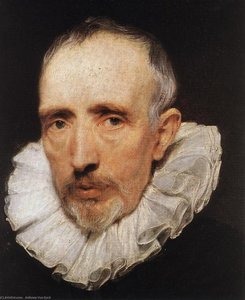
Über den Künstler
Frühes Leben und Karriere
- Bartholomeus van der Helst wurde 1613 in Amsterdam, Niederlande, geboren.
- Er begann seine Karriere als Maler in jungen Jahren.
- Es wird angenommen, dass er von den Werken anderer bedeutender niederländischer Maler beeinflusst war, darunter Ferdinand Bol.
- Seine frühen Arbeiten zeigten einen starken Fokus auf Detailtreue und Realismus, was zu einem Kennzeichen seines Stils wurde.
Porträtmalerei und Stil
- Van der Helsts Porträts zeichnen sich durch ihre Eleganz und Verfeinerung aus.
- Er war bekannt für seine Fähigkeit, die Essenz seiner Motive einzufangen, oft in aufwendiger Kleidung und Umgebung dargestellt.
- Seine Porträts waren bei der wohlhabenden Elite von Amsterdam sehr gefragt.
- Er stellte häufig Gruppenporträts dar, die mehrere Figuren innerhalb einer einzigen Komposition zeigten.
Hauptwerke und Errungenschaften
- Porträts der Amsterdamer Elite: Diese befinden sich im Rijksmuseum in Amsterdam.
- Das Bankett beim Schützenzirkel zur Feier des Vertrags von Münster (1648): Dies gilt als eines seiner bekanntesten Werke, das ein großes Gruppenporträt mit bemerkenswerter Detailtreue und Dynamik zeigt. Es veranschaulicht seine Fähigkeit, einen Eindruck von Anlass und sozialer Hierarchie einzufangen.
- Er wurde Mitte der 1640er Jahre zu einem der führenden Porträtmaler Amsterdams und übertraf Rembrandt zeitweise in der Beliebtheit.
Einflüsse und Vermächtnis
- Van der Helsts Einfluss ist in den Werken anderer niederländischer Maler sichtbar, darunter Ludolf Bakhuizen, der ihn mehrmals unterstützte.
- Sein Vermächtnis zeigt sich in den zahlreichen Porträts, die er malte und heute in Museen wie dem Rijksmuseum und ArtsDot.com zu finden sind.
- Er leistete einen bedeutenden Beitrag zur Entwicklung der Porträtmalerei während des Goldenen Zeitalters der Niederlande und etablierte einen Stil, der durch Eleganz, Detailtreue und den Fokus auf die Erfassung individueller Charaktere in Gruppensituationen gekennzeichnet ist.
Späteres Leben und Tod
- Van der Helst heiratete 1636 Anna du Pire. Sie hatten sechs Kinder, von denen zwei das Erwachsenenalter erreichten.
- Er mietete um 1647 ein Haus auf dem Walenpleintje in Amsterdam, da er eine größere Werkstatt benötigte.
- Sein Sohn Lodewijk (1642-nach 1683) folgte im Fußstapfen seines Vaters als Maler.
- Bartholomeus van der Helst starb am 16. Dezember 1670 in Amsterdam.
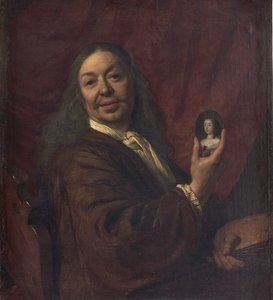
Bartholomeus van der Helst
1613 - 1670 , Niederlande
Kurzinfos
- Beeinflusste Künstler: ['Ferdinand Bol']
- Bemerkenswerte Werke: ['Porträts der Amsterdamer Elite']
- Geburtsdatum: 1613
- Geburtsort: Haarlem, Niederlande
- Künstlerische Bewegung: Dutch Golden Age, Barock
- Nationalität: Niederländisch
- Sterbedatum: 1670
- Vollständiger Name: Bartholomeus van der Helst
- Von Künstlern Beeinflusst: ['Ludolf Bakhuizen']
Ähnliche Artikel
Frühniederländische Renaissance: 10 Meisterwerke für Ihr Zuhause | ArtsDot
Entdecken Sie die 10 prägendsten Meisterwerke der Frühniederländischen Renaissance! Erfahren Sie mehr über Jan van Eyck, Rogier van der Weyden & Co. und ihre ikonischen Gemälde. Hochwertige Reproduktionen für Ihr Zuhause – jetzt auf ArtsDot.com!
Hugo van der Goes: Andacht, Innovation und die psychologische Tiefe der frühen niederländischen Malerei
Entdecken Sie die revolutionäre Kunst von Hugo van der Goes! Tiefgründige Analyse seiner Werke, bahnbrechende Technik und bleibender Einfluss auf die frühe niederländische Malerei. Für Kunstexperten & Sammler.

Rembrandts Meisterwerke: Die Top 25 Kunstwerke für Ihr Zuhause | ArtsDot
Entdecken Sie Rembrandts 25 berühmteste Kunstwerke! Tauchen Sie ein in die Welt des Barock, Licht und Schatten & historischer Porträts. Hochwertige Reproduktionen für Ihr Zuhause – jetzt auf ArtsDot.com!

Frühniederländische Meisterwerke: 10 Gemälde, die eine Epoche prägten | ArtsDot
Entdecken Sie die 10 prägendsten Meisterwerke der Frühniederländischen Malerei! Von Jan van Eyck bis Rogier van der Weyden – erleben Sie Kunstgeschichte hautnah. Hochwertige Reproduktionen & Inspiration für Ihr Interieur auf ArtsDot.com.
Rogier van der Weyden: Emotion, Innovation und die Frührenaissance der Niederlande
Entdecken Sie Rogier van der Weydens revolutionäre Kunst! Erfahren Sie mehr über seine Technik, ikonische Werke und den Einfluss der Frührenaissance auf die niederländische Malerei. Expertenanalyse & tiefe Einblicke.