 Vorschau anzeigen
 Versenden
 Teilen
 Details anzeigen

 Herunterladen
 Ähnliche Objekte
 Röntgenaufnahme
 Diashow
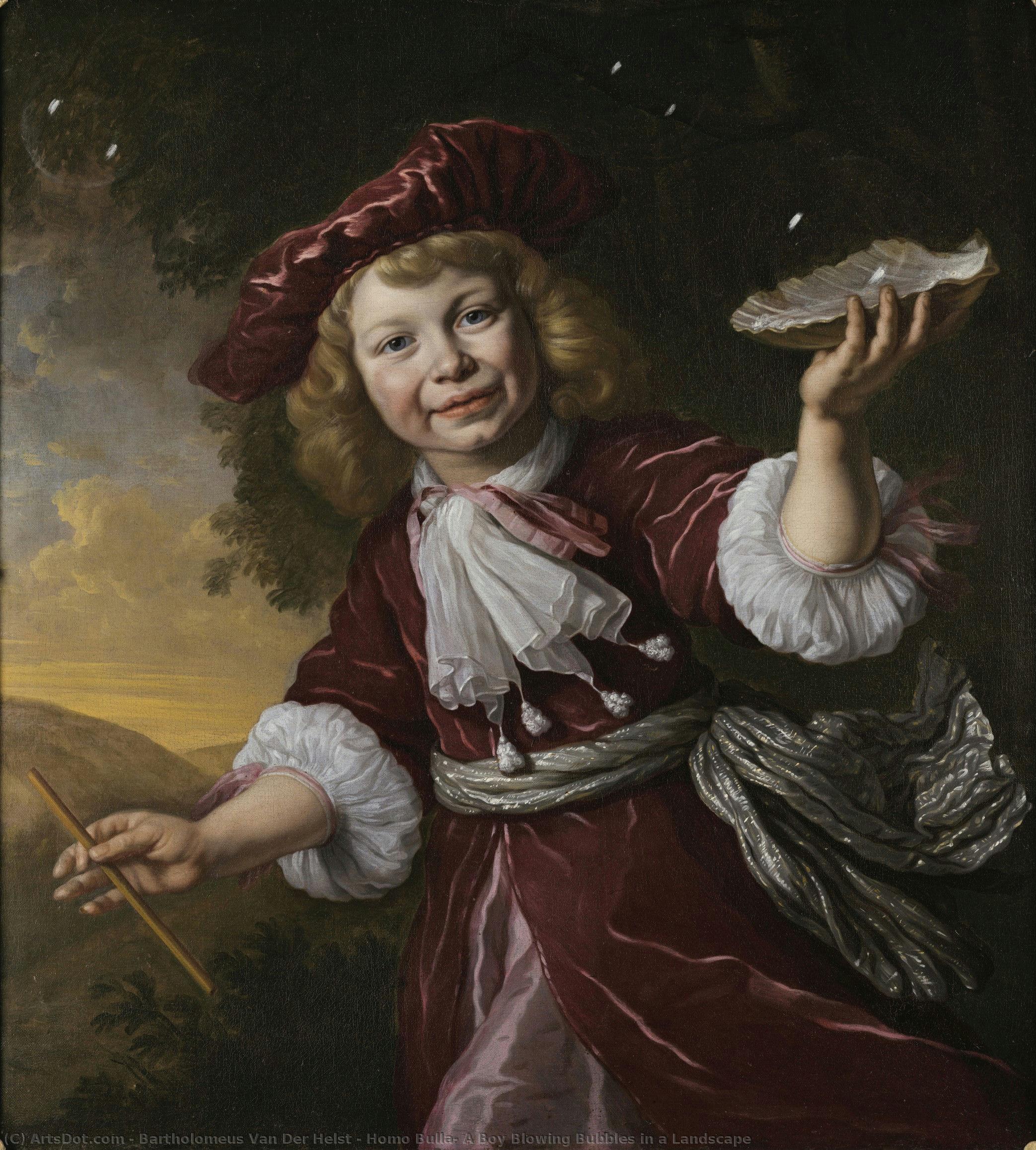
Homo Bulla: A Boy Blowing Bubbles in a Landscape


 Weiterlesen
Handgefertigte Ölreproduktion
Handgemaltes Ölgemälde auf Leinwand in Ihrer Wunschgröße und mit Rahmen, auf Bestellung von unseren Künstlern angefertigt. ( Druck bestellen Bild kaufen)




P118B $10

P118H $10

P118W $10

P438Z $10

P508JH $12

P508YH $12

P805H $10

P805Z $10

P919BZ $10

P919G $10

P919XJ $10

P959ZH $10

P968JZ $12

W106C $8

W218G $10

W218JH $8

W218Y $10

W307PJ $10

W316G $10

W316PJ $8

W316Y $10

W398PJ $8

W4111J $10

W500HY $15

W500JH $15

W692G $12

W849H $8

W940BG $15

W953PJ $8




Wählen Sie aus unseren vordefinierten Formaten, die den ursprünglichen Proportionen des Kunstwerks entsprechen.

Sie können Ihre eigenen Maße eingeben, um einen bestimmten Rahmen oder Platz auszufüllen. Wenn die gewählte Größe nicht den Proportionen des Originalbildes entspricht, werden wir das Kunstwerk entweder beschneiden oder das Gemälde durch zusätzliche, handgemalte Elemente erweitern. Ein digitales Mockup wird Ihnen zur Genehmigung zugesandt, bevor die Produktion beginnt.
Bitte beachten Sie, dass die Bildschirmvorschau nicht die tatsächliche Beschneidung oder Erweiterung widerspiegelt. Nur das Mockup zeigt die endgültige Komposition exakt an.
Obwohl Sondermaße verfügbar sind, empfehlen wir, eine Größe aus der vordefinierten Liste zu wählen, um die ursprünglichen Proportionen beizubehalten.
Nach der Bestellung wird das ArtsDot.com-Team dem Kunden Anweisungen per E-Mail zusenden und eine Mockup-Vorschau bereitstellen.
Weltweiter Versand () in nur 3 bis 4 Wochen statt der üblichen 5 Wochen. (21 August). Keine Kompromisse bei der Qualität.

Kostenloser weltweiter Expressversand

Hochwertige Leinenleinwand

Umfassender Versicherungsschutz beim Versand

Zollgebühren-Rückerstattungsgarantie

Garantie für exakte Farbtreue

60 Tage Rückgaberecht (nur bei Mängeln)

100% Geld-zurück-Garantie

Mengenrabatt verfügbar
 Die Glasoption ist nur für Größen unter 110 cm verfügbar.

Homo Bulla: A Boy Blowing Bubbles in a Landscape
Art der Reproduktion
Format der Reproduktion
-


Gesamtpreis
$ 263
Beschreibung des Kunstwerks
Bartholomeus van der Helst’s *Homo Bulla*: A Portrait of Innocence and Fleeting Joy
Bartholomeus van der Helst's 1665 painting, *Homo Bulla: A Boy Blowing Bubbles in a Landscape*, offers a captivating glimpse into the Dutch Golden Age through its remarkably detailed depiction of childhood. This work, executed during a period of immense artistic and economic prosperity in Amsterdam, exemplifies Van der Helst’s mastery of group portraiture and his ability to imbue even seemingly simple subjects with profound psychological depth. The painting's immediate appeal lies in its charming subject – a young boy lost in the delightful activity of blowing bubbles – yet beneath this surface tranquility resides a complex tapestry of symbolism and artistic technique, firmly rooted in the conventions of Dutch civic art.
- Subject Matter: The central figure, a boy dressed in a vibrant red hat, is presented with an almost theatrical intensity. His focus, entirely absorbed in creating ephemeral bubbles, suggests a fleeting moment of joy and innocence – a theme frequently explored in portraiture during this era.
- Composition: Van der Helst skillfully employs a pyramidal composition, directing the viewer’s eye from the boy to the surrounding landscape, further emphasizing his importance within the scene. The inclusion of secondary figures—a man on the left and birds overhead—adds layers of narrative complexity.
- Technical Brilliance: Executed with meticulous detail, the painting showcases Van der Helst's signature technique of *verliefde penseelwerk* – a delicate brushwork that creates an illusion of softness and texture, particularly evident in the boy’s clothing and the translucent bubbles themselves.
A Window into Dutch Civic Portraiture
*Homo Bulla* belongs to a genre of group portraits commissioned by wealthy merchants and guilds during the 17th century. These “civic” portraits were not merely representations of individuals; they served as visual declarations of status, wealth, and civic virtue. While the precise context of this particular commission remains somewhat unclear, it’s likely intended for a private collection, reflecting the patron's appreciation for youthful innocence and perhaps symbolizing prosperity through the ephemeral nature of bubbles – a transient beauty.
Van der Helst frequently depicted children within these group portraits, often portraying them as symbols of hope and future success. The boy’s posture—relaxed yet attentive—suggests a confidence and self-assurance that aligns with the values prized by the Dutch elite. The inclusion of the other figures – likely members of the patron's family or associates – reinforces the idea of community and shared prosperity, a cornerstone of Dutch civic identity.
Symbolism and Emotional Resonance
Beyond its formal portraiture elements, *Homo Bulla* is rich in symbolic meaning. Bubbles themselves are potent symbols—representing fragility, transience, and the fleeting nature of beauty and joy. The boy’s act of blowing bubbles can be interpreted as a meditation on mortality or a reminder to cherish the present moment. The birds soaring above him add an element of aspiration and freedom, further enhancing the painting's emotional resonance.
Van der Helst masterfully captures a sense of quiet contemplation within this seemingly simple scene. The boy’s expression is one of serene absorption, inviting the viewer to share in his innocent delight. This ability to evoke such genuine emotion—a hallmark of Van der Helst's work—is what continues to captivate audiences centuries later.
Collecting a Masterpiece: A Hand-Painted Reproduction
ArtsDot offers meticulously crafted hand-painted reproductions of *Homo Bulla*, allowing you to bring this iconic Dutch Golden Age masterpiece into your home or office. Our skilled artisans replicate Van der Helst’s intricate brushwork and masterful composition with unparalleled accuracy, ensuring a faithful representation of the original. Each reproduction is created using archival quality materials, guaranteeing its longevity and preserving the beauty of this timeless work for generations to come. Invest in a piece of art history – acquire your own *Homo Bulla* today.
Ähnliche Kunstwerke
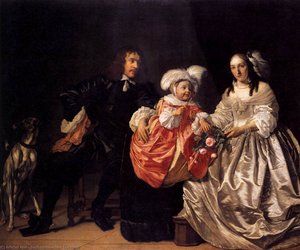
Über den Künstler
Frühes Leben und Karriere
- Bartholomeus van der Helst wurde 1613 in Amsterdam, Niederlande, geboren.
- Er begann seine Karriere als Maler in jungen Jahren.
- Es wird angenommen, dass er von den Werken anderer bedeutender niederländischer Maler beeinflusst war, darunter Ferdinand Bol.
- Seine frühen Arbeiten zeigten einen starken Fokus auf Detailtreue und Realismus, was zu einem Kennzeichen seines Stils wurde.
Porträtmalerei und Stil
- Van der Helsts Porträts zeichnen sich durch ihre Eleganz und Verfeinerung aus.
- Er war bekannt für seine Fähigkeit, die Essenz seiner Motive einzufangen, oft in aufwendiger Kleidung und Umgebung dargestellt.
- Seine Porträts waren bei der wohlhabenden Elite von Amsterdam sehr gefragt.
- Er stellte häufig Gruppenporträts dar, die mehrere Figuren innerhalb einer einzigen Komposition zeigten.
Hauptwerke und Errungenschaften
- Porträts der Amsterdamer Elite: Diese befinden sich im Rijksmuseum in Amsterdam.
- Das Bankett beim Schützenzirkel zur Feier des Vertrags von Münster (1648): Dies gilt als eines seiner bekanntesten Werke, das ein großes Gruppenporträt mit bemerkenswerter Detailtreue und Dynamik zeigt. Es veranschaulicht seine Fähigkeit, einen Eindruck von Anlass und sozialer Hierarchie einzufangen.
- Er wurde Mitte der 1640er Jahre zu einem der führenden Porträtmaler Amsterdams und übertraf Rembrandt zeitweise in der Beliebtheit.
Einflüsse und Vermächtnis
- Van der Helsts Einfluss ist in den Werken anderer niederländischer Maler sichtbar, darunter Ludolf Bakhuizen, der ihn mehrmals unterstützte.
- Sein Vermächtnis zeigt sich in den zahlreichen Porträts, die er malte und heute in Museen wie dem Rijksmuseum und ArtsDot.com zu finden sind.
- Er leistete einen bedeutenden Beitrag zur Entwicklung der Porträtmalerei während des Goldenen Zeitalters der Niederlande und etablierte einen Stil, der durch Eleganz, Detailtreue und den Fokus auf die Erfassung individueller Charaktere in Gruppensituationen gekennzeichnet ist.
Späteres Leben und Tod
- Van der Helst heiratete 1636 Anna du Pire. Sie hatten sechs Kinder, von denen zwei das Erwachsenenalter erreichten.
- Er mietete um 1647 ein Haus auf dem Walenpleintje in Amsterdam, da er eine größere Werkstatt benötigte.
- Sein Sohn Lodewijk (1642-nach 1683) folgte im Fußstapfen seines Vaters als Maler.
- Bartholomeus van der Helst starb am 16. Dezember 1670 in Amsterdam.
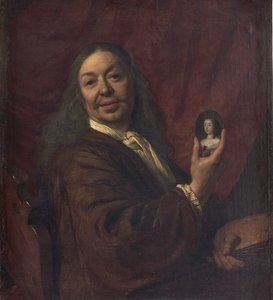
Bartholomeus van der Helst
1613 - 1670 , Niederlande
Kurzinfos
- Beeinflusste Künstler: ['Ferdinand Bol']
- Bemerkenswerte Werke: ['Porträts der Amsterdamer Elite']
- Geburtsdatum: 1613
- Geburtsort: Haarlem, Niederlande
- Künstlerische Bewegung: Dutch Golden Age, Barock
- Nationalität: Niederländisch
- Sterbedatum: 1670
- Vollständiger Name: Bartholomeus van der Helst
- Von Künstlern Beeinflusst: ['Ludolf Bakhuizen']
Ähnliche Artikel
Van Goghs Meisterwerke: Die Top 25 für Kunstliebhaber & Ihr Zuhause
Entdecken Sie die Top 25 Gemälde von Vincent van Gogh! Erleben Sie die Geschichten hinter Sternennacht, Sonnenblumen & mehr. Hochwertige Van Gogh Reproduktionen für Ihr Zuhause – jetzt auf ArtsDot.com!

Die 10 Meisterwerke des Goldenen Zeitalters der niederländischen Malerei |
Entdecken Sie die 10 Meisterwerke des Niederländischen Goldenen Zeitalters! Von Rembrandt bis Vermeer – erleben Sie Kunstgeschichte, Techniken & Emotionen. Hochwertige Gemäldereproduktionen für Ihr Zuhause auf .

Rembrandts Meisterwerke: Die Top 25 Kunstwerke für Ihr Zuhause | ArtsDot
Entdecken Sie Rembrandts 25 berühmteste Kunstwerke! Tauchen Sie ein in die Welt des Barock, Licht und Schatten & historischer Porträts. Hochwertige Reproduktionen für Ihr Zuhause – jetzt auf ArtsDot.com!

Golden Age Reflections: Dutch Baroque Painting & Cultural Innovation
Explore the Dutch Golden Age of painting! Discover key artists like Vermeer & ter Borch, their innovative techniques, and the rich cultural context behind these Baroque masterpieces. Learn about collecting & appreciating this iconic art period.
Willem van de Velde der Ältere: Meister der Seemalererei und Chronist des Niederländischen Goldenen Zeitalters
Entdecken Sie das Werk von Willem van de Velde der Ältere, dem Meister der Seemalerei des Niederländischen Goldenen Zeitalters. Erfahren Sie mehr über sein Leben, seine Techniken und seinen Einfluss auf die Kunstgeschichte – jetzt bei ArtsDot!