

 Vorschau anzeigen
 Versenden
 Teilen
 Details anzeigen

 Herunterladen
 Ähnliche Objekte
 Röntgenaufnahme
 Diashow
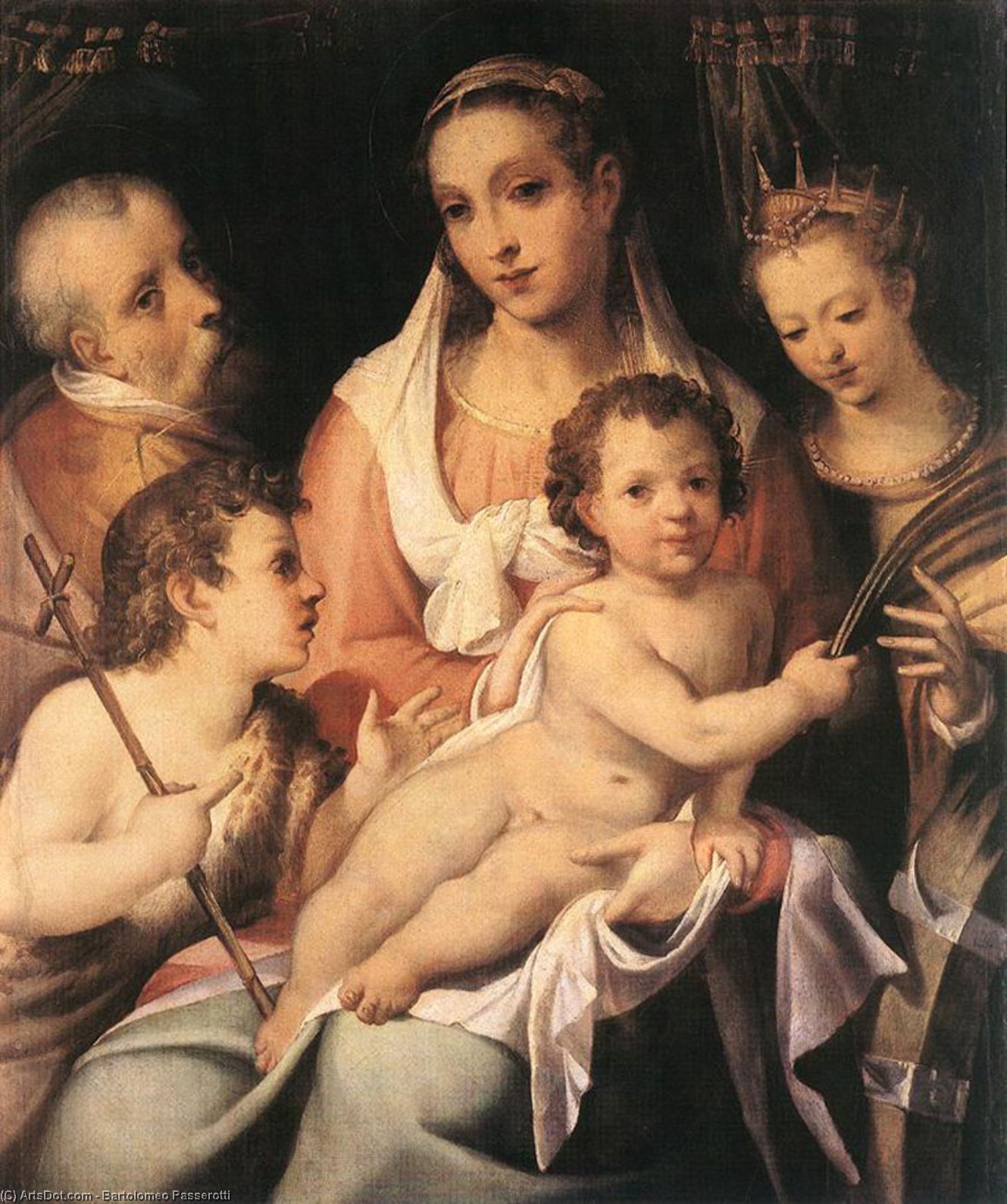
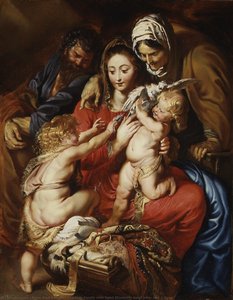
Holy Family with the Infant St John the Baptist and St Catherine of Alexandria
 111.0 x 92.0 cm
 Christliches Museum
 Weiterlesen
Erwerben Sie ein hochauflösendes, optimiertes digitales Bild, das der Online-Vorschau weit überlegen ist.
Jede Datei wird von unseren hauseigenen Spezialisten mit modernsten Werkzeugen und fachmännischer manueller Retusche sorgfältig vorbereitet. Wir stellen sicher, dass jedes Bild eine außergewöhnliche Klarheit, präzise Farbgenauigkeit und feinste Details aufweist.
Die endgültige Datei wird innerhalb von 72 Stunden per E-Mail zugestellt und ist für den sofortigen Einsatz in professionellen, redaktionellen und Druckumgebungen optimiert. Es handelt sich um dieselbe Qualität, der führende Designstudios, Verlage und Galerien vertrauen.
Digitales Bild
Laden Sie eine hochauflösende Datei für die persönliche Präsentation, den Druck und kreative Projekte herunter. ( Druck bestellen Handgemalte Reproduktion bestellen)
In jeder Bestellung digitaler Bilder enthalten
Professionelle digitale Bereitstellung, garantiert
Wenn Sie sich für ArtsDot.com entscheiden, erhalten Sie nicht nur ein Bild – Sie erhalten ein professionell aufbereitetes digitales Kunstwerk, das mit höchster Präzision erstellt und durch eine Zufriedenheitsgarantie abgesichert wird. Hier ist alles, was automatisch mit Ihrer Bestellung geliefert wird:

Schnelle E-Mail-Zustellung
Ihre hochauflösende digitale Bilddatei wird Ihnen innerhalb von 72 Stunden nach der Bestellung per E-Mail zugestellt – bereit zur sofortigen Verwendung.

KI-optimierte digitale Datei
Ihre Kunstwerke werden professionell mithilfe fortschrittlicher KI-Tools und manueller Bearbeitung optimiert, um maximale Detailtreue, Klarheit und Farbgenauigkeit zu gewährleisten.

Lebenslanger kostenloser Neudruckservice
Datei versehentlich gelöscht oder verloren? Keine Sorge – wir senden sie Ihnen jederzeit kostenlos erneut zu.

Keine Einfuhrgebühren – jemals
Genießen Sie Ihr Kunstwerk sofort ohne Zollgebühren, Einfuhrabgaben oder Versandkosten – digitale Downloads sind immer steuerfrei.

Garantierte Farbtreue
Wir garantieren, dass Ihr digitales Bild mithilfe professioneller Werkzeuge und Farbmanagement die Originalfarben so präzise wie möglich wiedergibt.

60-Tage-Zufriedenheitsgarantie
Sollten Sie mit Ihrem digitalen Bild nicht zufrieden sein, werden wir es überarbeiten oder Ihnen innerhalb von 60 Tagen 100% erstatten – ohne Wenn und Aber.

100% Geld-zurück-Garantie
Nicht zufrieden? Erhalten Sie innerhalb von 60 Tagen nach Erhalt Ihrer digitalen Datei eine vollständige Rückerstattung – ohne Angabe von Gründen.

Rabatte bei Großbestellungen
3 Bilder kaufen, 10% sparen – 5 Bilder kaufen, 15% sparen – Ab 10 Bildern 20% sparen. Ideal für kreative Projekte, Galerien und Agenturen.
Ähnliche Kunstwerke
Biografie des Künstlers
The Bolognese Master of Mannerist Splendor
In the vibrant, shifting landscape of the late sixteenth century, few artists captured the transition from the structured elegance of the High Renaissance to the dramatic intensity of the Baroque as skillfully as Bartolomeo Passarotti. Born in Bologna in 1529, Passarotti emerged not merely as a painter, but as a pivotal bridge between eras. His early years were defined by a profound immersion in the Roman art scene, where between 1550 and 1555, he sought the guidance of masters such as Giacomo Barozzi da Vignola and Taddeo Zuccari. This period of Roman training was transformative; it instilled in him a deep reverence for classical antiquity and the humanist principles of anatomical precision and balanced composition, even as he began to experiment with the more elongated and complex forms that would define the Mannerist movement.
Upon his return to his native Bologna, Passarotti did not merely settle into local practice; he established a formidable artistic powerhouse. His studio became a crucible of innovation, attracting a generation of talent that would eventually reshape European art. Among his most notable pupils were Agostino Carracci, Lucio Massari, and Francesco Brizzi—artists who would carry the seeds of his stylistic experimentation into the burgeoning Baroque era. This legacy of mentorship ensured that Passarotti’s influence extended far beyond the walls of his own workshop, as his approach to light, texture, and subject matter permeated the very fabric of the Bolognese school.
A Tapestry of Genre and Drama
Passarotti’s oeuvre is celebrated for its remarkable versatility, ranging from the divine to the deeply terrestrial. He possessed a unique ability to navigate between grand religious altarpiements and intimate, often gritty, genre scenes. His work often features a striking use of chiaroscuro, utilizing stark contrasts between light and shadow to imbue his subjects with a sense of psychological depth and physical presence. This technique, which prefigured the dramatic lighting later perfected by Caravaggio, allowed him to breathe life into both mythological figures and everyday laborers.
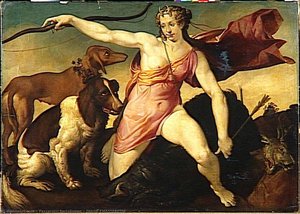
In his genre paintings, Passarotti displayed an extraordinary eye for detail and a fascination with the textures of daily existence. Works such as The Butcher's Shop (1580) serve as captivating windows into the late Renaissance world, showcasing a masterful command of warm tones and a realistic depiction of communal life. Similarly, his ability to render the divine is evident in pieces like Diane Chasseresse, where the Roman goddess of the hunt is captured with a dynamic, muscular grace that embodies the very essence of Mannerist energy. Whether depicting the quiet solitude of a Lute Player or the solemnity of religious devotion, his brushwork consistently sought to capture the fleeting tension between the ideal and the real.
Legacy and Historical Significance
While history sometimes overlooks Passarotti in favor of more revolutionary figures like Michelangelo, his importance to the evolution of Italian art is undeniable. He was a master of transition, an artist who understood how to honor the classical past while simultaneously preparing the ground for the emotional turbulence of the next century. His later works, influenced by Tuscan models such as Giorgio Vasari and Prospero Fontana, demonstrate a continuous evolution and an enduring curiosity about the changing tides of aesthetic taste.
The historical significance of Bartolomeo Passarotti lies in his role as a foundational figure for the Carracci Academy and the broader Bolognese tradition. His life’s work—a blend of meticulous anatomical study, dramatic lighting, and a profound interest in the human condition—remains a testament to the enduring power of Mannerism. Through his studio, his pupils, and his evocative canvases, Passarotti ensured that the spirit of Bologna would remain at the heart of the European artistic dialogue for generations to come.
bartolomeo passerotti
1529 - 1592

