

 Vorschau anzeigen
 Versenden
 Teilen
 Details anzeigen

 Herunterladen
 Ähnliche Objekte
 Röntgenaufnahme
 Diashow
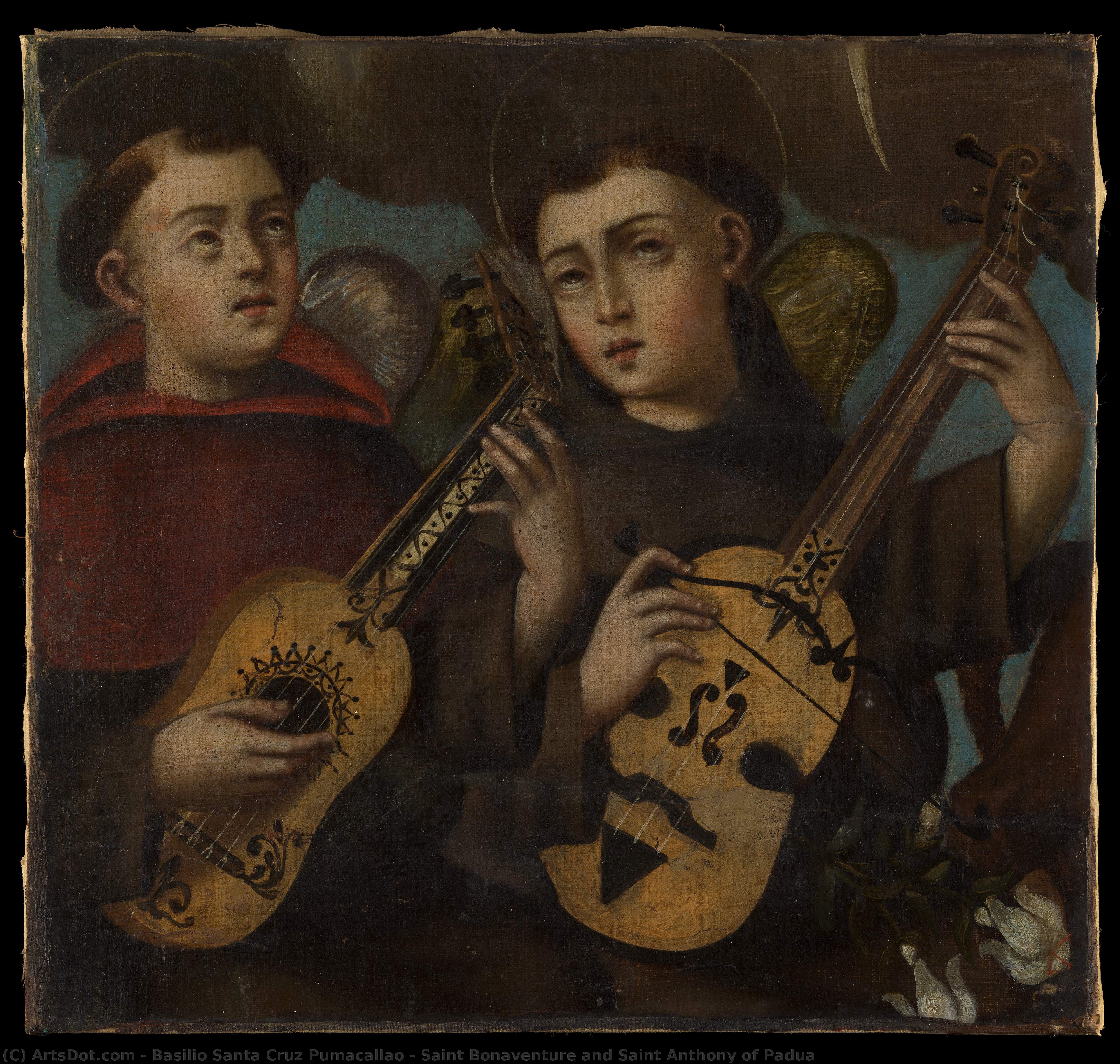
Saint Bonaventure and Saint Anthony of Padua
 Oil On Canvas
- WallArt
- Baroque
 1670
1670- Early Modern
 30.0 x 30.0 cm
 Metropolitan Museum of Art
 Weiterlesen
Giclée / Kunstdruck
Giclée- oder Leinwanddruck in Museumsqualität mit schneller Produktion und flexiblen Veredelungsoptionen. ( Handgemalte Reproduktion bestellen Bild kaufen)




P118B $10

P118H $10

P118W $10

P438Z $10

P508JH $12

P508YH $12

P805H $10

P805Z $10

P919BZ $10

P919G $10

P919XJ $10

P959ZH $10

P968JZ $12

W106C $8

W218G $10

W218JH $8

W218Y $10

W307PJ $10

W316G $10

W316PJ $8

W316Y $10

W398PJ $8

W4111J $10

W500HY $15

W500JH $15

W692G $12

W849H $8

W940BG $15

W953PJ $8




Wählen Sie aus unseren vordefinierten Formaten, die den ursprünglichen Proportionen des Kunstwerks entsprechen.

Sie können Ihre eigenen Maße eingeben, um ein bestimmtes Format oder einen speziellen Platz einzupassen. Wenn das von Ihnen gewählte Format nicht den Proportionen des Originalbildes entspricht, werden wir das Kunstwerk entweder beschneiden oder das Bild mit einem gespiegelten oder einfarbigen Rand erweitern. Ein digitaler Entwurf wird Ihnen zur Genehmigung zugesandt, bevor die Produktion beginnt.
Bitte beachten Sie, dass die Vorschau auf dem Bildschirm nicht den tatsächlichen Zuschnitt oder die Erweiterung widerspiegelt. Nur der Entwurf zeigt die endgültige Komposition präzise an.
Obwohl Sondermaße verfügbar sind, empfehlen wir die Auswahl eines Maßes aus der vordefinierten Liste, um die ursprünglichen Proportionen zu bewahren.
Weltweiter Versand () innerhalb von 2 Wochen statt der üblichen 4/5 Wochen. (4 September)

Kostenloser weltweiter Expressversand

Hochwertige Leinenleinwand

Umfassender Versicherungsschutz beim Versand

Zollgebühren-Rückerstattungsgarantie

Garantie für exakte Farbtreue

60 Tage Rückgaberecht (nur bei Mängeln)

100% Geld-zurück-Garantie

Mengenrabatt verfügbar
 Die Glasoption ist nur für Größen unter 110 cm verfügbar.

Saint Bonaventure and Saint Anthony of Padua
Giclée / Kunstdruck
Format der Reproduktion
-


Gesamtpreis
$ 62
A Celestial Duet in Gold and Shadow
In the heart of the seventeenth century, within the vibrant colonial atmosphere of Cusco, Peru, a profound spiritual melody was captured on canvas by the master Basilio Pacheco de Santa Cruz Pumacallao. His masterpiece, Saint Bonaventure and Saint Anthony of Padua, is far more than a mere religious portrait; it is a window into a world where the divine and the earthly harmonize through the language of music. The painting presents an intimate, serene encounter between two pillars of the Franciscan order, depicted in a moment of shared devotion. As Saint Bonaventure holds a vihuela de mano and Saint Anthony plays a vihuela de arco, the viewer is invited into a sacred space where the boundaries between prayer and art dissolve, creating an atmosphere of deep contemplation and peace.
The technical brilliance of Pumacallao lies in his masterful command of the Spanish Baroque aesthetic, specifically through the use of dramatic chiaroscuro. By employing intense contrasts between deep, velvety shadows and brilliant highlights, the artist breathes life into the figures, giving their forms a sculptural presence that commands attention. The palette is a rich tapestry of liturgical significance, dominated by regal reds and luminous golds that reflect the sunlight of the Andes. Every fold of the heavy drapery is rendered with meticulous care, adding a tactile depth to the saints' robes, while the stark, deep blue background serves as a celestial void, pushing the subjects forward and focusing the viewer’s gaze entirely upon their spiritual communion.
Symbolism and the Legacy of the Cusco School
Every element within this composition is steeped in theological meaning, designed to instruct and inspire the faithful. The red robes of Saint Bonaventure signify his high status as a Cardinal and Doctor of the Church, while the humble brown and black attire of Saint Anthony speaks to the Franciscan vow of poverty. The inclusion of musical instruments is not merely decorative; it symbolizes the harmony of the spheres and the idea that beauty is a direct path to the divine. For the collector or the interior designer, this piece offers a profound sense of gravity and historical weight, making it an ideal centerpiece for spaces that require an aura of sophistication, intellect, and quiet strength.
As a quintessential product of the Cusco School, this artwork represents a unique cultural synthesis—the meeting of indigenous Peruvian artistry with European Baroque traditions. Commissioned originally for the Convent of San Francisco in Santiago de Chile, the painting carries with it the echoes of colonial devotion and the enduring legacy of the Inca-descended masters. To possess a reproduction of such a work is to bring a piece of history into the modern home, offering an evocative focal point that transcends time, inviting anyone who gazes upon it to pause, reflect, and listen to the silent music of the saints.
Ähnliche Kunstwerke





Über den Künstler
Frühes Leben und Ausbildung
Basilio Pacheco de Santa Cruz Pumacallao, ein renommierter peruanischer Maler, wurde 1635 in Cusco, Peru, geboren. Als bedeutendes Mitglied der Cusco-Schule, einer kolonialen Bewegung indigener Maler, wurde er in der barocken Tradition der spanischen religiösen Malerei ausgebildet.Künstlerischer Stil und bedeutende Werke
Das künstlerische Schaffen von Pacheco de Santa Cruz Pumacallao zeichnet sich durch einen dramatischen und emotionalen Stil, satte Farben, intensives Licht und tiefe Schatten aus. Seine Gemälde rufen ein tiefes Gefühl von Leidenschaft und Emotion hervor und spiegeln eindrucksvoll den Einfluss der Barockbewegung wider.- Öl auf Leinwand war sein bevorzugtes Medium, mit dem er Meisterwerke schuf, die Künstler bis heute inspirieren.
- Sein Werk ist Teil der Kunstsammlung der Syracuse University, was seine Bedeutung in der Kunstwelt unterstreicht. /de/art/show/art-d3bb8p-de/
- Auch das Butler Institute of American Art hat seine Arbeiten präsentiert und damit seinen Einfluss auf die amerikanische Kunst hervorgehoben. (https://ArtsDot.com/@@/d26s72-the-butler-institute-of-american-art-(united-states))
Vermächtnis und Einfluss
Die Beiträge von Pacheco de Santa Cruz Pumacallao zur peruanischen Kunstszene sind unbestreitbar. Sein Werk hat Generationen von Künstlern beeinflusst, darunter Luz Negib Torres, eine peruanische Malerin, die für ihre abstrakten und figurativen Formen bekannt ist. (https://ArtsDot.com/@/luz-negib-torres) Als Schlüsselfigur der Cusco-Schule werden die Gemälde von Pacheco de Santa Cruz Pumacallao weiterhin für ihre emotionale Tiefe und technische Meisterschaft gefeiert. Sein Vermächtnis dient als Zeugnis für die beständige Kraft der Barockkunst.Wichtige Daten
- 1635: Geboren in Cusco, Peru
- 1710: Verstorben, wobei er ein reiches künstlerisches Erbe hinterließ
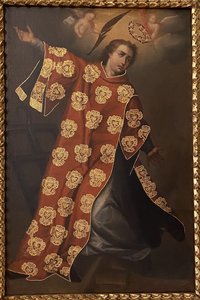
Basilio Pacheco De Santa Cruz Pumacallao
1635 - 1710 , Peru
Kurzinfos
- Artistic Movement Or Style: Barock-Grafiker
- Artists Or Movements Influenced By This Artist: ['Rembrandt']
- Artists Who Influenced This Artist: ['Philippe Thomassin']
- Date Of Death: 1635
- Full Name: Jacques Callot
- Nationality: Französisch
- Notable Artworks:
- Der Triumph des Pan
- Der Triumph des Bacchus
- Place Of Birth: Nancy, Frankreich
Ähnliche Artikel

Giclée Prints: Archival Quality & Aesthetic Nuances for the Discerning Collector
Explore the world of giclée prints with ArtsDot. Learn about archival quality, aesthetic nuances & investment potential. Expert guidance for discerning art collectors seeking museum-quality reproductions and lasting value.

The Dramatic Flourish: Exploring the Baroque Movement's Enduring Legacy in Art History
Explore the dramatic world of Baroque art! Discover iconic artists like Caravaggio & Rubens, defining techniques, and its lasting impact on art history. Expert insights for collectors & enthusiasts at ArtsDot.

Barock Meisterwerke: Die 10 prägendsten Kunstwerke für Ihr Zuhause |
Entdecken Sie die 10 prägendsten Meisterwerke des Barock! Caravaggio, Rembrandt & Co. – Erfahren Sie die Geschichten hinter ikonischen Gemälde und finden Sie hochwertige Kunst Reproduktionen für Ihr Zuhause auf .

The Visceral Stage: Exploring Dramatic Narratives & Emotional Intensity in Baroque Art
Explore the dramatic world of Baroque art! Discover iconic masters like Caravaggio & Rembrandt, their techniques, and the movement's lasting impact. Expert insights for collectors & enthusiasts at ArtsDot.

The Enduring Legacy of Fine Art Prints: Technique, History & Aesthetic Impact
Explore the rich history & techniques of fine art prints. Discover investment potential, assess authenticity, and learn how to preserve your collection with expert guidance. Trusted insights for discerning collectors.

