

 Vorschau anzeigen
 Versenden
 Teilen
 Details anzeigen

 Herunterladen
 Ähnliche Objekte
 Röntgenaufnahme
 Diashow
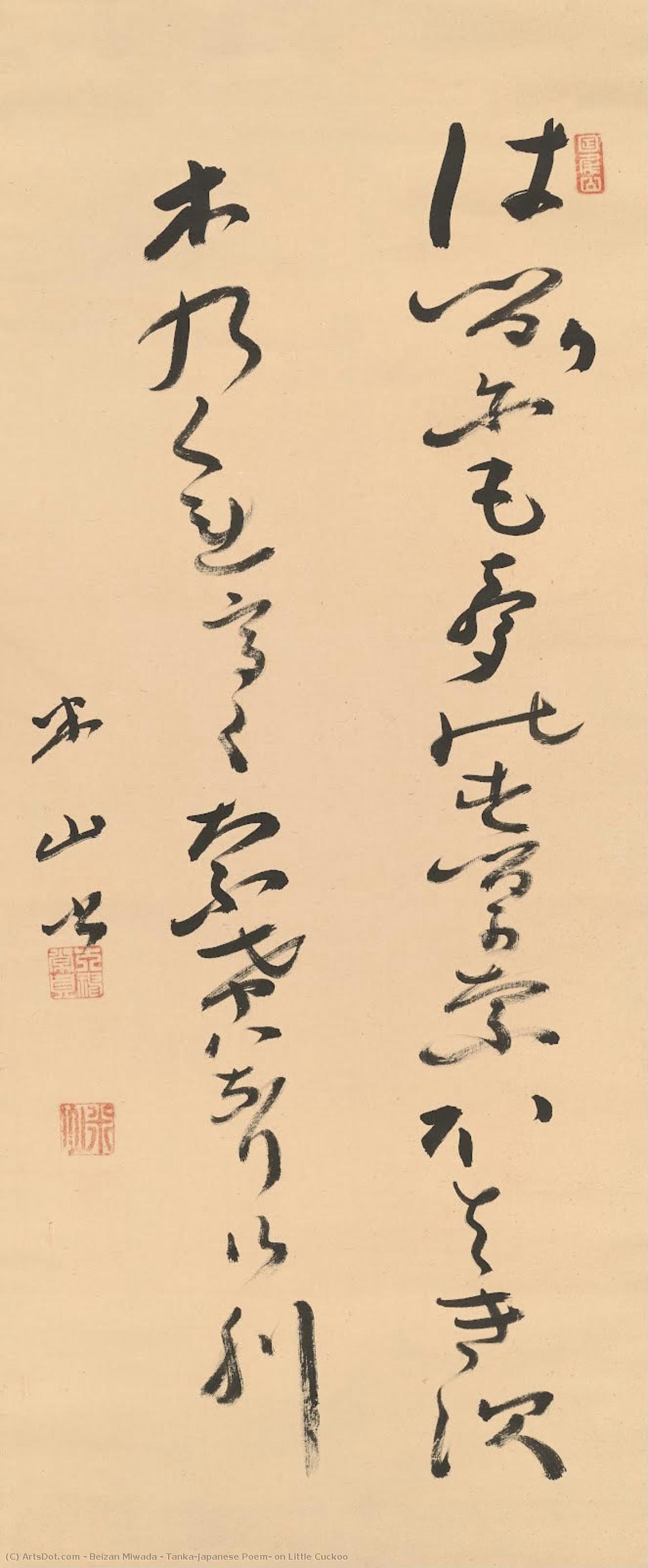
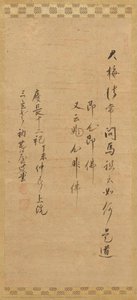
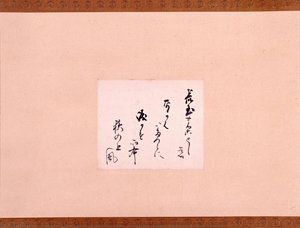
Tanka(Japanese Poem) on Little Cuckoo
 Other
Other 121.0 x 51.0 cm
 Weiterlesen
Handgefertigte Ölreproduktion
Handgemaltes Ölgemälde auf Leinwand in Ihrer Wunschgröße und mit Rahmen, auf Bestellung von unseren Künstlern angefertigt. ( Druck bestellen Bild kaufen)




P118B $10

P118H $10

P118W $10

P438Z $10

P508JH $12

P508YH $12

P805H $10

P805Z $10

P919BZ $10

P919G $10

P919XJ $10

P959ZH $10

P968JZ $12

W106C $8

W218G $10

W218JH $8

W218Y $10

W307PJ $10

W316G $10

W316PJ $8

W316Y $10

W398PJ $8

W4111J $10

W500HY $15

W500JH $15

W692G $12

W849H $8

W940BG $15

W953PJ $8




Wählen Sie aus unseren vordefinierten Formaten, die den ursprünglichen Proportionen des Kunstwerks entsprechen.

Sie können Ihre eigenen Maße eingeben, um einen bestimmten Rahmen oder Platz auszufüllen. Wenn die gewählte Größe nicht den Proportionen des Originalbildes entspricht, werden wir das Kunstwerk entweder beschneiden oder das Gemälde durch zusätzliche, handgemalte Elemente erweitern. Ein digitales Mockup wird Ihnen zur Genehmigung zugesandt, bevor die Produktion beginnt.
Bitte beachten Sie, dass die Bildschirmvorschau nicht die tatsächliche Beschneidung oder Erweiterung widerspiegelt. Nur das Mockup zeigt die endgültige Komposition exakt an.
Obwohl Sondermaße verfügbar sind, empfehlen wir, eine Größe aus der vordefinierten Liste zu wählen, um die ursprünglichen Proportionen beizubehalten.
Nach der Bestellung wird das ArtsDot.com-Team dem Kunden Anweisungen per E-Mail zusenden und eine Mockup-Vorschau bereitstellen.
Weltweiter Versand () in nur 3 bis 4 Wochen statt der üblichen 5 Wochen. (26 August). Keine Kompromisse bei der Qualität.

Kostenloser weltweiter Expressversand

Hochwertige Leinenleinwand

Umfassender Versicherungsschutz beim Versand

Zollgebühren-Rückerstattungsgarantie

Garantie für exakte Farbtreue

60 Tage Rückgaberecht (nur bei Mängeln)

100% Geld-zurück-Garantie

Mengenrabatt verfügbar
 Die Glasoption ist nur für Größen unter 110 cm verfügbar.

Tanka(Japanese Poem) on Little Cuckoo
Art der Reproduktion
Format der Reproduktion
-


Gesamtpreis
$ 263
Ähnliche Kunstwerke
Über den Künstler
Beizan Miwada: A Legacy of Calligraphy and Shinto Spirit
Beizan Miwada (born unknown, Japan) stands as a singular figure in late 19th and early 20th century Japanese art, primarily recognized for his masterful calligraphy and profound engagement with Shinto beliefs. Though biographical details remain scarce—his birthdate and family history are largely undocumented—his artistic output speaks volumes about the aesthetic sensibilities of his era and continues to resonate with collectors and scholars alike. Miwada’s contribution extends beyond mere artistic creation; he played a pivotal role in shaping the visual identity of Tsukushima Shrine, arguably Japan's most iconic pilgrimage site.Early Life and Artistic Training
Information regarding Miwada’s formative years is fragmentary. He emerged from obscurity to become a respected Shinto priest and calligrapher, suggesting a disciplined upbringing steeped in traditional Japanese culture. Precise details about his formal education are elusive, but it's understood that he honed his skills under the tutelage of prominent masters—a common practice during this period—absorbing techniques and philosophies that would inform his subsequent artistic endeavors. This dedication to craftsmanship underscores the importance of lineage and apprenticeship within Japanese artistic traditions.The ‘Fukurokujyu’ Scrolls: A Symbol of Prosperity
Miwada's fame rests principally upon his creation of “Fuku, from a set of three hanging scrolls ‘Fukurokujyu(Happiness, Salary and Longevity),’” a monumental work embodying the core tenets of Shinto cosmology. These scrolls—measuring 121x51 cm—represent more than just aesthetically pleasing compositions; they are imbued with symbolic significance designed to invoke blessings for good fortune, financial stability, and extended life – aspirations deeply rooted in Japanese cultural values. The meticulous brushstrokes and careful arrangement of characters reflect a profound understanding of calligraphy’s ability to communicate spiritual essence.Inscription on Tsukushima Shrine Pillars: A Momentary Reflection
Perhaps Miwada's most enduring legacy lies in his involvement with Tsukushima Shrine, where he inscribed the characters “nenpojinraku”(人並みにして良長)—meaning "people delight in a rich harvest"—on the shrine’s pillars. This act solidified Miwada’s reputation as a cultural custodian and cemented his place within Japan's artistic canon. The inscription itself serves as a poignant reminder of humanity’s connection to nature and its pursuit of harmonious existence – themes central to Shinto spirituality and reflected in Miwada’s broader artistic vision.Auction Records and Artistic Style
Beizan Miwada’s works have achieved considerable recognition within the art market, garnering bids ranging from $462 to $774 at auction houses internationally. This demonstrates not only the enduring appeal of his calligraphy but also its ability to transcend geographical boundaries. His style is characterized by a serene elegance—a hallmark of Zen Buddhism and Shinto aesthetics—marked by balanced compositions and understated tonal variations. Miwada’s meticulous attention to detail speaks to an unwavering commitment to preserving traditional artistic conventions while simultaneously expressing profound spiritual contemplation.Conclusion: An Artist Embodied in Tradition
Beizan Miwada's contribution to Japanese art is undeniable, securing his place as a pivotal figure in the late nineteenth and early twentieth centuries. His calligraphy—particularly the ‘Fukurokujyu’ scrolls—continues to inspire admiration for its beauty and symbolic depth, while his involvement with Tsukushima Shrine underscores his role as a champion of Shinto beliefs. Miwada's legacy serves as an exemplar of artistic integrity and spiritual devotion—a testament to the transformative power of art to encapsulate cultural values and endure across generations.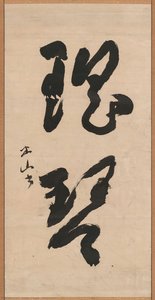
beizan miwada
Japan
Kurzinfos
- Artistic Movement Or Style: Calligraphy
- Date Of Death: Before 1905
- Full Name: Beizan Miwada
- Nationality: Japanese
- Notable Artworks: ['Fuku, from a set of three hanging scrolls ‘Fukurokujyu(Happiness, Salary and Longevity)’']
- Place Of Birth: Japan
Ähnliche Artikel
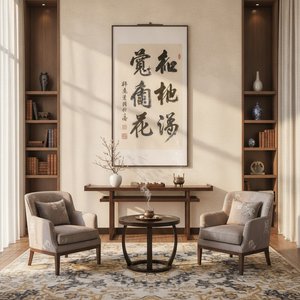
Timeless Elegance: Discovering the Soulful Beauty of Chinese Calligraphy for Sophisticated Home Interiors
Elevate your home with the serene beauty of Chinese calligraphy art. Explore our collection of hand-painted ink wash reproductions and bespoke commissions at ArtsDot.com. Discover museum-quality pieces designed to bring cultural elegance and tranquility to your modern interior.
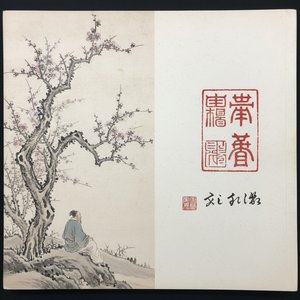
Xie Zhiliu: A Legacy of Ink Wash Painting & Modern Chinese Literati Tradition
Explore the legacy of Xie Zhiliu, a master of Chinese ink wash painting & prominent figure in modern art. Discover his techniques, influences, and contributions to literati tradition. A guide for discerning collectors.
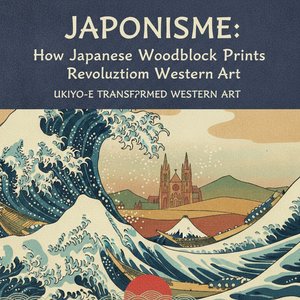
Japonisme: How Japanese Woodblock Prints Revolutionized Western Art
Explore the profound impact of Japonisme on Western art. Discover how Japanese ukiyo-e woodblock prints revolutionized perspective, color, and composition for masters like Monet and Van Gogh, forever changing the course of modern art history.
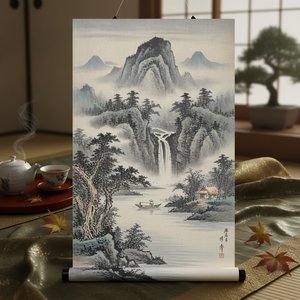
Serenity on Canvas: A Guide to the Timeless Beauty of Japanese Landscape Painting
Discover the serene beauty of Japanese landscape painting. From Hokusai's iconic woodblock prints to meditative sumi-e ink washes, explore a visual journey through the 'floating world' and learn how to bring this timeless Zen aesthetic into your modern home decor.

Katsushika Hokusai: Die 25 Meisterwerke des Ukiyo-e – Kunst für Ihr Zuhause | ArtsDot
Entdecken Sie die 25 Meisterwerke von Katsushika Hokusai! Tauchen Sie ein in die Welt des Ukiyo-e, berühmte Holzschnitte wie 'Die große Welle' & Fuji-Ansichten. Hochwertige Kunstdrucke für Ihr Zuhause – jetzt auf ArtsDot.com!

