

 Vorschau anzeigen
 Versenden
 Teilen
 Details anzeigen

 Herunterladen
 Ähnliche Objekte
 Röntgenaufnahme
 Diashow
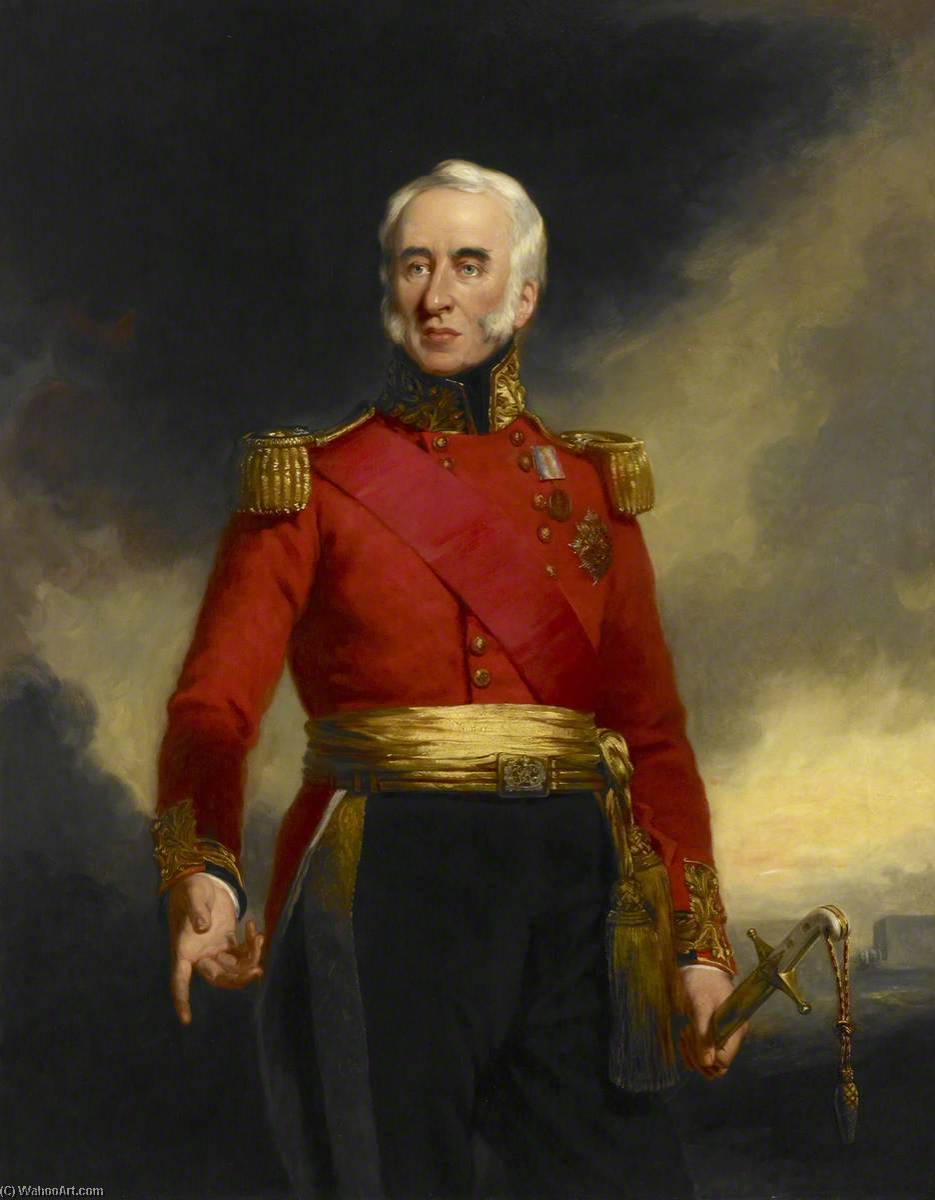
Major General Sir William Nott (1782–1845)
 1844
1844 142.0 x 112.0 cm
 British Library
 Weiterlesen
Handgefertigte Ölreproduktion
Handgemaltes Ölgemälde auf Leinwand in Ihrer Wunschgröße und mit Rahmen, auf Bestellung von unseren Künstlern angefertigt. ( Druck bestellen Bild kaufen)




































Wählen Sie aus unseren vordefinierten Formaten, die den ursprünglichen Proportionen des Kunstwerks entsprechen.

Sie können Ihre eigenen Maße eingeben, um einen bestimmten Rahmen oder Platz auszufüllen. Wenn die gewählte Größe nicht den Proportionen des Originalbildes entspricht, werden wir das Kunstwerk entweder beschneiden oder das Gemälde durch zusätzliche, handgemalte Elemente erweitern. Ein digitales Mockup wird Ihnen zur Genehmigung zugesandt, bevor die Produktion beginnt.
Bitte beachten Sie, dass die Bildschirmvorschau nicht die tatsächliche Beschneidung oder Erweiterung widerspiegelt. Nur das Mockup zeigt die endgültige Komposition exakt an.
Obwohl Sondermaße verfügbar sind, empfehlen wir, eine Größe aus der vordefinierten Liste zu wählen, um die ursprünglichen Proportionen beizubehalten.
Nach der Bestellung wird das ArtsDot.com-Team dem Kunden Anweisungen per E-Mail zusenden und eine Mockup-Vorschau bereitstellen.
Weltweiter Versand () in nur 3 bis 4 Wochen statt der üblichen 5 Wochen. (23 August). Keine Kompromisse bei der Qualität.

Kostenloser weltweiter Expressversand

Hochwertige Leinenleinwand

Umfassender Versicherungsschutz beim Versand

Zollgebühren-Rückerstattungsgarantie

Garantie für exakte Farbtreue

60 Tage Rückgaberecht (nur bei Mängeln)

100% Geld-zurück-Garantie

Mengenrabatt verfügbar
 Die Glasoption ist nur für Größen unter 110 cm verfügbar.

Major General Sir William Nott (1782–1845)
Art der Reproduktion
Format der Reproduktion
-


Gesamtpreis
$ 263
Ähnliche Kunstwerke










Über den Künstler
The Quiet Observer: The Life and Legacy of Benjamin Rawlinson Faulkner
In the annals of nineteenth-century British portraiture, few names evoke as much quiet reverence as Benjamin Rawlinson Faulkner. Born in Manchester in 1787 to William and Eliza Faulkner, his journey toward artistic mastery was not one of early academic training, but rather a profound transformation born from hardship. Before he ever held a brush with professional intent, Faulkner was a man of commerce, representing a significant mercantile firm in the sun-drenched outpost of Gibraltar. It was there, amidst the harrowing shadows of a plague outbreak within the garrison, that his life took an irreversible turn. The physical toll of the disease forced him back to England around 1813, and it was during this period of convalescence that a latent, dormant talent for drawing began to stir.
This unexpected awakening was nurtured by the steady hand of his brother, Joshua Wilson Faulkner, an artist of notable merit. Under his brother's guidance, Benjamin embarked on a rigorous and disciplined apprenticeship with himself, dedicating upwards of two years to the intense study of classical sculpture and the foundational principles of the antique. This period of solitary, academic devotion instilled in him a technical precision that would become the hallmark of his later work. When he eventually migrated to the vibrant, competitive artistic landscape of London, he brought with him a meticulousness forged in the crucible of classical study, setting the stage for a career defined by an unwavering commitment to realism and character.
A Master of Character and Detail
Though Faulkner’s temperament was famously diffident and retiring—a modesty that perhaps prevented him from achieving the widespread celebrity enjoyed by his more boisterous contemporaries in London—his technical prowess was undeniable. He possessed a rare ability to look beyond the mere surface of a sitter, using oil on canvas to capture not just a physical likeness, but an intellectual and spiritual depth. His brushwork, characterized by rich textures and a masterful command of light and shadow, allowed him to breathe life into his subjects, imbuing them with a sense of dignity and permanence.
His repertoire was primarily focused on the portrait, yet he occasionally turned his gaze toward the delicate studies of natural objects, demonstrating a versatile sensitivity to the world around him. His most significant contributions to the art world are perhaps best seen in his depictions of the intellectual giants of his era. Notable works include:
- John Dalton, F.R.S.: A portrait that captures the essence of the pioneering chemist, reflecting the scientific rigor of the age.
- John McCulloch: An evocative rendering of the renowned geologist, showcasing Faulkner's ability to convey intellectual weight.
- William Nield: A stunning 1849 masterpiece currently housed in Manchester Town Hall, where the subject is depicted in formal attire with an elegance that exemplifies Faulkner's skill in capturing social sophistication.
- Charles Lloyd: A dramatic portrait of a clergyman, utilizing dark tones and rich textures to evoke a sense of solemnity and historical gravity.
Historical Significance and Enduring Presence
Faulkner’s career was marked by consistent participation in the most prestigious exhibition circuits of his time. From his debut at the Royal Academy in 1821, where he presented two compelling canvases, to his regular contributions to the British Institution, the Suffolk Street Gallery, and the Liverpool Academy, he remained a steadfast presence in the British art scene. While London provided him with a platform, it was his native Manchester that truly embraced his genius. His best works remain anchored in the North, preserved in collections such as the Royal Society in London and various Manchester institutions, serving as a visual record of the region's prominent figures.
The passing of Benjamin Rawlinson Faulkner in 1849 marked the end of a life that had transitioned from the mercantile world to the heights of classical artistry. He left behind a legacy of understated excellence—a body of work that does not shout for attention but commands it through sheer, quiet brilliance. Through his portraits, we are granted a window into the Victorian soul, seeing the faces of history rendered with a level of care and profound observation that continues to resonate with art lovers today.
benjamin rawlinson faulkner
1787 - 1849
Kurzinfos
- Artistic Movement Or Style: Romanticism
- Artists Or Movements Influenced By This Artist: ['Romantic Art']
- Artists Who Influenced This Artist: ['Joshua Wilson Faulkner']
- Date Of Birth: 1787
- Date Of Death: 1849
- Full Name: Benjamin Rawlinson Faulkner
- Nationality: English
- Notable Artworks:
- John Dalton Portrait
- Portrait of John MacCulloch
- Charles Lloyd Portrait
- Place Of Birth: Manchester, England

