

 Vorschau anzeigen
 Versenden
 Teilen
 Details anzeigen

 Herunterladen
 Ähnliche Objekte
 Röntgenaufnahme
 Diashow
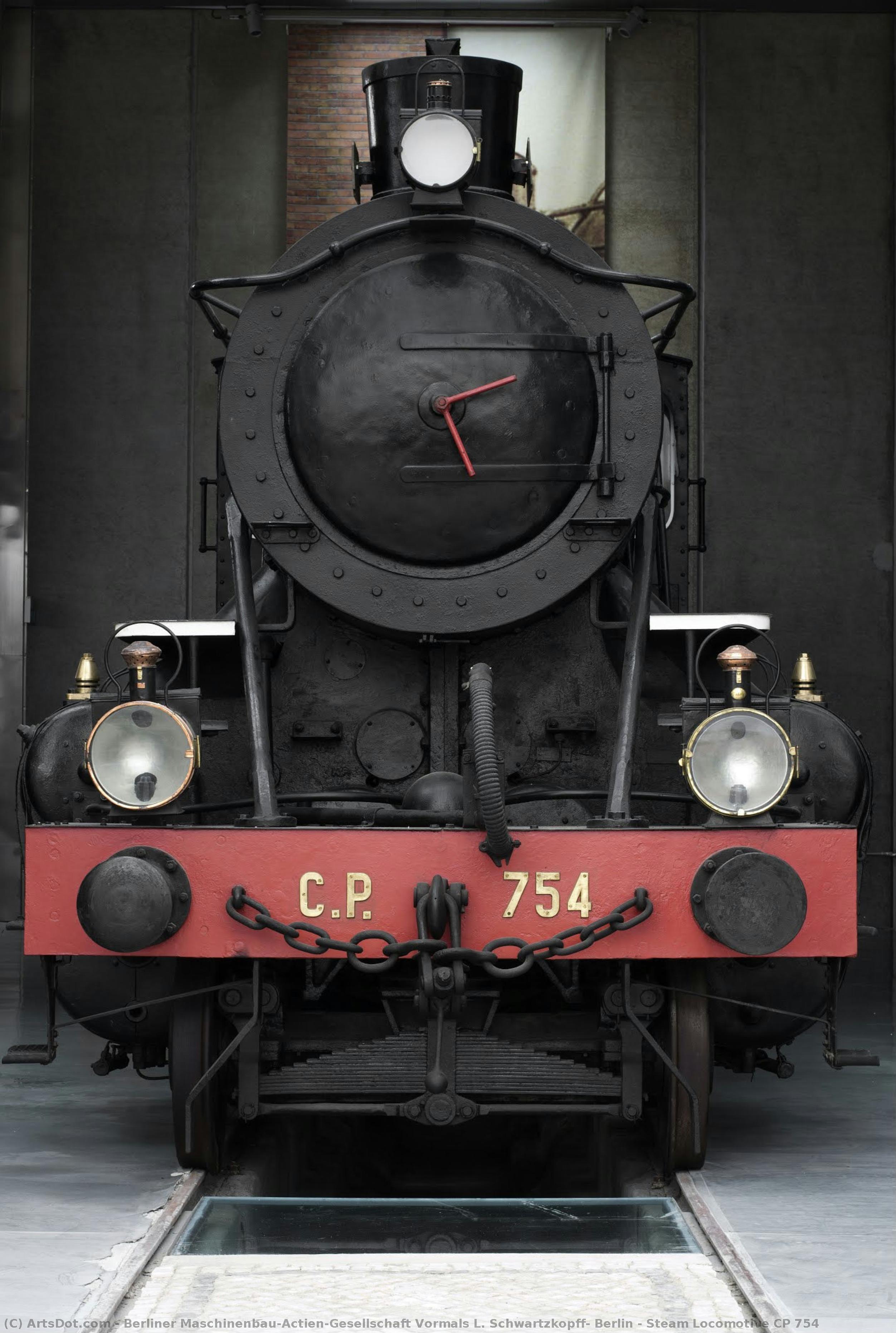
Steam Locomotive CP 754


 Weiterlesen
Handgefertigte Ölreproduktion
Handgemaltes Ölgemälde auf Leinwand in Ihrer Wunschgröße und mit Rahmen, auf Bestellung von unseren Künstlern angefertigt. ( Druck bestellen Bild kaufen)




































Wählen Sie aus unseren vordefinierten Formaten, die den ursprünglichen Proportionen des Kunstwerks entsprechen.

Sie können Ihre eigenen Maße eingeben, um einen bestimmten Rahmen oder Platz auszufüllen. Wenn die gewählte Größe nicht den Proportionen des Originalbildes entspricht, werden wir das Kunstwerk entweder beschneiden oder das Gemälde durch zusätzliche, handgemalte Elemente erweitern. Ein digitales Mockup wird Ihnen zur Genehmigung zugesandt, bevor die Produktion beginnt.
Bitte beachten Sie, dass die Bildschirmvorschau nicht die tatsächliche Beschneidung oder Erweiterung widerspiegelt. Nur das Mockup zeigt die endgültige Komposition exakt an.
Obwohl Sondermaße verfügbar sind, empfehlen wir, eine Größe aus der vordefinierten Liste zu wählen, um die ursprünglichen Proportionen beizubehalten.
Nach der Bestellung wird das ArtsDot.com-Team dem Kunden Anweisungen per E-Mail zusenden und eine Mockup-Vorschau bereitstellen.
Weltweiter Versand () in nur 3 bis 4 Wochen statt der üblichen 5 Wochen. (31 August). Keine Kompromisse bei der Qualität.

Kostenloser weltweiter Expressversand

Hochwertige Leinenleinwand

Umfassender Versicherungsschutz beim Versand

Zollgebühren-Rückerstattungsgarantie

Garantie für exakte Farbtreue

60 Tage Rückgaberecht (nur bei Mängeln)

100% Geld-zurück-Garantie

Mengenrabatt verfügbar
 Die Glasoption ist nur für Größen unter 110 cm verfügbar.

Steam Locomotive CP 754
Art der Reproduktion
Format der Reproduktion
-


Gesamtpreis
$ 263
Ähnliche Kunstwerke


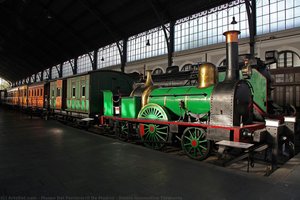

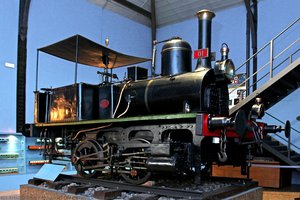
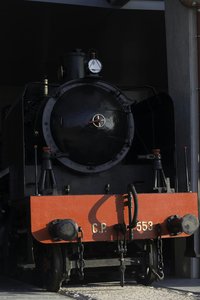
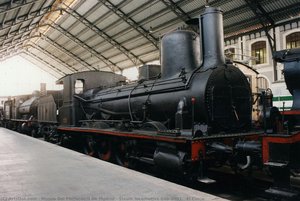
Über den Künstler
Berliner Maschinenbau: Engineering Legacy of a German Industrial Pioneer
Berliner Maschinenbau AG, formerly L. Schwartzkopff, stands as a testament to Germany’s industrial prowess during the late 19th and early 20th centuries—a manufacturer not merely of locomotives but of an entire ethos of precision engineering and innovation. Founded in Berlin by Louis Victor Robert Schwartzkopff on October 3, 1852, the company began humbly as Eisengießerei und Maschinen-Fabrik von L. Schwartzkopff, quickly establishing itself as a vital contributor to the burgeoning railway industry. Its early years were marked by resilience—a devastating fire in 1860 spurred expansion and fueled ambitious projects aimed at bolstering Germany’s transportation infrastructure. This formative experience instilled within the firm a determination to overcome obstacles and pursue groundbreaking advancements, shaping its trajectory for decades to come.Early Locomotive Production: The Schwartzkopff Firm's Inaugural Triumph
The Schwartzkopff firm’s reputation solidified with the delivery of its inaugural locomotive, CP 754, on February 1, 1867—a pivotal moment demonstrating their commitment to technological advancement and securing a foothold in the competitive locomotive market. This locomotive wasn't simply a machine; it represented the culmination of meticulous design calculations and skillful craftsmanship – embodying the spirit of German engineering excellence. Its success underscored Schwartzkopff’s dedication to mastering new technologies and establishing itself as a leader within its field, cementing its place in railway history. The CP 754 remains an iconic symbol of Berliner Maschinenbau's pioneering achievements.Innovation Through Bogie Design: Eckhardt's Revolutionary Breakthrough
Friedrich Wilhelm Eckhardt’s groundbreaking Schwartzkopff-Eckhardt bogie revolutionized locomotive stability and performance. This ingenious design, adopted by DRG Class 84 locomotives, exemplifies the firm’s dedication to improving railway engineering through meticulous research and development. Prior to Eckhardt's innovation, locomotive carriages were notoriously unstable, making long journeys perilous. His innovative solution dramatically reduced swaying motion, enhancing passenger comfort and boosting overall operational efficiency—a testament to the transformative power of scientific inquiry and inventive problem-solving. The Schwartzkopff-Eckhardt bogie continues to be studied as a cornerstone of locomotive design principles.Expansion & Strategic Partnerships: Maffei's Alliance for Electric Innovation
Recognizing the importance of collaboration, Berliner Maschinenbau forged a strategic alliance with Maffei in 1897, creating Maffei-Schwartzkopff Werke GmbH—a venture that propelled the company’s growth into electric locomotive production and solidified its position as a leader in German industrial innovation. This partnership brought together complementary expertise – Schwartzkopff's mastery of traditional locomotive construction combined with Maffei’s pioneering advancements in electrical engineering. Together, they tackled the challenges of harnessing electricity to power locomotives, ushering in a new era of railway transport and demonstrating the benefits of synergistic collaboration within the industrial landscape.From Linotype Machines to Diesel Engines: A Multifaceted Industrial Legacy
Beyond locomotive construction, Berliner Maschinenbau pioneered the manufacture of linotype machines for Mergenthaler, furthering advancements in printing technology. This diversification showcased Schwartzkopff’s adaptability and willingness to explore new frontiers—a characteristic that would prove invaluable throughout its history. Furthermore, the firm's foray into diesel locomotive production in 1924 reflected Germany’s evolving industrial priorities and cemented its role as a driving force behind technological progress. The enduring legacy of Berliner Maschinenbau extends far beyond railways, representing a broader commitment to innovation across multiple sectors of German industry.A Symbol of Wartime Resilience & Postwar Reconstruction
The Second World War brought immense hardship—factory halls succumbed to destruction during the bombing raids, and the company ceased operations in 1945, marking a poignant end to an era of German industrial excellence. Despite this devastating setback, Berliner Maschinenbau’s spirit endured, fueled by the determination to rebuild its facilities and resume production after the war. The resumption of locomotive manufacturing in 1961 symbolized Germany's recovery from wartime devastation—a testament to resilience, perseverance, and the unwavering belief in the future of German engineering. Berliner Maschinenbau’s story serves as an inspiring illustration of how innovation can persevere through adversity and contribute to national renewal.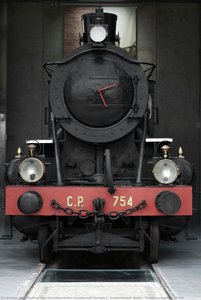
Berliner Maschinenbau AG
1851 - 1945 , Deutschland
Kurzinfos
- Artistic Movement Or Style: Industrieart
- Artists Or Movements Influenced By This Artist: ['Locomotive Artwork']
- Artists Who Influenced This Artist: ['Krauss-Helmholtz']
- Date Of Birth: 1851
- Full Name: Berliner Maschinenbau-Actien-Gesellschaft vormals L. Schwartzkopff
- Nationality: Deutsch
- Notable Artworks: ['Lokomotiv CP 754']
- Place Of Birth: Berlin, Deutschland

