 Vorschau anzeigen
 Versenden
 Teilen
 Details anzeigen

 Herunterladen
 Ähnliche Objekte
 Röntgenaufnahme
 Diashow
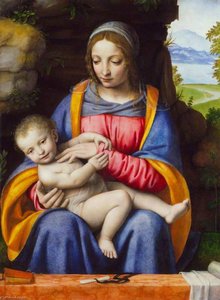
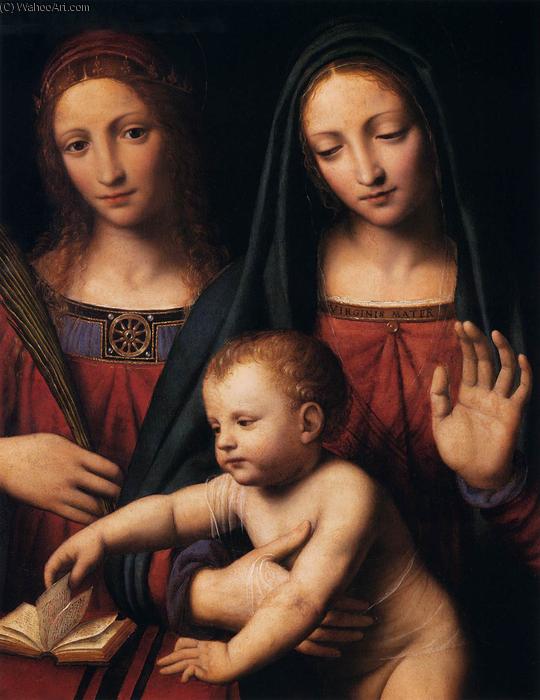
Madonna and Child with Sts Catherine and Barbara (detail)


 Weiterlesen
Giclée / Kunstdruck
Giclée- oder Leinwanddruck in Museumsqualität mit schneller Produktion und flexiblen Veredelungsoptionen. ( Handgemalte Reproduktion bestellen Bild kaufen)




P118B $10

P118H $10

P118W $10

P438Z $10

P508JH $12

P508YH $12

P805H $10

P805Z $10

P919BZ $10

P919G $10

P919XJ $10

P959ZH $10

P968JZ $12

W106C $8

W218G $10

W218JH $8

W218Y $10

W307PJ $10

W316G $10

W316PJ $8

W316Y $10

W398PJ $8

W4111J $10

W500HY $15

W500JH $15

W692G $12

W849H $8

W940BG $15

W953PJ $8




Wählen Sie aus unseren vordefinierten Formaten, die den ursprünglichen Proportionen des Kunstwerks entsprechen.

Sie können Ihre eigenen Maße eingeben, um ein bestimmtes Format oder einen speziellen Platz einzupassen. Wenn das von Ihnen gewählte Format nicht den Proportionen des Originalbildes entspricht, werden wir das Kunstwerk entweder beschneiden oder das Bild mit einem gespiegelten oder einfarbigen Rand erweitern. Ein digitaler Entwurf wird Ihnen zur Genehmigung zugesandt, bevor die Produktion beginnt.
Bitte beachten Sie, dass die Vorschau auf dem Bildschirm nicht den tatsächlichen Zuschnitt oder die Erweiterung widerspiegelt. Nur der Entwurf zeigt die endgültige Komposition präzise an.
Obwohl Sondermaße verfügbar sind, empfehlen wir die Auswahl eines Maßes aus der vordefinierten Liste, um die ursprünglichen Proportionen zu bewahren.
Weltweiter Versand () innerhalb von 2 Wochen statt der üblichen 4/5 Wochen. (24 August)

Kostenloser weltweiter Expressversand

Hochwertige Leinenleinwand

Umfassender Versicherungsschutz beim Versand

Zollgebühren-Rückerstattungsgarantie

Garantie für exakte Farbtreue

60 Tage Rückgaberecht (nur bei Mängeln)

100% Geld-zurück-Garantie

Mengenrabatt verfügbar
 Die Glasoption ist nur für Größen unter 110 cm verfügbar.

Madonna and Child with Sts Catherine and Barbara (detail)
Giclée / Kunstdruck
Format der Reproduktion
-


Gesamtpreis
$ 62
Sammlerstück-Beschreibung
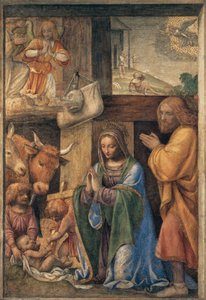
Bernardino Luini’s Madonna and Child with Saints Catherine and Barbara: A Window into Renaissance Devotion
The world of Bernardino Luini, a Lombard painter working in the shadow of Leonardo da Vinci during the High Renaissance, is one of profound serenity and understated beauty. His works aren't characterized by dramatic gestures or flamboyant displays; instead, they offer a quiet intimacy, a sense of timeless contemplation that has captivated viewers for centuries. Among his most cherished compositions stands “Madonna and Child with Saints Catherine and Barbara,” a painting brimming with devotional significance and technical mastery – a piece that invites us to step into the heart of 16th-century Italian piety.
Painted around 1522-1525, this oil on panel depicts a scene steeped in Christian iconography. At its core is the Virgin Mary, cradling the infant Jesus with an expression of gentle tenderness. Surrounding them are two prominent saints: Catherine of Alexandria, known for her wisdom and martyrdom, and Barbara, famed for her unwavering faith and sacrifice. The composition isn’t overly complex; Luini eschews dramatic diagonals or elaborate architectural settings in favor of a balanced, almost stage-like arrangement that draws the eye directly to the central figures. Notice how Mary's robes flow with an elegant grace, subtly suggesting movement and life, while the saints are depicted with a dignified composure, their garments rich in color and texture.
The Language of Symbolism
Luini’s genius lies not just in his technical skill but also in his profound understanding of symbolism. Each element within this painting carries layers of meaning, inviting viewers to engage in a deeper level of interpretation. The inclusion of Catherine and Barbara speaks volumes about the importance of female sanctity during that era – both were revered as models of virtue and unwavering faith. Catherine’s halo is particularly prominent, emphasizing her intellectual prowess, while Barbara's palm branch symbolizes her martyrdom. The presence of these saints alongside Mary underscores the concept of the Virgin as a protector and intercessor for humanity.
Beyond the individual figures, observe the details within the background. The simple architectural setting – reminiscent of a modest domestic space – suggests that this scene is meant to be viewed as a representation of everyday piety. The inclusion of a chair on the left hints at the nurturing role of Mary and the importance of family life within the Christian faith. Even the muted color palette, dominated by earth tones and rich reds, contributes to the painting’s overall atmosphere of solemnity and reverence.
A Masterclass in Technique
Luini's style is instantly recognizable – a unique blend of realism and idealized beauty. His figures possess an almost sculpted quality, their features rendered with remarkable precision and attention to detail. He was known for his elongated eyes, a characteristic that lends a certain expressiveness to his portraits, even in this devotional context. The artist’s use of *sfumato*, the subtle blurring of lines and edges, creates a sense of atmospheric depth and softens the overall image, contributing to its dreamlike quality.
Notably, Luini's work was often influenced by Leonardo da Vinci, particularly in his approach to capturing human anatomy and emotion. However, Luini’s style is distinct from Leonardo’s – more grounded, less overtly theatrical. He prioritized a sense of quiet contemplation over dramatic spectacle, resulting in paintings that are both deeply moving and profoundly serene.
Rediscovering the Quiet Power of Devotion
“Madonna and Child with Saints Catherine and Barbara” offers a poignant glimpse into the spiritual landscape of Renaissance Italy. It’s a testament to Luini's extraordinary talent and his ability to imbue religious imagery with an unparalleled sense of humanity. Today, reproductions of this masterpiece continue to resonate with viewers, reminding us of the enduring power of faith, family, and artistic beauty. Whether you are an art enthusiast, a collector seeking a timeless addition to your collection, or simply someone drawn to the quiet grace of Renaissance art, Luini’s Madonna remains a truly captivating work – a window into a world where devotion is expressed not through grand gestures but through the gentle embrace of mother and child.
Ähnliche Kunstwerke
Über den Künstler
Frühes Leben und Ausbildung
Bernardino Luini, ein bedeutender norditalienischer Maler, wurde um 1480 in Runo bei Lago Maggiore geboren. Sein frühes Leben ist nicht gut dokumentiert, aber es ist bekannt, dass er 1500 mit seinem Vater nach Mailand zog. Einige Quellen deuten darauf hin, dass Luini bei Giovan Stefano Scotto ausgebildet wurde, während andere ihn als Schüler von Ambrogio Bergognone betrachten.Künstlerischer Stil und Einflüsse
Luinis Werk stand stark unter dem Einfluss von Leonardo da Vinci, mit dem er vermutlich direkt zusammenarbeitete. Dieser Einfluss zeigt sich in seiner Verwendung von Sfumato, einer Technik, die einen weichen, verschwommenen Effekt durch das Auftragen dünner Farbschichten erzeugt. Luinis Stil spiegelt auch die Manierismus-Bewegung wider, die durch ihre dramatischen und emotionalen Qualitäten gekennzeichnet ist.Wichtige Werke
- Anbetung der Heiligen Drei Könige (um 1505) in San Pietro, Luino.
- St. Antonius von Padua (1510er Jahre) im Museo Poldi Pezzoli, beeinflusst durch Bernardino Zenales Cantù-Polyptychon.
- Fresken für die Villa Pelucca (1509-1514), heute in der Pinacoteca di Brera, Mailand.
Museumssammlungen und Online-Ressourcen
- Pinacoteca di Brera, Mailand: beherbergt mehrere Werke von Luini, darunter seine Fresken für die Villa Pelucca.
- ArtsDot.com: Bernardino Luini: bietet eine umfassende Sammlung von Luinis Werken, einschließlich hochwertiger Reproduktionen und detaillierter Informationen.
Vermächtnis
Luinis Beitrag zur norditalienischen Malerei ist unbestreitbar. Sein Werk, geprägt von seinen anmutigen weiblichen Figuren mit verlängerten Augen, bekannt als "luinesk", wurde weithin bewundert und nachgeahmt. Luinis Sohn Aurelio wurde ebenfalls ein begabter Maler und setzte das künstlerische Erbe der Familie fort. Wichtige Daten:- Geboren: um 1480, Runo, Italien
- Gestorben: Juni 1532, Mailand, Italien

Bernardino Luini
1480 - 1532 , Italien
Kurzinfos
- Beeinflusste Künstler/Bewegungen: ['Aurelio Luini']
- Bemerkenswerte Werke:
- Anbetung der Könige
- Sankt Antonius von Padua
- Fresken Villa Pelucca
- Einflüsse Durch Künstler: ['Leonardo da Vinci']
- Geburtsdatum: um 1480
- Geburtsort (Stadt, Land): Runo, Italien
- Künstlerische Bewegung/Stil: Renaissance, Manierismus
- Nationalität: Italienisch
- Sterbedatum: Juni 1532
- Vollständiger Name: Bernardino Luini
Ähnliche Artikel
Raphael: Die 25 Meisterwerke des Renaissance-Genies – Kunst für Ihr Zuhause
Entdecken Sie die 25 schönsten Meisterwerke von Raphael! Tauchen Sie ein in die Welt der Renaissance-Kunst, erfahren Sie faszinierende Geschichten und lassen Sie sich von den Farben und Kompositionen inspirieren. Hochwertige Reproduktionen auf ArtsDot.com.
Sacred Narratives Embodied: A Comprehensive Exploration of Religious Iconography in Art History
Explore the rich history of religious iconography in art! Discover symbolism, movements & masterpieces from Byzantine to Renaissance periods. Expert insights for collectors and enthusiasts at ArtsDot.
Sandro Botticelli: Die 25 Meisterwerke des Renaissance-Genies – Kunst für Ihr Zuhause
Entdecken Sie die 25 schönsten Meisterwerke von Sandro Botticelli! Erleben Sie die Renaissance-Kunst mit 'Geburt der Venus', 'Primavera' & mehr. Hochwertige Reproduktionen für Ihr Zuhause – jetzt auf ArtsDot.com!

Die 25 Meisterwerke der Uffizien: Kunstgeschichte für Ihr Zuhause | ArtsDot
Entdecken Sie die 25 berühmtesten Meisterwerke der Uffizien, Florenz! Von Botticelli bis Leonardo da Vinci – Kunstgeschichte erleben. Hochwertige Reproduktionen & Inspiration für Ihr Zuhause auf ArtsDot.com.
Sacred Narratives on Canvas: Exploring Religious Painting Through History
Explore the rich history of religious painting with ArtsDot.com! Discover iconic artworks, symbolism & techniques from antiquity to the Renaissance. Enhance your art appreciation today.