 Vorschau anzeigen
 Versenden
 Teilen
 Details anzeigen

 Herunterladen
 Ähnliche Objekte
 Röntgenaufnahme
 Diashow
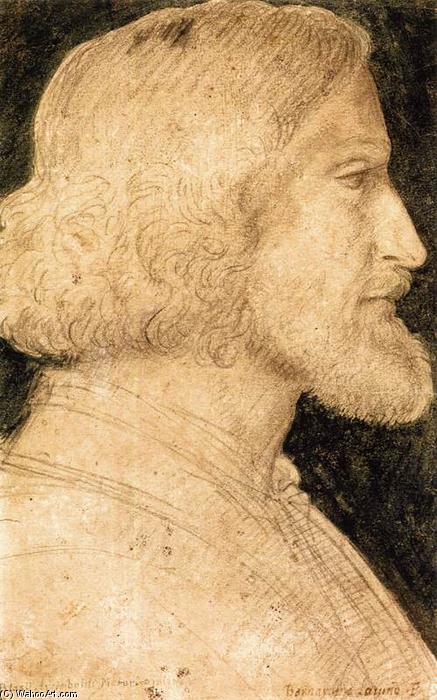
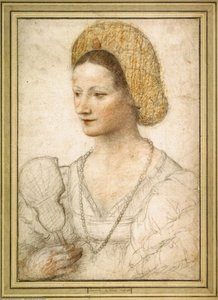
Portrait of Biagio Arcimboldo
 Acrylic On Canvas
- WallArt
- Northern Renaissance
 234.0 x 146.0 cm
 British Museum
 Weiterlesen
Handgefertigte Ölreproduktion
Handgemaltes Ölgemälde auf Leinwand in Ihrer Wunschgröße und mit Rahmen, auf Bestellung von unseren Künstlern angefertigt. ( Druck bestellen Bild kaufen)




P118B $10

P118H $10

P118W $10

P438Z $10

P508JH $12

P508YH $12

P805H $10

P805Z $10

P919BZ $10

P919G $10

P919XJ $10

P959ZH $10

P968JZ $12

W106C $8

W218G $10

W218JH $8

W218Y $10

W307PJ $10

W316G $10

W316PJ $8

W316Y $10

W398PJ $8

W4111J $10

W500HY $15

W500JH $15

W692G $12

W849H $8

W940BG $15

W953PJ $8




Wählen Sie aus unseren vordefinierten Formaten, die den ursprünglichen Proportionen des Kunstwerks entsprechen.

Sie können Ihre eigenen Maße eingeben, um einen bestimmten Rahmen oder Platz auszufüllen. Wenn die gewählte Größe nicht den Proportionen des Originalbildes entspricht, werden wir das Kunstwerk entweder beschneiden oder das Gemälde durch zusätzliche, handgemalte Elemente erweitern. Ein digitales Mockup wird Ihnen zur Genehmigung zugesandt, bevor die Produktion beginnt.
Bitte beachten Sie, dass die Bildschirmvorschau nicht die tatsächliche Beschneidung oder Erweiterung widerspiegelt. Nur das Mockup zeigt die endgültige Komposition exakt an.
Obwohl Sondermaße verfügbar sind, empfehlen wir, eine Größe aus der vordefinierten Liste zu wählen, um die ursprünglichen Proportionen beizubehalten.
Nach der Bestellung wird das ArtsDot.com-Team dem Kunden Anweisungen per E-Mail zusenden und eine Mockup-Vorschau bereitstellen.
Weltweiter Versand () in nur 3 bis 4 Wochen statt der üblichen 5 Wochen. (29 August). Keine Kompromisse bei der Qualität.

Kostenloser weltweiter Expressversand

Hochwertige Leinenleinwand

Umfassender Versicherungsschutz beim Versand

Zollgebühren-Rückerstattungsgarantie

Garantie für exakte Farbtreue

60 Tage Rückgaberecht (nur bei Mängeln)

100% Geld-zurück-Garantie

Mengenrabatt verfügbar
 Die Glasoption ist nur für Größen unter 110 cm verfügbar.

Portrait of Biagio Arcimboldo
Art der Reproduktion
Format der Reproduktion
-


Gesamtpreis
$ 263
Bernardino Luini’s Intimate Portrait of Biagio Arcimboldo
The image before us—a meticulously rendered portrait of Biagio Arcimboldo by Bernardino Luini—offers a captivating glimpse into the artistic world of 16th-century Milan. More than simply a likeness, this painting is a masterful exercise in visual storytelling, a testament to Luini’s unique “Luinesque” style and his deep engagement with the legacy of Leonardo da Vinci. The portrait, executed around 1532, depicts Arcimboldo, a renowned Venetian artist known for his elaborate, vegetable-and-object portraits—a precursor to the iconic biomorphic compositions that would later define Mannerism. Luini’s interpretation, however, is profoundly different; it's an intimate study of a man, imbued with a quiet dignity and a subtle melancholy.
Luini’s technique immediately draws the eye. The composition is remarkably balanced, anchored by Arcimboldo’s face—a carefully sculpted oval framed by a cascade of curly hair that falls gracefully over his shoulders. Notice the delicate rendering of the wrinkles around his eyes and mouth; these aren't mere signs of age but rather contribute to an expression of profound wisdom and perhaps even a hint of sadness. The artist employs *sfumato*, a technique borrowed directly from Leonardo, creating soft transitions between light and shadow that give the face a remarkable three-dimensionality. The dark background serves not as a distraction, but as a powerful device, intensifying the focus on Arcimboldo’s features and drawing the viewer into his gaze.
The “Luinesque” Style: A Legacy of Grace
Bernardino Luini was a pivotal figure in the artistic landscape of Milan, often considered a student and close associate of Leonardo da Vinci. His style is instantly recognizable—characterized by an extraordinary grace and a remarkable ability to imbue his subjects with a sense of serenity. Unlike the more flamboyant Mannerist tendencies prevalent at the time, Luini’s figures possess a quiet dignity and a palpable humanity. This is particularly evident in the way he renders the hair – not as a chaotic mass but as flowing strands that seem to possess an independent life.
Luini's work demonstrates a deep understanding of anatomy and perspective, yet his approach is remarkably understated. He avoids dramatic poses or overly elaborate details, instead focusing on capturing the essential character of his subjects. This restraint contributes significantly to the painting’s enduring appeal—it feels both timeless and deeply personal. The subtle modeling of Arcimboldo's face, combined with the soft lighting, creates a sense of intimacy that invites the viewer to contemplate the man before him.
Symbolism and Context: A Portrait Beyond Appearance
While the portrait appears straightforward on first glance, it’s laden with symbolic meaning. The inclusion of Arcimboldo's beard—a prominent feature in his earlier vegetable portraits—here suggests a connection to nature and perhaps even a reference to the artist’s own creative process. The dark background, reminiscent of Renaissance altarpieces, elevates the portrait beyond a simple likeness, transforming it into a devotional image. It speaks to Arcimboldo's status as a respected figure within the artistic community.
Considering Luini’s close association with Leonardo, one can discern echoes of Da Vinci’s approach in this work—a focus on observation, an understanding of human anatomy, and a masterful use of light and shadow. However, Luini transcends mere imitation; he imbues the portrait with his own distinctive sensibility, creating a work that is both deeply rooted in tradition and remarkably original. The painting serves as a poignant reminder of the enduring power of portraiture to capture not just physical likeness but also the essence of human character.
A Reproduction for Your Space
ArtsDot offers meticulously hand-painted reproductions of Bernardino Luini’s “Portrait of Biagio Arcimboldo,” capturing the painting's exquisite detail and evocative atmosphere. Each reproduction is created by skilled artists using traditional techniques, ensuring a faithful representation of the original while retaining its inherent beauty. Whether you are an art collector, an interior designer seeking to add a touch of Renaissance elegance, or simply someone who appreciates fine art, this reproduction provides a stunning way to bring Luini’s masterpiece into your home or office. The scale of 234 x 146 cm offers a substantial presence, allowing the portrait's nuanced details and emotional depth to truly resonate.
Ähnliche Kunstwerke
Über den Künstler
Frühes Leben und Ausbildung
Bernardino Luini, ein bedeutender norditalienischer Maler, wurde um 1480 in Runo bei Lago Maggiore geboren. Sein frühes Leben ist nicht gut dokumentiert, aber es ist bekannt, dass er 1500 mit seinem Vater nach Mailand zog. Einige Quellen deuten darauf hin, dass Luini bei Giovan Stefano Scotto ausgebildet wurde, während andere ihn als Schüler von Ambrogio Bergognone betrachten.Künstlerischer Stil und Einflüsse
Luinis Werk stand stark unter dem Einfluss von Leonardo da Vinci, mit dem er vermutlich direkt zusammenarbeitete. Dieser Einfluss zeigt sich in seiner Verwendung von Sfumato, einer Technik, die einen weichen, verschwommenen Effekt durch das Auftragen dünner Farbschichten erzeugt. Luinis Stil spiegelt auch die Manierismus-Bewegung wider, die durch ihre dramatischen und emotionalen Qualitäten gekennzeichnet ist.Wichtige Werke
- Anbetung der Heiligen Drei Könige (um 1505) in San Pietro, Luino.
- St. Antonius von Padua (1510er Jahre) im Museo Poldi Pezzoli, beeinflusst durch Bernardino Zenales Cantù-Polyptychon.
- Fresken für die Villa Pelucca (1509-1514), heute in der Pinacoteca di Brera, Mailand.
Museumssammlungen und Online-Ressourcen
- Pinacoteca di Brera, Mailand: beherbergt mehrere Werke von Luini, darunter seine Fresken für die Villa Pelucca.
- ArtsDot.com: Bernardino Luini: bietet eine umfassende Sammlung von Luinis Werken, einschließlich hochwertiger Reproduktionen und detaillierter Informationen.
Vermächtnis
Luinis Beitrag zur norditalienischen Malerei ist unbestreitbar. Sein Werk, geprägt von seinen anmutigen weiblichen Figuren mit verlängerten Augen, bekannt als "luinesk", wurde weithin bewundert und nachgeahmt. Luinis Sohn Aurelio wurde ebenfalls ein begabter Maler und setzte das künstlerische Erbe der Familie fort. Wichtige Daten:- Geboren: um 1480, Runo, Italien
- Gestorben: Juni 1532, Mailand, Italien

Bernardino Luini
1480 - 1532 , Italien
Kurzinfos
- Beeinflusste Künstler/Bewegungen: ['Aurelio Luini']
- Bemerkenswerte Werke:
- Anbetung der Könige
- Sankt Antonius von Padua
- Fresken Villa Pelucca
- Einflüsse Durch Künstler: ['Leonardo da Vinci']
- Geburtsdatum: um 1480
- Geburtsort (Stadt, Land): Runo, Italien
- Künstlerische Bewegung/Stil: Renaissance, Manierismus
- Nationalität: Italienisch
- Sterbedatum: Juni 1532
- Vollständiger Name: Bernardino Luini
Ähnliche Artikel
Mario Sironi: Eine Poetik der modernen italienischen Identität zwischen Symbolismus und Gesellschaftskritik
Entdecken Sie Mario Sironis wegweisendes Werk und seine Auseinandersetzung mit der italienischen Identität. Analysen, Biografie, Novecento Italiano & die politische Dimension – Expertenwissen auf ArtsDot.
Giovanni Fattori: Realismus, Identität und die toskanische Landschaft – Ein Meister der Macchiaioli
Entdecken Sie Giovanni Fattori und die Macchiaioli! Erfahren Sie mehr über den italienischen Realismus, seine historischen Wurzeln und die einzigartige Darstellung der toskanischen Landschaft. Expertenwissen für Kunstliebhaber.
Carlo Carrà: Futuristische Visionen und metaphysische Transformationen der italienischen Malerei des frühen 20. Jahrhunderts
Entdecken Sie Carlo Carràs revolutionäre Kunst! Wir analysieren seine futuristischen Werke, die Entwicklung zur Metaphysik und seinen Einfluss auf die moderne Malerei. Expertenwissen & tiefe Einblicke.
Bürgerliche Tugend und künstlerische Rivalität: Mäzenatentum und Innovation in den italienischen Renaissance-Republiken, 1400–1600
Entdecken Sie die faszinierende Welt des Renaissance-Mäzenatentums! Expertenwissen über Florenz, Venedig, Medici und den Einfluss von Kunst & Humanismus. Jetzt lesen!
Venanzo Crocetti: A Study in Italian Modernism & Spatial Abstraction
Explore the captivating world of Venanzo Crocetti, a pivotal figure in Italian Modernism. Discover his iconic sculptures, public works, and lasting legacy – a must-read for discerning art collectors.