 Vorschau anzeigen
 Versenden
 Teilen
 Details anzeigen

 Herunterladen
 Ähnliche Objekte
 Röntgenaufnahme
 Diashow
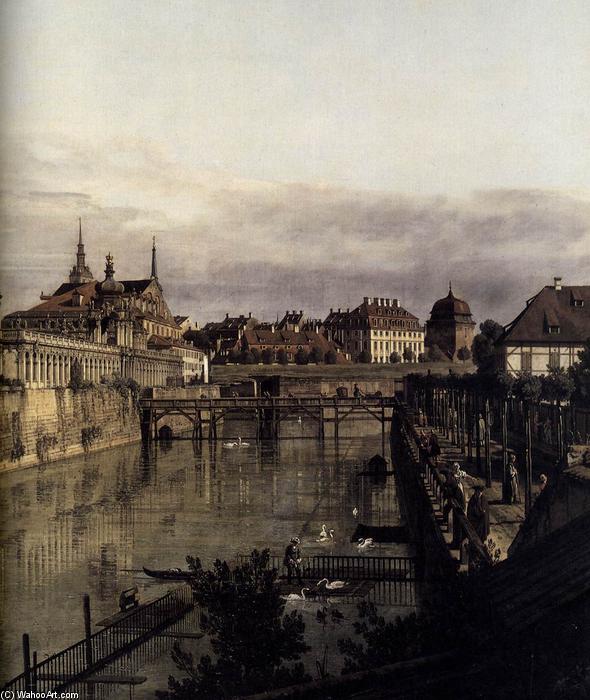
The Moat of the Zwinger in Dresden (detail)


 Weiterlesen
Giclée / Kunstdruck
Giclée- oder Leinwanddruck in Museumsqualität mit schneller Produktion und flexiblen Veredelungsoptionen. ( Handgemalte Reproduktion bestellen Bild kaufen)




P118B $10

P118H $10

P118W $10

P438Z $10

P508JH $12

P508YH $12

P805H $10

P805Z $10

P919BZ $10

P919G $10

P919XJ $10

P959ZH $10

P968JZ $12

W106C $8

W218G $10

W218JH $8

W218Y $10

W307PJ $10

W316G $10

W316PJ $8

W316Y $10

W398PJ $8

W4111J $10

W500HY $15

W500JH $15

W692G $12

W849H $8

W940BG $15

W953PJ $8




Wählen Sie aus unseren vordefinierten Formaten, die den ursprünglichen Proportionen des Kunstwerks entsprechen.

Sie können Ihre eigenen Maße eingeben, um ein bestimmtes Format oder einen speziellen Platz einzupassen. Wenn das von Ihnen gewählte Format nicht den Proportionen des Originalbildes entspricht, werden wir das Kunstwerk entweder beschneiden oder das Bild mit einem gespiegelten oder einfarbigen Rand erweitern. Ein digitaler Entwurf wird Ihnen zur Genehmigung zugesandt, bevor die Produktion beginnt.
Bitte beachten Sie, dass die Vorschau auf dem Bildschirm nicht den tatsächlichen Zuschnitt oder die Erweiterung widerspiegelt. Nur der Entwurf zeigt die endgültige Komposition präzise an.
Obwohl Sondermaße verfügbar sind, empfehlen wir die Auswahl eines Maßes aus der vordefinierten Liste, um die ursprünglichen Proportionen zu bewahren.
Weltweiter Versand () innerhalb von 2 Wochen statt der üblichen 4/5 Wochen. (4 September)

Kostenloser weltweiter Expressversand

Hochwertige Leinenleinwand

Umfassender Versicherungsschutz beim Versand

Zollgebühren-Rückerstattungsgarantie

Garantie für exakte Farbtreue

60 Tage Rückgaberecht (nur bei Mängeln)

100% Geld-zurück-Garantie

Mengenrabatt verfügbar
 Die Glasoption ist nur für Größen unter 110 cm verfügbar.

The Moat of the Zwinger in Dresden (detail)
Giclée / Kunstdruck
Format der Reproduktion
-


Gesamtpreis
$ 62
A Window into Dresden’s Golden Age
In the heart of 18th-century Saxony, amidst the burgeoning prosperity of the Enlightenment, Bernardo Bellotto captured a moment of profound serenity and architectural splendor. His masterpiece, The Moat of the Zwinger in Dresden, is far more than a mere topographical record; it is a luminous window into a vanished world. Painted in 1749, this work invites the viewer to step onto the banks of the Zwinger Palace’s moat, where the water acts as a liquid mirror, reflecting the grandeur of a city at its zenith. The scene is alive with the quiet rhythms of daily life—figures strolling leisurely along the embankments and small boats gliding across the glassy surface—creating an atmosphere of idyllic peace that feels both intimate and monumental.
For the discerning collector or interior designer, this painting offers a sophisticated focal point that brings a sense of historical depth and classical elegance to any space. The composition draws the eye through layers of lush foliage and intricate stonework, leading toward the breathtaking architectural silhouettes that define Dresden’s skyline. It is a piece that does not merely decorate a wall but narrates a story of cultural ambition and the enduring pursuit of beauty.
The Mastery of Rococo Light and Detail
Bellotto, often celebrated as the nephew and pupil of the legendary Canaletto, brought a unique, more somber, and atmospheric quality to the veduta style. In this particular work, his technical prowess is on full display through the masterful use of chiaroscuro. He employs dramatic contrasts between light and shadow to sculpt the ornate facades of the Zwinger buildings, giving them a palpable three-dimensional presence. The way sunlight filters through the verdant trees and dances upon the ripples of the moat demonstrates an almost scientific precision in his observation of natural light.
The technique is characterized by delicate, velvety brushstrokes that lend a rich texture to the canvas. Every element, from the intricate patterns on the period clothing of the strolling figures to the weathered textures of the stone fortifications, is rendered with breathtaking clarity. This meticulous attention to detail ensures that the painting retains its impact even upon close inspection, making it an ideal choice for those who appreciate fine art that rewards prolonged contemplation and reveals new nuances with every viewing.
Symbolism and Emotional Resonance
Beyond its aesthetic brilliance, the painting carries a profound symbolic weight. The moat itself serves as a powerful metaphor; while it was a vital component of Dresden’s defensive fortifications, in Bellotto’s hands, it becomes a symbol of protection, stability, and the tranquil boundaries of a prosperous realm under the reign of Augustus III. There is a palpable sense of permanence in the heavy stone structures, contrasted beautifully with the ephemeral movement of the boats and the fleeting reflections on the water.
Emotionally, the work evokes a sense of nostalgia and reverence. It captures a "golden age" before the devastating architectural losses of later centuries, preserving the soul of Dresden in a state of eternal grace. To possess a reproduction of this work is to hold a piece of European heritage—a fragment of a dreamlike era where art, architecture, and nature existed in perfect, harmonious balance. It provides an atmosphere of calm sophistication, making it a timeless addition to any curated collection or high-end residential design.
Ähnliche Kunstwerke

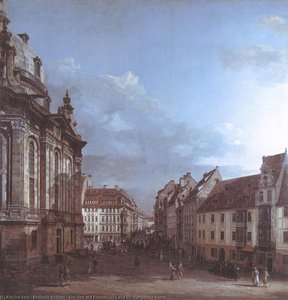
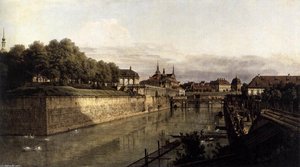
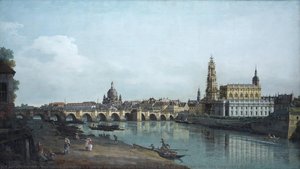
Über den Künstler
Frühes Leben und Ausbildung
Bernardo Bellotto, ein renommierter italienischer Maler, wurde um 1721/2 oder am 30. Januar 1721 in Venedig geboren. Er war der Neffe und Schüler des berühmten Giovanni Antonio Canal, bekannt als Canaletto, einer herausragenden Persönlichkeit der venezianischen Schule der Malerei.Künstlerischer Stil und Karriere
Bellottos künstlerischer Stil zeichnete sich durch seine detailreiche Darstellung architektonischer und natürlicher Panoramen sowie durch die einzigartige Lichtqualität des jeweiligen Ortes aus. Er war für sein außergewöhnliches Geschick bekannt, das Wesen städtischer Landschaften einzufangen, was ihn dazu einlud, für verschiedene europäische Monarchen tätig zu werden.- Er reiste nach Rom (1742) und durch Norditalien (1744-1745), bevor er später auf Wunsch von König August III. von Polen nach Dresden zog (1747-1758).
- Seine Werke in Dresden bewahrten die Schönheit der Stadt aus der Zeit vor dem Krieg, die heute zerstört ist.
- Später erhielt er eine Einladung von Kaiserin Maria Theresia, um in Wien (1758) zu arbeiten, wo er die Monumente der Stadt malte.
Bedeutende Werke und Vermächtnis
Zu den bedeutendsten Werken Bellottos gehören:- Blick auf den Canal Grande: Santa Maria della Salute und die Dogana vom Campo Santa Maria Zobenigo (1743)
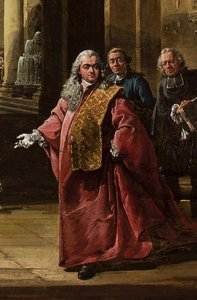
- Architektonisches Capriccio mit einem Selbstporträt von Bellotto in der Tracht eines venezianischen Edelmanns
Museen und Sammlungen
Bellottos Werke sind in verschiedenen Museen zu finden, darunter die Pinacoteca di Vicenza in Italien. Um mehr von seinem künstlerischen Schaffen zu entdecken, besuchen Sie [https://ArtsDot.com/@/bernardo bellotto](https://ArtsDot.com/@/bernardo bellotto) und tauchen Sie ein in die Welt der Kunst.Referenzen
Bernardo Bellotto
1721 - 1780 , Italien
Kurzinfos
- Beeinflusste Künstler: ['Giovanni Antonio Canal']
- Bemerkenswerte Werke:
- Blick vom Grand Canal
- Architektonisches Capriccio
- Geburtsdatum: 30. Januar 1721
- Geburtsort: Venedig, Italien
- Künstlerischer Stil: Vedutenmalerei
- Nationalität: Italiener
- Sterbedatum: 17. Oktober 1780
- Vollständiger Name: Bernardo Bellotto
Ähnliche Artikel

Rococo Meisterwerke: Die Top 10, die eine Epoche prägten |
Entdecken Sie die Top 10 Rokoko Meisterwerke von Watteau, Boucher & Fragonard! Erfahren Sie die Geschichten hinter diesen ikonischen Gemälden und lassen Sie sich für Ihre Inneneinrichtung inspirieren. Hochwertige Kunstdrucke auf .

The Rococo Aesthetic: Opulence, Rebellion & the Pursuit of Pleasure in 18th-Century Art
Explore the opulent world of Rococo art! Discover its origins, key artists like Watteau & Boucher, and lasting influence on design. Expert insights for collectors & enthusiasts.

Giclée Prints: Archival Quality & Aesthetic Nuances for the Discerning Collector
Explore the world of giclée prints with ArtsDot. Learn about archival quality, aesthetic nuances & investment potential. Expert guidance for discerning art collectors seeking museum-quality reproductions and lasting value.

Echoes of Time: Exploring the Enduring Appeal & Historical Context of Vintage Art Prints
Explore the captivating world of vintage art prints! Discover their history, collecting tips & enduring appeal. Expert insights on chromolithography and building a legacy collection with ArtsDot.
Bernardo Bellotto: Canalettos Neffe und Meister der Vedutenmalerei – Eine umfassende Erkundung
Entdecken Sie das Leben und Werk von Bernardo Bellotto, dem Neffen Canalettos und Meister der Vedutenmalerei. Expertenanalyse seiner Dresdner & Warschauer Periode – ideal für Kunstsammler und Kenner.