 Vorschau anzeigen
 Versenden
 Teilen
 Details anzeigen

 Herunterladen
 Ähnliche Objekte
 Röntgenaufnahme
 Diashow
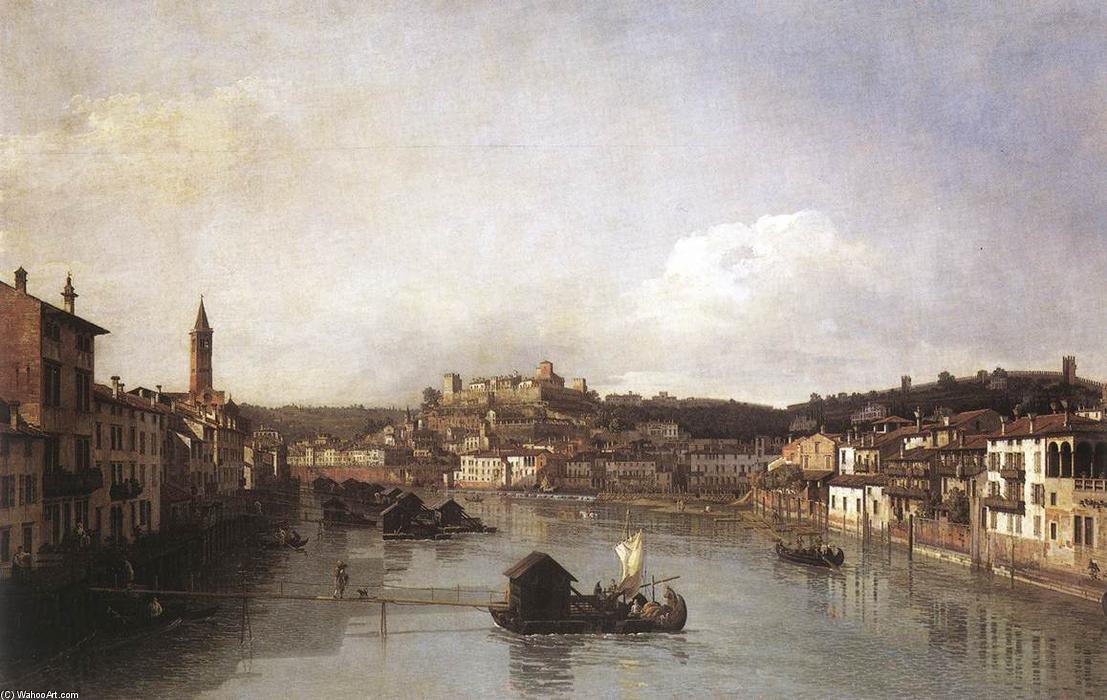
View of Verona and the River Adige from the Ponte Nuovo


 Weiterlesen
Handgefertigte Ölreproduktion
Handgemaltes Ölgemälde auf Leinwand in Ihrer Wunschgröße und mit Rahmen, auf Bestellung von unseren Künstlern angefertigt. ( Druck bestellen Bild kaufen)




P118B $10

P118H $10

P118W $10

P438Z $10

P508JH $12

P508YH $12

P805H $10

P805Z $10

P919BZ $10

P919G $10

P919XJ $10

P959ZH $10

P968JZ $12

W106C $8

W218G $10

W218JH $8

W218Y $10

W307PJ $10

W316G $10

W316PJ $8

W316Y $10

W398PJ $8

W4111J $10

W500HY $15

W500JH $15

W692G $12

W849H $8

W940BG $15

W953PJ $8




Wählen Sie aus unseren vordefinierten Formaten, die den ursprünglichen Proportionen des Kunstwerks entsprechen.

Sie können Ihre eigenen Maße eingeben, um einen bestimmten Rahmen oder Platz auszufüllen. Wenn die gewählte Größe nicht den Proportionen des Originalbildes entspricht, werden wir das Kunstwerk entweder beschneiden oder das Gemälde durch zusätzliche, handgemalte Elemente erweitern. Ein digitales Mockup wird Ihnen zur Genehmigung zugesandt, bevor die Produktion beginnt.
Bitte beachten Sie, dass die Bildschirmvorschau nicht die tatsächliche Beschneidung oder Erweiterung widerspiegelt. Nur das Mockup zeigt die endgültige Komposition exakt an.
Obwohl Sondermaße verfügbar sind, empfehlen wir, eine Größe aus der vordefinierten Liste zu wählen, um die ursprünglichen Proportionen beizubehalten.
Nach der Bestellung wird das ArtsDot.com-Team dem Kunden Anweisungen per E-Mail zusenden und eine Mockup-Vorschau bereitstellen.
Weltweiter Versand () in nur 3 bis 4 Wochen statt der üblichen 5 Wochen. (31 August). Keine Kompromisse bei der Qualität.

Kostenloser weltweiter Expressversand

Hochwertige Leinenleinwand

Umfassender Versicherungsschutz beim Versand

Zollgebühren-Rückerstattungsgarantie

Garantie für exakte Farbtreue

60 Tage Rückgaberecht (nur bei Mängeln)

100% Geld-zurück-Garantie

Mengenrabatt verfügbar
 Die Glasoption ist nur für Größen unter 110 cm verfügbar.

View of Verona and the River Adige from the Ponte Nuovo
Art der Reproduktion
Format der Reproduktion
-


Gesamtpreis
$ 263
Bernardo Bellotto’s Verona: A Venetian Echo in Saxon Light
The canvas before you—"View of Verona and the River Adige from the Ponte Nuovo"—isn't merely a depiction of a city; it’s a carefully constructed memory, a distillation of light and atmosphere captured by Bernardo Bellotto in 1747. This remarkable veduta, or cityscape painting, transports us to the heart of Renaissance Verona, not as it was then, but as it *felt* – a vibrant, bustling hub viewed through the discerning eye of a Venetian master. Bellotto, a nephew and student of the celebrated Canaletto, possessed a unique gift: he didn’t simply record what he saw; he imbued his scenes with an emotional resonance, a sense of lived experience that elevates these paintings beyond simple topographical representations.
Bellotto's style is immediately recognizable – a harmonious blend of classical precision and subtle Venetian flair. He adheres to the conventions of 18th-century veduta painting, employing a flattened perspective characteristic of the era, yet he avoids the rigid formality often associated with this genre. Instead, he masterfully manipulates light and shadow, creating an illusion of depth that draws the viewer into the scene. The muted palette—earthy browns, ochres, and subtle blues—evokes the diffused light of a Venetian afternoon, lending the painting a dreamlike quality. Notice how the reflections shimmering on the river’s surface subtly mirror the buildings lining its banks, doubling the visual information and creating a captivating sense of spatial ambiguity.
The Ponte Nuovo: A Window into Daily Life
The focal point of this composition is undoubtedly the Ponte Nuovo itself – a vital artery connecting Verona to the surrounding countryside. Bellotto doesn’t present a grand architectural statement; rather, he focuses on the everyday life unfolding along its banks. Small boats navigate the waterway, carrying goods and passengers, while figures in period dress bustle about their business. The inclusion of details like the floating mills grinding corn speaks volumes about the city's economic activity and the rhythms of daily existence. This wasn’t a scene designed for royalty or nobility; it was a snapshot of Verona as experienced by its citizens.
The architectural elements—the Castel San Pietro, the Tower of Sant’Anastasia—are rendered with meticulous detail, reflecting Bellotto's training under Canaletto and his deep understanding of perspective. However, unlike Canaletto’s often idealized representations, Bellotto subtly introduces a sense of wear and tear, suggesting the passage of time and the realities of urban life. The buildings aren’t flawlessly pristine; they possess a certain weathered charm that adds to the painting's authenticity.
A Masterpiece in Context: Dresden and Beyond
Bellotto’s journey as an artist was marked by significant shifts in patronage and location. Initially working in Venice, he later accepted commissions from European monarchs, culminating in his tenure in Dresden under King August III of Saxony-Poland. This period proved particularly fruitful for Bellotto, allowing him to develop a distinctive style characterized by its atmospheric depth and nuanced use of light. The present painting was created during this time, reflecting the influence of his experiences in the East.
Interestingly, Bellotto’s Dresden views were intended to preserve the memory of the city before it was ravaged by Napoleon's armies. He meticulously documented its monuments and buildings, creating a visual record that served as both a historical archive and an artistic statement. This dedication to preserving beauty in the face of destruction is evident in the care with which Bellotto renders each detail in "View of Verona," capturing not just the appearance of the city but also its essence.
Symbolism and Emotional Resonance
Beyond its technical brilliance, “View of Verona” possesses a subtle yet powerful symbolic resonance. The painting speaks to the enduring spirit of Venice—a city renowned for its beauty, resilience, and artistic legacy—and its influence on Bellotto’s work. The river itself acts as a metaphor for time, flowing relentlessly onward while carrying with it the memories of generations past. The muted colors and diffused light evoke a sense of tranquility and contemplation, inviting the viewer to lose themselves in the scene's timeless beauty.
Bellotto’s mastery lies not just in his technical skill but also in his ability to capture the *feeling* of a place—the warmth of the sun on stone, the murmur of voices in the streets, the sense of belonging that comes from being part of a vibrant community. This painting is more than just a landscape; it’s an invitation to step into another world and experience Verona through the eyes of a Venetian master.
Ähnliche Kunstwerke

Über den Künstler
Frühes Leben und Ausbildung
Bernardo Bellotto, ein renommierter italienischer Maler, wurde um 1721/2 oder am 30. Januar 1721 in Venedig geboren. Er war der Neffe und Schüler des berühmten Giovanni Antonio Canal, bekannt als Canaletto, einer herausragenden Persönlichkeit der venezianischen Schule der Malerei.Künstlerischer Stil und Karriere
Bellottos künstlerischer Stil zeichnete sich durch seine detailreiche Darstellung architektonischer und natürlicher Panoramen sowie durch die einzigartige Lichtqualität des jeweiligen Ortes aus. Er war für sein außergewöhnliches Geschick bekannt, das Wesen städtischer Landschaften einzufangen, was ihn dazu einlud, für verschiedene europäische Monarchen tätig zu werden.- Er reiste nach Rom (1742) und durch Norditalien (1744-1745), bevor er später auf Wunsch von König August III. von Polen nach Dresden zog (1747-1758).
- Seine Werke in Dresden bewahrten die Schönheit der Stadt aus der Zeit vor dem Krieg, die heute zerstört ist.
- Später erhielt er eine Einladung von Kaiserin Maria Theresia, um in Wien (1758) zu arbeiten, wo er die Monumente der Stadt malte.
Bedeutende Werke und Vermächtnis
Zu den bedeutendsten Werken Bellottos gehören:- Blick auf den Canal Grande: Santa Maria della Salute und die Dogana vom Campo Santa Maria Zobenigo (1743)
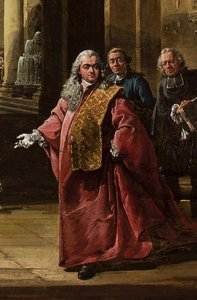
- Architektonisches Capriccio mit einem Selbstporträt von Bellotto in der Tracht eines venezianischen Edelmanns
Museen und Sammlungen
Bellottos Werke sind in verschiedenen Museen zu finden, darunter die Pinacoteca di Vicenza in Italien. Um mehr von seinem künstlerischen Schaffen zu entdecken, besuchen Sie [https://ArtsDot.com/@/bernardo bellotto](https://ArtsDot.com/@/bernardo bellotto) und tauchen Sie ein in die Welt der Kunst.Referenzen
Bernardo Bellotto
1721 - 1780 , Italien
Kurzinfos
- Beeinflusste Künstler: ['Giovanni Antonio Canal']
- Bemerkenswerte Werke:
- Blick vom Grand Canal
- Architektonisches Capriccio
- Geburtsdatum: 30. Januar 1721
- Geburtsort: Venedig, Italien
- Künstlerischer Stil: Vedutenmalerei
- Nationalität: Italiener
- Sterbedatum: 17. Oktober 1780
- Vollständiger Name: Bernardo Bellotto
Ähnliche Artikel

Romantische Landschaften: Die 10 Meisterwerke, die eine Epoche prägten | ArtsDot
Entdecken Sie die 10 Meisterwerke der Romantischen Landschaftsmalerei! Von Caspar David Friedrich bis Turner – erleben Sie die Kunst, Emotion & Natur. Hochwertige Reproduktionen auf ArtsDot.com

Evocations of Place: A Historical Journey Through Landscape Art
Explore the rich history of landscape art with ArtsDot. Discover renowned artists, movements like Impressionism & Romanticism, and expert guidance for collecting timeless pieces. Find your perfect serene escape today!
Michelangelo Morlaiter: Venetian Landscapes & the Pursuit of Atmospheric Realism
Explore the captivating landscapes of Michelangelo Morlaiter, a key figure in 18th-century Venetian painting. Discover his mastery of atmospheric perspective and lasting influence on Italian art history. Learn more at ArtsDot.

John Constable: Die 25 Meisterwerke des englischen Landschaftsgenies – ArtsDot
Entdecken Sie die 25 Meisterwerke von John Constable! Erleben Sie englische Landschaftsmalerei vom Hay Wain bis zur Stour Valley. Hochwertige Reproduktionen & Kunst für Ihr Zuhause auf ArtsDot.com.

Evocations of Place: A Historical Journey Through Landscape Art
Explore the rich history of landscape art with ArtsDot. Discover renowned artists, movements like Impressionism & tonalism, and expert guidance for collecting timeless pieces. Find your perfect serene escape today!