 Vorschau anzeigen
 Versenden
 Teilen
 Details anzeigen

 Herunterladen
 Ähnliche Objekte
 Röntgenaufnahme
 Diashow
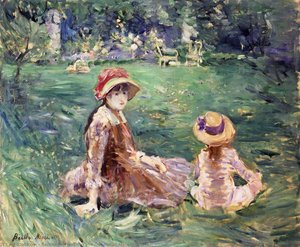
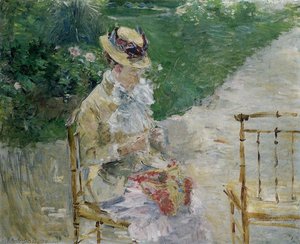
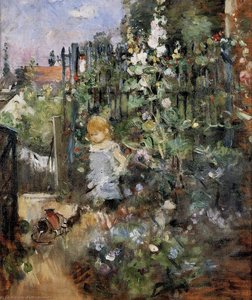
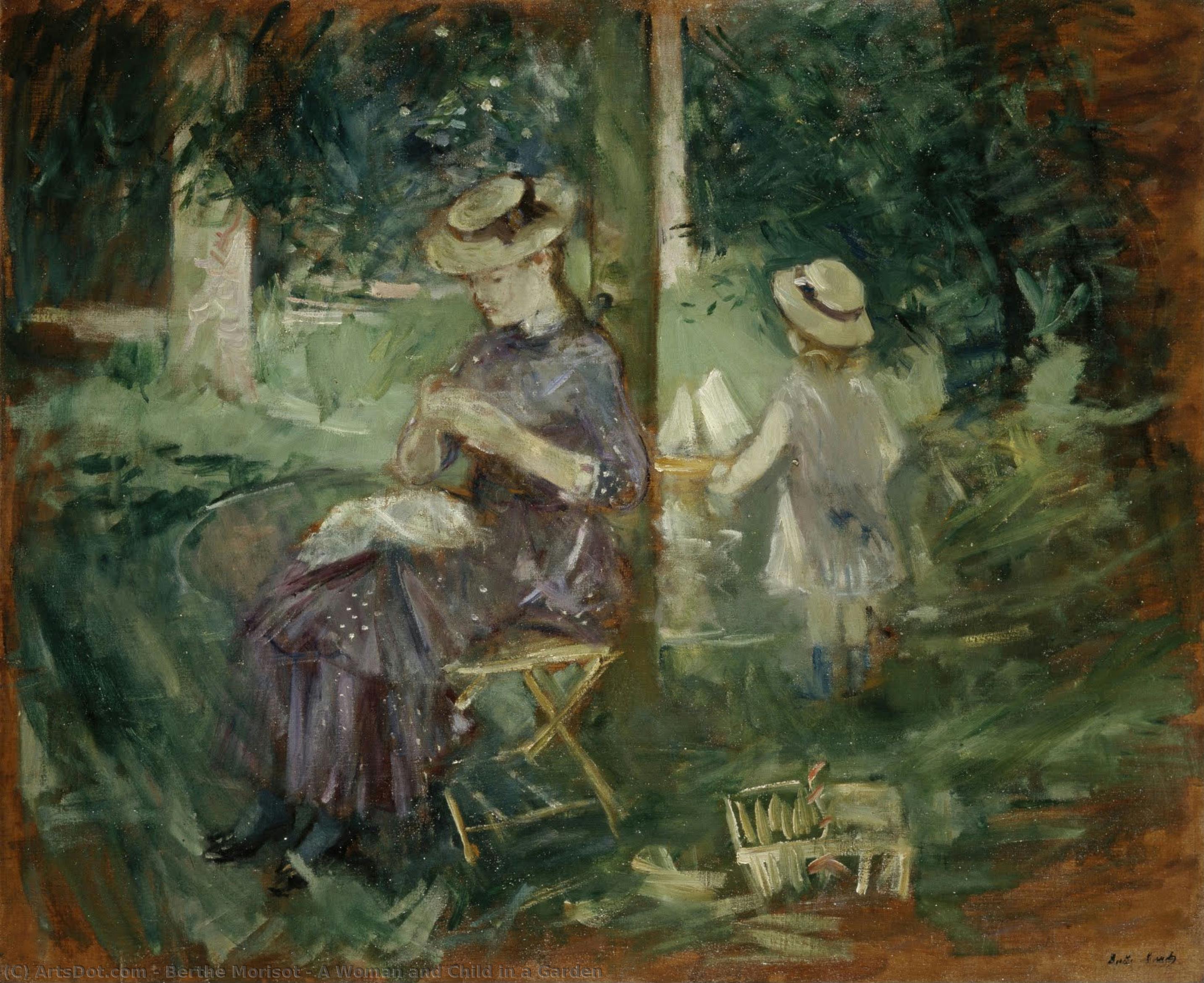
A Woman and Child in a Garden


 Weiterlesen
Handgefertigte Ölreproduktion
Handgemaltes Ölgemälde auf Leinwand in Ihrer Wunschgröße und mit Rahmen, auf Bestellung von unseren Künstlern angefertigt. ( Druck bestellen Bild kaufen)




P118B $10

P118H $10

P118W $10

P438Z $10

P508JH $12

P508YH $12

P805H $10

P805Z $10

P919BZ $10

P919G $10

P919XJ $10

P959ZH $10

P968JZ $12

W106C $8

W218G $10

W218JH $8

W218Y $10

W307PJ $10

W316G $10

W316PJ $8

W316Y $10

W398PJ $8

W4111J $10

W500HY $15

W500JH $15

W692G $12

W849H $8

W940BG $15

W953PJ $8




Wählen Sie aus unseren vordefinierten Formaten, die den ursprünglichen Proportionen des Kunstwerks entsprechen.

Sie können Ihre eigenen Maße eingeben, um einen bestimmten Rahmen oder Platz auszufüllen. Wenn die gewählte Größe nicht den Proportionen des Originalbildes entspricht, werden wir das Kunstwerk entweder beschneiden oder das Gemälde durch zusätzliche, handgemalte Elemente erweitern. Ein digitales Mockup wird Ihnen zur Genehmigung zugesandt, bevor die Produktion beginnt.
Bitte beachten Sie, dass die Bildschirmvorschau nicht die tatsächliche Beschneidung oder Erweiterung widerspiegelt. Nur das Mockup zeigt die endgültige Komposition exakt an.
Obwohl Sondermaße verfügbar sind, empfehlen wir, eine Größe aus der vordefinierten Liste zu wählen, um die ursprünglichen Proportionen beizubehalten.
Nach der Bestellung wird das ArtsDot.com-Team dem Kunden Anweisungen per E-Mail zusenden und eine Mockup-Vorschau bereitstellen.
Weltweiter Versand () in nur 3 bis 4 Wochen statt der üblichen 5 Wochen. (25 August). Keine Kompromisse bei der Qualität.

Kostenloser weltweiter Expressversand

Hochwertige Leinenleinwand

Umfassender Versicherungsschutz beim Versand

Zollgebühren-Rückerstattungsgarantie

Garantie für exakte Farbtreue

60 Tage Rückgaberecht (nur bei Mängeln)

100% Geld-zurück-Garantie

Mengenrabatt verfügbar
 Die Glasoption ist nur für Größen unter 110 cm verfügbar.

A Woman and Child in a Garden
Art der Reproduktion
Format der Reproduktion
-


Gesamtpreis
$ 263
Beschreibung des Kunstwerks
A Moment of Quietude: Berthe Morisot’s “A Woman and Child in a Garden”
Berthe Morisot's "A Woman and Child in a Garden," painted between 1883 and 1884, isn’t merely a depiction of a domestic scene; it’s a carefully constructed tableau brimming with subtle symbolism and an exquisite sensitivity to light. This intimate portrait, housed within the Scottish National Gallery in Edinburgh, offers a rare glimpse into the private world of a French bourgeois family during the late 19th century – a world where leisure, familial connection, and the fleeting beauty of nature held profound significance. Morisot, a key figure within the Impressionist movement, masterfully captures this atmosphere through her distinctive technique and evocative use of color, inviting us to step into this serene moment of domestic tranquility.
The painting immediately draws the eye to its central figures: a woman seated on a simple chair, diligently knitting, and her young child standing nearby. The composition is deliberately asymmetrical, with the woman angled slightly towards the viewer, creating a sense of intimacy and drawing us into their shared space. Her posture suggests absorption in her task, while the child’s stance – poised and alert – hints at playful curiosity. Notice how Morisot avoids rigid formality; there's an inherent grace and informality to their arrangement, reflecting the relaxed atmosphere of a summer afternoon spent outdoors.
Impressionistic Techniques and Light
Morisot’s approach to painting is immediately recognizable as distinctly Impressionist. She eschews meticulous detail in favor of capturing the *impression* of light and color – the way sunlight filters through foliage, dances on surfaces, and transforms a scene with its ever-changing qualities. Her brushstrokes are loose and visible, creating a shimmering effect that mimics the dappled light filtering through the garden’s trees. The palette is dominated by soft blues, greens, and browns, punctuated by touches of brighter hues in the woman's dress and the child’s clothing. This careful orchestration of color isn’t about photographic realism; it’s about conveying a feeling – the warmth of the sun, the freshness of the air, and the contentment of shared moments.
The artist skillfully employs *plein air* painting—working directly from nature—a hallmark of the Impressionist movement. This technique allowed Morisot to observe and record light and color with unprecedented accuracy, resulting in paintings that are remarkably vibrant and alive. She used short, broken brushstrokes to build up layers of paint, creating a sense of depth and atmosphere. The background is deliberately blurred, emphasizing the foreground figures and contributing to the overall feeling of intimacy.
Symbolism and Context
Beyond its immediate visual appeal, “A Woman and Child in a Garden” carries subtle symbolic weight. The act of knitting represents domesticity, nurturing, and the quiet rhythms of family life – values highly prized within 19th-century French society. The garden itself serves as a sanctuary—a space for respite from the demands of daily life, a place where nature’s beauty can be appreciated. The presence of the bird perched on a branch above the figures adds another layer of symbolism, representing freedom and connection to the natural world.
Furthermore, the painting reflects Morisot's own personal circumstances. She spent summers at a house in Bougival, northwest of Paris, often painting in the Bois de Boulogne – locations that undoubtedly informed her depiction of this idyllic scene. Her marriage to Eugène Manet, brother of Édouard Manet, provided a supportive artistic environment, and their shared life offered countless opportunities for observing and capturing intimate moments like these.
Emotional Resonance and Artistic Legacy
“A Woman and Child in a Garden” is more than just a pretty picture; it’s a poignant meditation on family, nature, and the beauty of everyday life. Morisot's ability to capture such subtle emotions—a sense of peace, contentment, and quiet connection—is truly remarkable. The painting resonates with viewers today because it speaks to universal themes of love, family, and the simple pleasures of life.
Morisot’s work has been celebrated for its delicate beauty, innovative technique, and insightful portrayal of modern life. She remains one of the most important figures in Impressionism, a testament to her artistic vision and enduring legacy. Reproductions of this captivating painting offer a wonderful opportunity to bring a touch of Morisot's serene world into your own home – a reminder to appreciate the beauty that surrounds us and cherish the moments we share with loved ones.
Ähnliche Kunstwerke
Über den Künstler
Frühe Jahre und künstlerischer Beginn
Berthe Marie Pauline Morisot, eine französische Malerin, wurde am 14. Januar 1841 in Bourges, Frankreich, geboren. Sie entstammte einer wohlhabenden bürgerlichen Familie; ihr Vater, Edmé Tiburce Morisot, war Präfekt des Départements Cher. Ihre Mutter, Marie-Joséphine-Cornélie Thomas, war mit Jean-Honoré Fragonard, einem bedeutenden Rokoko-Maler, verwandt.Künstlerische Ausbildung und Einflüsse
Berthe, zusammen mit ihren Schwestern Yves und Edma, erhielt Privatunterricht in Kunst von Geoffroy-Alphonse Chocarne und Joseph Guichard. Dies markierte den Beginn ihrer künstlerischen Reise. Im Jahr 1857 führte Guichard sie in die Louvre-Galerie ein, wo sie durch Beobachtung und Kopieren von Gemälden lernten.Wichtige Werke und Ausstellungen
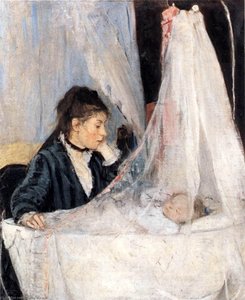
Berthes erster Auftritt im Salon de Paris war 1864 mit zwei Landschaftsbildern. Sie zeigte ihre Arbeit regelmäßig bis 1873. Im Jahr 1874 schloss sie sich den Impressionisten bei ihrer ersten Ausstellung an, in der auch bemerkenswerte Künstler wie Paul Cézanne, Edgar Degas und Claude Monet vertreten waren.- Das Wiegenlied, ein ergreifendes impressionistisches Meisterwerk, das die Intimität der Mutterschaft einfängt.
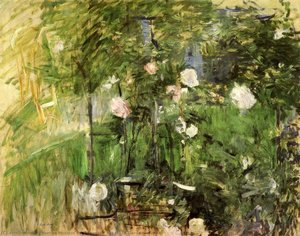
- Ein Eck von der Rosengarten, ein friedliches impressionistisches Meisterwerk, das die Schönheit der Natur einfängt.
- Ihr Beitritt zu den Impressionisten-Ausstellungen festigte ihre Position innerhalb der Bewegung.
Persönliches Leben und Vermächtnis
Berthe heiratete Eugène Manet, den Bruder ihres Freundes und Kollegen Édouard Manet. Ihre reife Karriere begann 1872, als Durand-Ruel zweiundzwanzig ihrer Gemälde kaufte. Berthe wählte es, unter ihrem vollständigen Mädchennamen auszustellen, ein Beweis für ihre Unabhängigkeit. Wichtige Fakten:- Verheiratet mit Eugène Manet, Bruder von Édouard Manet.
- Erste Impressionisten-Ausstellung im Jahr 1874.
- Von einem Kritiker für Le Temps im Jahr 1877 als "eine echte Impressionistin" beschrieben.
Künstlerische Entwicklung und Bedeutung
Berthes Werk zeichnete sich durch eine subtile Farbgebung, flüchtige Pinselstriche und eine Vorliebe für intime Szenen des Familienlebens aus. Sie malte oft ihre Schwester Edma und ihre Tochter Julie, wodurch sie die häusliche Welt der Frau im 19. Jahrhundert einfing. Im Gegensatz zu einigen ihrer impressionistischen Kollegen konzentrierte sich Morisot weniger auf Landschaften oder urbane Szenen und mehr auf das Innenleben und die Beziehungen innerhalb des bürgerlichen Hauses. Ihre Gemälde spiegeln eine Sensibilität wider, die sowohl von der Tradition als auch von den neuen künstlerischen Experimenten der Impressionisten beeinflusst war. Sie entwickelte einen einzigartigen Stil, der sich durch eine gewisse Leichtigkeit und Transparenz auszeichnete, was ihre Werke besonders ansprechend macht.Historische Bedeutung
Berthe Morisot war eine wichtige Figur in der impressionistischen Bewegung und trug dazu bei, die Rolle der Frauen in der Kunstwelt des 19. Jahrhunderts zu verändern. Trotz der Herausforderungen, denen sich Künstlerinnen damals gegenübersahen, etablierte sie sich als anerkannte Malerin und schuf ein bedeutendes Œuvre, das bis heute bewundert wird. Ihre Werke sind Teil wichtiger Sammlungen weltweit und werden für ihre künstlerische Qualität und ihren Beitrag zur impressionistischen Kunstgeschichte geschätzt.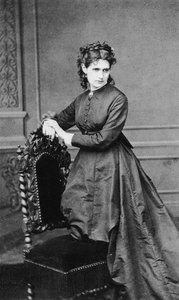
Berthe Morisot
1841 - 1895 , Frankreich
Kurzinfos
- Beeinflusste Künstler:
- Édouard Manet
- Jean-Honoré Fragonard
- Bemerkenswerte Werke:
- Das Wiegenlied
- Ein Eck von der Rosengarten
- Geburtsdatum: 14. Januar 1841
- Geburtsort: Bourges, Frankreich
- Künstlerische Bewegung: Impressionismus
- Nationalität: Französisch
- Sterbedatum: 2. März 1895
- Vollständiger Name: Berthe Morisot
Ähnliche Artikel
Cultivating Paradise: A Historical & Artistic Exploration of Gardens in Painting
Explore the rich history of gardens in painting! Discover masterpieces from Renaissance to Impressionism & beyond. Learn about symbolism, artists like Monet & Klimt, and find your perfect artwork at ArtsDot.
Impressionismus: Die 10 Meisterwerke, die eine Kunstbewegung prägten | ArtsDot
Entdecken Sie die 10 Meisterwerke des Impressionismus! Von Monet bis Renoir – erfahren Sie die Geschichten hinter ikonischen Gemälden, Techniken & Farben. Hochwertige Reproduktionen auf ArtsDot.com.

Beyond the Shadows: The Powerful Legacies of Artemisia Gentileschi and Berthe Morisot
Explore the profound legacies of Artemisia Gentileschi and Berthe Morisot. Discover how these female masters redefined the Baroque and Impressionist eras through dramatic chiaroscuro and luminous light, leaving an indelible mark on art history and modern aesthetics.
Impressionismus: Die 10 Meisterwerke, die eine Kunstbewegung prägten |
Entdecken Sie die 10 Meisterwerke des Impressionismus! Von Monet bis Renoir – erfahren Sie die Geschichten hinter berühmten Gemälden & ihre einzigartigen Techniken. Kunstdrucke in Museumsqualiät auf .

Impressionismus Meisterwerke: Die Top 10 Kunstwerke für Ihr Zuhause | ArtsDot
Entdecken Sie die Top 10 Meisterwerke des Impressionismus! Von Monet bis Renoir – erfahren Sie die Geschichten hinter berühmten Gemälden, Techniken & Farben. Hochwertige Kunstdrucke auf ArtsDot.com.