 Vorschau anzeigen
 Versenden
 Teilen
 Details anzeigen

 Herunterladen
 Ähnliche Objekte
 Röntgenaufnahme
 Diashow
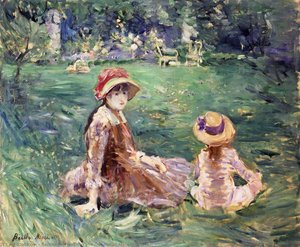
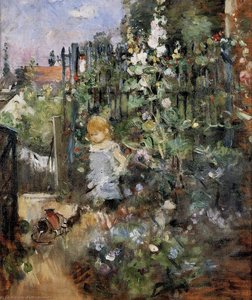
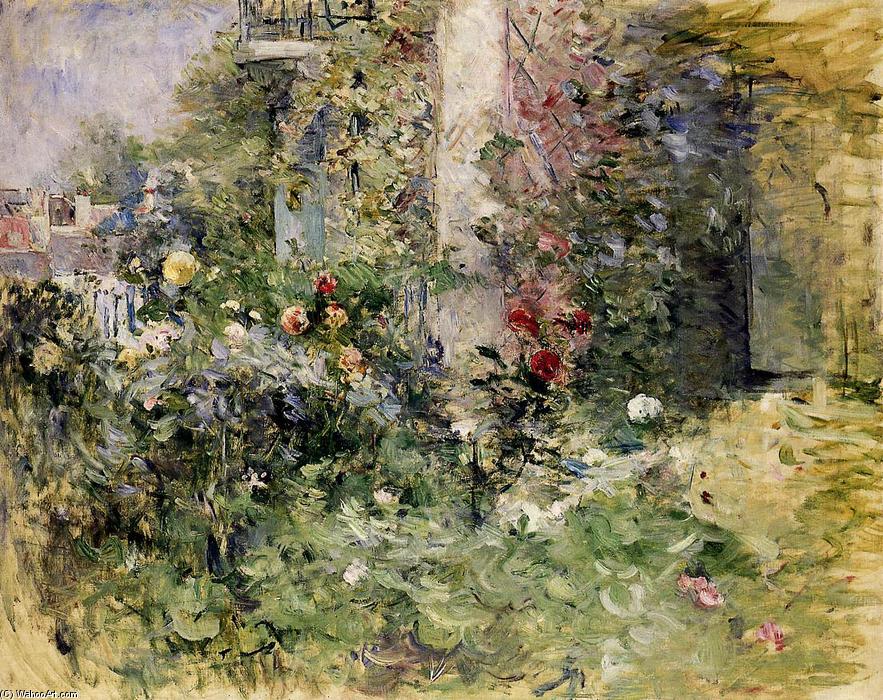
The Garden at Bougival
 Ölfarbe
- Wandkunst
- Impressionist Movement
 1884
1884 92.0 x 73.0 cm
 Musée Marmottan Monet
 Weiterlesen
Giclée / Kunstdruck
Giclée- oder Leinwanddruck in Museumsqualität mit schneller Produktion und flexiblen Veredelungsoptionen. ( Handgemalte Reproduktion bestellen Bild kaufen)




P118B $10

P118H $10

P118W $10

P438Z $10

P508JH $12

P508YH $12

P805H $10

P805Z $10

P919BZ $10

P919G $10

P919XJ $10

P959ZH $10

P968JZ $12

W106C $8

W218G $10

W218JH $8

W218Y $10

W307PJ $10

W316G $10

W316PJ $8

W316Y $10

W398PJ $8

W4111J $10

W500HY $15

W500JH $15

W692G $12

W849H $8

W940BG $15

W953PJ $8




Wählen Sie aus unseren vordefinierten Formaten, die den ursprünglichen Proportionen des Kunstwerks entsprechen.

Sie können Ihre eigenen Maße eingeben, um ein bestimmtes Format oder einen speziellen Platz einzupassen. Wenn das von Ihnen gewählte Format nicht den Proportionen des Originalbildes entspricht, werden wir das Kunstwerk entweder beschneiden oder das Bild mit einem gespiegelten oder einfarbigen Rand erweitern. Ein digitaler Entwurf wird Ihnen zur Genehmigung zugesandt, bevor die Produktion beginnt.
Bitte beachten Sie, dass die Vorschau auf dem Bildschirm nicht den tatsächlichen Zuschnitt oder die Erweiterung widerspiegelt. Nur der Entwurf zeigt die endgültige Komposition präzise an.
Obwohl Sondermaße verfügbar sind, empfehlen wir die Auswahl eines Maßes aus der vordefinierten Liste, um die ursprünglichen Proportionen zu bewahren.
Weltweiter Versand () innerhalb von 2 Wochen statt der üblichen 4/5 Wochen. (7 September)

Kostenloser weltweiter Expressversand

Hochwertige Leinenleinwand

Umfassender Versicherungsschutz beim Versand

Zollgebühren-Rückerstattungsgarantie

Garantie für exakte Farbtreue

100-Tage-Rückgaberecht (nur bei Mängeln)

100% Geld-zurück-Garantie

Mengenrabatt verfügbar
 Die Glasoption ist nur für Größen unter 110 cm verfügbar.

The Garden at Bougival
Giclée / Kunstdruck
Format der Reproduktion
-


Gesamtpreis
$ 62
The Garden at Bougival: A Moment of Impressionistic Serenity
Berthe Morisot’s “The Garden at Bougival,” painted in 1884, is more than just a depiction of a sun-drenched garden; it's an intimate glimpse into the heart of the Impressionist movement and a testament to Morisot’s unique ability to capture fleeting moments of beauty. Housed within the Musée Marmottan Monet in Paris, this oil-on-canvas masterpiece invites us into a world of dappled light, vibrant color, and quiet contemplation – a space where domestic tranquility intertwines with the natural splendor of a French summer. The painting’s charm lies not just in its subject matter but in Morisot's masterful use of technique to evoke a profound sense of atmosphere and emotion.
At first glance, “The Garden at Bougival” presents a seemingly simple scene: a meticulously maintained garden adjacent to a charming house with a welcoming balcony. However, closer observation reveals a wealth of detail and a deliberate artistic strategy. Morisot doesn’t strive for photographic realism; instead, she employs loose, feathery brushstrokes – a hallmark of Impressionism – to suggest form and texture rather than define them precisely. The flowers themselves—a riot of roses, poppies, irises, and other blooms—are rendered with an almost joyful exuberance, their colors intensified by the play of light and shadow. Notably, at least thirteen distinct flower types are identifiable, a deliberate choice that speaks to Morisot’s keen eye for detail and her desire to celebrate the abundance of nature.
Impressionist Techniques: Light, Color, and Movement
Morisot's approach to color is particularly captivating. She utilizes broken brushstrokes—applying small dabs of pure pigment side-by-side rather than blending them—to create a shimmering effect that mimics the way light dances across surfaces. The warm hues of the roses and foliage contrast beautifully with the cooler tones of the shadows, while subtle shifts in color suggest movement and atmosphere. The painting’s overall luminosity is achieved through her skillful manipulation of light; she captures not just the direct sunlight but also its reflected glow on leaves and petals, creating a sense of depth and vibrancy. The balcony itself, bathed in soft light, provides a focal point, hinting at domestic life beyond the garden's embrace.
Furthermore, Morisot’s technique is deeply rooted in her observation of the natural world. She wasn’t interested in painting a static representation but rather in conveying the *impression* of a garden—its fleeting beauty, its warmth, and its sense of tranquility. The slightly blurred edges and loose brushwork contribute to this effect, suggesting that the scene is constantly shifting with the movement of light and air.
A Portrait of Domestic Life and Artistic Significance
“The Garden at Bougival” offers a poignant glimpse into the domestic life of Morisot and her family. The presence of the potted plants and the balcony suggests a comfortable, well-loved home—a sanctuary from the bustle of Parisian society. Morisot’s decision to depict this intimate scene is significant within the context of Impressionism, which sought to break away from traditional academic painting conventions and explore new subjects and approaches. As one of the first women to gain recognition as an artist during this period, Morisot's work challenged societal expectations and paved the way for future generations of female artists.
Painted in 1884, a pivotal year for the Impressionist movement, “The Garden at Bougival” stands as a testament to Berthe Morisot’s artistic vision. It exemplifies her ability to capture the essence of a moment—a fleeting glimpse of beauty and tranquility—with remarkable sensitivity and skill. Today, this painting continues to resonate with viewers who appreciate its delicate charm, vibrant colors, and profound sense of atmosphere.
Owning a Reproduction: Bringing Morisot’s Vision Home
ArtsDot offers meticulously crafted, hand-painted oil painting reproductions of “The Garden at Bougival,” allowing you to experience the beauty and artistry of this iconic Impressionist masterpiece in your own home. Our skilled artisans replicate Morisot's unique techniques with exceptional attention to detail, ensuring that your reproduction captures the essence of the original while retaining its own distinct character. Whether you’re an art enthusiast, a collector, or simply seeking to add a touch of timeless elegance to your interior décor, a ArtsDot reproduction of “The Garden at Bougival” is a beautiful and meaningful addition to any collection.
Ähnliche Kunstwerke
Über den Künstler
Frühe Jahre und künstlerischer Beginn
Berthe Marie Pauline Morisot, eine französische Malerin, wurde am 14. Januar 1841 in Bourges, Frankreich, geboren. Sie entstammte einer wohlhabenden bürgerlichen Familie; ihr Vater, Edmé Tiburce Morisot, war Präfekt des Départements Cher. Ihre Mutter, Marie-Joséphine-Cornélie Thomas, war mit Jean-Honoré Fragonard, einem bedeutenden Rokoko-Maler, verwandt.Künstlerische Ausbildung und Einflüsse
Berthe, zusammen mit ihren Schwestern Yves und Edma, erhielt Privatunterricht in Kunst von Geoffroy-Alphonse Chocarne und Joseph Guichard. Dies markierte den Beginn ihrer künstlerischen Reise. Im Jahr 1857 führte Guichard sie in die Louvre-Galerie ein, wo sie durch Beobachtung und Kopieren von Gemälden lernten.Wichtige Werke und Ausstellungen
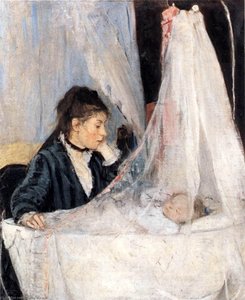
Berthes erster Auftritt im Salon de Paris war 1864 mit zwei Landschaftsbildern. Sie zeigte ihre Arbeit regelmäßig bis 1873. Im Jahr 1874 schloss sie sich den Impressionisten bei ihrer ersten Ausstellung an, in der auch bemerkenswerte Künstler wie Paul Cézanne, Edgar Degas und Claude Monet vertreten waren.- Das Wiegenlied, ein ergreifendes impressionistisches Meisterwerk, das die Intimität der Mutterschaft einfängt.
- Ein Eck von der Rosengarten, ein friedliches impressionistisches Meisterwerk, das die Schönheit der Natur einfängt.
- Ihr Beitritt zu den Impressionisten-Ausstellungen festigte ihre Position innerhalb der Bewegung.
Persönliches Leben und Vermächtnis
Berthe heiratete Eugène Manet, den Bruder ihres Freundes und Kollegen Édouard Manet. Ihre reife Karriere begann 1872, als Durand-Ruel zweiundzwanzig ihrer Gemälde kaufte. Berthe wählte es, unter ihrem vollständigen Mädchennamen auszustellen, ein Beweis für ihre Unabhängigkeit. Wichtige Fakten:- Verheiratet mit Eugène Manet, Bruder von Édouard Manet.
- Erste Impressionisten-Ausstellung im Jahr 1874.
- Von einem Kritiker für Le Temps im Jahr 1877 als "eine echte Impressionistin" beschrieben.
Künstlerische Entwicklung und Bedeutung
Berthes Werk zeichnete sich durch eine subtile Farbgebung, flüchtige Pinselstriche und eine Vorliebe für intime Szenen des Familienlebens aus. Sie malte oft ihre Schwester Edma und ihre Tochter Julie, wodurch sie die häusliche Welt der Frau im 19. Jahrhundert einfing. Im Gegensatz zu einigen ihrer impressionistischen Kollegen konzentrierte sich Morisot weniger auf Landschaften oder urbane Szenen und mehr auf das Innenleben und die Beziehungen innerhalb des bürgerlichen Hauses. Ihre Gemälde spiegeln eine Sensibilität wider, die sowohl von der Tradition als auch von den neuen künstlerischen Experimenten der Impressionisten beeinflusst war. Sie entwickelte einen einzigartigen Stil, der sich durch eine gewisse Leichtigkeit und Transparenz auszeichnete, was ihre Werke besonders ansprechend macht.Historische Bedeutung
Berthe Morisot war eine wichtige Figur in der impressionistischen Bewegung und trug dazu bei, die Rolle der Frauen in der Kunstwelt des 19. Jahrhunderts zu verändern. Trotz der Herausforderungen, denen sich Künstlerinnen damals gegenübersahen, etablierte sie sich als anerkannte Malerin und schuf ein bedeutendes Œuvre, das bis heute bewundert wird. Ihre Werke sind Teil wichtiger Sammlungen weltweit und werden für ihre künstlerische Qualität und ihren Beitrag zur impressionistischen Kunstgeschichte geschätzt.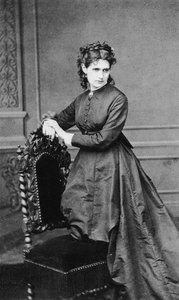
Berthe Morisot
1841 - 1895 , Frankreich
Kurzinfos
- Beeinflusste Künstler:
- Édouard Manet
- Jean-Honoré Fragonard
- Bemerkenswerte Werke:
- Das Wiegenlied
- Ein Eck von der Rosengarten
- Geburtsdatum: 14. Januar 1841
- Geburtsort: Bourges, Frankreich
- Künstlerische Bewegung: Impressionismus
- Nationalität: Französisch
- Sterbedatum: 2. März 1895
- Vollständiger Name: Berthe Morisot
Ähnliche Artikel
Cultivating Paradise: A Historical & Artistic Exploration of Gardens in Painting
Explore the rich history of gardens in painting! Discover masterpieces from Renaissance to Impressionism & beyond. Learn about symbolism, artists like Monet & Klimt, and find your perfect artwork at ArtsDot.
Impressionismus Meisterwerke: Die Top 10 Kunstwerke für Ihr Zuhause | ArtsDot
Entdecken Sie die Top 10 Meisterwerke des Impressionismus! Von Monet bis Renoir – erfahren Sie die Geschichten hinter berühmten Gemälden, Techniken & Farben. Hochwertige Kunstdrucke auf ArtsDot.com.

Paul Cézanne: Die 25 Meisterwerke des Impressionismus | ArtsDot
Entdecken Sie die 25 Meisterwerke von Paul Cézanne! Tauchen Sie ein in die Welt des Impressionismus und Postimpressionismus. Erfahren Sie mehr über seine Stillleben, Landschaften & berühmten Gemälde – jetzt hochwertige Kunstdrucke auf ArtsDot.com.
Beyond the Shadows: The Powerful Legacies of Artemisia Gentileschi and Berthe Morisot
Explore the profound legacies of Artemisia Gentileschi and Berthe Morisot. Discover how these female masters redefined the Baroque and Impressionist eras through dramatic chiaroscuro and luminous light, leaving an indelible mark on art history and modern aesthetics.
Impressionismus: Die 10 Meisterwerke, die eine Kunstbewegung prägten |
Entdecken Sie die 10 Meisterwerke des Impressionismus! Von Monet bis Renoir – erfahren Sie die Geschichten hinter berühmten Gemälden & ihre einzigartigen Techniken. Kunstdrucke in Museumsqualiät auf .