 Vorschau anzeigen
 Versenden
 Teilen
 Details anzeigen

 Herunterladen
 Ähnliche Objekte
 Röntgenaufnahme
 Diashow
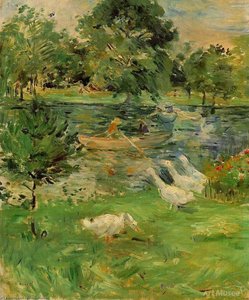
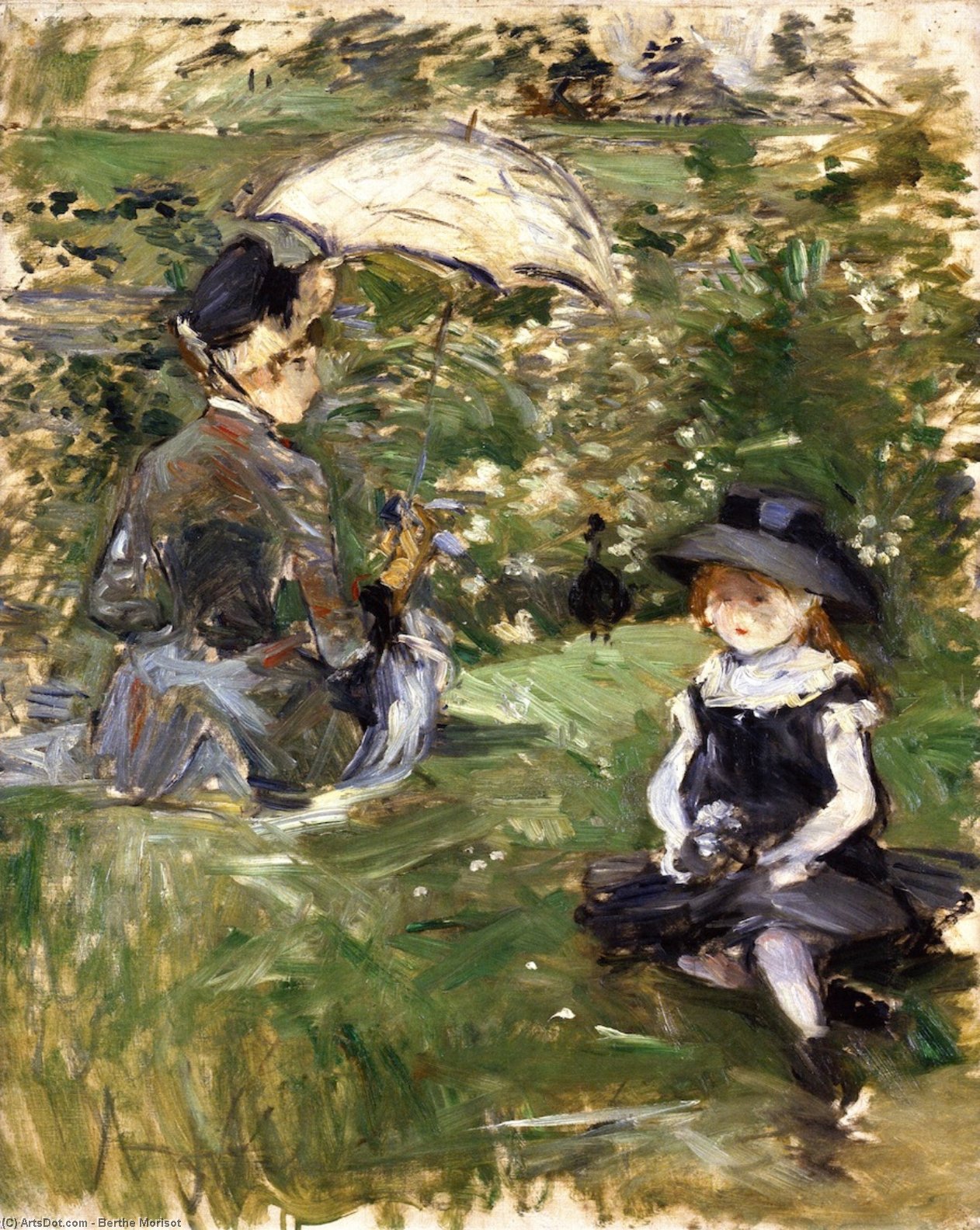
Young Woman and Child on an Isle
 Oil On Canvas
- WallArt
- Impressionist Movement
 1883
1883- 19th Century
 61.0 x 50.0 cm
 Weiterlesen
Giclée / Kunstdruck
Giclée- oder Leinwanddruck in Museumsqualität mit schneller Produktion und flexiblen Veredelungsoptionen. ( Handgemalte Reproduktion bestellen Bild kaufen)




P118B $10

P118H $10

P118W $10

P438Z $10

P508JH $12

P508YH $12

P805H $10

P805Z $10

P919BZ $10

P919G $10

P919XJ $10

P959ZH $10

P968JZ $12

W106C $8

W218G $10

W218JH $8

W218Y $10

W307PJ $10

W316G $10

W316PJ $8

W316Y $10

W398PJ $8

W4111J $10

W500HY $15

W500JH $15

W692G $12

W849H $8

W940BG $15

W953PJ $8




Wählen Sie aus unseren vordefinierten Formaten, die den ursprünglichen Proportionen des Kunstwerks entsprechen.

Sie können Ihre eigenen Maße eingeben, um ein bestimmtes Format oder einen speziellen Platz einzupassen. Wenn das von Ihnen gewählte Format nicht den Proportionen des Originalbildes entspricht, werden wir das Kunstwerk entweder beschneiden oder das Bild mit einem gespiegelten oder einfarbigen Rand erweitern. Ein digitaler Entwurf wird Ihnen zur Genehmigung zugesandt, bevor die Produktion beginnt.
Bitte beachten Sie, dass die Vorschau auf dem Bildschirm nicht den tatsächlichen Zuschnitt oder die Erweiterung widerspiegelt. Nur der Entwurf zeigt die endgültige Komposition präzise an.
Obwohl Sondermaße verfügbar sind, empfehlen wir die Auswahl eines Maßes aus der vordefinierten Liste, um die ursprünglichen Proportionen zu bewahren.
Weltweiter Versand () innerhalb von 2 Wochen statt der üblichen 4/5 Wochen. (22 August)

Kostenloser weltweiter Expressversand

Hochwertige Leinenleinwand

Umfassender Versicherungsschutz beim Versand

Zollgebühren-Rückerstattungsgarantie

Garantie für exakte Farbtreue

60 Tage Rückgaberecht (nur bei Mängeln)

100% Geld-zurück-Garantie

Mengenrabatt verfügbar
 Die Glasoption ist nur für Größen unter 110 cm verfügbar.

Young Woman and Child on an Isle
Giclée / Kunstdruck
Format der Reproduktion
-


Gesamtpreis
$ 62
Sammlerstück-Beschreibung
A Moment of Quietude: Berthe Morisot's *Young Woman and Child on an Isle*
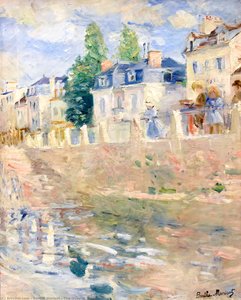
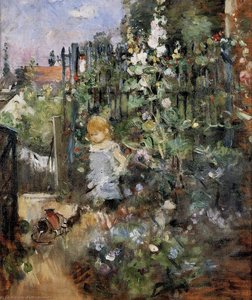
Berthe Morisot’s 1883 painting, *Young Woman and Child on an Isle*, is more than just a charming depiction of two women enjoying a summer afternoon; it’s a profound meditation on intimacy, observation, and the very essence of Impressionist art. Measuring 61 x 50 cm, this oil-on-canvas work immediately draws the viewer into a scene brimming with subtle emotion and delicate light – hallmarks of Morisot's distinctive style. The painting captures a fleeting moment, likely observed *en plein air*, reflecting her dedication to capturing the ephemeral effects of natural illumination, a core tenet of the Impressionist movement.
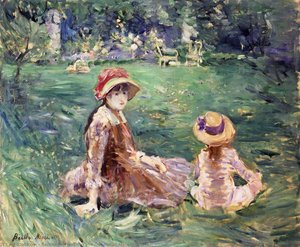
- Subject Matter: The composition centers on two women – a mother and child – seated casually on the grass. Their relaxed postures and absorbed expressions invite us into their private world.
- Color Palette: Morisot’s masterful use of soft, muted colors—pale blues, greens, and browns—creates an atmosphere of tranquility and warmth. These hues are applied with a remarkable sensitivity to light and shadow, contributing significantly to the painting's overall mood.
- Technique: The artist employs loose, broken brushstrokes, characteristic of Impressionism, which give the scene a sense of movement and immediacy. Details are rendered lightly, prioritizing the impression of form over precise representation.
Impressionist Principles and Morisot’s Vision
Morisot was deeply embedded within the burgeoning Impressionist circle, yet she forged her own unique path. Influenced by artists like Paul Gauguin (whose *Harbour Scene, Dieppe* offers a contrasting Post-Impressionistic approach), and Edouard Manet, she skillfully translated these influences into a distinctly personal style. Her focus remained firmly on capturing the subjective experience of seeing – the way light transforms objects and evokes emotion. Unlike some of her male contemporaries who sought grand landscapes or historical narratives, Morisot chose to depict scenes from everyday life, particularly those involving women and children, offering a fresh perspective on domesticity.
The inclusion of three birds—two soaring above and one perched nearby—adds an element of whimsy and natural harmony to the composition. These small details further enhance the painting’s sense of spontaneity and connection with the surrounding environment. The umbrella held aloft by the woman provides not only shade but also a visual anchor, directing the viewer's eye across the canvas.
Historical Context and Artistic Legacy
*Young Woman and Child on an Isle* was created during a period of significant artistic change in France. The Impressionist movement challenged traditional academic painting styles, advocating for direct observation and the depiction of modern life. Morisot’s work is inextricably linked to this revolutionary shift, representing a move away from formal portraiture towards more intimate and psychologically nuanced representations. Her dedication to capturing fleeting moments of beauty and emotion cemented her place as one of the most important female artists of the 19th century.
The painting's presence within collections like The Museum Hernani Collection in Madrid, alongside works from Mannerism and other movements, underscores Morisot’s significance within a broader artistic context. Its continued display at institutions such as the Scottish National Gallery of Modern Art in Edinburgh speaks to its enduring appeal and artistic merit.
Handmade Reproductions – Bringing Morisot Home
ArtsDot offers meticulously crafted, handmade oil painting reproductions of Berthe Morisot’s *Young Woman and Child on an Isle*. Each reproduction is created by skilled artisans using premium materials and techniques to faithfully replicate the original's delicate brushwork and subtle color palette. These reproductions are not merely copies; they are enduring tributes to Morisot’s artistic vision, perfect for art enthusiasts, collectors, and interior designers seeking to infuse their spaces with a touch of Impressionist elegance.
Ähnliche Kunstwerke
Über den Künstler
Frühe Jahre und künstlerischer Beginn
Berthe Marie Pauline Morisot, eine französische Malerin, wurde am 14. Januar 1841 in Bourges, Frankreich, geboren. Sie entstammte einer wohlhabenden bürgerlichen Familie; ihr Vater, Edmé Tiburce Morisot, war Präfekt des Départements Cher. Ihre Mutter, Marie-Joséphine-Cornélie Thomas, war mit Jean-Honoré Fragonard, einem bedeutenden Rokoko-Maler, verwandt.Künstlerische Ausbildung und Einflüsse
Berthe, zusammen mit ihren Schwestern Yves und Edma, erhielt Privatunterricht in Kunst von Geoffroy-Alphonse Chocarne und Joseph Guichard. Dies markierte den Beginn ihrer künstlerischen Reise. Im Jahr 1857 führte Guichard sie in die Louvre-Galerie ein, wo sie durch Beobachtung und Kopieren von Gemälden lernten.Wichtige Werke und Ausstellungen
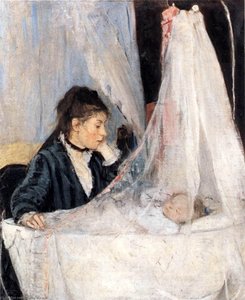
Berthes erster Auftritt im Salon de Paris war 1864 mit zwei Landschaftsbildern. Sie zeigte ihre Arbeit regelmäßig bis 1873. Im Jahr 1874 schloss sie sich den Impressionisten bei ihrer ersten Ausstellung an, in der auch bemerkenswerte Künstler wie Paul Cézanne, Edgar Degas und Claude Monet vertreten waren.- Das Wiegenlied, ein ergreifendes impressionistisches Meisterwerk, das die Intimität der Mutterschaft einfängt.
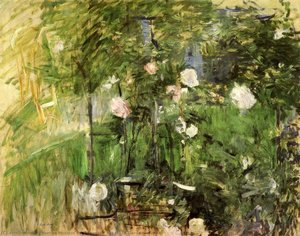
- Ein Eck von der Rosengarten, ein friedliches impressionistisches Meisterwerk, das die Schönheit der Natur einfängt.
- Ihr Beitritt zu den Impressionisten-Ausstellungen festigte ihre Position innerhalb der Bewegung.
Persönliches Leben und Vermächtnis
Berthe heiratete Eugène Manet, den Bruder ihres Freundes und Kollegen Édouard Manet. Ihre reife Karriere begann 1872, als Durand-Ruel zweiundzwanzig ihrer Gemälde kaufte. Berthe wählte es, unter ihrem vollständigen Mädchennamen auszustellen, ein Beweis für ihre Unabhängigkeit. Wichtige Fakten:- Verheiratet mit Eugène Manet, Bruder von Édouard Manet.
- Erste Impressionisten-Ausstellung im Jahr 1874.
- Von einem Kritiker für Le Temps im Jahr 1877 als "eine echte Impressionistin" beschrieben.
Künstlerische Entwicklung und Bedeutung
Berthes Werk zeichnete sich durch eine subtile Farbgebung, flüchtige Pinselstriche und eine Vorliebe für intime Szenen des Familienlebens aus. Sie malte oft ihre Schwester Edma und ihre Tochter Julie, wodurch sie die häusliche Welt der Frau im 19. Jahrhundert einfing. Im Gegensatz zu einigen ihrer impressionistischen Kollegen konzentrierte sich Morisot weniger auf Landschaften oder urbane Szenen und mehr auf das Innenleben und die Beziehungen innerhalb des bürgerlichen Hauses. Ihre Gemälde spiegeln eine Sensibilität wider, die sowohl von der Tradition als auch von den neuen künstlerischen Experimenten der Impressionisten beeinflusst war. Sie entwickelte einen einzigartigen Stil, der sich durch eine gewisse Leichtigkeit und Transparenz auszeichnete, was ihre Werke besonders ansprechend macht.Historische Bedeutung
Berthe Morisot war eine wichtige Figur in der impressionistischen Bewegung und trug dazu bei, die Rolle der Frauen in der Kunstwelt des 19. Jahrhunderts zu verändern. Trotz der Herausforderungen, denen sich Künstlerinnen damals gegenübersahen, etablierte sie sich als anerkannte Malerin und schuf ein bedeutendes Œuvre, das bis heute bewundert wird. Ihre Werke sind Teil wichtiger Sammlungen weltweit und werden für ihre künstlerische Qualität und ihren Beitrag zur impressionistischen Kunstgeschichte geschätzt.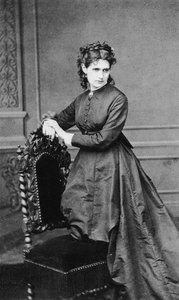
Berthe Morisot
1841 - 1895 , Frankreich
Kurzinfos
- Beeinflusste Künstler:
- Édouard Manet
- Jean-Honoré Fragonard
- Bemerkenswerte Werke:
- Das Wiegenlied
- Ein Eck von der Rosengarten
- Geburtsdatum: 14. Januar 1841
- Geburtsort: Bourges, Frankreich
- Künstlerische Bewegung: Impressionismus
- Nationalität: Französisch
- Sterbedatum: 2. März 1895
- Vollständiger Name: Berthe Morisot
Ähnliche Artikel
Impressionistic Realism's Finest: 10 Masterpieces for Your Home | ArtsDot
Journey through Impressionistic Realism with 10 iconic masterpieces by Monet, Renoir & Van Gogh. Explore art history, techniques & find museum-quality reproductions for your home at ArtsDot.com. Discover all masterpieces online!

Impressionistische Landschaften: Die 10 Meisterwerke, die eine Epoche prägten | ArtsDot
Entdecken Sie die 10 Meisterwerke des Impressionismus! Von Monet bis Renoir – erleben Sie die Geschichte, Technik und zeitlose Schönheit ikonischer Landschaftsbilder. Hochwertige Kunstdrucke auf ArtsDot.com. Jetzt entdecken!

Impressionistische Landschaften: Die 10 Meisterwerke, die eine Kunstrichtung prägten | ArtsDot
Entdecken Sie die 10 Meisterwerke des Impressionismus! Von Monet bis Van Gogh – erleben Sie die Geschichten hinter berühmten Landschaftsbildern. Hochwertige Kunst Reproduktionen für Ihr Zuhause auf ArtsDot.com.
Beyond the Shadows: The Powerful Legacies of Artemisia Gentileschi and Berthe Morisot
Explore the profound legacies of Artemisia Gentileschi and Berthe Morisot. Discover how these female masters redefined the Baroque and Impressionist eras through dramatic chiaroscuro and luminous light, leaving an indelible mark on art history and modern aesthetics.

Giclée Prints: Archival Quality & Aesthetic Nuances for the Discerning Collector
Explore the world of giclée prints with ArtsDot. Learn about archival quality, aesthetic nuances & investment potential. Expert guidance for discerning art collectors seeking museum-quality reproductions and lasting value.