 Vorschau anzeigen
 Versenden
 Teilen
 Details anzeigen

 Herunterladen
 Ähnliche Objekte
 Röntgenaufnahme
 Diashow
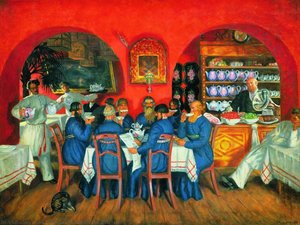
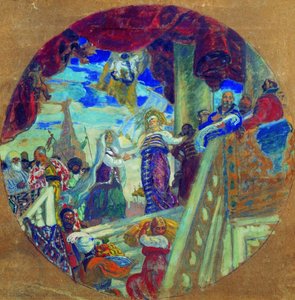
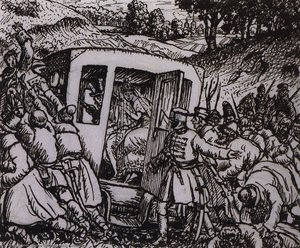
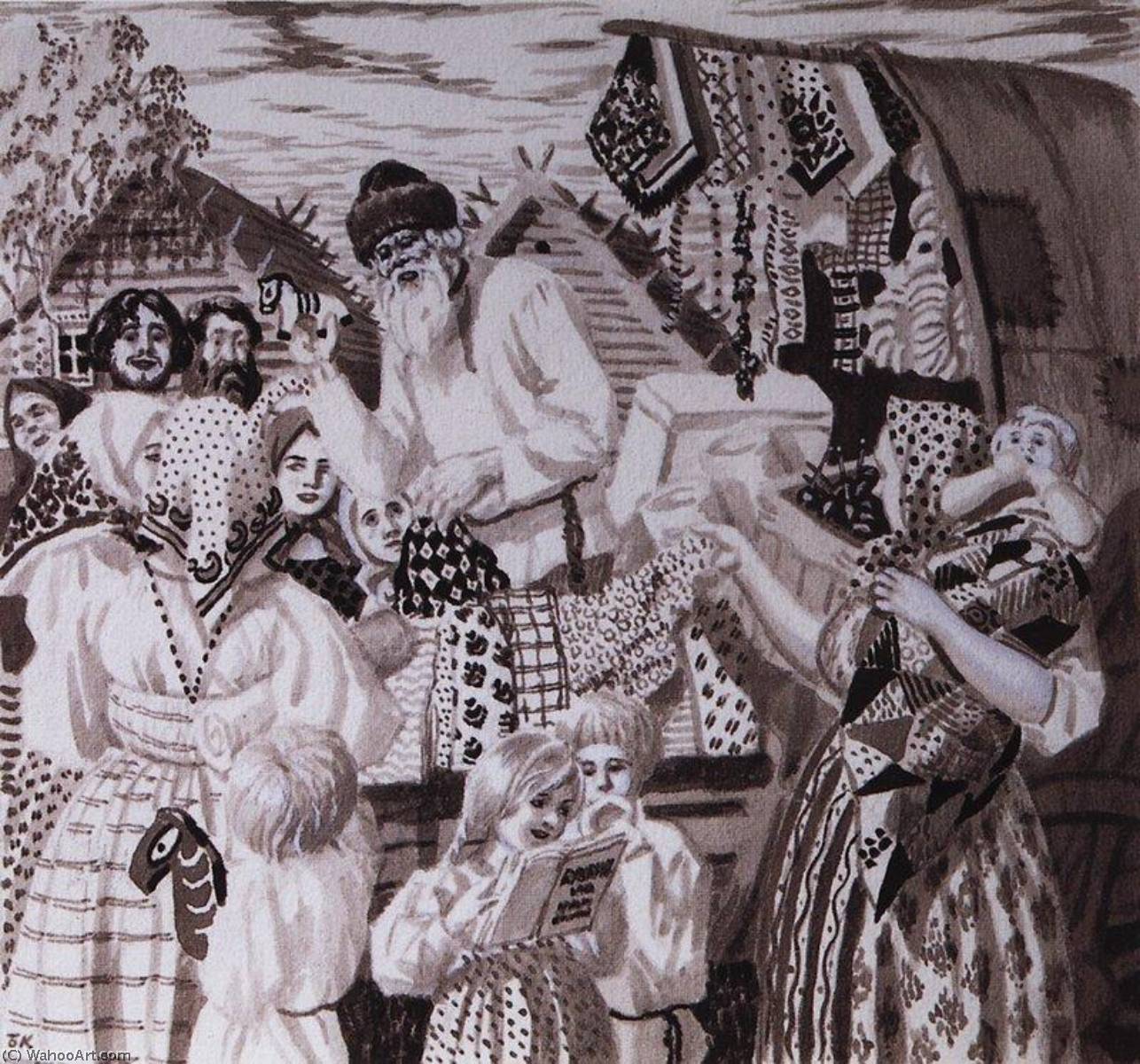
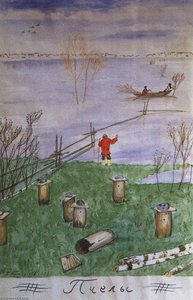
An Illustration for Nikolai Nekrasov's Poem Uncle Yakov


 Weiterlesen
Handgefertigte Ölreproduktion
Handgemaltes Ölgemälde auf Leinwand in Ihrer Wunschgröße und mit Rahmen, auf Bestellung von unseren Künstlern angefertigt. ( Druck bestellen Bild kaufen)




P118B $10

P118H $10

P118W $10

P438Z $10

P508JH $12

P508YH $12

P805H $10

P805Z $10

P919BZ $10

P919G $10

P919XJ $10

P959ZH $10

P968JZ $12

W106C $8

W218G $10

W218JH $8

W218Y $10

W307PJ $10

W316G $10

W316PJ $8

W316Y $10

W398PJ $8

W4111J $10

W500HY $15

W500JH $15

W692G $12

W849H $8

W940BG $15

W953PJ $8




Wählen Sie aus unseren vordefinierten Formaten, die den ursprünglichen Proportionen des Kunstwerks entsprechen.

Sie können Ihre eigenen Maße eingeben, um einen bestimmten Rahmen oder Platz auszufüllen. Wenn die gewählte Größe nicht den Proportionen des Originalbildes entspricht, werden wir das Kunstwerk entweder beschneiden oder das Gemälde durch zusätzliche, handgemalte Elemente erweitern. Ein digitales Mockup wird Ihnen zur Genehmigung zugesandt, bevor die Produktion beginnt.
Bitte beachten Sie, dass die Bildschirmvorschau nicht die tatsächliche Beschneidung oder Erweiterung widerspiegelt. Nur das Mockup zeigt die endgültige Komposition exakt an.
Obwohl Sondermaße verfügbar sind, empfehlen wir, eine Größe aus der vordefinierten Liste zu wählen, um die ursprünglichen Proportionen beizubehalten.
Nach der Bestellung wird das ArtsDot.com-Team dem Kunden Anweisungen per E-Mail zusenden und eine Mockup-Vorschau bereitstellen.
Weltweiter Versand () in nur 3 bis 4 Wochen statt der üblichen 5 Wochen. (3 September). Keine Kompromisse bei der Qualität.

Kostenloser weltweiter Expressversand

Hochwertige Leinenleinwand

Umfassender Versicherungsschutz beim Versand

Zollgebühren-Rückerstattungsgarantie

Garantie für exakte Farbtreue

60 Tage Rückgaberecht (nur bei Mängeln)

100% Geld-zurück-Garantie

Mengenrabatt verfügbar
 Die Glasoption ist nur für Größen unter 110 cm verfügbar.

An Illustration for Nikolai Nekrasov's Poem Uncle Yakov
Art der Reproduktion
Format der Reproduktion
-


Gesamtpreis
$ 263
An Illustration for Nikolai Nekrasov’s Poem “Uncle Yakov” – A Window into Russian Soul
Boris Mikhailovich Kustodiev's 1921 illustration for Nikolai Nekrasov’s poem "Uncle Yakov" isn’t merely a depiction of a rural scene; it’s a meticulously crafted window into the heart of late Tsarist Russia, brimming with social commentary and imbued with a poignant sense of melancholy. Painted during a turbulent period of societal upheaval, this work transcends its literal subject matter to become a powerful meditation on tradition, poverty, and the enduring spirit of an aging patriarch. Kustodiev, already establishing his signature style – characterized by rich, saturated colors, theatrical poses, and a penchant for depicting provincial life with both warmth and a subtle critique – here masterfully employs his distinctive technique to capture the essence of Nekrasov’s narrative. The painting is rendered in oil on canvas, utilizing broad brushstrokes that create a sense of texture and movement, particularly evident in the folds of the clothing and the weathered faces of the figures. Notice the deliberate use of light and shadow, guiding the viewer's eye through the composition and emphasizing key elements within the scene.- The Scene: The illustration unfolds within a humble village setting – a small, sparsely furnished room dominated by a large stove. A group of villagers gathers around an elderly man, Uncle Yakov, who sits in a rocking chair, seemingly lost in thought.
- Characters: The figures are rendered with remarkable detail and psychological depth. Each individual embodies a specific aspect of rural life – the young woman tending to a spinning wheel, the children playing, the older men engaged in conversation. Their faces tell stories of hardship, resilience, and quiet dignity.
- The Stove: The central stove is not just a source of warmth; it’s a symbol of family, tradition, and the enduring connection to the past. It represents the heart of the household and the continuity of generations.
Kustodiev's Style and Technique – A Symphony of Color and Emotion
Kustodiev’s artistic style is instantly recognizable—a vibrant blend of realism, theatricality, and a touch of romanticism. He was deeply influenced by the “World of Art” movement, which sought to break away from academic traditions and embrace a more expressive and emotionally charged approach to painting. In "Uncle Yakov," this influence is evident in the exaggerated poses, the dramatic lighting, and the intense colors. The palette is rich and warm—deep reds, browns, and yellows dominate the scene, creating a sense of intimacy and warmth. However, there’s also an underlying note of sadness and resignation, reflected in the muted tones of the background and the weary expressions on the faces of the villagers. Kustodiev's masterful use of color isn't merely decorative; it serves to convey mood and emotion, drawing the viewer into the heart of the scene. The brushwork is loose and expressive, contributing to the painting’s overall sense of dynamism and vitality.Historical Context – A Nation in Transition
Created in 1921, this illustration emerges from a Russia grappling with profound social and political change. The early 20th century witnessed the decline of the Tsarist regime, followed by the Russian Revolution of 1905 and the subsequent Civil War. Nekrasov’s poem itself addressed themes of poverty, social injustice, and the plight of the peasantry – issues that resonated deeply with a population struggling to survive in the face of economic hardship and political turmoil. Kustodiev's depiction of rural life reflects this atmosphere of uncertainty and change, capturing both the beauty and the hardships of a nation on the cusp of transformation. The painting can be interpreted as a poignant commentary on the traditional values of rural Russia—values that were being challenged by the forces of modernization and industrialization.Symbolism and Emotional Impact – A Portrait of Resilience
Beyond its literal depiction, "Uncle Yakov" is rich in symbolism. Uncle Yakov himself represents the wisdom and experience of generations past, a link to a bygone era. His quiet contemplation suggests a deep understanding of life’s complexities and a acceptance of fate. The children playing symbolize hope for the future, while the women represent the continuation of family traditions. The painting evokes a powerful sense of nostalgia—a longing for simpler times and a recognition of the enduring strength of the human spirit. Despite the hardships depicted, there's also an underlying feeling of warmth and community, suggesting that even in the face of adversity, people find solace in each other’s company. It is a testament to Kustodiev’s ability to capture not just a scene, but the very soul of Russia.Ähnliche Kunstwerke
Über den Künstler
Frühes Leben und Ausbildung
Boris Michailowitsch Kustodijew, ein renommierter russischer Maler und Bühnenbildner, wurde am 7. März 1878 in Astrachan geboren. Sein Vater, ein Professor für Philosophie, Literaturgeschichte und Logik an der örtlichen Theologischen Akademie, verstarb früh, was seine Mutter mit finanziellen Belastungen konfrontierte. Diese frühe Erfahrung mit den Kämpfen des städtischen Bürgertums beeinflusste später Kustodijews künstlerische Themen. Zwischen 1893 und 1896 studierte er an der Theologischen Akademie in Astrachan und erhielt Privatunterricht im Malen von Pavel Wlassow, einem Schüler von Wassili Perow. Von 1896 bis 1903 besuchte er das Atelier von Ilja Repin an der Kaiserlichen Kunstakademie in St. Petersburg.Künstlerische Karriere und bedeutende Werke
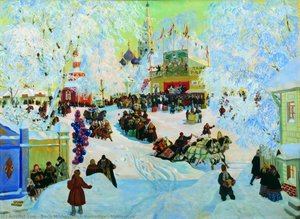
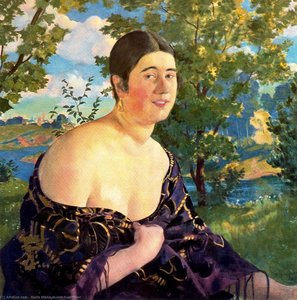
Kustodijews künstlerische Karriere war geprägt von seinen Beiträgen zu verschiedenen Genres, darunter Porträts, Genrebilder und Buchillustrationen. Sein Werk Die Kaufmannsfrau (1918) gilt als eines seiner berühmtesten. *Fontanka* (1916) und *Pancake Tuesday/Masleniza* (1916) sind bemerkenswert für ihre lebendige Darstellung des russischen Lebens. Kustodijews Porträts, wie die von Iwan Bilibin (1901), Moldowzew (1901) und dem Radierer Mate (1902), zeugen von seiner Fähigkeit, das Wesen seiner Motive einzufangen. Er schloss sich 1910 der Gruppe Mir Iskusstwa (Die Welt der Kunst) an und nahm an allen ihren Ausstellungen teil. Kustodijew illustrierte zahlreiche Werke klassischer russischer Literatur, darunter Nikolai Gogols *Tote Seelen*, Michail Lermontows *Das Lied von Zar Iwan Wassiljewitsch, seinem tapferen Gesellen Kalaschnikow* und Leo Tolstois *Wie der Teufel den Bauern das Brot stahl*.Späteres Leben und Vermächtnis
1916 wurde Kustodijew gelähmt, doch sein künstlerisches Schaffen blieb produktiv. Seine späteren Werke, die durch ihre Fröhlichkeit und Farbintensität gekennzeichnet sind, stehen im Kontrast zum körperlichen Leid, das er ertrug. *Der Markt* von Alexej Petrowitsch Bogolyubow ist ein Beweis für den bleibenden Einfluss von Kustodijews Stil. Die Kramskoi-Kunstmuseum in Woronesch, Russland, beherbergt eine beeindruckende Sammlung russischer Kunst, darunter Werke von renommierten Künstlern wie Wassili Maximow und Issak Iljitsch Lewitan. Trotz seiner körperlichen Einschränkungen schuf er weiterhin lebendige und farbenfrohe Bilder, die das alltägliche Leben in Russland feierten.Einflüsse und Entwicklung
Kustodijew wurde von verschiedenen künstlerischen Strömungen beeinflusst. Seine Ausbildung bei Ilja Repin legte den Grundstein für seine realistischen Fähigkeiten. Die Einflüsse des Mir Iskusstwa-Kreises trugen zu seiner Hinwendung zu einem dekorativeren, stilisierten Stil bei, der Elemente des Jugendstils aufnahm. Er war von russischer Folklore und dem Leben des einfachen Volkes inspiriert, was sich in seinen farbenfrohen Genrebildern widerspiegelt. Seine frühen Porträts zeigen den Einfluss klassischer Traditionen, während seine späteren Werke eine größere Vereinfachung der Formen und eine intensivere Verwendung von Farbe aufweisen.Historische Bedeutung
Boris Kustodijew gilt als einer der bedeutendsten russischen Maler des frühen 20. Jahrhunderts. Seine Werke bieten einen wertvollen Einblick in das Leben und die Kultur Russlands vor der Revolution. Er trug dazu bei, ein nationales Selbstverständnis durch die Darstellung traditioneller Bräuche und Festlichkeiten zu fördern. Sein optimistischer und farbenfroher Stil steht im Kontrast zur düsteren Atmosphäre vieler anderer russischer Künstler seiner Zeit und macht ihn zu einer einzigartigen Figur in der Kunstgeschichte. Seine Fähigkeit, das alltägliche Leben mit Wärme und Humor darzustellen, hat ihm einen festen Platz im Herzen des russischen Volkes gesichert.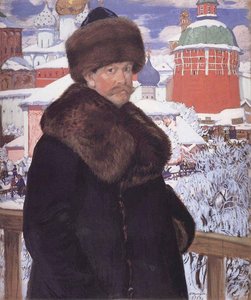
Boris Michailowitsch Kustodijew
1878 - 1927 , Russland
Kurzinfos
- Bemerkenswerte Werke:
- Die Kaufmannsfrau
- Fontanka
- Pancake Tuesday/Masleniza
- Einflussreiche Künstler:
- Ilya Repin
- Vasily Perov
- Geburtsdatum: 7. März 1878
- Geburtsort: Astrachan, Russland
- Künstlerische Richtung: Russischer Realismus
- Nationalität: Russisch
- Sterbedatum: 28. Mai 1927
- Vollständiger Name: Boris Michailowitsch Kustodiew
Ähnliche Artikel
Ivan Bilibin: A Synthesis of Folklore, Modernism & National Identity in Russian Illustration
Explore the enchanting world of Ivan Bilibin, a master Russian illustrator who synthesized folklore, Art Nouveau & national identity. Discover his iconic fairy tale illustrations and legacy with ArtsDot.
Kay Rasmus Nielsen: A Golden Age Illustrator's Enchanting Legacy of Symbolism & Narrative
Explore the captivating world of Kay Rasmus Nielsen, a celebrated Golden Age illustrator renowned for his Art Nouveau fairy tale art & Disney contributions. Discover his unique style, enduring legacy, and how to collect his enchanting works.
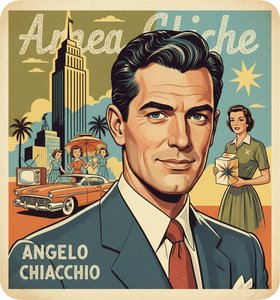
Angelo Chiacchio: A Mid-Century American Illustration Master & the Rise of Commercial Art
Explore the captivating world of Angelo Chiacchio, a master of mid-century American illustration. Discover his evolution, signature style, and lasting impact on commercial art & design. Learn about his legacy at the Museum of American Illustration.
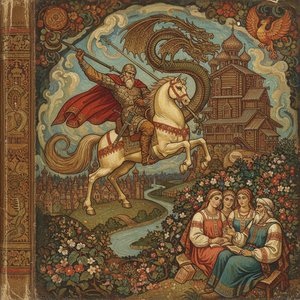
Victor Vasnetsov: Myth, Nationalism & the Revival of Russian Fairy Tale Painting
Explore the captivating world of Victor Vasnetsov, a co-founder of Russian folklorist painting. Discover his iconic works, influence on national identity, and lasting legacy in this expert guide.
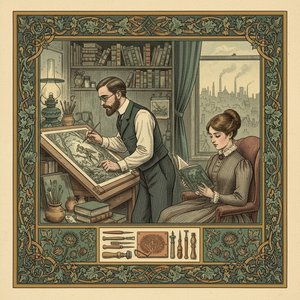
The Refined Aesthetic of Victorian Illustration: A Study in Narrative & Technique
Explore the captivating world of Victorian illustration! Discover Pre-Raphaelite influences, key artists like Rossetti & Stephens, and the era's rich narrative detail. A deep dive for art enthusiasts.