


 Versenden als Grußkarte
 Teilen
 Details anzeigen

 Herunterladen
 Ähnliche Objekte
 Diashow
 Besucherstatistiken
Backseat of a car.


 Mehr anzeigen
Erwerben Sie ein hochauflösendes, optimiertes digitales Bild, das der Online-Vorschau weit überlegen ist.
Jede Datei wird von unseren hauseigenen Spezialisten mit modernsten Werkzeugen und fachmännischer manueller Retusche sorgfältig vorbereitet. Wir stellen sicher, dass jedes Bild eine außergewöhnliche Klarheit, präzise Farbgenauigkeit und feinste Details aufweist.
Die endgültige Datei wird innerhalb von 72 Stunden per E-Mail zugestellt und ist für den sofortigen Einsatz in professionellen, redaktionellen und Druckumgebungen optimiert. Es handelt sich um dieselbe Qualität, der führende Designstudios, Verlage und Galerien vertrauen.
Digitales Bild
Laden Sie eine hochauflösende Datei für die persönliche Präsentation, den Druck und kreative Projekte herunter. ( Zum Druck wechseln Handgemalte Reproduktion kaufen)
In jeder Bestellung digitaler Bilder enthalten
Professionelle digitale Bereitstellung, garantiert
Wenn Sie sich für ArtsDot.com entscheiden, erhalten Sie nicht nur ein Bild – Sie erhalten ein professionell aufbereitetes digitales Kunstwerk, das mit höchster Präzision erstellt und durch eine Zufriedenheitsgarantie abgesichert wird. Hier ist alles, was automatisch mit Ihrer Bestellung geliefert wird:

Schnelle E-Mail-Zustellung
Ihre hochauflösende digitale Bilddatei wird Ihnen innerhalb von 72 Stunden nach der Bestellung per E-Mail zugestellt – bereit zur sofortigen Verwendung.

KI-optimierte digitale Datei
Ihre Kunstwerke werden professionell mithilfe fortschrittlicher KI-Tools und manueller Bearbeitung optimiert, um maximale Detailtreue, Klarheit und Farbgenauigkeit zu gewährleisten.

Kostenloser lebenslanger Neudruckservice
Datei versehentlich gelöscht oder verloren? Keine Sorge – wir senden sie Ihnen jederzeit kostenlos erneut zu.

Keine Einfuhrgebühren – jemals
Genießen Sie Ihr Kunstwerk sofort ohne Zollgebühren, Einfuhrabgaben oder Versandkosten – digitale Downloads sind immer steuerfrei.

Garantierte Farbtreue
Wir garantieren, dass Ihr digitales Bild mithilfe professioneller Werkzeuge und Farbmanagement die Originalfarben so präzise wie möglich wiedergibt.

100-Tage-Zufriedenheitsgarantie
Sollten Sie mit Ihrem digitalen Bild nicht zufrieden sein, werden wir es überarbeiten oder 100% innerhalb von 100 Tagen erstatten – ohne Wenn und Aber.

100% Geld-zurück-Garantie
Nicht zufrieden? Erhalten Sie innerhalb von 100 Tagen nach Erhalt Ihrer digitalen Datei eine vollständige Rückerstattung – ohne Wenn und Aber.

Rabatte bei Großbestellungen
3 Bilder kaufen, 10% sparen – 5 Bilder kaufen, 15% sparen – Ab 10 Bildern 20% sparen. Ideal für kreative Projekte, Galerien und Agenturen.
A Moment Frozen in Time: The Intimacy of "Backseat of a Car"
Bruce Davidson’s “Backseat of a Car,” captured in 1959 and later reproduced, isn't merely a photograph; it’s a distilled essence of a specific moment, a fleeting glimpse into the lives of young men navigating the complexities of post-war America. The image, starkly black and white, immediately draws the viewer into an intensely private scene – two figures embraced within the confines of a car interior. It's a composition that simultaneously invites intimacy and subtly evokes a sense of voyeurism, a hallmark of Davidson’s signature style, which he honed during his early years documenting marginalized communities in Harlem and Brooklyn.
Davidson’s approach wasn’t about grand narratives or sweeping social commentary. Instead, he sought to capture the raw reality of everyday life, often focusing on individuals rather than large groups. This photograph exemplifies that philosophy perfectly. The tight framing—the car's interior acting as a contained stage—heightens the drama and immediacy of the scene. The blurred background suggests an urban landscape rushing past, emphasizing the figures’ isolation within their shared space. The diagonal lines created by the car’s frame and the road contribute to a dynamic composition that mirrors the emotional intensity of the moment.
Technical Mastery & Documentary Roots
Davidson's technical skill is evident in the photograph’s masterful use of light and shadow. The lighting, likely originating from external sources filtering through the car windows, creates strong contrasts, sculpting the men’s bodies and lending a dramatic quality to the scene. The deliberate choice of black and white amplifies this effect, stripping away any distractions and focusing attention on form, texture, and emotion. Davidson's background in traditional darkroom techniques—learning from Al Cox—is palpable in the sharpness of detail and the subtle gradations of tone within the print.
- Film & Print Process: Likely utilizing a silver gelatin process, reflecting Davidson’s commitment to classic photographic methods.
- Compositional Techniques: The use of leading lines and shallow depth of field creates a sense of intimacy and immediacy.
- Lighting Control: The strategic placement of light sources enhances the drama and highlights the figures' forms.
Symbolism & Context – A Glimpse into Youth Culture
“Backseat of a Car” is deeply rooted in its historical context—the late 1950s, a period of burgeoning youth culture and shifting social norms. The photograph captures a moment of youthful intimacy against the backdrop of an increasingly complex America. The embrace itself speaks to a desire for connection and affection amidst the pressures of conformity. There’s a subtle tension present, hinting at a clandestine relationship—a common theme in Davidson's work exploring marginalized communities.
Furthermore, the setting – a car interior – is inherently symbolic. It represents both freedom and confinement, adventure and vulnerability. The act of driving suggests movement and escape, while the enclosed space creates a sense of intimacy and privacy. The photograph subtly challenges societal expectations surrounding relationships and sexuality, offering a raw and honest portrayal of young love.
Emotional Resonance & Lasting Impact
Beyond its technical merits and historical context, “Backseat of a Car” possesses a profound emotional resonance. It evokes feelings of tenderness, vulnerability, and perhaps even a touch of transgression. The photograph’s power lies in its ability to capture a fleeting moment of genuine human connection—a testament to the enduring appeal of intimate portraiture. It's a work that invites contemplation on themes of love, identity, and the complexities of navigating social boundaries. Reproductions of this iconic image continue to resonate with viewers today, offering a poignant reminder of the beauty and fragility of human relationships.
Ähnliche Kunstwerke
Künstlerbiografie
Bruce Davidson: Ein Leben in der Fotografie
- Geboren: 5. September 1933, Oak Park, Illinois
- Herkunft: ArtsDot
- Aktueller Status: Lebt
Frühe Karriere & Magnum Photos
- Militärdienst: Leistete seinen Militärdienst im US Army Signal Corps (1955-1957) ab und verbesserte dabei seine Fähigkeiten und dokumentierte das Leben in Fort Huachuca, Arizona.
- Pariser Begegnungen: Während seines Einsatzes nahe Paris traf er Henri Cartier-Bresson, einen entscheidenden Moment, der zu seiner Aufnahme in Magnum Photos im Jahr 1958 führte. In dieser Zeit produzierte er den Fotoessay "Witwe von Montmartre".
- Beitritt zu Magnum: Wurde 1958 assoziiertes Mitglied von Magnum Photos und 1959 Vollmitglied, was seine Position innerhalb eines angesehenen Zusammenschlusses dokumentarischer Fotografen festigte.
- Frühe Werke: Bemerkenswerte frühe Projekte sind "Brooklyn Gang" (1959), eine schonungslose Darstellung des Jugendlebens, und Erkundungen der britischen Kultur im Jahr 1960.
Dokumentation von sozialem Wandel & Armut
- Bürgerrechtsbewegung: Von 1961 bis 1965 dokumentierte Davidson die Bürgerrechtsbewegung in den Vereinigten Staaten und erhielt 1962 ein Guggenheim-Stipendium zur Unterstützung dieses umfangreichen Projekts.
- East 100th Street: Vielleicht sein bekanntestes Werk, "East 100th Street" (1970), ist eine zweijährige Dokumentation des Lebens in einem verarmten Block in East Harlem, New York City. Dieses Projekt bot einen ergreifenden und schonungslosen Blick auf die Realitäten, mit denen die Bewohner konfrontiert waren.
- Subway: Ende der 1970er Jahre wandte sich Davidson dem New Yorker U-Bahn-System zu und schuf "Subway", eine lebendige Darstellung dieser unterirdischen Welt.
Spätere Werke & Vermächtnis
- Central Park: In den frühen 1990er Jahren erforschte Davidson in einem vierjährigen Projekt den Central Park und zeigte seine Schönheit und Bedeutung als öffentlicher Raum innerhalb von New York City.
- Rückkehr nach East 100th Street: Er besuchte 1998 erneut East 100th Street, um die Revitalisierung der Nachbarschaft zu dokumentieren und erhielt dafür ein Open Society Institute Individual Fellowship Award.
- Filmemachen: Davidson wagte sich auch in das Filmemachen vor und drehte preisgekrönte Kurzfilme wie "Living Off the Land" und "Isaac Singer’s Nightmare and Mrs. Pupko’s Beard".
- Auszeichnungen & Anerkennung: Im Laufe seiner Karriere hat Davidson zahlreiche Auszeichnungen erhalten, darunter den Outstanding Contribution to Photography Award bei den Sony World Photography Awards 2011 und den Infinity Award Lifetime Achievement im Jahr 2018 vom International Center of Photography.
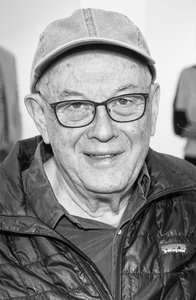
Bruce Davidson
1933 - , Vereinigte Staaten von Amerika
Kurzprofil
- Bemerkenswerte Werke:
- Brooklyn Gang
- East 100th Street
- Subway
- Central Park
- Einflüsse:
- Robert Frank
- Eugene Smith
- Henri Cartier-Bresson
- Geburtsdatum: 5. September 1933
- Künstlerische Richtung: Sozialdokumentarfotografie
- Nationalität: Amerikanisch
- Ort Der Geburt: Oak Park, USA
- Vollständiger Name: Bruce Davidson