


 Vorschau anzeigen
 Versenden
 Teilen
 Details anzeigen

 Herunterladen
 Ähnliche Objekte
 Röntgenaufnahme
 Diashow
 Statistiken
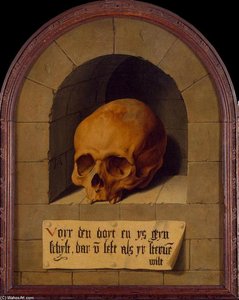
CRANE ET FEMUR (REVERS)

 Weiterlesen
Erwerben Sie ein hochauflösendes, optimiertes digitales Bild, das der Online-Vorschau weit überlegen ist.
Jede Datei wird von unseren hauseigenen Spezialisten mit modernsten Werkzeugen und fachmännischer manueller Retusche sorgfältig vorbereitet. Wir stellen sicher, dass jedes Bild eine außergewöhnliche Klarheit, präzise Farbgenauigkeit und feinste Details aufweist.
Die endgültige Datei wird innerhalb von 72 Stunden per E-Mail zugestellt und ist für den sofortigen Einsatz in professionellen, redaktionellen und Druckumgebungen optimiert. Es handelt sich um dieselbe Qualität, der führende Designstudios, Verlage und Galerien vertrauen.
Digitales Bild
Laden Sie eine hochauflösende Datei für die persönliche Präsentation, den Druck und kreative Projekte herunter. ( Zu Druck wechseln Handgemalte Reproduktion bestellen)
In jeder Bestellung digitaler Bilder enthalten
Professionelle digitale Bereitstellung, garantiert
Wenn Sie sich für ArtsDot.com entscheiden, erhalten Sie nicht nur ein Bild – Sie erhalten ein professionell aufbereitetes digitales Kunstwerk, das mit höchster Präzision erstellt und durch eine Zufriedenheitsgarantie abgesichert wird. Hier ist alles, was automatisch mit Ihrer Bestellung geliefert wird:

Schnelle E-Mail-Zustellung
Ihre hochauflösende digitale Bilddatei wird Ihnen innerhalb von 72 Stunden nach der Bestellung per E-Mail zugestellt – bereit zur sofortigen Verwendung.

KI-optimierte digitale Datei
Ihre Kunstwerke werden professionell mithilfe fortschrittlicher KI-Tools und manueller Bearbeitung optimiert, um maximale Detailtreue, Klarheit und Farbgenauigkeit zu gewährleisten.

Lebenslanger kostenloser Neudruckservice
Datei versehentlich gelöscht oder verloren? Keine Sorge – wir senden sie Ihnen jederzeit kostenlos erneut zu.

Keine Einfuhrgebühren – jemals
Genießen Sie Ihr Kunstwerk sofort ohne Zollgebühren, Einfuhrabgaben oder Versandkosten – digitale Downloads sind immer steuerfrei.

Garantierte Farbtreue
Wir garantieren, dass Ihr digitales Bild mithilfe professioneller Werkzeuge und Farbmanagement die Originalfarben so präzise wie möglich wiedergibt.

100-Tage-Zufriedenheitsgarantie
Wenn Sie mit Ihrem digitalen Bild nicht zufrieden sind, werden wir es überarbeiten oder 100% innerhalb von 100 Tagen erstatten – ohne Wenn und Aber.

100% Geld-zurück-Garantie
Nicht zufrieden? Erhalten Sie innerhalb von 100 Tagen nach Erhalt Ihrer digitalen Datei eine vollständige Rückerstattung – ohne Wenn und Aber.

Rabatte bei Großbestellungen
3 Bilder kaufen, 10% sparen – 5 Bilder kaufen, 15% sparen – Ab 10 Bildern 20% sparen. Ideal für kreative Projekte, Galerien und Agenturen.
Ähnliche Kunstwerke
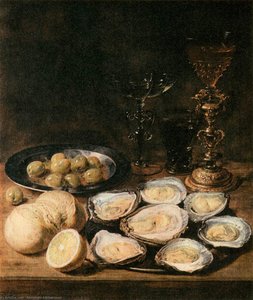
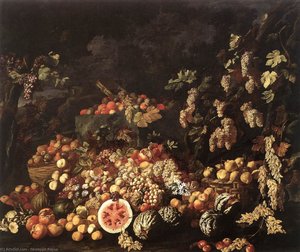
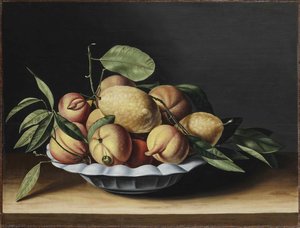
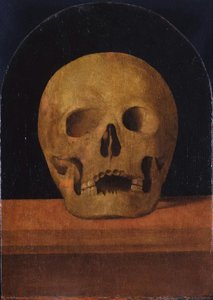
Biografie des Künstlers
Bartholomäus Bruyn (Le Vieux): A Master of Cologne’s Bourgeois Life
Bartholomäus Bruyn, more commonly known as Barthel Bruyn the Elder or Barthel Bruyn Le Vieux, stands as a pivotal figure in 16th-century German art, particularly renowned for his captivating portraits and elaborate altarpieces. Born around 1493 in Wesel or Cologne – details of his early life remain somewhat shrouded in mystery – Bruyn’s career blossomed within the vibrant artistic landscape of Cologne, transforming the city into a significant center for portraiture during a period of burgeoning wealth and civic pride. His work offers a remarkably intimate glimpse into the lives and aspirations of Cologne's bourgeois elite, capturing not just likenesses but also the very essence of their status and character.
Bruyn’s artistic journey began under the influence of his predecessors, notably Jan Joest and Joos van Cleve. Early works, dating from around 1515, demonstrate a clear connection to Joest's distinctive style – particularly his habit of illuminating figures from below – alongside the refined elegance characteristic of Van Cleve’s portraits. This early period established a foundation built upon meticulous detail and a burgeoning understanding of human form. However, as he progressed through the 1520s, Bruyn began to absorb the dynamism and dramatic flair of the Netherlandish “Romanism,” spearheaded by artists like Jan van Scorel, incorporating elements of Italian Renaissance art filtered through the engravings of Marcantonio Raimondi and the work of Martin van Heemskerck. This shift marked a significant evolution in his style, moving towards greater expressiveness and a more theatrical approach to composition.
The Altarpiece Master
Bruyn’s most enduring legacy lies in his monumental altarpieces. The 1522-1525 high altar for Essen Cathedral stands as a testament to his skill and ambition, showcasing a complex narrative of religious scenes interwoven with meticulously rendered figures. This ambitious project established him as a leading artist in the region and demonstrated his ability to orchestrate large-scale compositions that combined theological themes with intricate detail. Later commissions, such as the high altar for the church of Saint Victor in Xanten (1529), further solidified his reputation, revealing a growing mastery of color, perspective, and dramatic lighting – elements he skillfully borrowed from both Northern and Italian artistic traditions.
A Portraitist of Distinction
While Bruyn’s altarpieces garnered considerable attention, it is perhaps in the realm of portraiture that he truly distinguished himself. Unlike many of his contemporaries who relied on idealized representations, Bruyn's portraits possessed a remarkable sense of realism and psychological depth. He eschewed the conventional practice of flattering his subjects, instead offering honest and often subtly critical depictions of their personalities and social standing. His portraits frequently feature half-length compositions, focusing intently on the faces of his sitters – capturing not just physical likeness but also subtle expressions of character, wealth, and status. The attention to detail in clothing, jewelry, and hairstyles further emphasized the sitter’s position within Cologne society.
A particularly noteworthy aspect of Bruyn's portraiture is its relative lack of signature. This absence has led to ongoing debates among art historians regarding attribution, with some initially attributing portraits to Hans Holbein the Younger due to stylistic similarities that emerged after 1539. However, closer examination reveals a distinct Bruynian sensibility – characterized by a focus on individual character and a nuanced understanding of human expression.
Legacy and Historical Significance
Bartholomäus Bruyn’s influence extended far beyond his own lifetime. He established Cologne as a prominent center for portraiture, fostering a school of artists that continued to flourish after his death in 1555. His son, Bartholomäus Bruyn the Younger, carried on his father's workshop and perpetuated the family tradition. Bruyn’s works are now housed in prestigious collections worldwide, including the National Gallery in London, the Metropolitan Museum of Art in New York, and the Louvre in Paris, ensuring that his contributions to German Renaissance art continue to be appreciated and studied today. He remains a vital link between the artistic traditions of the Lower Rhine and the burgeoning dynamism of the Italian Renaissance, offering a compelling window into the social and cultural life of 16th-century Cologne.
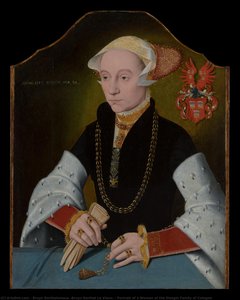
bruyn bartholomaus (bruyn barthel le vieux)
1493 - 1555
Kurzinfos
- Artistic Movement Or Style: Renaissance, German Portraiture
- Artists Or Movements Influenced By This Artist: ['Hans Holbein']
- Artists Who Influenced This Artist:
- Jan Joest
- Joos van Cleve
- Date Of Birth: 1493
- Date Of Death: 1555
- Full Name: Bartholomäus Bruyn (Le Vieux)
- Nationality: German
- Notable Artworks:
- Portrait of a Woman
- Essen Altarpiece
- Xanten Altarpiece
- Place Of Birth: Wesel, Germany