 Vorschau anzeigen
 Versenden
 Teilen
 Details anzeigen

 Herunterladen
 Ähnliche Objekte
 Röntgenaufnahme
 Diashow
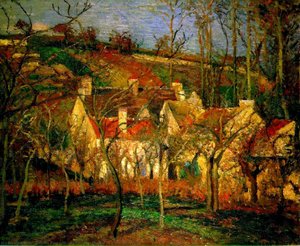
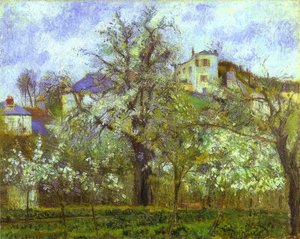
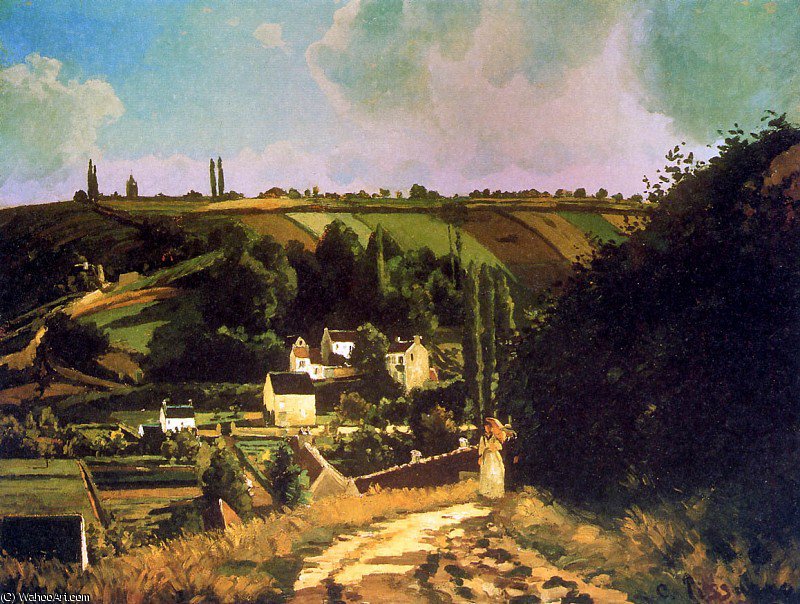
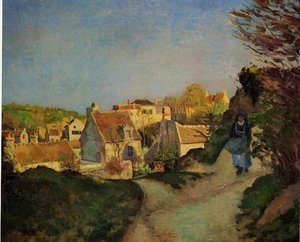
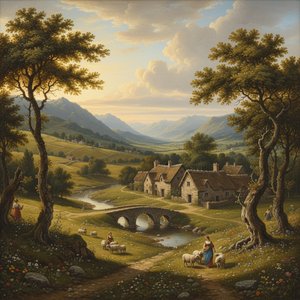
Hill of Jallais at Pontoise Sun


 Weiterlesen
Handgefertigte Ölreproduktion
Handgemaltes Ölgemälde auf Leinwand in Ihrer Wunschgröße und mit Rahmen, auf Bestellung von unseren Künstlern angefertigt. ( Druck bestellen Bild kaufen)




P118B $10

P118H $10

P118W $10

P438Z $10

P508JH $12

P508YH $12

P805H $10

P805Z $10

P919BZ $10

P919G $10

P919XJ $10

P959ZH $10

P968JZ $12

W106C $8

W218G $10

W218JH $8

W218Y $10

W307PJ $10

W316G $10

W316PJ $8

W316Y $10

W398PJ $8

W4111J $10

W500HY $15

W500JH $15

W692G $12

W849H $8

W940BG $15

W953PJ $8




Wählen Sie aus unseren vordefinierten Formaten, die den ursprünglichen Proportionen des Kunstwerks entsprechen.

Sie können Ihre eigenen Maße eingeben, um einen bestimmten Rahmen oder Platz auszufüllen. Wenn die gewählte Größe nicht den Proportionen des Originalbildes entspricht, werden wir das Kunstwerk entweder beschneiden oder das Gemälde durch zusätzliche, handgemalte Elemente erweitern. Ein digitales Mockup wird Ihnen zur Genehmigung zugesandt, bevor die Produktion beginnt.
Bitte beachten Sie, dass die Bildschirmvorschau nicht die tatsächliche Beschneidung oder Erweiterung widerspiegelt. Nur das Mockup zeigt die endgültige Komposition exakt an.
Obwohl Sondermaße verfügbar sind, empfehlen wir, eine Größe aus der vordefinierten Liste zu wählen, um die ursprünglichen Proportionen beizubehalten.
Nach der Bestellung wird das ArtsDot.com-Team dem Kunden Anweisungen per E-Mail zusenden und eine Mockup-Vorschau bereitstellen.
Weltweiter Versand () in nur 3 bis 4 Wochen statt der üblichen 5 Wochen. (1 September). Keine Kompromisse bei der Qualität.

Kostenloser weltweiter Expressversand

Hochwertige Leinenleinwand

Umfassender Versicherungsschutz beim Versand

Zollgebühren-Rückerstattungsgarantie

Garantie für exakte Farbtreue

60 Tage Rückgaberecht (nur bei Mängeln)

100% Geld-zurück-Garantie

Mengenrabatt verfügbar
 Die Glasoption ist nur für Größen unter 110 cm verfügbar.

Hill of Jallais at Pontoise Sun
Art der Reproduktion
Format der Reproduktion
-


Gesamtpreis
$ 263
A Pastoral Reverie: Camille Pissarro’s *Hill of Jallais at Pontoise Sun*
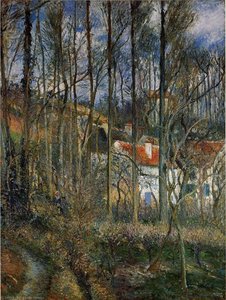
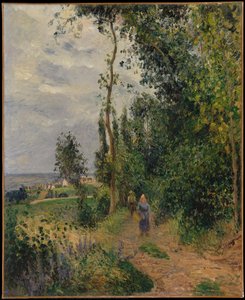
Camille Pissarro's Hill of Jallais at Pontoise Sun offers a captivating glimpse into the heart of rural France, rendered with the characteristic light and observation that cemented his place as one of Impressionism’s founding fathers. Painted around 1873, this work exemplifies Pissarro’s shift towards a more accessible and emotionally resonant style, moving beyond the purely academic concerns of his early career. The scene unfolds on the slopes of Jallais, a small hill near Pontoise, just north of Paris – a location that held particular significance for the artist, offering a constant source of inspiration and subject matter.
- Subject Matter: The painting’s core is a quintessential countryside vista. A gently undulating hillside, densely populated with trees and vibrant green grass, dominates the composition. This isn't a dramatic mountainscape; rather, it’s an intimate portrayal of everyday rural life, emphasizing tranquility and harmony.
- Composition & Perspective: Pissarro masterfully employs atmospheric perspective – the subtle blurring of details in the distance – to create a convincing sense of depth. The winding dirt road acts as a visual pathway, drawing the viewer's eye into the heart of the scene. The placement of figures and animals is carefully considered, contributing to the overall balance and narrative flow.
Impressionistic Technique & Light
As an Impressionist painter, Pissarro was deeply invested in capturing the fleeting effects of light and atmosphere. He achieved this through a broken brushstroke technique – applying small dabs of pure color that blend optically when viewed from a distance. Notice how he uses short, choppy strokes to depict the foliage, conveying not just its appearance but also the way sunlight filters through the leaves. The warm glow of the sun, bathing the hillside in golden light, is particularly striking, creating a sense of warmth and serenity. This technique was revolutionary at the time, challenging the traditional academic emphasis on precise detail and tonal gradation.
- Color Palette: Pissarro’s palette is dominated by greens, yellows, and blues – colors that evoke the natural world. He skillfully mixes these hues to create subtle variations in tone and shade, enhancing the sense of realism and atmosphere.
- Brushwork: The loose, expressive brushstrokes are a hallmark of Impressionism, conveying movement and immediacy. They contribute significantly to the painting’s vibrant energy and its ability to capture a specific moment in time.
Symbolic Resonance & Emotional Impact
Beyond its purely visual qualities, *Hill of Jallais at Pontoise Sun* carries symbolic weight. The scene represents a return to nature, a theme frequently explored by the Impressionists as a reaction against the industrialization and urbanization of 19th-century France. The presence of figures – farmers tending their land, children playing – reinforces this connection to rural life and the values associated with it: hard work, community, and simplicity. The overall mood is one of peaceful contemplation, inviting the viewer to share in the beauty and tranquility of the landscape.
- Animals as Symbols: The inclusion of a horse and cows further emphasizes the pastoral theme, representing wealth and prosperity within this rural setting.
- Emotional Response: Pissarro’s ability to evoke such a sense of calm and nostalgia speaks to the enduring appeal of his work – a testament to its timeless beauty and profound connection to the human experience.
A Timeless Masterpiece
Hill of Jallais at Pontoise Sun stands as a pivotal work in Camille Pissarro’s oeuvre and a cornerstone of Impressionist art. Its masterful composition, innovative technique, and evocative subject matter continue to resonate with audiences today. Whether adorning a grand salon or gracing a smaller interior space, this reproduction offers an opportunity to experience the beauty and serenity of Pissarro's vision – a timeless celebration of rural life and the power of light.
Ähnliche Kunstwerke
Über den Künstler
Camille Pissarro: Ein Leben in der Kunst
Frühes Leben und Ausbildung
Jacob Abraham Camille Pissarro wurde am 10. Juli 1830 in Charlotte Amalie, St. Thomas (damals die Dänische Westindien, heute die US-Virginischen Inseln) geboren. Sein Vater, Frederick Abraham Gabriel Pissarro, stammte aus portugiesisch-jüdischer Abstammung mit französischer Staatsbürgerschaft, und seine Mutter, Rachel Manzano-Pomié, kam aus einer französischen jüdischen Familie. Seine Erziehung war aufgrund der Herkunft und Umstände seiner Eltern etwas ungewöhnlich. Er erhielt seine frühe künstlerische Ausbildung an der Savary Academy in Passy in der Nähe von Paris, wo er die Wertschätzung für französische Kunstmeister entwickelte und ermutigt wurde, von der Natur zu zeichnen.
Mit 17 kehrte Pissarro nach St. Thomas zurück und zeichnete während seiner Pausen weiter, während er als Hafenarbeiter arbeitete. Diese Zeit verinnerlichte bei ihm eine scharfe Beobachtung des Alltagslebens und der natürlichen Welt – Themen, die sich in seinem Kunstwerk manifestieren sollten.
Künstlerische Entwicklung & Einflüsse
Im Jahr 1855 zog Pissarro nach Paris zurück und arbeitete als Assistent des dänischen Malers Anton Melbye. Er studierte die Werke von Gustave Courbet, Jean-Baptiste-Camille Corot, Honoré Daumier, und Charles-François Daubigny, deren Stile seine frühe Arbeit maßgeblich beeinflussten. Er fand eine formale Kunstausbildung in Institutionen wie der École des Beaux-Arts als erstickend und suchte alternative Anleitungen bei Corot.
Anfangs entsprachen Pissarros Gemälde traditionellen Standards und wurden auf dem Pariser Salon ausgestellt. Sein erstes Gemälde wurde 1859 angenommen. Bald begann er jedoch, mit lockererer Malweise und einem Fokus auf die flüchtenden Lichteffekte zu experimentieren – Markenzeichen des Impressionismus.
Beitrag zum Impressionismus & darüber hinaus
Camille Pissarro gilt als eine zentrale Figur sowohl im Impressionismus als auch im Post-Impressionismus. Er war der einzige Künstler, der an allen acht Pariser Impressionistenausstellungen (1874–1886) teilnahm und damit eine stabilisierende Kraft innerhalb der Gruppe darstellte. Er war nicht nur ein Aussteller; er ermutigte und unterstützte seine Kollegen aktiv und verdiente sich den Spitznamen „der Vaterfigur“ des Movements.
Später in seiner Karriere erkundete Pissarro Neo-Impressionismus, beeinflusst von Georges Seurat und Paul Signac, und setzte für eine Zeit eine Punktmaltechnik ein, bevor er zu einem persönlicheren Stil zurückkehrte.
Wichtige Leistungen & Themen
- Landschaften: Pissarro ist bekannt für seine Darstellungen von ländlichen und städtischen Landschaften, die oft Szenen des Alltags zeigen.
- Szenen aus dem Pariser Leben: Er erfasste die belebten Straßen und die lebendige Atmosphäre von Paris während einer Zeit des schnellen Wandels.
- Bauernleben: Seine Gemälde stellen häufig das Leben und die Arbeit der Bauern dar und spiegeln sein soziales Bewusstsein wider.
- Einfluss auf jüngere Künstler: Pissarro betreute und beeinflusste maßgeblich Paul Cézanne, Vincent van Gogh, und Paul Gauguin, die seine künstlerische Entwicklung prägten.
Historische Bedeutung & Vermächtnis
Camille Pissarros Vermächtnis reicht über seine schönen Gemälde hinaus. Er war ein Verfechter der künstlerischen Freiheit und Innovation und spielte eine entscheidende Rolle bei der Entwicklung der modernen Kunst. Sein Engagement für das Malen *en plein air* (im Freien) und die Erfassung des unmittelbaren Erlebnisses revolutionierte die Landschaftsmalerei. Seine Bereitschaft, verschiedene Stile und Techniken zu experimentieren, demonstrierte seine intellektuelle Neugierde und künstlerische Kühnheit.
Heute werden Pissarros Werke in großen Museen auf der ganzen Welt ausgestellt, darunter das Museum Kunstsalon Franke Schenk und das Museum Frieder Burda, die weiterhin Künstler und Kunstliebhaber inspirieren. Er bleibt eine gefeierte Persönlichkeit, deren Beiträge weiterhin studiert und geschätzt werden.
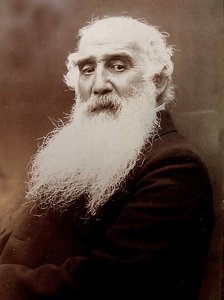
Camille Pissarro
1830 - 1903 , Vereinigte Staaten von Amerika
Kurzinfos
- Beeinflusste Künstler:
- Paul Cézanne
- Vincent van Gogh
- Paul Gauguin
- Bemerkenswerte Werke:
- Portrait von Rodo Pissarro
- Pont Royal, Flore Pavillon
- Portrait von Felix Pissarro
- Lucien Pissarro im Interieur
- Eingeschlossenes Feld in Eragny
- Rosa Pfingstrosen
- Madame Pissarro beim Nähen
- Sitzender Bauer
- Das Rondell
- Pont Corneille, Rouen
- Geburtsdatum: 10. Juli 1830
- Geburtsort: Charlotte Amalie, St. Thomas
- Künstlerische Einflüsse:
- Gustave Courbet
- Jean-Baptiste Corot
- Honoré Daumier
- Künstlerische Richtung: Impressionismus, Neo-Impressionismus
- Nationalität: Dänisch-Französisch
- Sterbedatum: 13. November 1903
- Vollständiger Name: Camille Pissarro
Ähnliche Artikel

John Constable: Die 25 Meisterwerke des englischen Landschaftsgenies – ArtsDot
Entdecken Sie die 25 Meisterwerke von John Constable! Erleben Sie englische Landschaftsmalerei vom Hay Wain bis zur Stour Valley. Hochwertige Reproduktionen & Kunst für Ihr Zuhause auf ArtsDot.com.
Camille Pissarro: Pionier des Impressionismus und Vater der modernen Kunst – Eine umfassende Betrachtung seines Schaffens
Entdecken Sie das faszinierende Leben und Werk Camille Pissarros, einem Pionier des Impressionismus! Erfahren Sie mehr über seine künstlerische Entwicklung, seinen Einfluss auf die moderne Kunst und seine Bedeutung für nachfolgende Generationen. Jetzt lesen!

Cultivating Visions: A Historical Journey Through Rural Landscapes in Art
Explore the rich history of rural landscape painting with ArtsDot. Discover Impressionist masterpieces, key artists & movements. Find your perfect serene artwork and bring nature's beauty home.

Paul Cézanne: Die 25 Meisterwerke des Impressionismus | ArtsDot
Entdecken Sie die 25 Meisterwerke von Paul Cézanne! Tauchen Sie ein in die Welt des Impressionismus und Postimpressionismus. Erfahren Sie mehr über seine Stillleben, Landschaften & berühmten Gemälde – jetzt hochwertige Kunstdrucke auf ArtsDot.com.
Evoking Arcadia: A Historical & Aesthetic Exploration of Rural Landscape Art
Explore the rich history of pastoral landscape art, from classical Arcadia to Impressionism & beyond. Discover key artists, movements, and how to collect serene rural scenes for your home. Expert insights at ArtsDot.