 Vorschau anzeigen
 Versenden
 Teilen
 Details anzeigen

 Herunterladen
 Ähnliche Objekte
 Röntgenaufnahme
 Diashow
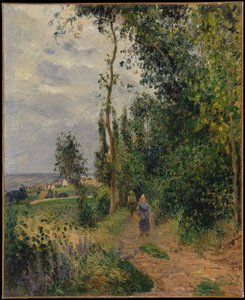
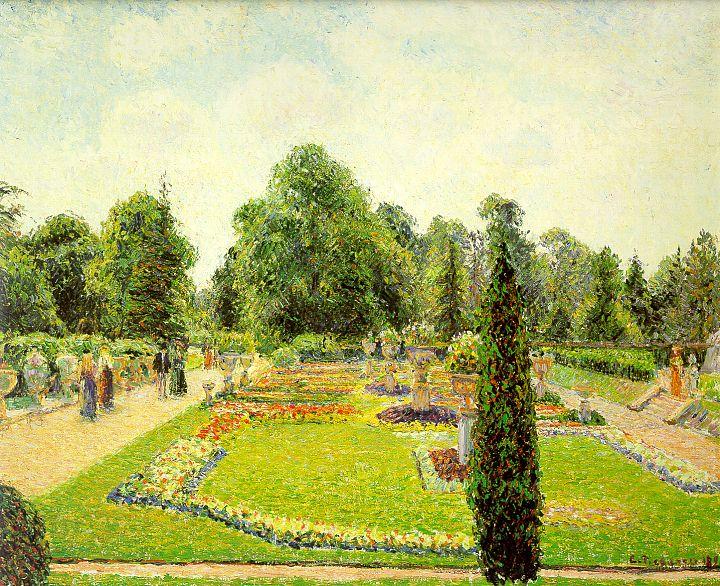
Kew, the Path to the Main Conservatory


 Weiterlesen
Handgefertigte Ölreproduktion
Handgemaltes Ölgemälde auf Leinwand in Ihrer Wunschgröße und mit Rahmen, auf Bestellung von unseren Künstlern angefertigt. ( Druck bestellen Bild kaufen)




P118B $10

P118H $10

P118W $10

P438Z $10

P508JH $12

P508YH $12

P805H $10

P805Z $10

P919BZ $10

P919G $10

P919XJ $10

P959ZH $10

P968JZ $12

W106C $8

W218G $10

W218JH $8

W218Y $10

W307PJ $10

W316G $10

W316PJ $8

W316Y $10

W398PJ $8

W4111J $10

W500HY $15

W500JH $15

W692G $12

W849H $8

W940BG $15

W953PJ $8




Wählen Sie aus unseren vordefinierten Formaten, die den ursprünglichen Proportionen des Kunstwerks entsprechen.

Sie können Ihre eigenen Maße eingeben, um einen bestimmten Rahmen oder Platz auszufüllen. Wenn die gewählte Größe nicht den Proportionen des Originalbildes entspricht, werden wir das Kunstwerk entweder beschneiden oder das Gemälde durch zusätzliche, handgemalte Elemente erweitern. Ein digitales Mockup wird Ihnen zur Genehmigung zugesandt, bevor die Produktion beginnt.
Bitte beachten Sie, dass die Bildschirmvorschau nicht die tatsächliche Beschneidung oder Erweiterung widerspiegelt. Nur das Mockup zeigt die endgültige Komposition exakt an.
Obwohl Sondermaße verfügbar sind, empfehlen wir, eine Größe aus der vordefinierten Liste zu wählen, um die ursprünglichen Proportionen beizubehalten.
Nach der Bestellung wird das ArtsDot.com-Team dem Kunden Anweisungen per E-Mail zusenden und eine Mockup-Vorschau bereitstellen.
Weltweiter Versand () in nur 3 bis 4 Wochen statt der üblichen 5 Wochen. (21 August). Keine Kompromisse bei der Qualität.

Kostenloser weltweiter Expressversand

Hochwertige Leinenleinwand

Umfassender Versicherungsschutz beim Versand

Zollgebühren-Rückerstattungsgarantie

Garantie für exakte Farbtreue

60 Tage Rückgaberecht (nur bei Mängeln)

100% Geld-zurück-Garantie

Mengenrabatt verfügbar
 Die Glasoption ist nur für Größen unter 110 cm verfügbar.

Kew, the Path to the Main Conservatory
Art der Reproduktion
Format der Reproduktion
-


Gesamtpreis
$ 263
Beschreibung des Kunstwerks
A Moment of Tranquil Leisure: Camille Pissarro's *Kew, the Path to the Main Conservatory*
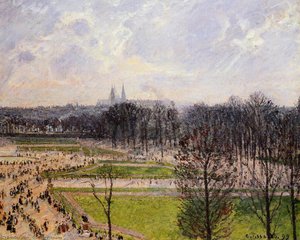
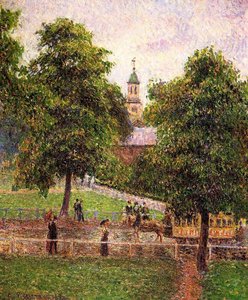
Camille Pissarro’s Kew, the Path to the Main Conservatory offers a captivating glimpse into a serene afternoon within the famed Kew Gardens. Painted during a pivotal period in the evolution of Impressionism, this work exemplifies Pissarro's masterful ability to capture fleeting moments and evoke atmosphere rather than simply replicating visual reality. The scene unfolds with a quiet dynamism – individuals strolling along a winding path, their presence subtly integrated into the lush tapestry of the garden. It’s a painting that speaks not just of beauty, but of the restorative power of nature and the simple pleasures of human companionship.
- Subject Matter: The primary subject is the meticulously designed landscape of Kew Gardens, specifically the path leading to the Main Conservatory. Pissarro skillfully renders the architectural elements – the conservatory itself a focal point of interest – alongside the abundant natural world that defines the garden’s character.
- Style and Technique: As a key figure in Impressionism, Pissarro employs loose brushstrokes and a vibrant palette to convey light and color with remarkable immediacy. The painting is characterized by an emphasis on *plein air* (outdoor) painting, directly observing and translating the effects of sunlight onto canvas. Note the broken colour technique used to capture the shimmering effect of light on foliage and water.
Historical Context: Impressionism and the Rise of Modern Landscape
Painted between 1870 and 1890, *Kew, the Path to the Main Conservatory* reflects a significant shift in artistic sensibilities. The rise of Impressionism challenged the established academic traditions of the time, prioritizing subjective perception and capturing the ephemeral qualities of light and atmosphere. Pissarro’s work aligns with this movement, moving away from detailed realism towards a more expressive representation of the world as experienced by the artist. The popularity of gardens like Kew, transformed into public spaces for leisure and contemplation, provided fertile ground for Impressionist artists to explore themes of modern life and the relationship between humanity and nature.
- Influence: Pissarro’s work was influenced by the Barbizon school, known for its dedication to painting landscapes *en plein air*, and by the innovations of Claude Monet and other Impressionist pioneers.
- Social Significance: The depiction of people enjoying a public garden reflects the growing urbanization of Europe and the increasing importance of leisure activities in Victorian society.
Symbolism and Emotional Impact
Beyond its picturesque subject matter, *Kew, the Path to the Main Conservatory* resonates with deeper symbolic meanings. The winding path suggests a journey – both literal and metaphorical – while the figures strolling through the garden represent the pursuit of happiness and tranquility. The abundant flowers and trees symbolize beauty, fertility, and renewal. The overall effect is one of quiet contemplation and peaceful enjoyment, inviting the viewer to share in this moment of serene leisure. Pissarro’s ability to capture not just a scene but an *atmosphere* elevates this work beyond mere representation, creating a powerful emotional connection with the viewer.
A Timeless Masterpiece – A Perfect Addition to Your Collection
This hand-painted reproduction captures the essence of Camille Pissarro's iconic landscape. Whether adorning your living room, study, or hallway, *Kew, the Path to the Main Conservatory* will bring a touch of Impressionist elegance and timeless beauty to any space. ArtsDot offers meticulously crafted reproductions using archival quality materials, ensuring that this masterpiece remains vibrant for generations to come.
Ähnliche Kunstwerke
Über den Künstler
Camille Pissarro: Ein Leben in der Kunst
Frühes Leben und Ausbildung
Jacob Abraham Camille Pissarro wurde am 10. Juli 1830 in Charlotte Amalie, St. Thomas (damals die Dänische Westindien, heute die US-Virginischen Inseln) geboren. Sein Vater, Frederick Abraham Gabriel Pissarro, stammte aus portugiesisch-jüdischer Abstammung mit französischer Staatsbürgerschaft, und seine Mutter, Rachel Manzano-Pomié, kam aus einer französischen jüdischen Familie. Seine Erziehung war aufgrund der Herkunft und Umstände seiner Eltern etwas ungewöhnlich. Er erhielt seine frühe künstlerische Ausbildung an der Savary Academy in Passy in der Nähe von Paris, wo er die Wertschätzung für französische Kunstmeister entwickelte und ermutigt wurde, von der Natur zu zeichnen.
Mit 17 kehrte Pissarro nach St. Thomas zurück und zeichnete während seiner Pausen weiter, während er als Hafenarbeiter arbeitete. Diese Zeit verinnerlichte bei ihm eine scharfe Beobachtung des Alltagslebens und der natürlichen Welt – Themen, die sich in seinem Kunstwerk manifestieren sollten.
Künstlerische Entwicklung & Einflüsse
Im Jahr 1855 zog Pissarro nach Paris zurück und arbeitete als Assistent des dänischen Malers Anton Melbye. Er studierte die Werke von Gustave Courbet, Jean-Baptiste-Camille Corot, Honoré Daumier, und Charles-François Daubigny, deren Stile seine frühe Arbeit maßgeblich beeinflussten. Er fand eine formale Kunstausbildung in Institutionen wie der École des Beaux-Arts als erstickend und suchte alternative Anleitungen bei Corot.
Anfangs entsprachen Pissarros Gemälde traditionellen Standards und wurden auf dem Pariser Salon ausgestellt. Sein erstes Gemälde wurde 1859 angenommen. Bald begann er jedoch, mit lockererer Malweise und einem Fokus auf die flüchtenden Lichteffekte zu experimentieren – Markenzeichen des Impressionismus.
Beitrag zum Impressionismus & darüber hinaus
Camille Pissarro gilt als eine zentrale Figur sowohl im Impressionismus als auch im Post-Impressionismus. Er war der einzige Künstler, der an allen acht Pariser Impressionistenausstellungen (1874–1886) teilnahm und damit eine stabilisierende Kraft innerhalb der Gruppe darstellte. Er war nicht nur ein Aussteller; er ermutigte und unterstützte seine Kollegen aktiv und verdiente sich den Spitznamen „der Vaterfigur“ des Movements.
Später in seiner Karriere erkundete Pissarro Neo-Impressionismus, beeinflusst von Georges Seurat und Paul Signac, und setzte für eine Zeit eine Punktmaltechnik ein, bevor er zu einem persönlicheren Stil zurückkehrte.
Wichtige Leistungen & Themen
- Landschaften: Pissarro ist bekannt für seine Darstellungen von ländlichen und städtischen Landschaften, die oft Szenen des Alltags zeigen.
- Szenen aus dem Pariser Leben: Er erfasste die belebten Straßen und die lebendige Atmosphäre von Paris während einer Zeit des schnellen Wandels.
- Bauernleben: Seine Gemälde stellen häufig das Leben und die Arbeit der Bauern dar und spiegeln sein soziales Bewusstsein wider.
- Einfluss auf jüngere Künstler: Pissarro betreute und beeinflusste maßgeblich Paul Cézanne, Vincent van Gogh, und Paul Gauguin, die seine künstlerische Entwicklung prägten.
Historische Bedeutung & Vermächtnis
Camille Pissarros Vermächtnis reicht über seine schönen Gemälde hinaus. Er war ein Verfechter der künstlerischen Freiheit und Innovation und spielte eine entscheidende Rolle bei der Entwicklung der modernen Kunst. Sein Engagement für das Malen *en plein air* (im Freien) und die Erfassung des unmittelbaren Erlebnisses revolutionierte die Landschaftsmalerei. Seine Bereitschaft, verschiedene Stile und Techniken zu experimentieren, demonstrierte seine intellektuelle Neugierde und künstlerische Kühnheit.
Heute werden Pissarros Werke in großen Museen auf der ganzen Welt ausgestellt, darunter das Museum Kunstsalon Franke Schenk und das Museum Frieder Burda, die weiterhin Künstler und Kunstliebhaber inspirieren. Er bleibt eine gefeierte Persönlichkeit, deren Beiträge weiterhin studiert und geschätzt werden.
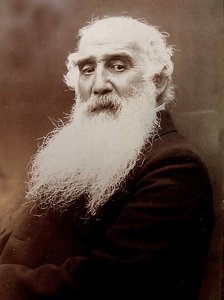
Camille Pissarro
1830 - 1903 , Vereinigte Staaten von Amerika
Kurzinfos
- Beeinflusste Künstler:
- Paul Cézanne
- Vincent van Gogh
- Paul Gauguin
- Bemerkenswerte Werke:
- Portrait von Rodo Pissarro
- Pont Royal, Flore Pavillon
- Portrait von Felix Pissarro
- Lucien Pissarro im Interieur
- Eingeschlossenes Feld in Eragny
- Rosa Pfingstrosen
- Madame Pissarro beim Nähen
- Sitzender Bauer
- Das Rondell
- Pont Corneille, Rouen
- Geburtsdatum: 10. Juli 1830
- Geburtsort: Charlotte Amalie, St. Thomas
- Künstlerische Einflüsse:
- Gustave Courbet
- Jean-Baptiste Corot
- Honoré Daumier
- Künstlerische Richtung: Impressionismus, Neo-Impressionismus
- Nationalität: Dänisch-Französisch
- Sterbedatum: 13. November 1903
- Vollständiger Name: Camille Pissarro
Ähnliche Artikel
Cultivating Paradise: A Historical & Artistic Exploration of Gardens in Painting
Explore the rich history of gardens in painting! Discover masterpieces from Renaissance to Impressionism & beyond. Learn about symbolism, artists like Monet & Klimt, and find your perfect artwork at ArtsDot.

Impressionistische Landschaften: Die 10 Meisterwerke, die eine Kunstrichtung prägten | ArtsDot
Entdecken Sie die 10 Meisterwerke des Impressionismus! Von Monet bis Van Gogh – erleben Sie die Geschichten hinter berühmten Landschaftsbildern. Hochwertige Kunst Reproduktionen für Ihr Zuhause auf ArtsDot.com.
Camille Pissarro: Pionier des Impressionismus und Vater der modernen Kunst – Eine umfassende Betrachtung seines Schaffens
Entdecken Sie das faszinierende Leben und Werk Camille Pissarros, einem Pionier des Impressionismus! Erfahren Sie mehr über seine künstlerische Entwicklung, seinen Einfluss auf die moderne Kunst und seine Bedeutung für nachfolgende Generationen. Jetzt lesen!

Impressionismus: Die 10 Meisterwerke, die eine Kunstbewegung prägten | ArtsDot
Entdecken Sie die 10 Meisterwerke des Impressionismus! Von Monet bis Renoir – erleben Sie die Geschichten, Techniken & Farben berühmter Künstler. Kunstdrucke in Museumsqualiät auf ArtsDot.com.
Impressionistische Landschaften: Die 10 Meisterwerke, die eine Epoche prägten | ArtsDot
Entdecken Sie die 10 Meisterwerke des Impressionismus! Von Monet bis Renoir – erleben Sie die Geschichte, Technik und zeitlose Schönheit ikonischer Landschaftsbilder. Hochwertige Kunstdrucke auf ArtsDot.com. Jetzt entdecken!