 Vorschau anzeigen
 Versenden
 Teilen
 Details anzeigen

 Herunterladen
 Ähnliche Objekte
 Röntgenaufnahme
 Diashow
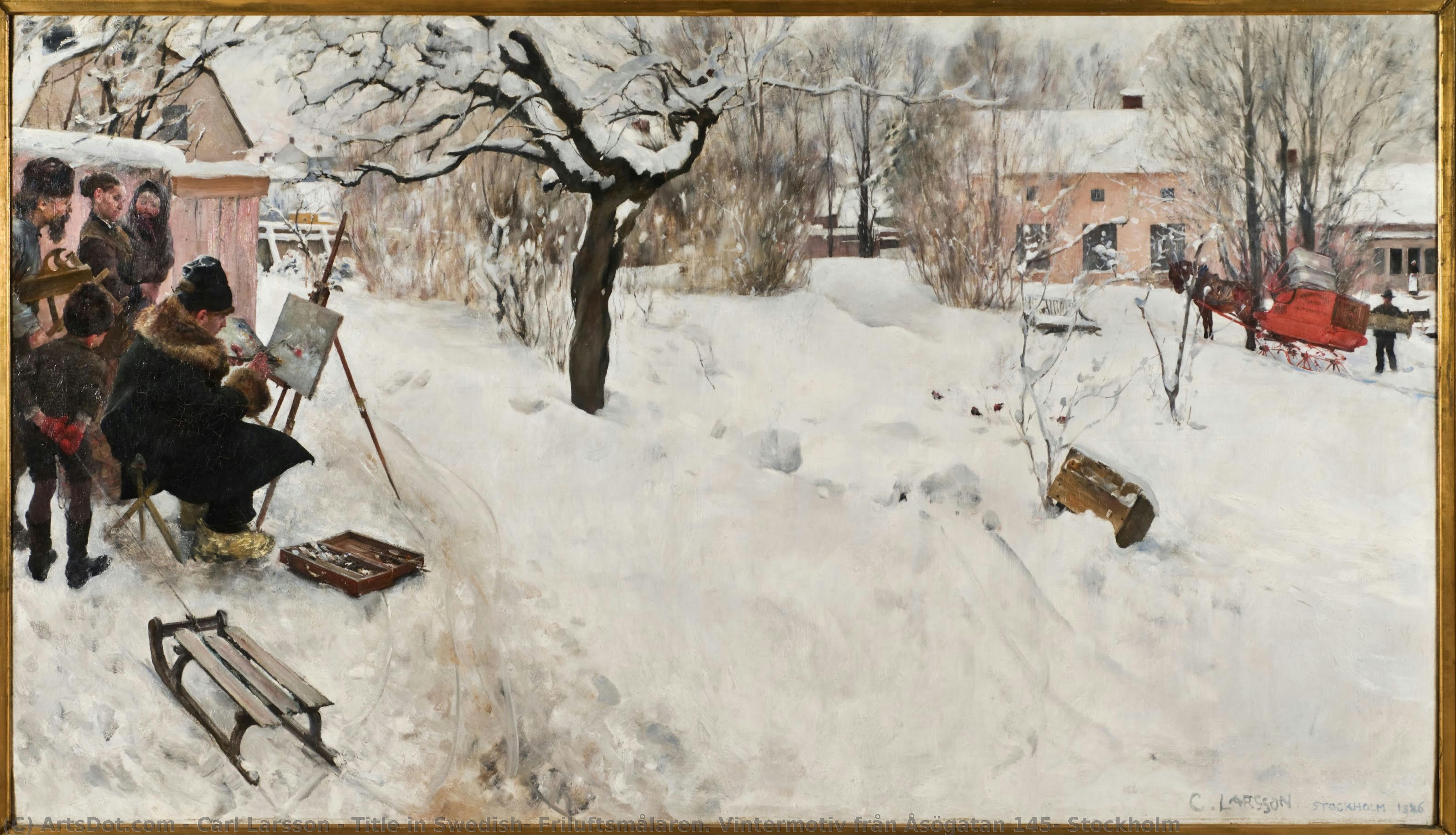
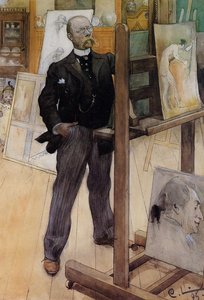
Title in Swedish: Friluftsmålaren. Vintermotiv från Åsögatan 145, Stockholm
 Acrylic On Canvas
- WallArt
- Realism
 1886
1886- 19th Century
 2090.0 x 1190.0 cm
 Nationalmuseum
 Weiterlesen
Handgefertigte Ölreproduktion
Handgemaltes Ölgemälde auf Leinwand in Ihrer Wunschgröße und mit Rahmen, auf Bestellung von unseren Künstlern angefertigt. ( Druck bestellen Bild kaufen)




P118B $10

P118H $10

P118W $10

P438Z $10

P508JH $12

P508YH $12

P805H $10

P805Z $10

P919BZ $10

P919G $10

P919XJ $10

P959ZH $10

P968JZ $12

W106C $8

W218G $10

W218JH $8

W218Y $10

W307PJ $10

W316G $10

W316PJ $8

W316Y $10

W398PJ $8

W4111J $10

W500HY $15

W500JH $15

W692G $12

W849H $8

W940BG $15

W953PJ $8




Wählen Sie aus unseren vordefinierten Formaten, die den ursprünglichen Proportionen des Kunstwerks entsprechen.

Sie können Ihre eigenen Maße eingeben, um einen bestimmten Rahmen oder Platz auszufüllen. Wenn die gewählte Größe nicht den Proportionen des Originalbildes entspricht, werden wir das Kunstwerk entweder beschneiden oder das Gemälde durch zusätzliche, handgemalte Elemente erweitern. Ein digitales Mockup wird Ihnen zur Genehmigung zugesandt, bevor die Produktion beginnt.
Bitte beachten Sie, dass die Bildschirmvorschau nicht die tatsächliche Beschneidung oder Erweiterung widerspiegelt. Nur das Mockup zeigt die endgültige Komposition exakt an.
Obwohl Sondermaße verfügbar sind, empfehlen wir, eine Größe aus der vordefinierten Liste zu wählen, um die ursprünglichen Proportionen beizubehalten.
Nach der Bestellung wird das ArtsDot.com-Team dem Kunden Anweisungen per E-Mail zusenden und eine Mockup-Vorschau bereitstellen.
Weltweiter Versand () in nur 3 bis 4 Wochen statt der üblichen 5 Wochen. (28 August). Keine Kompromisse bei der Qualität.

Kostenloser weltweiter Expressversand

Hochwertige Leinenleinwand

Umfassender Versicherungsschutz beim Versand

Zollgebühren-Rückerstattungsgarantie

Garantie für exakte Farbtreue

60 Tage Rückgaberecht (nur bei Mängeln)

100% Geld-zurück-Garantie

Mengenrabatt verfügbar
 Die Glasoption ist nur für Größen unter 110 cm verfügbar.

Title in Swedish: Friluftsmålaren. Vintermotiv från Åsögatan 145, Stockholm
Art der Reproduktion
Format der Reproduktion
-


Gesamtpreis
$ 263
A Frozen Moment of Swedish Life: Carl Larsson's "Friluftsmålaren"
Carl Larsson’s “Friluftsmålaren” (The Open-Air Painter), completed in 1886, is more than just a winter scene; it’s a poignant snapshot of burgeoning modernity colliding with the enduring values of Swedish domesticity. Painted against the backdrop of Stockholm's Åsögatan 145, this canvas captures a fleeting moment – a family enjoying a snowy afternoon, an artist contemplating his work amidst the urban landscape. The sheer scale of the artwork—a monumental 2090 x 1190 cm—immediately draws the viewer into its embrace, allowing for an immersive experience of Larsson’s meticulous attention to detail and evocative use of light.
Style and Technique: Impressionistic Realism
- Impressionistic Influence: While firmly rooted in realism, “Friluftsmålaren” displays a clear influence from the burgeoning Impressionist movement. Larsson’s broken brushstrokes and emphasis on capturing the transient effects of light – particularly the shimmering reflections on the snow and the diffused glow of the winter sun – are hallmarks of this style.
- Detailed Observation: The artist's skill lies in his ability to render incredibly detailed scenes, from the individual snowflakes clinging to the branches to the worn textures of the clothing worn by the figures. This meticulous observation is a defining characteristic of Larsson’s oeuvre.
- Palette and Light: Larsson masterfully employs a muted palette dominated by blues, greys, and whites, creating a sense of coldness and stillness. The strategic use of highlights – particularly on the snow and the car surfaces – adds depth and realism to the composition.
Symbolism and Narrative Context
The painting’s title itself offers a key insight into its narrative. “Friluftsmålaren” (The Open-Air Painter) refers to Carl Larsson himself, suggesting a self-reflexive commentary on the role of art within everyday life. The scene depicts him working outdoors, embracing the natural world and capturing its beauty. The presence of the family – a mother, father, and child – reinforces the theme of domestic harmony and the importance of familial bonds, central to Larsson’s artistic vision. The parked cars represent the encroaching influence of industrialization on rural Sweden, a subtle tension within the idyllic scene.
Historical Significance and Emotional Impact
"Friluftsmålaren" is a significant work in Carl Larsson's career and a crucial document for understanding the artistic trends of late 19th-century Sweden. It exemplifies his commitment to portraying scenes of everyday life with honesty and warmth, contributing significantly to the development of Swedish national identity through art. The painting evokes a powerful sense of nostalgia – a longing for simpler times, for connection with nature, and for the comfort of family. Its enduring appeal lies in its ability to transport viewers to a serene winter landscape, inviting contemplation and appreciation for the beauty of the ordinary.
Ähnliche Kunstwerke
Über den Künstler
Frühes Leben und Schwierigkeiten
Carl Larsson, ein renommierter schwedischer Maler, wurde am 28. Mai 1853 in der Altstadt von Stockholm geboren. Seine Kindheit war geprägt von Armut und Unglücklichsein, da seine Familie häufig finanzielle Schwierigkeiten hatte. Trotz dieser Herausforderungen war Larssons Talent für die Kunst schon in jungen Jahren offensichtlich.Künstlerische Entwicklung
Im Alter von 13 Jahren ermutigte sein Lehrer Jacobsen ihn, sich an der Königlichen Schwedischen Akademie der Künste zu bewerben, wo er aufgenommen wurde. Während seiner Zeit dort gewann Larsson Selbstvertrauen und wurde eine zentrale Figur im Studentenleben. Er erhielt seine erste Medaille für Aktzeichnen, was den Beginn seiner erfolgreichen künstlerischen Karriere markierte.Bekannte Werke und Stil
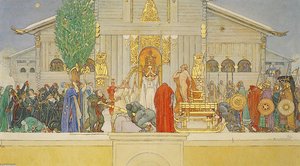
Larssons berühmtestes Werk ist Midvinterblot (Midwinter Sacrifice), ein großes Gemälde, das heute im Schwedischen Nationalmuseum für Bildende Kunst ausgestellt ist. Dieses Werk demonstriert seine Meisterschaft in Ölfarben, Aquarellen und Fresken. Sein Stil zeichnet sich durch folgende Merkmale aus:- Realismus: Larssons Liebe zum Detail und seine Fähigkeit, das Wesen seiner Motive einzufangen.
- Art Nouveau: Seine Verwendung von fließenden Kurven und organischen Formen, die in seinen Aquarellarbeiten deutlich wird.
- Arts and Crafts Bewegung: Larssons Beteiligung an dieser Bewegung spiegelt sich in seinem Fokus auf handgefertigte, einzigartige Werke wider.
Persönliches Leben und Späte Jahre
Larsson heiratete Karin Bergöö, eine ebenfalls Künstlerin, mit der er acht Kinder hatte. Seine Familie diente oft als Modell für seine Gemälde. In seinen späteren Jahren litt Larsson unter Depressionen und Gesundheitsproblemen und verstarb am 22. Januar 1919.Vermächtnis und ArtsDot.com Angebote
Heute sind Larssons Werke in verschiedenen Museen zu finden, darunter im Schwedischen Nationalmuseum für Bildende Kunst. Auf ArtsDot.com können Sie seine Gemälde erkunden, wie zum Beispiel:- Midvinterblot (Skizze) (Realismus, Zeichnung)
- Midvinterblot (Skizze) 3 (Realismus, Aquarell)
- Midvinterblot, Studie für den König (Realismus, Aquarell)
Carl Larsson
1853 - 1919 , Schweden
Kurzinfos
- Bemerkenswerte Werke:
- Midvinterblot (Mittwinteropfer)
- Midvinterblot (Skizze)
- Midvinterblot, Studie für kungen
- Geburtsdatum: 28. Mai 1853
- Geburtsort: Stockholm, Schweden
- Künstlerische Richtung:
- Realismus
- Art Nouveau
- Arts and Crafts
- Nationalität: Schwedisch
- Sterbedatum: 22. Januar 1919
- Vollständiger Name: Carl Larsson
Ähnliche Artikel
Entwicklung von Familienporträts: Personalisierte Kunst als Chronik des Lebens über Generationen hinweg
Entdecken Sie die faszinierende Welt der Familienporträts! Von historischen Meisterwerken bis zu personalisierten Auftragsgemälden – wir bieten Kunst für Generationen. Expertenberatung & höchste Qualität.
Depicting Kinship: Family Values Across Artistic Movements & Historical Contexts
Explore the rich history of depicting kinship in art! From Dutch Masters to contemporary artists, discover how family values have been represented across movements & time. Expert insights for collectors at ArtsDot.

The Enduring Legacy of Family Portraiture: A Historical & Artistic Exploration
Explore the rich history of family portraiture with ArtsDot. Discover artistic styles, symbolism & collecting insights. Commission a custom oil painting or appraise your existing artwork today!
The Enduring Portrait of Kinship: Family Representations Across Art History
Explore the rich history of family portraiture through art! Discover masterpieces from across centuries & learn how artists captured kinship, intimacy, and societal values. Expert insights for collectors & enthusiasts.
Das Echo der Ahnen: Familienporträts im Laufe der Geschichte
Entdecken Sie die Geschichte der Familienporträts! Von Renaissance bis Moderne – fertigt hochwertige Reproduktionen & Auftragsgemälde an. Expertenberatung inklusive!