 Vorschau anzeigen
 Versenden
 Teilen
 Details anzeigen

 Herunterladen
 Ähnliche Objekte
 Röntgenaufnahme
 Diashow
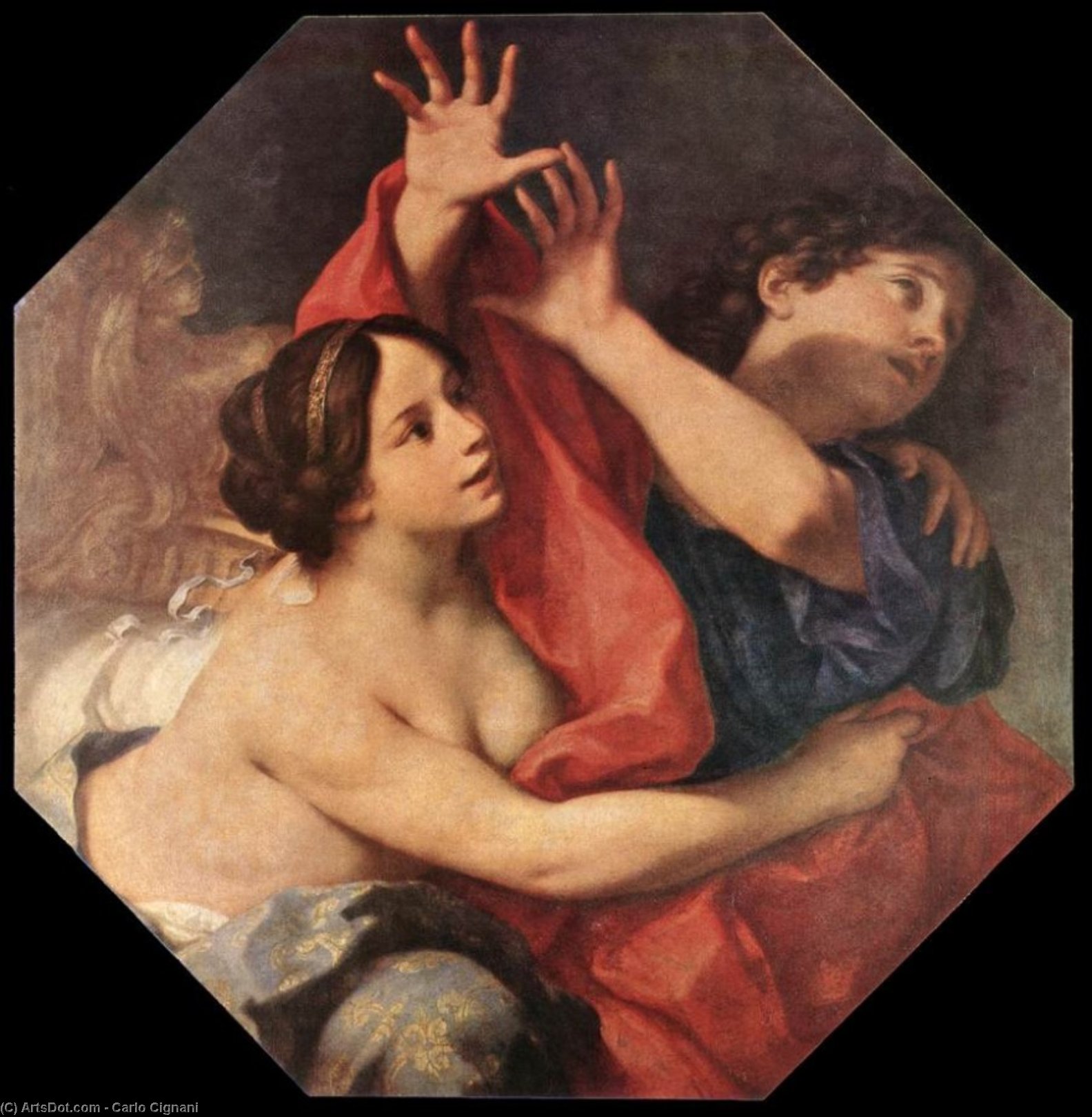
Joseph and Potiphar's Wife
 Oil On Canvas
- WallArt
- Baroque Classicism
 1678
1678 99.0 x 99.0 cm
 Gemäldegalerie Alte Meister
 Weiterlesen
Handgefertigte Ölreproduktion
Handgemaltes Ölgemälde auf Leinwand in Ihrer Wunschgröße und mit Rahmen, auf Bestellung von unseren Künstlern angefertigt. ( Druck bestellen Bild kaufen)




P118B $10

P118H $10

P118W $10

P438Z $10

P508JH $12

P508YH $12

P805H $10

P805Z $10

P919BZ $10

P919G $10

P919XJ $10

P959ZH $10

P968JZ $12

W106C $8

W218G $10

W218JH $8

W218Y $10

W307PJ $10

W316G $10

W316PJ $8

W316Y $10

W398PJ $8

W4111J $10

W500HY $15

W500JH $15

W692G $12

W849H $8

W940BG $15

W953PJ $8




Wählen Sie aus unseren vordefinierten Formaten, die den ursprünglichen Proportionen des Kunstwerks entsprechen.

Sie können Ihre eigenen Maße eingeben, um einen bestimmten Rahmen oder Platz auszufüllen. Wenn die gewählte Größe nicht den Proportionen des Originalbildes entspricht, werden wir das Kunstwerk entweder beschneiden oder das Gemälde durch zusätzliche, handgemalte Elemente erweitern. Ein digitales Mockup wird Ihnen zur Genehmigung zugesandt, bevor die Produktion beginnt.
Bitte beachten Sie, dass die Bildschirmvorschau nicht die tatsächliche Beschneidung oder Erweiterung widerspiegelt. Nur das Mockup zeigt die endgültige Komposition exakt an.
Obwohl Sondermaße verfügbar sind, empfehlen wir, eine Größe aus der vordefinierten Liste zu wählen, um die ursprünglichen Proportionen beizubehalten.
Nach der Bestellung wird das ArtsDot.com-Team dem Kunden Anweisungen per E-Mail zusenden und eine Mockup-Vorschau bereitstellen.
Weltweiter Versand () in nur 3 bis 4 Wochen statt der üblichen 5 Wochen. (4 September). Keine Kompromisse bei der Qualität.

Kostenloser weltweiter Expressversand

Hochwertige Leinenleinwand

Umfassender Versicherungsschutz beim Versand

Zollgebühren-Rückerstattungsgarantie

Garantie für exakte Farbtreue

60 Tage Rückgaberecht (nur bei Mängeln)

100% Geld-zurück-Garantie

Mengenrabatt verfügbar
 Die Glasoption ist nur für Größen unter 110 cm verfügbar.

Joseph and Potiphar's Wife
Art der Reproduktion
Format der Reproduktion
-


Gesamtpreis
$ 263
Carlo Cignani’s Gentle Baroque: A Study of “Joseph and Potiphar’s Wife”
Carlo Cignani (1628-1719) stands as a fascinating figure bridging the High Baroque and the emerging Rococo styles. He wasn't a revolutionary like some of his contemporaries, but rather a masterful consolidator, the last great exponent of the Bolognese classicism that had flourished for generations. His art embodies a ‘new manner,’ as it was known – a softening of the dramatic intensity favored by earlier Baroque masters, replaced with an intimate and reflective quality that subtly influenced artists like Guido Reni and Guercino. Cignani’s path wasn't one of radical innovation, but rather of refined elegance and intellectual depth, securing his place as a significant, if sometimes overlooked, figure in 17th-century Italian painting. Details surrounding his early life remain somewhat scarce; we know he came from a noble, though modestly resourced family, and that he would later have both a son, Felice Cignan The fresco “Joseph and Potiphar’s Wife,” completed around 1678, exemplifies this characteristic ‘new manner.’ Unlike the turbulent compositions of Caravaggio or Bernini, Cignani eschews theatrical gestures and overwhelming grandeur. Instead, he presents a scene steeped in quiet emotion—a palpable tension between desire and moral restraint—captured with remarkable sensitivity. The artist’s meticulous attention to detail contributes significantly to the artwork's impact; observe the subtle gradations of color within Potiphar’s wife’s robe, mirroring the nuanced expressions on her face and Joseph’s posture. This deliberate control over form underscores Cignani’s commitment to conveying psychological depth rather than merely depicting a narrative event. Technically speaking, Cignani employed tempera paint on plaster—a technique favored by Bolognese artists during this period—resulting in luminous hues and exceptional durability. The fresco's palette leans towards muted reds and golds, reflecting the prevailing aesthetic sensibilities of the time while simultaneously conveying an aura of solemn contemplation. Furthermore, Cignani skillfully utilized chiaroscuro—the interplay of light and shadow—to sculpt the figures’ forms and heighten their emotional resonance. This masterful manipulation of tonal values draws the viewer's gaze inward, fostering a profound connection with the depicted characters and their predicament. Historically, “Joseph and Potiphar’s Wife” aligns itself squarely within the broader tradition of biblical art—a genre that had undergone considerable transformation since its medieval origins. The fresco reflects the humanist concerns of the Baroque era, prioritizing human experience and psychological realism over stylized representations of divine majesty. However, Cignani's approach diverges from prevailing stylistic trends by prioritizing subtlety and introspection. He avoids overtly didactic pronouncements, allowing viewers to grapple with the moral complexities inherent in the narrative—the allure of forbidden desire versus the sanctity of marital fidelity. Symbolically, the artwork speaks volumes about the anxieties surrounding sexuality and social status prevalent during Cignani’s lifetime. The woman's insistent gaze embodies the pervasive societal pressure on women to conform to idealized standards of beauty and virtue. Joseph’s refusal to succumb to temptation underscores the importance of moral integrity—a value championed by Christian theologians and artists alike. Moreover, the juxtaposition of opulent fabrics and restrained gestures serves as a visual metaphor for the conflict between worldly indulgence and spiritual devotion. Ultimately, “Joseph and Potiphar’s Wife” transcends its narrative content to evoke a powerful emotional response in the viewer. The fresco's melancholic atmosphere—characterized by palpable longing and unspoken regret—captures the essence of human vulnerability. Cignani’s masterful execution ensures that this profound psychological insight remains accessible to audiences across centuries, cementing his legacy as one of the most enduring achievements of Bolognese Baroque art.- Artist: Carlo Cignani
- Birth Year: 1628
- Death Year: 1719
- Birth City: Bologna
- Birth Country: Italy
Ähnliche Kunstwerke





Über den Künstler
Frühes Leben und Künstlerische Ausbildung
- Geboren: Um 1630 in Bologna, Italien
- Familienhintergrund: Details spärlich; bekannt, einen Sohn, Felice Cignani (1660–1724), ebenfalls Maler, und einen Neffen, Paolo Cignani (1709–1764) zu haben.
- Frühe Einflüsse: Tief beeindruckt von Correggios Fresken in der Kuppel des Doms von Parma und Melozzos da Forlìs Perspektivtechniken.
- Künstlerische Ausbildung: Zunächst unter Albani ausgebildet, absorbierend seinen elaborierten Finish und Gebrauch von Farbe.
- Accademia del Nudo: Eine Accademia del nudo in Bologna für Malerei von Modellen eingerichtet, demonstrierend ein Engagement für anatomische Studie. Giuseppe Maria Crespi war einer seiner Schüler.
Hauptwerke und Künstlerische Entwicklung
- Annahme der Heiligen Rose von Lima: Ein bedeutendes Werk gemalt in Forlì, aufzeigend seine Fähigkeit, dramatische Kompositionen unter Decken zu schaffen.
- Eintritt Pauls III. in Bologna: Depictierend ein historisches Ereignis mit charakteristischem intellektuellen Charakter.
- Franz I. Berührend für Könige Übel: Demonstrierend Geschicklichkeit bei Darstellung von königlichen Erscheinungen und künstlerischen Stilen.
- Adam und Eva: Ausgestellt in Dresden und Kopenhagen, reflektierend seine internationale Anerkennung.
- Joseph und Potiphars Frau: Mehrere Versionen existieren (Dresden, Ajaccio), illustrierend ein wiederkehrendes Thema in seinem Schaffen.
Künstlerische Einflüsse und Stil
- Correggio: Tiefgreifender Einfluss auf seine Verwendung von Farbe und dramatischen Kompositionen, besonders evident in der Annahme der Heiligen Rose von Lima.
- Melozzo da Forlì: Inspiriert seine Perspektivtechniken und Schaffung von Raumtiefe.
- Albani: Albani’s Stil absorbierend, aber entwickelnd einen charakteristischen intellektuellen Charakter.
- Carracci: Mit Carracci zusammenarbeitend, demonstrierend Vielseitigkeit in künstlerischen Stilen.
- Stilmerkmale: Elaborierter Finish, Gebrauch von Farbe inspiriert von Correggio, Perspektivtechniken inspiriert von Melozzo da Forlì, charakteristischer intellektueller Charakter.
Historische Bedeutung und Vermächtnis
- Einfluss auf nachfolgende Künstler: Zahlreiche Schüler ausgebildet, darunter Paolo Antonio Paderna., und Sante Vandi, prägend die Entwicklung der Bologneser Kunst.
- Selbstbildnis: Ein wertvolles Dokument seiner künstlerischen Identität.
- Pinacoteca Civica in Forlì: Mehrere Werke aufbewahrt, sicherstellend Erhalt und Zugänglichkeit für zukünftige Generationen.
- Anerkennung als bedeutende Figur der Bologneser Kunst: Gefeiert für seine intellektuelle Tiefe, technische Fertigkeit und bleibenden Einfluss.
Spätere Jahre und Tod
- Aurora gemalt hier: Details spärlich.
- Coronation of Saint Rose of Lima: Aufbewahrt in der Pinacoteca Civica.
- Tod: Details spärlich; vermutet, nach einem produktiven Schaffen verstorben zu sein.
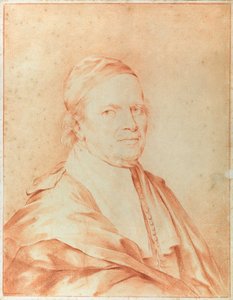
Carlo Cignani
1628 - 1719 , Italien
Kurzinfos
- Beeinflusste Künstler: ['Giuseppe Maria Crespi']
- Bemerkenswerte Werke:
- Maria Magdalena
- Joseph und Potiphar
- Geburtsdatum: 1709
- Künstlerische Bewegung: Bologneser Barock
- Nationalität: Italienisch
- Ort Der Geburt: Bologna, Italien
- Vollständiger Name: Felice Cignani
Ähnliche Artikel

Das Familienerbe an die Wand bringen: Wandgemälde als Generationenschatz
Verwandeln Sie Ihre Familiengeschichte in ein beeindruckendes Wandgemälde! Expertenrat & hochwertige Handwerkskunst für einzigartige Kunstwerke, die Generationen verbinden. Entdecken Sie jetzt!

The Enduring Legacy of Fresco Painting: Techniques, History & Contemporary Relevance
Explore the rich history & enduring artistry of fresco painting – from Giotto to Michelangelo! Discover techniques, conservation efforts, & modern applications. Learn how ArtsDot brings this timeless art form to your home.

The Enduring Legacy of Fresco: Technique, History & Artistic Expression Across Cultures
Explore the rich history & enduring legacy of fresco painting! Discover ancient techniques, Giotto's masterpieces, and modern applications. Expert insights for art lovers & professionals.

Decoding Baroque Grandeur: A Guide to the Drama and Emotion of 17th-Century Art
Explore the breathtaking drama of 17th-century Baroque art. Our expert guide decodes the use of chiaroscuro, emotional intensity, and historical grandeur to help you appreciate and curate timeless masterpieces for your collection.
Kunst, die mit Ihnen lebt: Emotionale Kraft individueller Innenraumfresken
Entdecken Sie die emotionale Kraft individueller Innenraumfresken! Expertenberatung & hochwertige Wandmalerei für Hotels, Wohnräume & mehr. – Ihr Partner für einzigartige Kunst.