 Vorschau anzeigen
 Versenden
 Teilen
 Details anzeigen

 Herunterladen
 Ähnliche Objekte
 Röntgenaufnahme
 Diashow
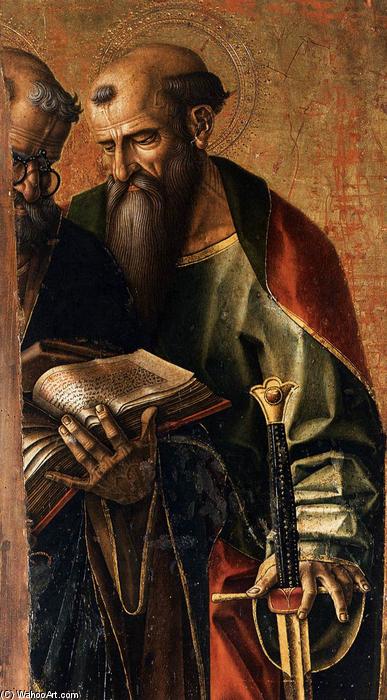
St Peter and St Paul (detail)


 Weiterlesen
Handgefertigte Ölreproduktion
Handgemaltes Ölgemälde auf Leinwand in Ihrer Wunschgröße und mit Rahmen, auf Bestellung von unseren Künstlern angefertigt. ( Druck bestellen Bild kaufen)




P118B $10

P118H $10

P118W $10

P438Z $10

P508JH $12

P508YH $12

P805H $10

P805Z $10

P919BZ $10

P919G $10

P919XJ $10

P959ZH $10

P968JZ $12

W106C $8

W218G $10

W218JH $8

W218Y $10

W307PJ $10

W316G $10

W316PJ $8

W316Y $10

W398PJ $8

W4111J $10

W500HY $15

W500JH $15

W692G $12

W849H $8

W940BG $15

W953PJ $8




Wählen Sie aus unseren vordefinierten Formaten, die den ursprünglichen Proportionen des Kunstwerks entsprechen.

Sie können Ihre eigenen Maße eingeben, um einen bestimmten Rahmen oder Platz auszufüllen. Wenn die gewählte Größe nicht den Proportionen des Originalbildes entspricht, werden wir das Kunstwerk entweder beschneiden oder das Gemälde durch zusätzliche, handgemalte Elemente erweitern. Ein digitales Mockup wird Ihnen zur Genehmigung zugesandt, bevor die Produktion beginnt.
Bitte beachten Sie, dass die Bildschirmvorschau nicht die tatsächliche Beschneidung oder Erweiterung widerspiegelt. Nur das Mockup zeigt die endgültige Komposition exakt an.
Obwohl Sondermaße verfügbar sind, empfehlen wir, eine Größe aus der vordefinierten Liste zu wählen, um die ursprünglichen Proportionen beizubehalten.
Nach der Bestellung wird das ArtsDot.com-Team dem Kunden Anweisungen per E-Mail zusenden und eine Mockup-Vorschau bereitstellen.
Weltweiter Versand () in nur 3 bis 4 Wochen statt der üblichen 5 Wochen. (24 August). Keine Kompromisse bei der Qualität.

Kostenloser weltweiter Expressversand

Hochwertige Leinenleinwand

Umfassender Versicherungsschutz beim Versand

Zollgebühren-Rückerstattungsgarantie

Garantie für exakte Farbtreue

60 Tage Rückgaberecht (nur bei Mängeln)

100% Geld-zurück-Garantie

Mengenrabatt verfügbar
 Die Glasoption ist nur für Größen unter 110 cm verfügbar.

St Peter and St Paul (detail)
Art der Reproduktion
Format der Reproduktion
-


Gesamtpreis
$ 263
Beschreibung des Kunstwerks
Carlo Crivelli’s “St Peter and St Paul”: A Window into Late Gothic Devotion
Carlo Crivelli's "St Peter and St Paul" (circa 1490) isn’t merely a depiction of two revered saints; it’s a meticulously crafted portal into the heart of late medieval piety, a testament to the enduring power of faith rendered in tempera on wood. Housed within the Gallerie dell'Accademia in Venice, this painting offers a rare glimpse into the artistic sensibilities of an era deeply invested in both spiritual contemplation and elaborate visual storytelling. Crivelli, emerging from the Venetian workshop tradition yet forging his own distinctive path, masterfully blends the formality of Gothic architecture with a burgeoning Renaissance awareness, creating a work that is simultaneously restrained and profoundly expressive.
The scene itself unfolds within a carefully constructed architectural setting—a space that feels both familiar and subtly otherworldly. The figures of St Peter and St Paul are engaged in what appears to be an exchange of knowledge, perhaps a dialogue facilitated by the book held open before them. This isn’t a dramatic confrontation but rather a quiet, contemplative interaction, suggesting a shared pursuit of truth and divine wisdom. The positioning of the figures—Peter gesturing towards the book, Paul attentively receiving it—creates a dynamic tension, hinting at the transmission of sacred teachings. The background figure, haloed and elevated, acts as a silent observer, perhaps representing God’s watchful presence overseeing this exchange between his earthly representatives.
A Symphony of Color and Detail: Crivelli's Technique
Crivelli’s mastery lies in his meticulous attention to detail and his skillful manipulation of color. The tempera medium lends itself beautifully to the creation of rich, luminous hues—deep blues, vibrant reds, and earthy greens—that imbue the painting with a remarkable sense of depth and realism. Notice how he employs *chiaroscuro*, the dramatic contrast between light and shadow, to sculpt the figures’ forms and create a palpable sense of volume. The drapery is rendered with astonishing precision, each fold and pleat meticulously depicted, adding to the overall impression of tactile reality. The use of gold leaf—particularly in the architectural elements and the haloed figure—further enhances the painting's splendor, drawing the viewer’s eye and symbolizing divine grace.
Furthermore, Crivelli demonstrates a keen understanding of *trompe-l'oeil* techniques, subtly incorporating realistic details into the painted space. The raised objects, such as the book and perhaps even the architectural elements themselves, create an illusion of three-dimensionality, blurring the boundaries between the real and the represented. This technique was not uncommon in late Gothic art, but Crivelli’s execution is particularly refined, adding to the painting's immersive quality.
Symbolism Woven into the Fabric of Faith
“St Peter and St Paul” is rich with symbolic meaning, reflecting the theological concerns of its time. The book represents not just knowledge but also divine revelation—the word of God made accessible through scripture. The gesture of Peter, pointing towards the book, suggests a call to contemplation and obedience. The attentive posture of Paul indicates his willingness to learn and embrace faith. The haloed figure in the background serves as a reminder of God’s omnipresence and guidance. Beyond these immediate symbols, the painting also alludes to the broader narrative of Christian history—the apostles, representing the foundation of the Church, engaged in a dialogue with their spiritual leader.
The choice of St Peter and St Paul themselves is significant. Peter, as one of Jesus’s original twelve disciples, represents the authority and leadership of the early church. Paul, who famously converted to Christianity after experiencing a dramatic encounter on the road to Damascus, embodies the transformative power of faith and the spread of the Gospel throughout the Roman Empire. Together, they symbolize the continuity between the earthly ministry of Christ and the ongoing mission of his followers.
A Legacy of Devotion: Crivelli’s Enduring Appeal
Carlo Crivelli's “St Peter and St Paul” stands as a poignant example of late Gothic art—a synthesis of formal elegance, emotional intensity, and profound spiritual meaning. Its meticulous detail, luminous colors, and subtle symbolism continue to captivate viewers centuries after its creation. Reproductions of this masterpiece offer an opportunity to experience the beauty and depth of Crivelli’s vision, bringing a touch of timeless devotion into any space. It is a work that speaks not only to the eye but also to the heart, inviting contemplation on themes of faith, knowledge, and the enduring legacy of two pivotal figures in Christian history.
Ähnliche Kunstwerke
Über den Künstler
Frühes Leben und Ausbildung
Carlo Crivelli, ein italienischer Renaissancemaler, wurde um 1430-35 in Venedig geboren. Er stammte aus einer Familie von Malern und erhielt seine künstlerische Ausbildung in Venedig und Padua. Es wird angenommen, dass Crivellis frühe Ausbildung unter Jacobello del Fiore stattfand, der noch im Jahr 1436 tätig war. Er studierte auch an der Schule Vivarini in Venedig.Karriere und Stil
Crivelli verbrachte seine frühen Jahre im Veneto, wo er Einflüsse von Vivarini, Squarcione und Mantegna aufnahm. Bereits 1458 verließ er das Veneto und verbrachte den Großteil seiner Karriere im March of Ancona, wo er einen unverwechselbaren persönlichen Stil entwickelte, der sich von dem seines venezianischen Zeitgenossen Giovanni Bellini unterscheidet. Crivellis Werk ist durch eine konservative spätgotische dekorative Sensibilität gekennzeichnet, die sich durch eine lineare Qualität, Liebe zum Detail und den Einsatz von "Trompe-l'oeil"-Techniken auszeichnet.Wichtige Werke und Kooperationen
- Die Malerei von Carlo Crivelli "Madonna und Kind auf dem Thron" (106 x 55 cm, Museum der Schönen Künste, Budapest, Ungarn) ist ein Paradebeispiel für seinen Stil.
- Er arbeitete mit seinem jüngeren Bruder Vittorio Crivelli an mehreren Projekten zusammen.
- Pietro Alemanno, ein Maler, der aus Deutschland/Österreich in den March of Ancona immigrierte, war sein Schüler und Mitarbeiter.
Museen und Sammlungen
- Die Pinacoteca di Brera in Mailand, Italien, beherbergt mehrere Werke von Crivelli, darunter "Pietà" (128 x 241 cm).
- Das Museum San Giovanni in Bragora in Venedig, Italien, verfügt über eine Sammlung von Kunstwerken aus verschiedenen Perioden und Stilen, darunter einige, die Crivelli zugeschrieben werden.
Crivellis Vermächtnis
Carlo Crivellis Werk zeugt von der Bedeutung des späten Mittelalters und seiner künstlerischen Tradition. Seine Liebe zum Detail, seine meisterhafte Verwendung von Trompe-l'oeil und sein einzigartiger Stil haben ihn zu einem wichtigen Vertreter der italienischen Renaissance gemacht. Obwohl er im Vergleich zu anderen Künstlern seiner Zeit weniger bekannt ist, wird Crivelli heute zunehmend für seine außergewöhnlichen Fähigkeiten und seinen Beitrag zur Kunstgeschichte gewürdigt. Sein Werk inspiriert weiterhin Kunstliebhaber und Wissenschaftler gleichermaßen. Crivellis Vermächtnis lebt in seinen Gemälden weiter, die einen bleibenden Eindruck hinterlassen und die Schönheit und den Reichtum der italienischen Renaissance widerspiegeln.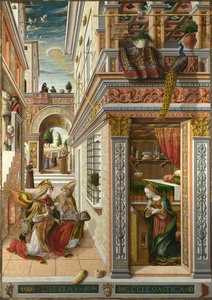
Carlo Crivelli
1435 - 1495 , Italien
Kurzinfos
- Bemerkenswerte Kunstwerke: ['Madonna und Kind auf Thron']
- Geburtsdatum: ca. 1430-35
- Geburtsort (Stadt, Land): Venedig, Italien
- Künstler, Die Diesen Künstler Beeinflussten:
- Vivarini
- Squarcione
- Mantegna
- Künstlerische Bewegung/Stil: Spätgotik, Renaissance
- Nationalität: Italienisch
- Todatum: 1495
- Vollständiger Name: Carlo Crivelli
Ähnliche Artikel
Paul Klee: Die 25 Meisterwerke des Abstrakten – Kunst für Ihr Zuhause | ArtsDot
Entdecken Sie die 25 Meisterwerke von Paul Klee! Tauchen Sie ein in seine abstrakte Welt, voller Expressionismus und Bauhaus-Einflüsse. Hochwertige Kunst für Ihr Zuhause – jetzt bei ArtsDot entdecken!
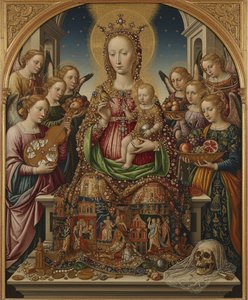
Carlo Crivelli: Mystik und Materialität der Renaissance-Malerei Venedigs
Entdecken Sie Carlo Crivellis faszinierende Renaissance-Malerei! Analysieren Sie seine einzigartige Technik, religiöse Symbolik und den Einfluss Venedigs auf sein Werk. Expertenwissen & detaillierte Kunstanalyse.

Paul Cézanne: Die 25 Meisterwerke des Impressionismus | ArtsDot
Entdecken Sie die 25 Meisterwerke von Paul Cézanne! Tauchen Sie ein in die Welt des Impressionismus und Postimpressionismus. Erfahren Sie mehr über seine Stillleben, Landschaften & berühmten Gemälde – jetzt hochwertige Kunstdrucke auf ArtsDot.com.
Illuminating Surfaces: A Comprehensive Exploration of Tempera on Panel Painting Techniques & Historical Significance
Explore the rich history & techniques of tempera painting! Discover Renaissance masters like Botticelli & Fra Angelico, conservation insights, and the enduring legacy of this captivating art form. Learn more now!
Illuminating History: A Comprehensive Exploration of Tempera Painting Techniques & Artistic Legacy
Explore the rich history & techniques of tempera painting! Discover Renaissance masters like Botticelli & Fra Angelico, conservation insights, and the enduring legacy of this captivating art form.