 Vorschau anzeigen
 Versenden
 Teilen
 Details anzeigen

 Herunterladen
 Ähnliche Objekte
 Röntgenaufnahme
 Diashow
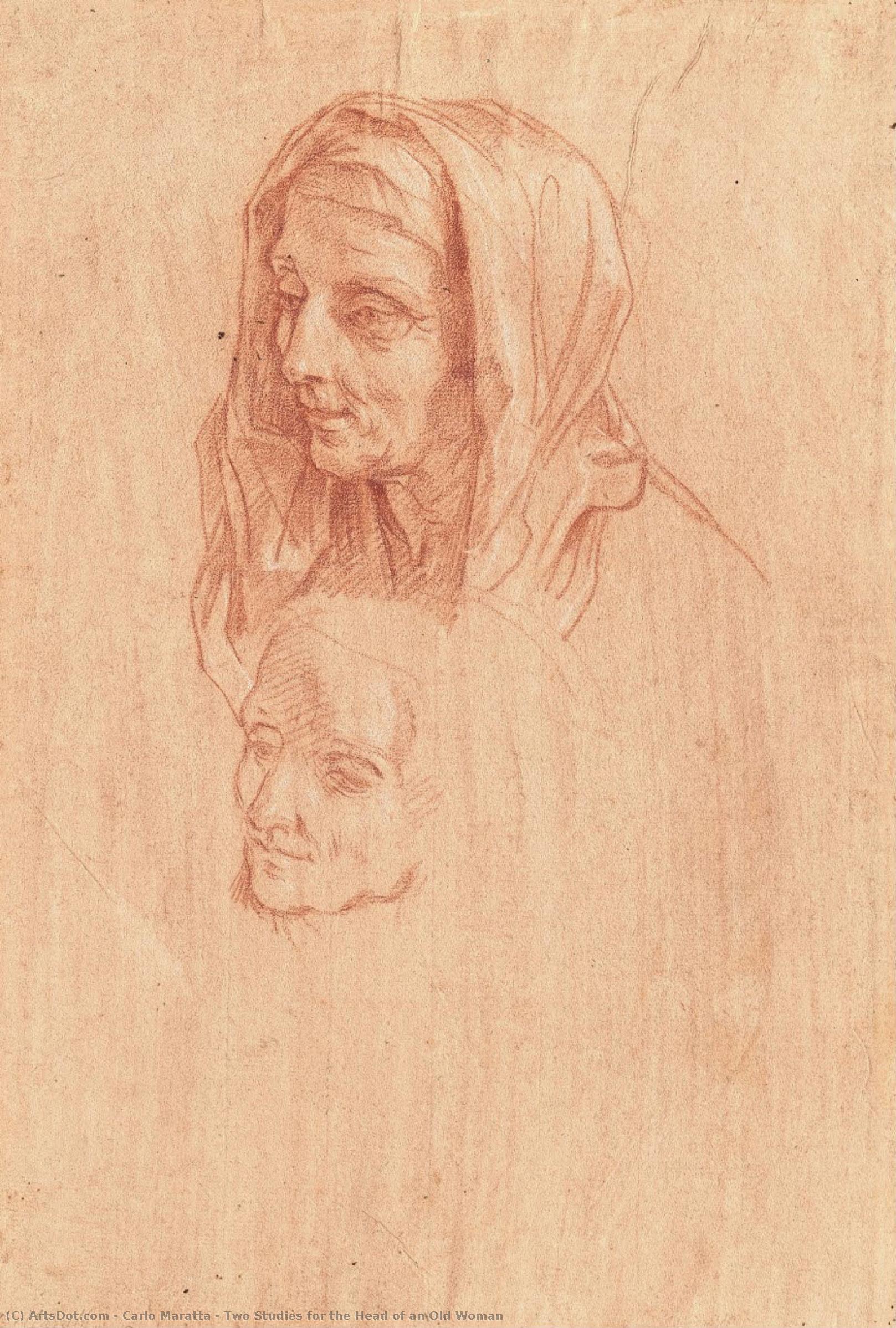
Two Studies for the Head of an Old Woman
 Acrylic On Canvas
- WallArt
- Baroque Classicizing Style
 1685
1685 262.0 x 388.0 cm
 Kunstpalast
 Weiterlesen
Handgefertigte Ölreproduktion
Handgemaltes Ölgemälde auf Leinwand in Ihrer Wunschgröße und mit Rahmen, auf Bestellung von unseren Künstlern angefertigt. ( Druck bestellen Bild kaufen)




P118B $10

P118H $10

P118W $10

P438Z $10

P508JH $12

P508YH $12

P805H $10

P805Z $10

P919BZ $10

P919G $10

P919XJ $10

P959ZH $10

P968JZ $12

W106C $8

W218G $10

W218JH $8

W218Y $10

W307PJ $10

W316G $10

W316PJ $8

W316Y $10

W398PJ $8

W4111J $10

W500HY $15

W500JH $15

W692G $12

W849H $8

W940BG $15

W953PJ $8




Wählen Sie aus unseren vordefinierten Formaten, die den ursprünglichen Proportionen des Kunstwerks entsprechen.

Sie können Ihre eigenen Maße eingeben, um einen bestimmten Rahmen oder Platz auszufüllen. Wenn die gewählte Größe nicht den Proportionen des Originalbildes entspricht, werden wir das Kunstwerk entweder beschneiden oder das Gemälde durch zusätzliche, handgemalte Elemente erweitern. Ein digitales Mockup wird Ihnen zur Genehmigung zugesandt, bevor die Produktion beginnt.
Bitte beachten Sie, dass die Bildschirmvorschau nicht die tatsächliche Beschneidung oder Erweiterung widerspiegelt. Nur das Mockup zeigt die endgültige Komposition exakt an.
Obwohl Sondermaße verfügbar sind, empfehlen wir, eine Größe aus der vordefinierten Liste zu wählen, um die ursprünglichen Proportionen beizubehalten.
Nach der Bestellung wird das ArtsDot.com-Team dem Kunden Anweisungen per E-Mail zusenden und eine Mockup-Vorschau bereitstellen.
Weltweiter Versand () in nur 3 bis 4 Wochen statt der üblichen 5 Wochen. (28 August). Keine Kompromisse bei der Qualität.

Kostenloser weltweiter Expressversand

Hochwertige Leinenleinwand

Umfassender Versicherungsschutz beim Versand

Zollgebühren-Rückerstattungsgarantie

Garantie für exakte Farbtreue

60 Tage Rückgaberecht (nur bei Mängeln)

100% Geld-zurück-Garantie

Mengenrabatt verfügbar
 Die Glasoption ist nur für Größen unter 110 cm verfügbar.

Two Studies for the Head of an Old Woman
Art der Reproduktion
Format der Reproduktion
-


Gesamtpreis
$ 263
A Portrait of Reflection: Exploring Carlo Maratta’s “Two Studies for the Head of an Old Woman”
The Kunstpalast museum in Düsseldorf houses a remarkable painting by Carlo Maratta – “Two Studies for the Head of an Old Woman,” completed in 1685. More than just a depiction of a face, this artwork embodies the burgeoning Classical Style that was reshaping Italian art during its twilight years, marking a deliberate departure from the opulent excesses of the High Baroque. It’s a piece that invites contemplation and rewards careful observation, offering insights into both artistic innovation and the psychological complexities of portraiture.The Stylistic Shift: From Drama to Restraint
Maratta's oeuvre represents a significant reaction against the theatrical grandeur favored by artists like Caravaggio and Rubens. While Baroque painters sought to overwhelm their viewers with dramatic lighting and emotive gestures, Maratta championed clarity and equilibrium. He meticulously crafted compositions that prioritized balance and harmony—a hallmark of Classical ideals—resulting in images imbued with serenity and intellectual precision. This stylistic preference wasn’t merely aesthetic; it reflected a broader cultural shift toward rational thought and humanist values prevalent during the Enlightenment. Sacchi's influence was paramount, guiding Maratta to adopt a disciplined approach rooted in observation and anatomical accuracy.Technique and Composition: Mastering Light and Form
Maratta employed oil paint on canvas with remarkable skill, utilizing glazing techniques—thin layers of translucent pigment applied over subsequent coats—to achieve subtle tonal gradations and luminous effects. These delicate washes of color capture the nuances of skin texture and illuminate the contours of the face with a soft, diffused light that conveys both dignity and vulnerability. The two portraits are presented side by side, allowing for a comparative study of Maratta’s meticulous attention to detail. Notice how he captures the subtle wrinkles and folds of skin—a testament to his anatomical understanding—creating an image that transcends mere likeness and delves into the psychological portraiture of age and experience.Historical Context: Rome Under Papal Patronage
The painting emerged during a period of considerable artistic patronage in Rome, where the Papacy actively supported artists and commissioned monumental works celebrating religious piety. Maratta’s commission underscores the importance of humanist ideals within the Vatican's cultural landscape—a desire to portray human subjects with dignity and grace rather than solely as symbols of faith. The Kunstpalast museum’s careful preservation ensures that future generations can appreciate this masterpiece alongside other treasures from the Baroque era, fostering a dialogue between artistic tradition and intellectual progress.Symbolism: Beyond Appearance – An Exploration of Inner Life
Though seemingly simple in its visual presentation, “Two Studies for the Head of an Old Woman” speaks volumes about Maratta’s philosophical convictions. The subject matter itself—a portrait of an elderly woman—was chosen deliberately to convey a profound meditation on mortality and the passage of time. The gaze of the woman is direct yet contemplative, suggesting inner resilience and acceptance. This subtle symbolism aligns perfectly with Classical ideals that valued reason and moral contemplation alongside aesthetic beauty. Maratta’s aim wasn't merely to reproduce an image; he sought to capture the essence of human experience—a feat accomplished through masterful technique and unwavering artistic integrity.Emotional Impact: A Momentary Pause for Reflection
Ultimately, “Two Studies for the Head of an Old Woman” transcends its formal qualities to evoke a powerful emotional response. The painting’s quiet dignity invites viewers to consider themes of aging, wisdom, and inner peace—subjects rarely explored with such sensitivity during the Baroque period. It serves as a poignant reminder that beauty can reside in subtlety and contemplation, prompting us to appreciate the profound richness of human life at every stage. This enduring artwork continues to inspire artists and collectors alike, cementing Maratta’s legacy as one of Rome's most influential painters and championing the timeless allure of Classical Style.Ähnliche Kunstwerke
Über den Künstler
Frühes Leben und Ausbildung
Carlo Maratta, ein bedeutender italienischer Maler, wurde am 15. Mai 1625 in Camerano, Kirchenstaat (heute Italien), geboren. Im Alter von 11 Jahren zog er nach Rom, wo er in der Werkstatt von Andrea Sacchi Lehrling wurde. Dies markierte den Beginn seiner künstlerischen Reise, die ihn schließlich zu einer führenden Figur der römischen Malerschule machen sollte.Künstlerischer Stil und Einflüsse
Marattas Gemälde zeichnen sich durch einen klassisierenden Stil aus, ausgeführt in einer späten barocken klassischen Manier. Obwohl er Teil der klassischen Tradition war, die von Raffael ausgeht, war er nicht frei von dem Einfluss der Barockmalerei, insbesondere bei seiner Farbgebung. Sein Zeitgenosse und Freund, Giovanni Bellori, verfasste eine frühe Biographie über Maratta und hob seinen einzigartigen künstlerischen Ansatz hervor.Wichtige Werke und Aufträge
Zu Marattas bemerkenswertesten Werken gehören:- Die Verkündigung (1656) für Santa Maria della Pace, die seine Meisterschaft von Licht und Bewegung zeigt.
- Das Geheimnis der Dreifaltigkeit, das St. Augustinus offenbart wurde (ca. 1655), das seine Fähigkeit demonstriert, klassische Ideale mit barocken Elementen in Einklang zu bringen.
- Das Erscheinen der Jungfrau vor St. Philipp Neri (ca. 1675), jetzt im Palazzo Pitti in Florenz, was sein begabtes Verständnis des Themas veranschaulicht.
Karriere und Ehrungen
Marattas künstlerische Karriere umfasste über sechs Jahrzehnte, während derer er zahlreiche Aufträge von bedeutenden Mäzenen erhielt, darunter sechs Päpste. Er wurde von Innozenz XI. zum Surintendent des chambres du Vatican ernannt und beauftragt, die Fresken von Raffael im Vatikan zwischen 1702 und 1703 zu restaurieren. Marattas Vermächtnis als Meister der späten barocken klassischen Manier wird durch seine Werke fortgesetzt, die sich in verschiedenen Museen befinden, darunter auch auf ArtsDot.com.- Betrachten Sie Marattas Kunstwerke auf ArtsDot: Carlo Marattas Kunstwerke
- Lesen Sie mehr über Marattas Leben und Werk auf Wikipedia: Carlo Maratta - Wikipedia
Wichtige Daten
1625: Geburt in Camerano, Kirchenstaat (heute Italien) 1636: Umzug nach Rom und Lehrling bei Andrea Sacchi 1713: Verstarb in Rom und hinterließ ein Erbe klassisierender Gemälde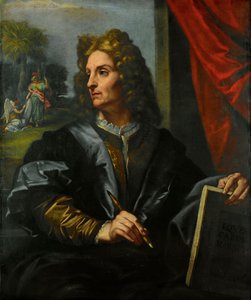
Carlo Maratta
1625 - 1713 , Italien
Kurzinfos
- Beeinflusste Künstler:
- Andrea Sacchi
- Raffael
- Annibale Carracci
- Bemerkenswerte Werke:
- Die Bewilderung
- Das Geheimnis der Dreifaltigkeit
- Erscheinung der Jungfrau
- Geburtsdatum: 15. Mai 1625
- Geburtsort: Camerano, Italien
- Künstlerische Bewegung: Spätbarock, Klassizismus
- Nationalität: Italienisch
- Sterbedatum: 1713
- Vollständiger Name: Carlo Maratta
Ähnliche Artikel

Baroque Classicism: Reconciling Drama & Order in 17th-Century Art
Explore the captivating world of Baroque Classicism! Discover its history, key artists like Caravaggio & Rubens, and defining characteristics. Expert insights & high-quality reproductions at ArtsDot.
Simon Vouet: Vom italienischen Barock zum französischen Klassizismus – Eine künstlerische Reise
Entdecken Sie das Leben und Werk von Simon Vouet, dem Pionier des italienischen Barock in Frankreich! Erfahren Sie mehr über seinen künstlerischen Werdegang, seine wichtigsten Gemälde und seinen nachhaltigen Einfluss auf die französische Malerei. Jetzt lesen!

Barocke Pracht: Wie Sie Opulenz und Emotionen in zeitgenössische Innenräume bringen
Entdecken Sie die Pracht des Barock! Expertenratgeber für luxuriöse Innenräume mit barocken Elementen. Inspiration, Tipps & hochwertige Kunst bei .

Barock Meisterwerke: Die 10 prägendsten Kunstwerke für Ihr Zuhause |
Entdecken Sie die 10 prägendsten Meisterwerke des Barock! Caravaggio, Rembrandt & Co. – Erfahren Sie die Geschichten hinter ikonischen Gemälde und finden Sie hochwertige Kunst Reproduktionen für Ihr Zuhause auf .
Decoding Baroque Grandeur: A Guide to the Drama and Emotion of 17th-Century Art
Explore the breathtaking drama of 17th-century Baroque art. Our expert guide decodes the use of chiaroscuro, emotional intensity, and historical grandeur to help you appreciate and curate timeless masterpieces for your collection.