 Vorschau anzeigen
 Versenden
 Teilen
 Details anzeigen

 Herunterladen
 Ähnliche Objekte
 Röntgenaufnahme
 Diashow
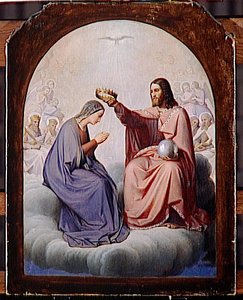
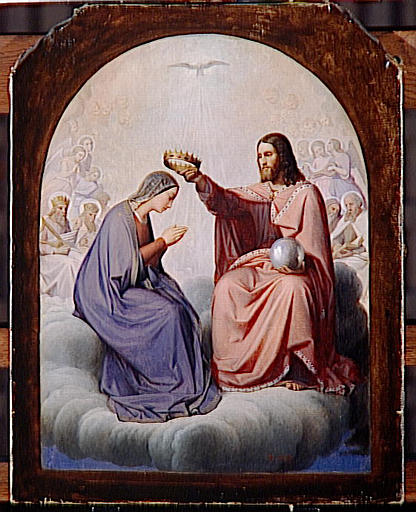
LE COURONNEMENT DE LA VIERGE, REINE DES CIEUX


 Weiterlesen
Giclée / Kunstdruck
Giclée- oder Leinwanddruck in Museumsqualität mit schneller Produktion und flexiblen Veredelungsoptionen. ( Handgemalte Reproduktion bestellen Bild kaufen)




P118B $10

P118H $10

P118W $10

P438Z $10

P508JH $12

P508YH $12

P805H $10

P805Z $10

P919BZ $10

P919G $10

P919XJ $10

P959ZH $10

P968JZ $12

W106C $8

W218G $10

W218JH $8

W218Y $10

W307PJ $10

W316G $10

W316PJ $8

W316Y $10

W398PJ $8

W4111J $10

W500HY $15

W500JH $15

W692G $12

W849H $8

W940BG $15

W953PJ $8




Wählen Sie aus unseren vordefinierten Formaten, die den ursprünglichen Proportionen des Kunstwerks entsprechen.

Sie können Ihre eigenen Maße eingeben, um ein bestimmtes Format oder einen speziellen Platz einzupassen. Wenn das von Ihnen gewählte Format nicht den Proportionen des Originalbildes entspricht, werden wir das Kunstwerk entweder beschneiden oder das Bild mit einem gespiegelten oder einfarbigen Rand erweitern. Ein digitaler Entwurf wird Ihnen zur Genehmigung zugesandt, bevor die Produktion beginnt.
Bitte beachten Sie, dass die Vorschau auf dem Bildschirm nicht den tatsächlichen Zuschnitt oder die Erweiterung widerspiegelt. Nur der Entwurf zeigt die endgültige Komposition präzise an.
Obwohl Sondermaße verfügbar sind, empfehlen wir die Auswahl eines Maßes aus der vordefinierten Liste, um die ursprünglichen Proportionen zu bewahren.
Weltweiter Versand () innerhalb von 2 Wochen statt der üblichen 4/5 Wochen. (25 August)

Kostenloser weltweiter Expressversand

Hochwertige Leinenleinwand

Umfassender Versicherungsschutz beim Versand

Zollgebühren-Rückerstattungsgarantie

Garantie für exakte Farbtreue

60 Tage Rückgaberecht (nur bei Mängeln)

100% Geld-zurück-Garantie

Mengenrabatt verfügbar
 Die Glasoption ist nur für Größen unter 110 cm verfügbar.

LE COURONNEMENT DE LA VIERGE, REINE DES CIEUX
Giclée / Kunstdruck
Format der Reproduktion
-


Gesamtpreis
$ 62
Sammlerstück-Beschreibung
Ein Meisterwerk der akademischen Tradition: Das Kronenbild Marias
Romain Cazes, ein französischer Historienmaler, dessen Leben zwischen den Jahren 1808 und 1881 stattfand, verkörperte eine einzigartige künstlerische Perspektive innerhalb des romantischen Kunstbetriebs. Seine Ausbildung begann am Saint-Étienne Gymnasium in Toulouse unter der Anleitung von Jean-Ba und prägte ihn tiefgreifend durch die Einflüsse von Ingres und dessen akademischer Schule aus – ein Unterschied, der seinen künstlerischen Stil nachhaltig bestimmte und ihm einen besonderen Platz im Kunstgeschichte sicherte. Während viele Künstler ihrer Zeit nach neuen Ausdrucksformen und emotionaler Intensität suchten, verfolgte Cazes eine andere Strategie: Er konzentrierte sich auf präzise Beobachtung und idealisierte Darstellung, eine bewusste Abkehr von den vorherrschenden Trends, die dennoch seine künstlerische Bedeutung unterstreichen konnte.- Überblick über das Werk Das Gemälde „Le Couronnement de la Vierge, Reine des Cieux“ (Die Krönung Marias) von Romain Cazes ist eine beeindruckende Darstellung religiöser Erzählung und wurde zwischen 1825 und 1850 geschaffen. Es handelt sich um ein Ölgemälde auf Holzplatte und spiegelt die Tradition der nördlichen Renaissance wider, wobei besonderes Augenmerk auf detaillierte Figuren und symbolische Elemente gelegt wird. Die Perspektive ist leicht abgeflacht und betont durch Verwendung von Wolkenformationen Tiefe. Das Licht wirkt diffus und verleiht dem Bild eine ätherische Qualität.
- Farben und Komposition Die Farbpalette dominiert von tiefen Blau-, Rot-, Gold- und Weißtönen schafft eine ernsthafte und ehrfürchtige Atmosphäre. Linien werden verwendet, um die Formen der Figuren und ihrer Gewänder zu definieren und gleichzeitig die Größe des Szenarios hervorzuheben. Formen wie Kreise (die Krone), Rechtecke (Marias Roben) und organische Elemente repräsentieren Wolken und Figuren tragen zur Gesamtdarstellung bei.
- Technik und Stil Cazes’s künstlerischer Ansatz zeichnet sich durch eine außergewöhnliche Detailtreue und eine hohe Qualität der Umsetzung aus. Er verwendete eine Öltechnik auf Holzplatte, wobei sichtbare Pinselstriche und Schichten von Farbe eingesetzt wurden, um Tiefe und Luminosität zu erzielen. Diese Methode ist charakteristisch für die akademische Tradition und spiegelt die Bedeutung präziser Beobachtung und idealisierter Darstellung wider.
- Historischer Kontext Das Gemälde entstand im Kontext der romantischen Epoche, doch Cazes blieb seinem künstlerischen Glauben treu und setzte sich für die Prinzipien der akademischen Kunst ein. Diese Entscheidung ermöglichte ihm eine besondere Anerkennung innerhalb seiner Zeit und unterstreicht gleichzeitig seine Rolle als Vertreter einer wichtigen künstlerischen Bewegung.
- Symbolik und Bedeutung Das Bild ist reich an Symbolen, darunter die Taube, die den Heiligen Geist repräsentiert, die goldene Krone, die göttliche Autorität verkörpert und das gesamte Gesamtbild, das eine himmlische Welt darstellt. Diese Elemente laden zum Nachdenken über religiöse Themen ein und verleihen dem Werk eine tiefere Bedeutung.
Ähnliche Kunstwerke
Über den Künstler
Romain Cazes: A Parisian Painter Rooted in Academic Tradition
Romain Cazes (1808–1881) was a French historical painter whose career unfolded against the backdrop of the Romantic era, yet he remained steadfastly committed to the principles of academic art—a distinction that defines his artistic legacy. Born at Saint-Béat, Haute-Garonne, Cazes’s formative years coincided with Ingres's ascendancy as the dominant figure in Parisian painting academies, shaping his artistic sensibilities and establishing a stylistic trajectory that would endure throughout his life. While contemporaries embraced expressive liberties and emotional intensity, Cazes prioritized meticulous observation and idealized representation—a conscious rejection of prevailing trends that nonetheless secured him a prominent place within the artistic canon of his time.- Early Life & Training: Cazes’s formal education began at Saint-Étienne School in Toulouse, where he honed his drawing skills under the tutelage of Jean-Baptiste Camille Bouchardy, a respected teacher known for his adherence to classical ideals. This early exposure instilled in him a profound appreciation for anatomical accuracy and compositional balance—elements that would become hallmarks of his artistic style.
- Influence of Ingres: Cazes’s relationship with Ingres proved pivotal. Recognizing Cazes's talent, Ingres took him on as a pupil, fostering a collaborative environment where stylistic refinement was paramount. The elder artist championed the pursuit of “art for art’s sake,” emphasizing beauty and intellectual rigor above narrative or moral didacticism—a philosophy that profoundly impacted Cazes’s artistic vision.
Notable Artistic Achievements & Style
Cazes achieved considerable renown during his lifetime, primarily through monumental murals adorning churches in Paris and provincial towns. His most celebrated works include “Les Douze Apôtres” at Saint-François Xavier Church and “Le Paralytique” at Notre-Dame de Clignancourt—impressive undertakings that showcased his mastery of fresco technique and his ability to convey spiritual grandeur with remarkable precision. These murals exemplify Cazes’s stylistic hallmark: a meticulous rendering of figures and draperies executed in tempera paint, utilizing subtle gradations of color and masterful shading to achieve an illusionistic depth rarely seen in Romantic art. His compositions are characterized by balanced symmetry and idealized poses—reflecting Ingres's influence and upholding the standards of academic painting.- Frescoes at Saint-François Xavier & Notre-Dame de Clignancourt: These monumental murals stand as testaments to Cazes’s artistic skill and dedication, capturing biblical narratives with breathtaking detail and conveying profound spiritual emotion through carefully crafted visual elements.
- Portraiture: Beyond his mural commissions, Cazes produced numerous portraits—often commissioned by prominent patrons—demonstrating his ability to capture the likeness of his subjects while simultaneously embodying classical ideals of beauty and dignity.
Symbolism & Artistic Context
Cazes’s artistic output is firmly rooted in the Romantic movement, yet he distinguishes himself from many of his contemporaries by prioritizing formal elegance over emotional fervor. Like Ingres, Cazes adhered to the tenets of “art for art’s sake,” rejecting sentimentalism and melodrama in favor of intellectual contemplation—a stance that aligns him with a broader artistic tradition concerned with aesthetic perfection rather than moral instruction. His meticulous attention to detail—particularly in depicting draperies and anatomical forms—reflects the influence of classical sculpture, where idealized beauty was considered paramount. Furthermore, Cazes’s stylistic choices underscore the enduring legacy of Renaissance art—a testament to his unwavering commitment to artistic principles that transcended temporal boundaries.Legacy & Historical Significance
Romain Cazes remains a significant figure in French art history—primarily recognized for his contribution to monumental fresco painting and his embodiment of academic artistic ideals. His murals at Saint-François Xavier and Notre-Dame de Clignancourt continue to inspire admiration for their technical virtuosity and expressive power, serving as enduring symbols of Parisian Baroque grandeur. Cazes’s unwavering devotion to classical aesthetics—coupled with his masterful execution—established him as a pivotal voice within the Romantic era, securing his place among the most respected artists of his time and ensuring that his work would be studied and appreciated for generations to come. His influence can be seen in subsequent generations of painters who sought to emulate Ingres’s stylistic rigor and uphold the standards of academic art—a testament to Cazes's enduring artistic legacy.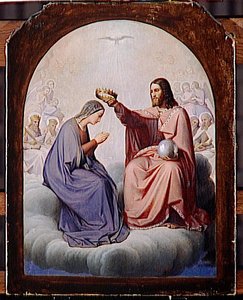
cazes romain
1808 - 1881
Kurzinfos
- Artistic Movement Or Style: Romanticism
- Artists Or Movements Influenced By This Artist: ['Romantic Art']
- Artists Who Influenced This Artist: ['Ingres']
- Date Of Birth: 1808
- Date Of Death: 1881
- Full Name: Romain Cazes
- Nationality: French
- Notable Artworks:
- Les Douze Apôtres
- Quatre figures allégoriques
- Place Of Birth: Saint-Béat (Haute-Garonne)
Ähnliche Artikel
Romantic Realism's Finest: 10 Masterpieces for Your Home | ArtsDot
Explore 10 defining masterpieces of Romantic Realism! Discover Courbet, Millet & Daumier's powerful paintings—capturing emotion and social realities. Find museum-quality reproductions for your home at ArtsDot.com.
The Northern Renaissance: A Flourishing of Realism, Religious Reform & Artistic Innovation
Explore the Northern Renaissance! Discover Jan van Eyck's innovations, religious shifts, & key artists of this influential period. Expert analysis and insights into Early Netherlandish painting at ArtsDot.
Sacred Narratives Embodied: A Comprehensive Exploration of Religious Iconography in Art History
Explore the rich history of religious iconography in art! Discover symbolism, movements & masterpieces from Byzantine to Renaissance periods. Expert insights for collectors and enthusiasts at ArtsDot.

The Enduring Legacy of Oil on Canvas: Technique, History & Aesthetic Impact
Explore the rich history & techniques of oil painting – from Renaissance masters to Impressionism. Discover pigments, layering methods, and why this timeless medium endures. Expert insights for artists & art enthusiasts.

The Enduring Power of Painting: A Historical & Contemporary Exploration of Form and Emotion
Explore the rich history & enduring techniques of oil painting with ArtsDot. Discover masterpieces, learn about art collecting, and find authentic handmade reproductions crafted by skilled artists.