

 Vorschau anzeigen
 Versenden
 Teilen
 Details anzeigen

 Herunterladen
 Ähnliche Objekte
 Röntgenaufnahme
 Diashow
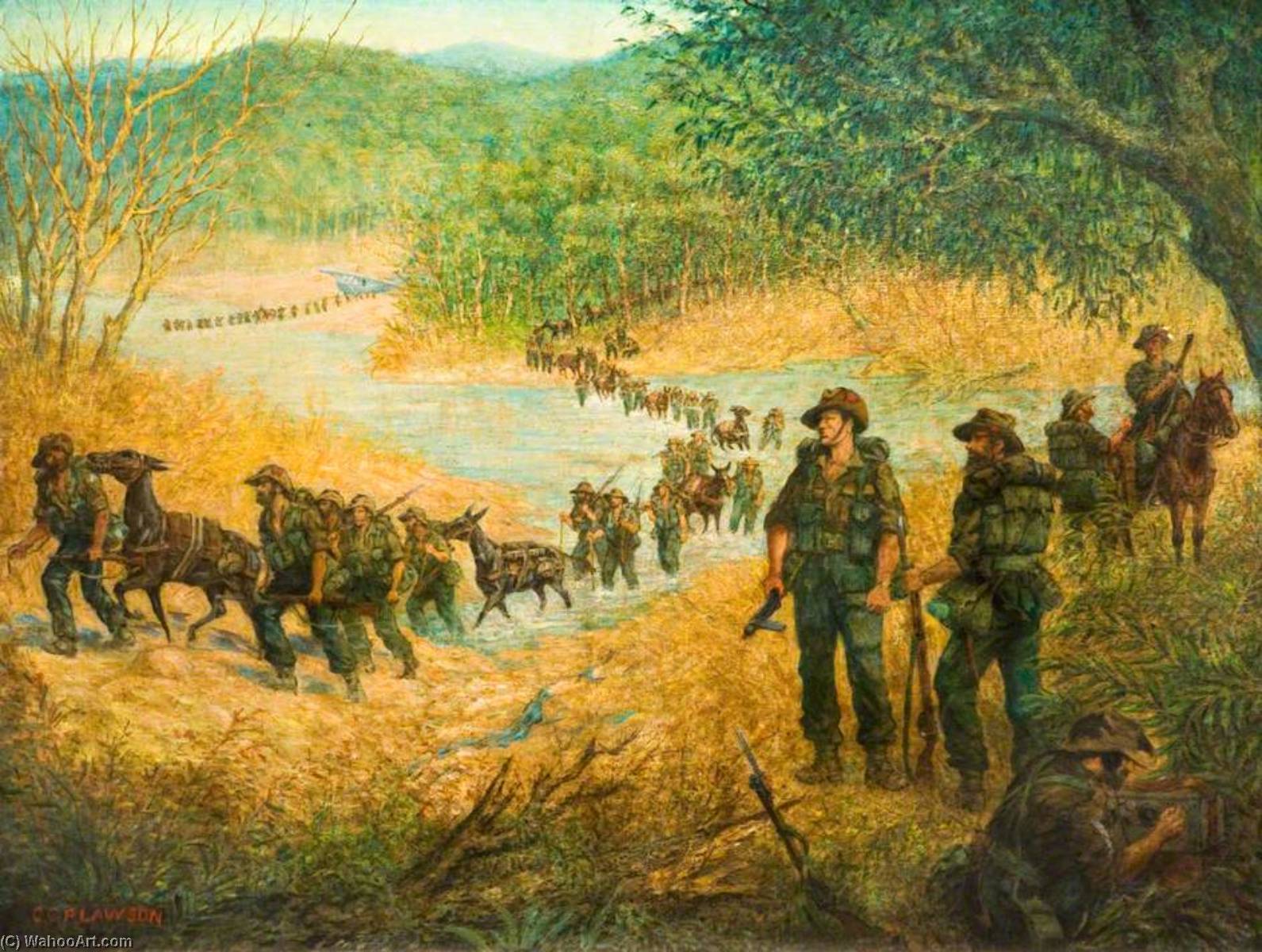
1st South Staffords on the March in Burma, 1944
 Oil
Oil- WallArt
 1944
1944- Modern
 60.0 x 96.0 cm
 Das Staffordshire Regiment Museum
 Weiterlesen
Giclée / Kunstdruck
Giclée- oder Leinwanddruck in Museumsqualität mit schneller Produktion und flexiblen Veredelungsoptionen. ( Handgemalte Reproduktion bestellen Bild kaufen)




P118B $10

P118H $10

P118W $10

P438Z $10

P508JH $12

P508YH $12

P805H $10

P805Z $10

P919BZ $10

P919G $10

P919XJ $10

P959ZH $10

P968JZ $12

W106C $8

W218G $10

W218JH $8

W218Y $10

W307PJ $10

W316G $10

W316PJ $8

W316Y $10

W398PJ $8

W4111J $10

W500HY $15

W500JH $15

W692G $12

W849H $8

W940BG $15

W953PJ $8




Wählen Sie aus unseren vordefinierten Formaten, die den ursprünglichen Proportionen des Kunstwerks entsprechen.

Sie können Ihre eigenen Maße eingeben, um ein bestimmtes Format oder einen speziellen Platz einzupassen. Wenn das von Ihnen gewählte Format nicht den Proportionen des Originalbildes entspricht, werden wir das Kunstwerk entweder beschneiden oder das Bild mit einem gespiegelten oder einfarbigen Rand erweitern. Ein digitaler Entwurf wird Ihnen zur Genehmigung zugesandt, bevor die Produktion beginnt.
Bitte beachten Sie, dass die Vorschau auf dem Bildschirm nicht den tatsächlichen Zuschnitt oder die Erweiterung widerspiegelt. Nur der Entwurf zeigt die endgültige Komposition präzise an.
Obwohl Sondermaße verfügbar sind, empfehlen wir die Auswahl eines Maßes aus der vordefinierten Liste, um die ursprünglichen Proportionen zu bewahren.
Weltweiter Versand () innerhalb von 2 Wochen statt der üblichen 4/5 Wochen. (28 August)

Kostenloser weltweiter Expressversand

Hochwertige Leinenleinwand

Umfassender Versicherungsschutz beim Versand

Zollgebühren-Rückerstattungsgarantie

Garantie für exakte Farbtreue

60 Tage Rückgaberecht (nur bei Mängeln)

100% Geld-zurück-Garantie

Mengenrabatt verfügbar
 Die Glasoption ist nur für Größen unter 110 cm verfügbar.

1st South Staffords on the March in Burma, 1944
Giclée / Kunstdruck
Format der Reproduktion
-


Gesamtpreis
$ 62
A Journey Through Time: The Resilience of the 1st South Staffords
In the evocative canvas of 1st South Staffords on the March in Burma, 1944, we are transported to a pivotal moment in the annals of World War II. This historical masterpiece captures more than just a military movement; it encapsulates the very essence of human endurance and the heavy burden of duty. The scene unfolds across a sprawling field, where a column of soldiers moves with a rhythmic, determined pace through the lush, untamed landscape of Burma. As we gaze upon the composition, the eye is immediately drawn to the interplay between man and beast, as horses and mules, laden with the essential supplies of war, tramping alongside their human counterparts. The painting serves as a profound window into a period of immense global upheaval, freezing a moment of quiet, focused preparation amidst the looming shadows of conflict.
The artistry within this piece lies in its ability to blend historical documentation with a deeply moving atmosphere. The artist masterfully utilizes the natural setting—a verdant expanse framed by dense, protective trees—to create a sense of both isolation and sanctuary. There is a palpable weight to the scene, felt in the heavy backpacks worn by the men and the steady, rhythmic gait of the animals. Each figure, whether mounted or walking on foot, contributes to a larger narrative of collective effort and shared destiny. The composition invites the viewer to walk alongside this regiment, feeling the humidity of the Burmese terrain and the solemnity of their mission.
Technique and Visual Grandeur
From an aesthetic perspective, this work is a triumph of historical realism. The technique employed allows for a rich texture that brings the organic elements of the landscape to life—the soft foliage of the surrounding trees, the dusty earth beneath the hooves, and the rugged gear of the infantry. The light in the painting plays a crucial role, filtering through the canopy to highlight the determination etched on the faces of the fourteen men visible in the procession. This careful manipulation of light and shadow creates a sense of depth that pulls the observer into the heart of the march.
For the discerning collector or interior designer, this piece offers an unparalleled opportunity to introduce a conversation starter into any space. The scale of 60 x 96 cm provides a commanding presence, making it an ideal centerpiece for a study, a library, or a sophisticated gallery wall. The painting does not merely decorate a room; it anchors it with a sense of gravity and historical importance. Its palette, rooted in the natural tones of the Burmese wilderness, offers a timeless elegance that complements both classic and contemporary decor, providing a window into a world of bravery and steadfastness.
The Emotional Legacy of the March
Beyond its technical merits, the true power of this work resides in its emotional resonance. It is a tribute to the 1st South Staffords, celebrating the teamwork and grit required to navigate the complexities of wartime logistics. There is a subtle melancholy inherent in the scene—a recognition of the uncertainty that lay ahead for these soldiers—yet it is balanced by an overwhelming sense of purpose. The painting captures the quiet heroism found not in grand battles, but in the daily, grueling perseverance of the march.
Owning a high-quality reproduction of this work means preserving a fragment of history. It allows the spirit of 1944 to reside within a modern home, offering a constant reminder of the strength of the human spirit when faced with monumental challenges. Whether viewed as an educational piece for history enthusiasts or as a profound work of art for those moved by the beauty of historical narrative, this painting remains an enduring testament to a generation defined by their courage.
Ähnliche Kunstwerke
Über den Künstler
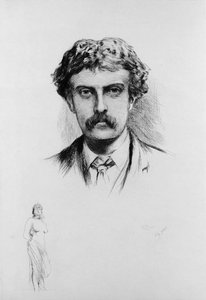
Frühes Leben und Familie
- Geboren: Fountain Place, Wellington, Shropshire, Großbritannien, 3. Dezember 1849
- Gestorben: West Brompton, London, 10. Juni 1882 (im Alter von 32 Jahren)
- Eltern: William Lawson (Porträtmaler) und Elizabeth R. Stone
- Geschwister: Francis Wilfrid Lawson (Künstler), Malcolm Leonard Lawson (Musiker)
- Die Familie Lawson zog kurz nach Cecils Geburt nach London.
- Er war von Kindheit an der Kunst verschrieben und besaß eine ernste Natur.
Künstlerische Ausbildung und frühe Karriere
- Er erhielt keine formelle künstlerische Ausbildung.
- Er wurde vom Vater und Bruder Wilfrid in Zeichnen und Malen unterrichtet.
- Autodidaktischer Künstler, beeinflusst von William Henry Hunt.
- Frühe Werke umfassten Studien von Früchten, Blumen und Flusslandschaften in Chelsea.
- Er stellte erstmals 1870 im Royal Academy mit *Cheyne Walk* aus.
- Er fertigte Zeichnungen für Holzschnitte an.
- Verbunden mit Künstlern wie Fred Walker, G.J. Pinwell, Hubert Herkomer, Charles Keene und William Small.
Entwicklung und Hauptwerke
- Wandelte sich um 1869 von Aquarell zu Ölmalerei.
- Reiste ausgiebig in Großbritannien (Irland, Wales, Kent) und Kontinentaleuropa (Niederlande, Belgien, Frankreich).
- *A Hymn to Spring* (1871-72) – Von der Akademie abgelehnt, zeigte aber einen Wandel hin zu einem farbenfroheren Ansatz. Jetzt im Santa Barbara Museum of Art.
- *The Hop-Gardens of England* (1874) - Ausgestellt in der Royal Academy im Jahr 1876, erhielt viel Lob.
- *The Minister's Garden* (1878) – Ein bedeutender Triumph, ausgestellt in der Grosvenor Gallery und später von der Manchester Art Gallery erworben.
- Spätere Werke spiegelten eine tragischere Stimmung wider und stellten Szenen aus seiner Nachbarschaft oder Yorkshire dar.
- *The August Moon* - Jetzt in Tate Britain, London.
Einflüsse und künstlerischer Stil
- Einflüsse: Thomas Gainsborough, John Crome, John Constable, William Henry Hunt.
- Stil: Erneuerte die Tradition der englischen Landschaftsmalerei mit einer einfallsreichen Intensität. Oft mit der Idyllisten-Schule verbunden.
- Bekannt für eindringliche Szenen der englischen Landschaft und einen unverwechselbaren Stil, der sowohl idyllische als auch tragische Elemente vereint.
Späteres Leben, Familie und Vermächtnis
- Heirat: Heirate Constance Birnie Philip im Jahr 1879 (Tochter des Bildhauers John Birnie Philip).
- Sohn: Cecil Constant Philip Lawson (1880-1967), ebenfalls Künstler.
- Litt in späteren Jahren unter gesundheitlichen Problemen, was zu einem Besuch an der französischen Riviera führte.
- Starb am 10. Juni 1882 in West Brompton aufgrund einer Lungenentzündung.
- Vermächtnis: Gilt als eine wichtige Figur der britischen Landschaftsmalerei des 19. Jahrhunderts, bekannt dafür, Traditionen wiederzubeleben und sie mit persönlicher Vision zu versehen. Seine Werke befinden sich in wichtigen Sammlungen wie Tate Britain und Manchester Art Gallery.
Cecil Gordon Lawson
1851 - 1882 , Vereinigtes Königreich
Kurzinfos
- Bemerkenswerte Werke:
- Ein Hymnus an den Frühling
- Die Hopfenhaine Englands
- Der Garten des Pfarrers
- Der Augustmond
- Einflüsse:
- Thomas Gainsborough
- John Crome
- John Constable
- William Henry Hunt
- Geburtsdatum: 3. Dezember 1849
- Geburtsort: Shropshire, Vereinigtes Königreich
- Künstlerische Richtung: Landschaftsmalerei
- Nationalität: Britisch
- Todatum: 10. Juni 1882
- Vollständiger Name: Cecil Gordon Lawson
Ähnliche Artikel
Fernand Léger: Die 25 Meisterwerke des Kubismus für Ihr Zuhause | ArtsDot
Entdecken Sie die 25 Meisterwerke von Fernand Léger! Tauchen Sie ein in die Welt des Kubismus, Tubismus & der Avantgarde. Hochwertige Kunstreproduktionen für Ihr Zuhause – jetzt auf ArtsDot.com!
Isaac Israëls: Chronik des niederländischen Lebens und die Entwicklung des impressionistischen Realismus
Entdecken Sie das faszinierende Werk von Isaac Israëls! Erfahren Sie mehr über den niederländischen Impressionisten, seine einzigartigen Gemälde und seinen Einfluss auf die moderne Kunstgeschichte. Expertenwissen & hochwertige Reproduktionen.

