

 Vorschau anzeigen
 Versenden
 Teilen
 Details anzeigen

 Herunterladen
 Ähnliche Objekte
 Röntgenaufnahme
 Diashow
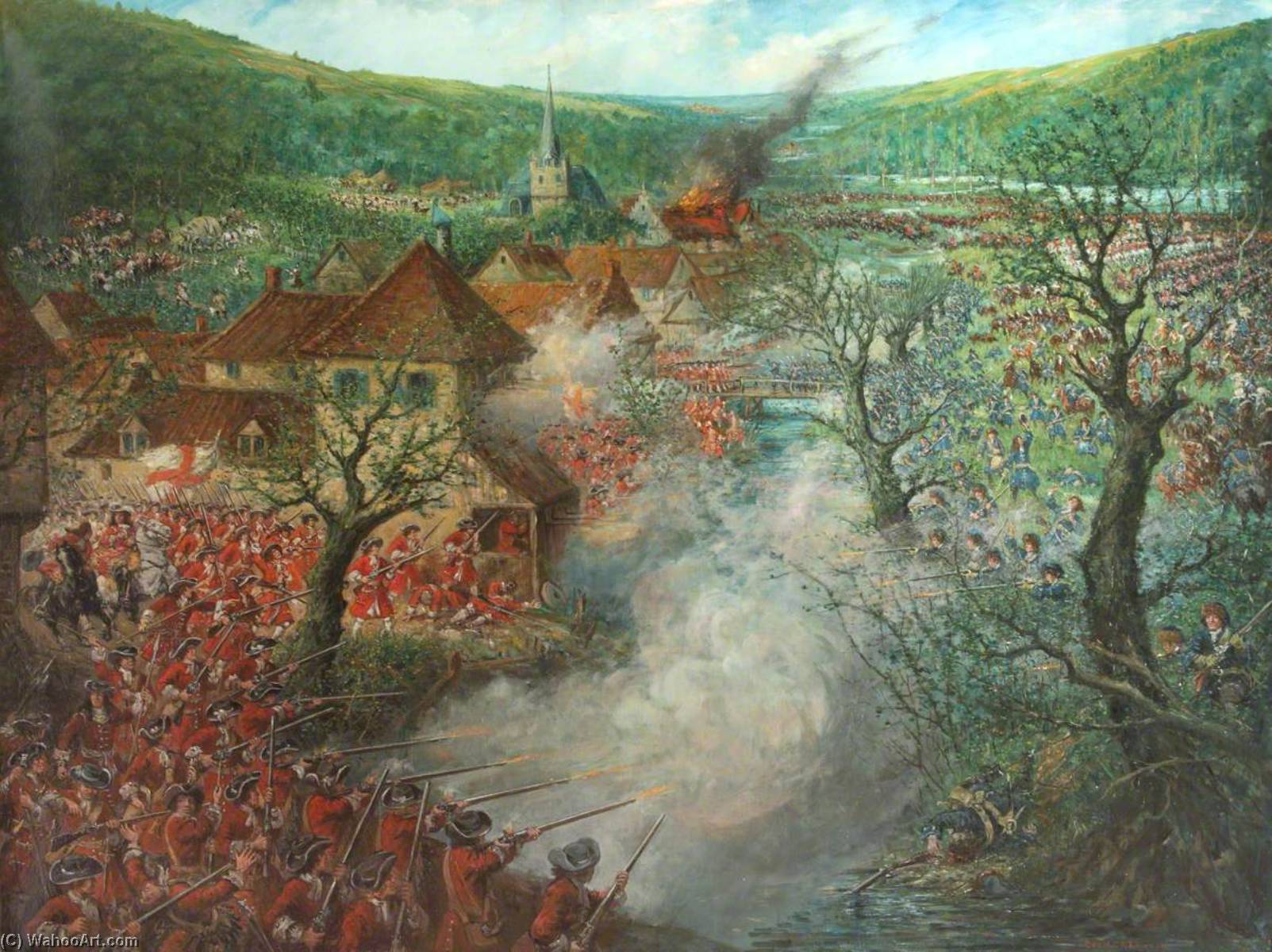
Battle Scene outside a Town
 Acrylic On Canvas
- WallArt
- Idyllist Landscape
 112.0 x 144.0 cm
 Royal Hospital Chelsea
 Weiterlesen
Handgefertigte Ölreproduktion
Handgemaltes Ölgemälde auf Leinwand in Ihrer Wunschgröße und mit Rahmen, auf Bestellung von unseren Künstlern angefertigt. ( Druck bestellen Bild kaufen)




P118B $10

P118H $10

P118W $10

P438Z $10

P508JH $12

P508YH $12

P805H $10

P805Z $10

P919BZ $10

P919G $10

P919XJ $10

P959ZH $10

P968JZ $12

W106C $8

W218G $10

W218JH $8

W218Y $10

W307PJ $10

W316G $10

W316PJ $8

W316Y $10

W398PJ $8

W4111J $10

W500HY $15

W500JH $15

W692G $12

W849H $8

W940BG $15

W953PJ $8




Wählen Sie aus unseren vordefinierten Formaten, die den ursprünglichen Proportionen des Kunstwerks entsprechen.

Sie können Ihre eigenen Maße eingeben, um einen bestimmten Rahmen oder Platz auszufüllen. Wenn die gewählte Größe nicht den Proportionen des Originalbildes entspricht, werden wir das Kunstwerk entweder beschneiden oder das Gemälde durch zusätzliche, handgemalte Elemente erweitern. Ein digitales Mockup wird Ihnen zur Genehmigung zugesandt, bevor die Produktion beginnt.
Bitte beachten Sie, dass die Bildschirmvorschau nicht die tatsächliche Beschneidung oder Erweiterung widerspiegelt. Nur das Mockup zeigt die endgültige Komposition exakt an.
Obwohl Sondermaße verfügbar sind, empfehlen wir, eine Größe aus der vordefinierten Liste zu wählen, um die ursprünglichen Proportionen beizubehalten.
Nach der Bestellung wird das ArtsDot.com-Team dem Kunden Anweisungen per E-Mail zusenden und eine Mockup-Vorschau bereitstellen.
Weltweiter Versand () in nur 3 bis 4 Wochen statt der üblichen 5 Wochen. (21 August). Keine Kompromisse bei der Qualität.

Kostenloser weltweiter Expressversand

Hochwertige Leinenleinwand

Umfassender Versicherungsschutz beim Versand

Zollgebühren-Rückerstattungsgarantie

Garantie für exakte Farbtreue

60 Tage Rückgaberecht (nur bei Mängeln)

100% Geld-zurück-Garantie

Mengenrabatt verfügbar
 Die Glasoption ist nur für Größen unter 110 cm verfügbar.

Battle Scene outside a Town
Art der Reproduktion
Format der Reproduktion
-


Gesamtpreis
$ 263
Beschreibung des Kunstwerks
A Moment Frozen in Time: Cecil Gordon Lawson’s “Battle Scene outside a Town”
Cecil Gordon Lawson's "Battle Scene outside a Town," painted circa 1878, isn’t merely a depiction of warfare; it’s a poignant distillation of Victorian anxieties about empire, duty, and the fleeting nature of heroism. Born in Fountain Place, Shropshire, in 1849, Lawson’s tragically short life – he succumbed to lung illness at just thirty-two – imbued his work with a haunting beauty and a sense of melancholy that resonates deeply within this particular canvas. The painting captures not a glorious victory, but the brutal aftermath of conflict, a scene rendered with a restrained palette and an almost photographic realism that belies its romantic subject matter.
The composition immediately draws the eye to the chaotic center of the action: soldiers locked in desperate combat, their faces etched with grim determination. Lawson masterfully employs a limited range of earthy tones – ochres, browns, grays, and muted greens – to create a sense of immediacy and claustrophobia. The figures are not idealized heroes; they’re men caught in the throes of violence, their bodies contorted in moments of struggle, their uniforms stained with mud and blood. Notice how Lawson subtly suggests movement through the arrangement of limbs and weapons, creating a dynamic tension that pulls the viewer into the heart of the fray.
Echoes of the Crimean War and Beyond
While the precise historical event depicted in “Battle Scene outside a Town” remains somewhat elusive – research points to a possible reference to the Battle of Tuttlingen (1643), a pivotal engagement during the Thirty Years’ War – the painting speaks to broader anxieties about conflict that were prevalent throughout the Victorian era. The Crimean War, with its horrific conditions and staggering casualties, had profoundly impacted British society, fueling debates about military strategy, leadership, and the cost of empire. Lawson's work reflects this atmosphere of disillusionment, moving beyond simplistic glorification of war to explore its devastating human consequences.
However, it’s important to note that Lawson wasn’t simply documenting a historical event; he was drawing upon a rich artistic lineage. His style is deeply influenced by the works of J.M.W. Turner and John Constable, both masters of capturing atmospheric effects and conveying emotional resonance through landscape. Like Turner, Lawson skillfully uses light and shadow to create a sense of drama and immediacy, while his attention to detail and realistic depiction of figures echoes Constable’s commitment to portraying rural life with honesty and sensitivity. The painting's composition also subtly references Gainsborough's depictions of militia scenes, further grounding it within the tradition of British military art.
Symbolism and a Hint of Tragedy
Beyond its historical context, “Battle Scene outside a Town” is rich in symbolic meaning. The ruined buildings in the background – perhaps remnants of a besieged town – represent not just physical destruction but also the loss of innocence and stability. The soldiers themselves are symbols of duty, sacrifice, and the burden of war. Yet, Lawson doesn’t offer any easy answers or heroic narratives. Instead, he presents a scene of profound ambiguity, leaving the viewer to contemplate the futility of violence and the tragic fate of those caught in its grip.
The muted color palette contributes significantly to this sense of melancholy. The lack of vibrant hues reinforces the painting’s somber mood, while the subtle details – such as the mud-stained uniforms and the bloodied ground – underscore the brutal reality of warfare. Lawson's choice of subject matter—a scene of destruction rather than triumph—reflects his own personal experiences and perhaps a broader sense of disillusionment with the Victorian ideal of progress and empire.
A Fleeting Glimpse: Lawson’s Legacy
Cecil Gordon Lawson’s tragically short career produced a remarkably cohesive body of work, characterized by its evocative landscapes, poignant portraits, and subtle exploration of human emotion. Despite being largely overlooked during his lifetime, Lawson's paintings are now recognized for their quiet beauty, emotional depth, and insightful commentary on Victorian society. “Battle Scene outside a Town” stands as a testament to his artistic vision—a powerful reminder of the enduring cost of conflict and the fleeting nature of life itself. It’s a painting that invites contemplation, demanding that we confront not only the horrors of war but also the complexities of human experience.
Ähnliche Kunstwerke
Über den Künstler
Frühes Leben und Familie
- Geboren: Fountain Place, Wellington, Shropshire, Großbritannien, 3. Dezember 1849
- Gestorben: West Brompton, London, 10. Juni 1882 (im Alter von 32 Jahren)
- Eltern: William Lawson (Porträtmaler) und Elizabeth R. Stone
- Geschwister: Francis Wilfrid Lawson (Künstler), Malcolm Leonard Lawson (Musiker)
- Die Familie Lawson zog kurz nach Cecils Geburt nach London.
- Er war von Kindheit an der Kunst verschrieben und besaß eine ernste Natur.
Künstlerische Ausbildung und frühe Karriere
- Er erhielt keine formelle künstlerische Ausbildung.
- Er wurde vom Vater und Bruder Wilfrid in Zeichnen und Malen unterrichtet.
- Autodidaktischer Künstler, beeinflusst von William Henry Hunt.
- Frühe Werke umfassten Studien von Früchten, Blumen und Flusslandschaften in Chelsea.
- Er stellte erstmals 1870 im Royal Academy mit *Cheyne Walk* aus.
- Er fertigte Zeichnungen für Holzschnitte an.
- Verbunden mit Künstlern wie Fred Walker, G.J. Pinwell, Hubert Herkomer, Charles Keene und William Small.
Entwicklung und Hauptwerke
- Wandelte sich um 1869 von Aquarell zu Ölmalerei.
- Reiste ausgiebig in Großbritannien (Irland, Wales, Kent) und Kontinentaleuropa (Niederlande, Belgien, Frankreich).
- *A Hymn to Spring* (1871-72) – Von der Akademie abgelehnt, zeigte aber einen Wandel hin zu einem farbenfroheren Ansatz. Jetzt im Santa Barbara Museum of Art.
- *The Hop-Gardens of England* (1874) - Ausgestellt in der Royal Academy im Jahr 1876, erhielt viel Lob.
- *The Minister's Garden* (1878) – Ein bedeutender Triumph, ausgestellt in der Grosvenor Gallery und später von der Manchester Art Gallery erworben.
- Spätere Werke spiegelten eine tragischere Stimmung wider und stellten Szenen aus seiner Nachbarschaft oder Yorkshire dar.
- *The August Moon* - Jetzt in Tate Britain, London.
Einflüsse und künstlerischer Stil
- Einflüsse: Thomas Gainsborough, John Crome, John Constable, William Henry Hunt.
- Stil: Erneuerte die Tradition der englischen Landschaftsmalerei mit einer einfallsreichen Intensität. Oft mit der Idyllisten-Schule verbunden.
- Bekannt für eindringliche Szenen der englischen Landschaft und einen unverwechselbaren Stil, der sowohl idyllische als auch tragische Elemente vereint.
Späteres Leben, Familie und Vermächtnis
- Heirat: Heirate Constance Birnie Philip im Jahr 1879 (Tochter des Bildhauers John Birnie Philip).
- Sohn: Cecil Constant Philip Lawson (1880-1967), ebenfalls Künstler.
- Litt in späteren Jahren unter gesundheitlichen Problemen, was zu einem Besuch an der französischen Riviera führte.
- Starb am 10. Juni 1882 in West Brompton aufgrund einer Lungenentzündung.
- Vermächtnis: Gilt als eine wichtige Figur der britischen Landschaftsmalerei des 19. Jahrhunderts, bekannt dafür, Traditionen wiederzubeleben und sie mit persönlicher Vision zu versehen. Seine Werke befinden sich in wichtigen Sammlungen wie Tate Britain und Manchester Art Gallery.
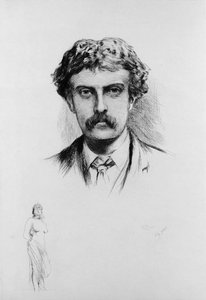
Cecil Gordon Lawson
1851 - 1882 , Vereinigtes Königreich
Kurzinfos
- Bemerkenswerte Werke:
- Ein Hymnus an den Frühling
- Die Hopfenhaine Englands
- Der Garten des Pfarrers
- Der Augustmond
- Einflüsse:
- Thomas Gainsborough
- John Crome
- John Constable
- William Henry Hunt
- Geburtsdatum: 3. Dezember 1849
- Geburtsort: Shropshire, Vereinigtes Königreich
- Künstlerische Richtung: Landschaftsmalerei
- Nationalität: Britisch
- Todatum: 10. Juni 1882
- Vollständiger Name: Cecil Gordon Lawson
Ähnliche Artikel
Evoking Nature's Sublime: A Comprehensive Exploration of 19th-Century Landscape Painting
Explore the captivating world of 19th-century landscape painting! Discover renowned artists like Friedrich & Monet, key movements, and find the perfect artwork to bring nature's serenity into your home. Expert insights at ArtsDot.

Romantische Landschaften: Die 10 Meisterwerke, die eine Epoche prägten | ArtsDot
Entdecken Sie die 10 Meisterwerke der Romantischen Landschaftsmalerei! Von Caspar David Friedrich bis Turner – erleben Sie die Kunst, Emotion & Natur. Hochwertige Reproduktionen auf ArtsDot.com

Evocations of Place: A Historical Journey Through Landscape Art
Explore the rich history of landscape art with ArtsDot. Discover renowned artists, movements like Impressionism & Romanticism, and expert guidance for collecting timeless pieces. Find your perfect serene escape today!

John Constable: Die 25 Meisterwerke des englischen Landschaftsgenies – ArtsDot
Entdecken Sie die 25 Meisterwerke von John Constable! Erleben Sie englische Landschaftsmalerei vom Hay Wain bis zur Stour Valley. Hochwertige Reproduktionen & Kunst für Ihr Zuhause auf ArtsDot.com.
Evocations of Place: A Historical Journey Through Landscape Art
Explore the rich history of landscape art with ArtsDot. Discover renowned artists, movements like Impressionism & tonalism, and expert guidance for collecting timeless pieces. Find your perfect serene escape today!

