 Vorschau anzeigen
 Versenden
 Teilen
 Details anzeigen

 Herunterladen
 Ähnliche Objekte
 Röntgenaufnahme
 Diashow
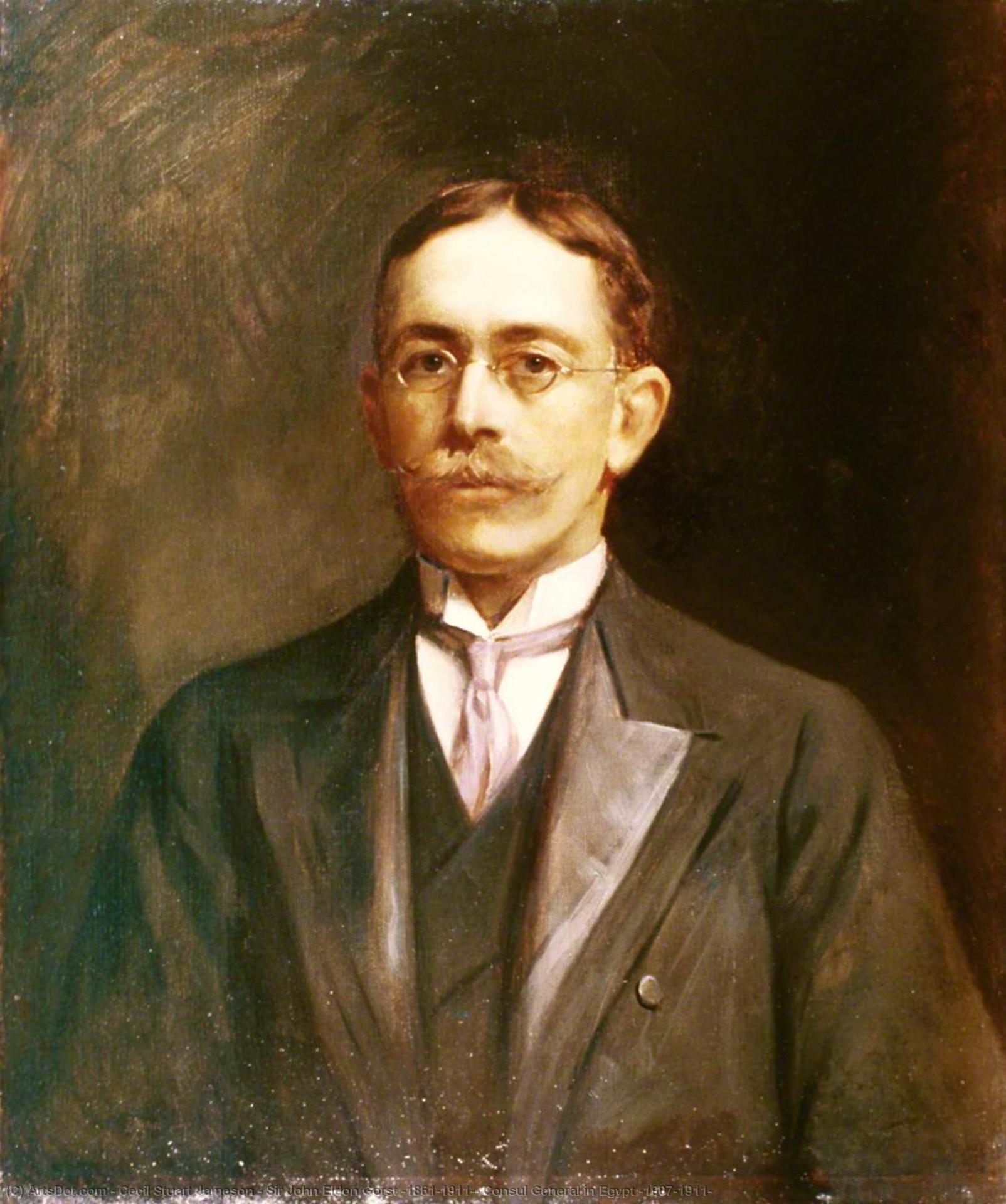
Sir John Eldon Gorst (1861–1911), Consul General in Egypt (1907–1911)
 1927
1927 76.0 x 64.0 cm
 Government Art Collection
 Weiterlesen
Erwerben Sie ein hochauflösendes, optimiertes digitales Bild, das der Online-Vorschau weit überlegen ist.
Jede Datei wird von unseren hauseigenen Spezialisten mit modernsten Werkzeugen und fachmännischer manueller Retusche sorgfältig vorbereitet. Wir stellen sicher, dass jedes Bild eine außergewöhnliche Klarheit, präzise Farbgenauigkeit und feinste Details aufweist.
Die endgültige Datei wird innerhalb von 72 Stunden per E-Mail zugestellt und ist für den sofortigen Einsatz in professionellen, redaktionellen und Druckumgebungen optimiert. Es handelt sich um dieselbe Qualität, der führende Designstudios, Verlage und Galerien vertrauen.
Digitales Bild
Laden Sie eine hochauflösende Datei für die persönliche Präsentation, den Druck und kreative Projekte herunter. ( Druck bestellen Handgemalte Reproduktion bestellen)
In jeder Bestellung digitaler Bilder enthalten
Professionelle digitale Bereitstellung, garantiert
Wenn Sie sich für ArtsDot.com entscheiden, erhalten Sie nicht nur ein Bild – Sie erhalten ein professionell aufbereitetes digitales Kunstwerk, das mit höchster Präzision erstellt und durch eine Zufriedenheitsgarantie abgesichert wird. Hier ist alles, was automatisch mit Ihrer Bestellung geliefert wird:

Schnelle E-Mail-Zustellung
Ihre hochauflösende digitale Bilddatei wird Ihnen innerhalb von 72 Stunden nach der Bestellung per E-Mail zugestellt – bereit zur sofortigen Verwendung.

KI-optimierte digitale Datei
Ihre Kunstwerke werden professionell mithilfe fortschrittlicher KI-Tools und manueller Bearbeitung optimiert, um maximale Detailtreue, Klarheit und Farbgenauigkeit zu gewährleisten.

Lebenslanger kostenloser Neudruckservice
Datei versehentlich gelöscht oder verloren? Keine Sorge – wir senden sie Ihnen jederzeit kostenlos erneut zu.

Keine Einfuhrgebühren – jemals
Genießen Sie Ihr Kunstwerk sofort ohne Zollgebühren, Einfuhrabgaben oder Versandkosten – digitale Downloads sind immer steuerfrei.

Garantierte Farbtreue
Wir garantieren, dass Ihr digitales Bild mithilfe professioneller Werkzeuge und Farbmanagement die Originalfarben so präzise wie möglich wiedergibt.

100-Tage-Zufriedenheitsgarantie
Sollten Sie mit Ihrem digitalen Bild nicht zufrieden sein, werden wir es überarbeiten oder Ihnen innerhalb von 100 Tagen 100% erstatten – ohne Wenn und Aber.

100% Geld-zurück-Garantie
Nicht zufrieden? Erhalten Sie innerhalb von 100 Tagen nach Erhalt Ihrer digitalen Datei eine vollständige Rückerstattung – ohne Angabe von Gründen.

Rabatte bei Großbestellungen
3 Bilder kaufen, 10% sparen – 5 Bilder kaufen, 15% sparen – Ab 10 Bildern 20% sparen. Ideal für kreative Projekte, Galerien und Agenturen.
Ähnliche Kunstwerke










Biografie des Künstlers
A Chronicler of British Society: The Life and Art of Cecil Stuart Jameson
Cecil Stuart Jameson (1900-1980) occupies a unique position in the annals of 20th-century portraiture. While not a household name like his contemporary, Cecil Beaton, Jameson’s work provides an equally compelling – and often more intimate – glimpse into the lives of British aristocracy, artistic circles, and high society during a period of immense social change. His career spanned decades, capturing the elegance, anxieties, and evolving spirit of an era through meticulously crafted photographs that blend technical skill with a keen understanding of his subjects’ public personas and private selves. Born in England at the turn of the century, Jameson's early life remains somewhat shrouded in mystery; details are scarce, but it is known he developed a passion for photography from a young age, quickly mastering the techniques of the time – platinum printing, bromide manipulation, and later, colour processes. He established his studio in London during the 1920s, a period brimming with artistic experimentation and social liberation, setting the stage for a career dedicated to documenting the faces that defined British culture.The Studio Years: Capturing an Era of Elegance
Jameson’s studio quickly became a favoured destination for those seeking portraits that projected sophistication and grace. He wasn't merely taking pictures; he was constructing images, carefully controlling lighting, posing, and background to create a specific mood and narrative. His early work is characterized by a classic aesthetic – soft focus, flattering angles, and an emphasis on the sitter’s attire and accessories. However, what set Jameson apart was his ability to move beyond superficial glamour. He possessed a remarkable talent for capturing personality, revealing subtle nuances of character through expression and gesture. His portraits of socialites were not simply records of wealth and status; they hinted at inner lives, ambitions, and vulnerabilities. The influence of early Hollywood portraiture is evident in his work, particularly the style popularized by Edward Steichen and Beaton himself, but Jameson developed a distinct voice – less overtly theatrical than Beaton, more focused on quiet dignity and understated elegance. He skillfully employed props and settings to suggest context without overwhelming the subject, often utilizing luxurious interiors or carefully chosen landscapes as backdrops.Royal Commissions and Artistic Circles
The 1930s marked a turning point in Jameson’s career with his first royal commissions. While details of these assignments are often confidential, it is known he photographed members of the British Royal Family, solidifying his reputation as a photographer capable of handling high-profile subjects with discretion and artistry. This success opened doors to a wider network of influential patrons, including artists, writers, and theatre personalities. Jameson became a sought-after portraitist within these circles, documenting the creative luminaries of the day. He developed close working relationships with many of his sitters, resulting in portraits that feel remarkably intimate and revealing. Unlike some photographers who maintained a strict professional distance, Jameson fostered a collaborative atmosphere, encouraging his subjects to relax and express themselves authentically. This approach is evident in the warmth and spontaneity of his portraits, which often capture unguarded moments of creativity and contemplation.Technological Adaptations and Enduring Legacy
The post-war era brought new challenges and opportunities for Jameson. The advent of colour photography demanded a shift in technique and aesthetic sensibility. He embraced these changes, mastering the complexities of Kodachrome and other colour processes while retaining his signature style. His later portraits are characterized by vibrant hues and increased realism, yet they still possess the same sense of elegance and psychological depth as his earlier work. Throughout his career, Jameson remained committed to traditional printing methods, meticulously hand-processing each image to ensure the highest quality results. His dedication to craftsmanship set him apart in an increasingly commercialized industry. While he never achieved the widespread fame of some of his contemporaries, Cecil Stuart Jameson’s work continues to be admired for its technical brilliance, artistic sensitivity, and insightful portrayal of British society during a transformative period. His images offer a valuable window into the lives of those who shaped the cultural landscape of the 20th century – a timeless legacy captured through the lens of a master portraitist.Influences and Historical Significance
- Early Hollywood Portraiture: The glamour and technical sophistication of photographers like Edward Steichen and George Hurrell significantly influenced Jameson’s early style.
- Cecil Beaton: While distinct in his approach, Jameson shared a similar fascination with British aristocracy and high society, and was often compared to Beaton.
- Platinum Printing Techniques: His mastery of platinum printing contributed to the soft focus and tonal richness characteristic of his early work.