

 Vorschau anzeigen
 Versenden
 Teilen
 Details anzeigen

 Herunterladen
 Ähnliche Objekte
 Röntgenaufnahme
 Diashow
 Stats
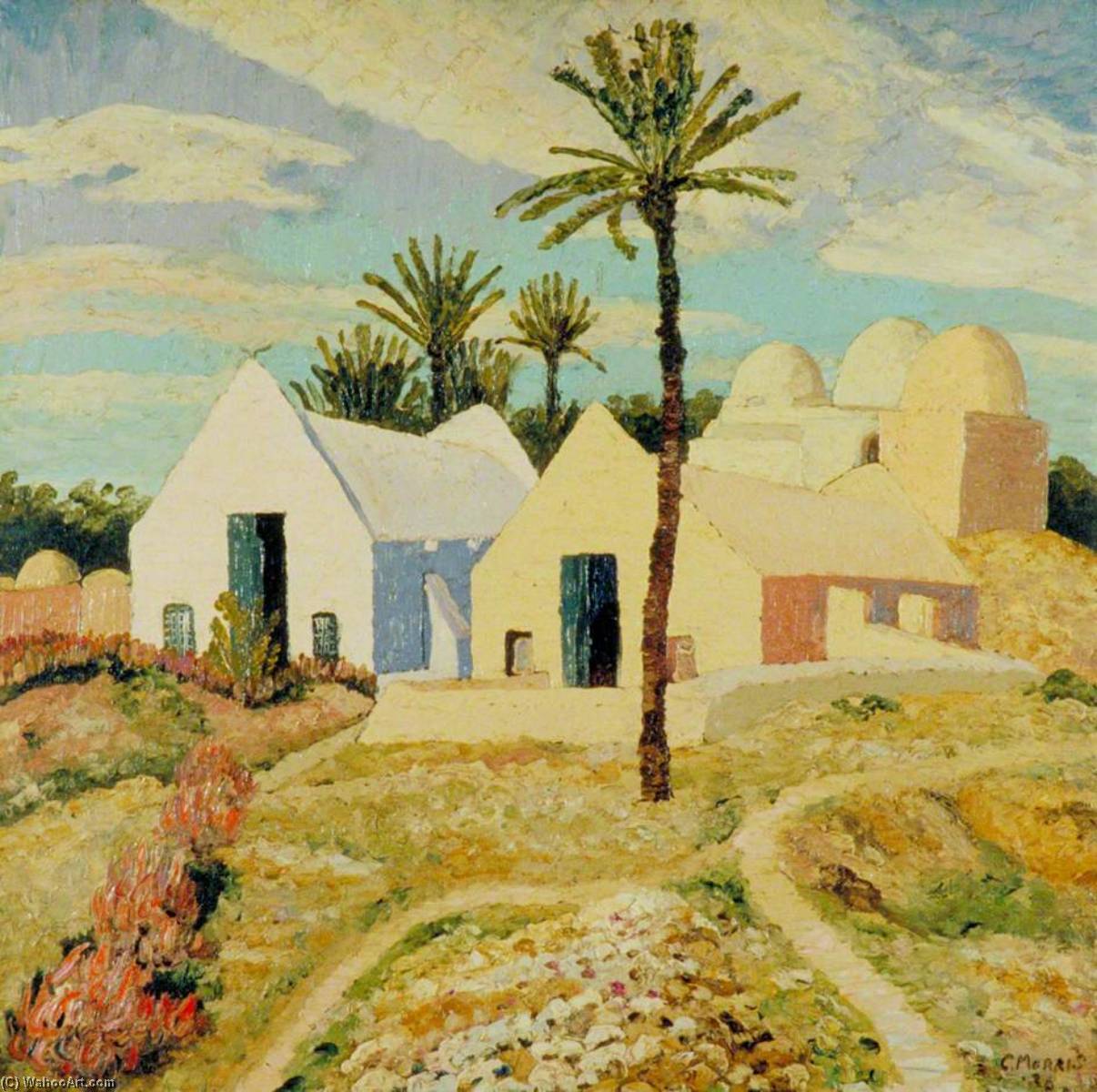
StatsAtelier Tapisseries, Djerba, Tunisia
 Acrylic On Canvas
- WallArt
- Early 20th Century
 1926
1926 64.0 x 64.0 cm
 Government Art Collection
 Weiterlesen
Erwerben Sie ein hochauflösendes, optimiertes digitales Bild, das der Online-Vorschau weit überlegen ist.
Jede Datei wird von unseren hauseigenen Spezialisten mit modernsten Werkzeugen und fachmännischer manueller Retusche sorgfältig vorbereitet. Wir stellen sicher, dass jedes Bild eine außergewöhnliche Klarheit, präzise Farbgenauigkeit und feinste Details aufweist.
Die endgültige Datei wird innerhalb von 72 Stunden per E-Mail zugestellt und ist für den sofortigen Einsatz in professionellen, redaktionellen und Druckumgebungen optimiert. Es handelt sich um dieselbe Qualität, der führende Designstudios, Verlage und Galerien vertrauen.
Digitales Bild
Laden Sie eine hochauflösende Datei für die persönliche Präsentation, den Druck und kreative Projekte herunter. ( Switch to Print Handgemalte Reproduktion bestellen)
In jeder Bestellung digitaler Bilder enthalten
Professionelle digitale Bereitstellung, garantiert
Wenn Sie sich für ArtsDot.com entscheiden, erhalten Sie nicht nur ein Bild – Sie erhalten ein professionell aufbereitetes digitales Kunstwerk, das mit höchster Präzision erstellt und durch eine Zufriedenheitsgarantie abgesichert wird. Hier ist alles, was automatisch mit Ihrer Bestellung geliefert wird:

Schnelle E-Mail-Zustellung
Ihre hochauflösende digitale Bilddatei wird Ihnen innerhalb von 72 Stunden nach der Bestellung per E-Mail zugestellt – bereit zur sofortigen Verwendung.

KI-optimierte digitale Datei
Ihre Kunstwerke werden professionell mithilfe fortschrittlicher KI-Tools und manueller Bearbeitung optimiert, um maximale Detailtreue, Klarheit und Farbgenauigkeit zu gewährleisten.

Lebenslanger kostenloser Neudruckservice
Datei versehentlich gelöscht oder verloren? Keine Sorge – wir senden sie Ihnen jederzeit kostenlos erneut zu.

Keine Einfuhrgebühren – jemals
Genießen Sie Ihr Kunstwerk sofort ohne Zollgebühren, Einfuhrabgaben oder Versandkosten – digitale Downloads sind immer steuerfrei.

Garantierte Farbtreue
Wir garantieren, dass Ihr digitales Bild mithilfe professioneller Werkzeuge und Farbmanagement die Originalfarben so präzise wie möglich wiedergibt.

100-Tage-Zufriedenheitsgarantie
Wenn Sie mit Ihrem digitalen Bild nicht zufrieden sind, werden wir es überarbeiten oder 100% innerhalb von 100 Tagen erstatten – ohne Wenn und Aber.

100% Geld-zurück-Garantie
Nicht zufrieden? Erhalten Sie innerhalb von 100 Tagen nach Erhalt Ihrer digitalen Datei eine vollständige Rückerstattung – ohne Wenn und Aber.

Rabatte bei Großbestellungen
3 Bilder kaufen, 10% sparen – 5 Bilder kaufen, 15% sparen – Ab 10 Bildern 20% sparen. Ideal für kreative Projekte, Galerien und Agenturen.
A Glimpse of Tunisian Life: Atelier Tapisseries, Djerba
Cedric Lockwood Morris’s “Atelier Tapisseries, Djerba, Tunisia,” painted in 1926, offers more than just a picturesque scene; it's a vibrant snapshot of daily life within the ancient trading post of Djerba, an island off the coast of North Africa. The painting immediately draws the eye with its sun-drenched palette – ochre yellows, terracotta reds, and deep blues – evoking the intense heat and rich colors characteristic of the Tunisian landscape. It’s a scene brimming with quiet industry and a palpable sense of community, inviting the viewer to step into a world both familiar and utterly foreign.
Morris, born in 1889 in Sketty, Wales, was a man of considerable artistic versatility, initially pursuing music before finding his true calling in painting. His travels throughout Europe and North America profoundly shaped his style, resulting in works that often blend Impressionistic techniques with elements of Orientalism – a fascination with the cultures and aesthetics of the East. This piece exemplifies this fusion perfectly; while rooted in Western artistic traditions, it possesses an undeniable sensitivity to the rhythms and textures of Tunisian life.
The Architecture and its Significance
The heart of the composition is dominated by a cluster of buildings constructed from sun-baked adobe – a testament to the island’s long history as a vital trading hub. These structures, with their simple yet sturdy forms, speak volumes about the resilience and practicality of Djerba's inhabitants. Notably, two large, rounded domes stand prominently in the center, likely representing a local mosque or perhaps a communal building. These architectural features are not merely decorative; they’re integral to understanding the spiritual and social life of the village. The use of round structures is deeply symbolic, referencing the earth and the cyclical nature of time – concepts central to many North African cultures.
The surrounding buildings, with their distinctive blue doors, further contribute to the painting's visual richness. Blue, in this context, isn’t simply a color; it represents protection, spirituality, and good fortune—a significant element within Tunisian tradition. The arrangement of these dwellings suggests a tightly knit community, where generations have lived and worked side-by-side.
Technique and Artistic Impression
Morris's brushwork is loose and expressive, characteristic of the Impressionistic movement he embraced. He captures not just the appearance of the scene but also its atmosphere – the shimmering heat haze, the dappled sunlight filtering through palm fronds, and the subtle shifts in color that define the Tunisian landscape. The artist skillfully employs broken color to create a sense of depth and luminosity, particularly evident in the depiction of the buildings and the distant mountains. The figures scattered throughout the scene are rendered with a delicate touch, conveying their movements and interactions without resorting to detailed portraits.
He utilizes a technique that blends observation with imagination, prioritizing capturing the *feeling* of Djerba over strict realism. The slightly flattened perspective and the selective use of detail contribute to this effect, creating an image that is both immediate and dreamlike. The painting’s composition guides the viewer's eye through the scene, drawing them into the heart of the village.
A Legacy of Color and Culture
"Atelier Tapisseries, Djerba, Tunisia" transcends its subject matter to become a poignant meditation on cultural exchange and the beauty of everyday life. It’s a reminder that art can not only document a place but also evoke its spirit—a spirit of resilience, community, and connection to the land. Morris's work stands as a testament to his ability to capture the essence of a culture through color, light, and composition. Today, reproductions of this captivating painting offer a window into a bygone era, allowing us to appreciate the rich tapestry of Tunisian life and the enduring legacy of Cedric Lockwood Morris’s artistic vision.
Ähnliche Kunstwerke
Biografie des Künstlers
Frühes Leben und Ausbildung
- Geboren: 11. Dezember 1889 in Sketty, Swansea, Südwales
- Eltern: George Lockwood Morris (Industrieller & Rugby-International) und Wilhelmina Cory
- Familiärer Hintergrund: Abkömmling von Sir John Morris, 1st Baronet; Verbindung zur Dulwich Picture Gallery.
- Ausbildung: St Cyprian's School, Eastbourne; Charterhouse School, Godalming.
- Frühe Ambitionen: Versuchte eine Armee-Kommission, scheiterte aber; arbeitete auf Farmen in Kanada und hatte verschiedene Jobs in New York City.
- Musikalische Neigungen: Studierte kurz Gesang am Royal College of Music in London, bevor er sich der Malerei widmete.
Künstlerische Entwicklung und Einflüsse
- Frühe Ausbildung: Studium an der Académie Delécluse in Montparnasse, Paris (1914).
- Erfahrungen im Ersten Weltkrieg: Diendete bei den Artists' Rifles, wurde aber als medizinisch ungeeignet befunden; arbeitete beim Ausbilden von Pferden.
- Wichtige Beziehungen: Enge Freundschaft und künstlerische Partnerschaft mit Arthur Lett-Haines (ab 1918); Verbindung zu Frances Hodgkins.
- Früher Stil: Anfänglich vom Impressionismus und Postimpressionismus beeinflusst, erkennbar in seinen Landschaften und Porträts.
- Entwicklung des charakteristischen Stils: Bekannt wurde er für lebendige Blumenmalereien, kühne Farbgebung und ausdrucksstarke Darstellungen der Landschaft von Ostengland.
Hauptwerke und künstlerische Beiträge
- Porträts: Schuf zahlreiche Porträts, die den Charakter und die Persönlichkeit seiner Modelle einfingen.
- Blumenmalereien: Seine bekanntesten Werke; gekennzeichnet durch intensive Farben und einen Fokus auf botanische Details. Oft als "ein Van Gogh oder Utrillo für Leute mit bescheidenen Mitteln" beschrieben.
- Landschaften: Stellte die Landschaften von Südwales und Ostengland in einem unverwechselbaren, ausdrucksstarken Stil dar.
- Wandgemälde: Malte große Blumenwandgemälde an Bord des Ozeanliners Queen Mary (1935).
- East Anglian School of Painting and Drawing: Mitbegründet mit Arthur Lett-Haines im Jahr 1937; förderte eine Generation britischer Künstler, darunter Lucian Freud und Maggi Hambling. Die Schule betonte das Gefühl gegenüber strenger Darstellung.
Späteres Leben und Vermächtnis
- Politisches Engagement: Engagierte sich in den späten 1930er Jahren bei der Hadleigh Labour Party.
- Rückgang der Popularität: Erlebte nach dem Zweiten Weltkrieg eine Periode relativer Obscurität.
- Erneutes Interesse: Eine erneute Wertschätzung für seine Arbeit begann in den späteren Jahren seines Lebens und hält bis heute an.
- Tod: Starb am 8. Februar 1982 in Hadleigh, Suffolk.
- Historische Bedeutung: Anerkannt als bedeutende Figur der britischen Kunst des 20. Jahrhunderts; seine Arbeit verkörpert eine einzigartige Mischung aus Beobachtung und Ausdruckskraft. Sein Einfluss durch die East Anglian School ist ebenfalls bemerkenswert.
Wichtige Fakten
- Titel: Sir (1947), 9. Baronet
- Nationalität: Britisch
- Stilrichtung: Associated with Modern British Art
- Medien: Ölfarbe, Aquarell
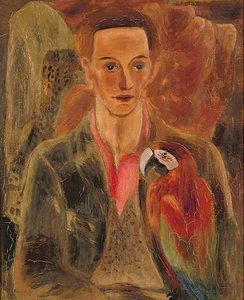
Cedric Morris
1889 - 1982 , Vereinigtes Königreich
Kurzinfos
- Beeinflusste Künstler:
- Lucian Freud
- Maggi Hambling
- Bekannte Werke: ['Queen Mary Wandgemälde']
- Einflussreiche Künstler: ['Noel Desenfans']
- Geburtsdatum: 11. Dezember 1889
- Geburtsort: Swansea, Vereinigtes Königreich
- Künstlerische Bewegung: Moderne Britische Kunst
- Nationalität: Britisch
- Todatum: 8. Februar 1982
- Vollständiger Name: Sir Cedric Lockwood Morris