

 Vorschau anzeigen
 Versenden
 Teilen
 Details anzeigen

 Herunterladen
 Ähnliche Objekte
 Röntgenaufnahme
 Diashow
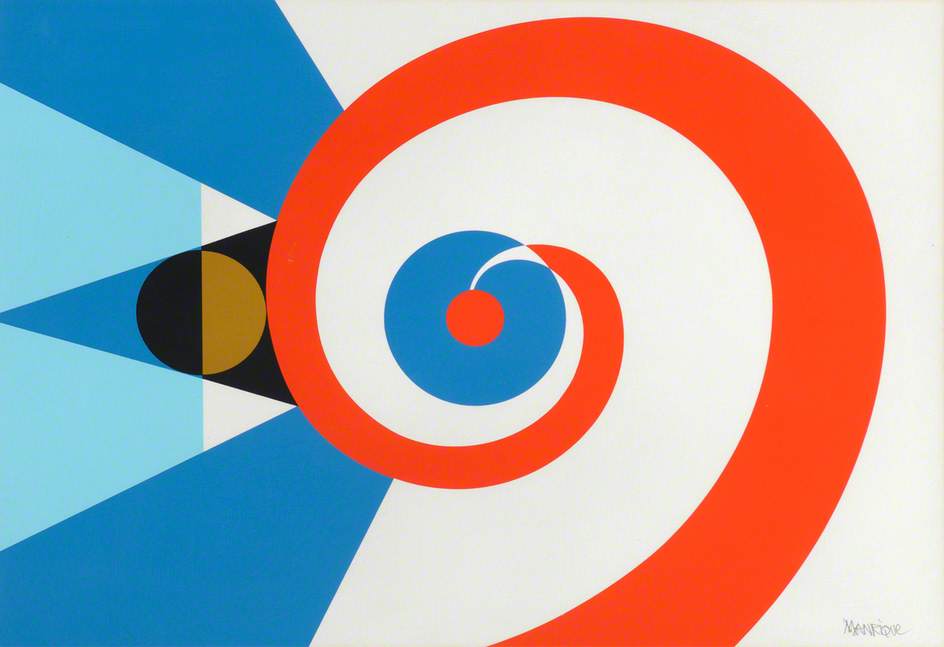
Flags of the Undiscovered Planets 3
 64.0 x 82.0 cm
 Isaac Newton Institut für Mathematische Wissenschaften
 Weiterlesen
Erwerben Sie ein hochauflösendes, optimiertes digitales Bild, das der Online-Vorschau weit überlegen ist.
Jede Datei wird von unseren hauseigenen Spezialisten mit modernsten Werkzeugen und fachmännischer manueller Retusche sorgfältig vorbereitet. Wir stellen sicher, dass jedes Bild eine außergewöhnliche Klarheit, präzise Farbgenauigkeit und feinste Details aufweist.
Die endgültige Datei wird innerhalb von 72 Stunden per E-Mail zugestellt und ist für den sofortigen Einsatz in professionellen, redaktionellen und Druckumgebungen optimiert. Es handelt sich um dieselbe Qualität, der führende Designstudios, Verlage und Galerien vertrauen.
Digitales Bild
Laden Sie eine hochauflösende Datei für die persönliche Präsentation, den Druck und kreative Projekte herunter. ( Druck bestellen Handgemalte Reproduktion bestellen)
In jeder Bestellung digitaler Bilder enthalten
Professionelle digitale Bereitstellung, garantiert
Wenn Sie sich für ArtsDot.com entscheiden, erhalten Sie nicht nur ein Bild – Sie erhalten ein professionell aufbereitetes digitales Kunstwerk, das mit höchster Präzision erstellt und durch eine Zufriedenheitsgarantie abgesichert wird. Hier ist alles, was automatisch mit Ihrer Bestellung geliefert wird:

Schnelle E-Mail-Zustellung
Ihre hochauflösende digitale Bilddatei wird Ihnen innerhalb von 72 Stunden nach der Bestellung per E-Mail zugestellt – bereit zur sofortigen Verwendung.

KI-optimierte digitale Datei
Ihre Kunstwerke werden professionell mithilfe fortschrittlicher KI-Tools und manueller Bearbeitung optimiert, um maximale Detailtreue, Klarheit und Farbgenauigkeit zu gewährleisten.

Lebenslanger kostenloser Neudruckservice
Datei versehentlich gelöscht oder verloren? Keine Sorge – wir senden sie Ihnen jederzeit kostenlos erneut zu.

Keine Einfuhrgebühren – jemals
Genießen Sie Ihr Kunstwerk sofort ohne Zollgebühren, Einfuhrabgaben oder Versandkosten – digitale Downloads sind immer steuerfrei.

Garantierte Farbtreue
Wir garantieren, dass Ihr digitales Bild mithilfe professioneller Werkzeuge und Farbmanagement die Originalfarben so präzise wie möglich wiedergibt.

100-Tage-Zufriedenheitsgarantie
Wenn Sie mit Ihrem digitalen Bild nicht zufrieden sind, werden wir es überarbeiten oder 100% innerhalb von 100 Tagen erstatten – ohne Wenn und Aber.

100% Geld-zurück-Garantie
Nicht zufrieden? Erhalten Sie innerhalb von 100 Tagen nach Erhalt Ihrer digitalen Datei eine vollständige Rückerstattung – ohne Wenn und Aber.

Rabatte bei Großbestellungen
3 Bilder kaufen, 10% sparen – 5 Bilder kaufen, 15% sparen – Ab 10 Bildern 20% sparen. Ideal für kreative Projekte, Galerien und Agenturen.
Ähnliche Kunstwerke

Biografie des Künstlers
César Manrique: The Shepherd of Zephyrs and Volcanoes
César Manrique Cabrera, a name synonymous with the volcanic landscapes and vibrant spirit of Lanzarote in the Canary Islands, was more than just an artist; he was a visionary architect, sculptor, and a passionate advocate for preserving his island’s unique identity. Born in 1919, Manrique’s life unfolded as a remarkable synthesis of artistic expression, ecological awareness, and a deep connection to the land – a relationship that profoundly shaped both his work and his legacy. His story is one of a man who dared to blend art with nature, architecture with the raw beauty of an island forged by fire and sculpted by wind.
Early Life and Influences: A Foundation in Conflict
Manrique’s early years were marked by both privilege and hardship. Born into a family rooted in Lanzarote's agricultural traditions, he inherited a deep appreciation for the island’s rugged terrain and its resilient people. His father, Gumersindo Manrique, was a skilled builder who instilled in César a respect for craftsmanship and an understanding of local materials. However, his childhood wasn’t without turbulence; the Spanish Civil War cast a long shadow over his youth, leading him to volunteer as an artilleryman on Franco's side – a decision that would later inform his complex relationship with the dictator and the political landscape of Spain.
Despite abandoning his formal architectural studies at the University of La Laguna after two years, Manrique’s artistic sensibilities were already taking shape. He sought guidance from renowned artists in Madrid, honing his skills as a painter and sculptor. A pivotal moment arrived with a scholarship to the San Fernando School of Fine Arts, where he developed a distinctive style characterized by bold colors, dynamic compositions, and an intuitive understanding of light and shadow – elements that would later become integral to his architectural designs.
New York and the Seeds of Innovation
In 1964, Manrique embarked on a transformative journey to New York City, supported by a grant from Nelson Rockefeller. This period proved to be a crucible for his artistic evolution. Immersed in the vibrant energy of the American art scene, he encountered groundbreaking architectural and design concepts that challenged conventional notions of space and form. He exhibited his work at the prestigious Catherine Viviano Gallery, gaining recognition for his innovative approach to integrating art with architecture.
The experience profoundly influenced Manrique’s vision. He began to conceptualize buildings not merely as structures but as extensions of the landscape – spaces that harmonized with their surroundings and celebrated the natural beauty of Lanzarote. This shift towards ecological design would become a defining characteristic of his later work, setting him apart from many of his contemporaries.
Lanzarote: A Masterpiece of Sustainable Design
Upon his return to Lanzarote in 1966, Manrique immediately set about realizing his ambitious vision for the island. He didn’t simply build houses; he created immersive environments that reflected the spirit and essence of Lanzarote. His architectural masterpieces – including Taro de Tahiche, Jameos del Agua, and the Palm Grove House – are testaments to this philosophy. These structures aren't imposing monuments but rather organic extensions of the landscape, utilizing local volcanic stone, incorporating natural light, and seamlessly blending indoor and outdoor spaces.
Manrique’s designs were revolutionary for their time. He championed a restrained aesthetic, eschewing the flashy excesses of modern architecture in favor of simplicity, functionality, and a deep respect for the island's traditional building techniques. Crucially, he actively resisted the development of large-scale tourist resorts that threatened to overwhelm Lanzarote’s unique character, advocating instead for sustainable tourism practices that prioritized preservation and cultural heritage.
Legacy and Enduring Influence
César Manrique's untimely death in a car accident in 1992 was a profound loss to Lanzarote and the art world. However, his legacy continues to resonate powerfully today. The César Manrique Foundation, established shortly after his death, serves as a vital center for promoting his work and preserving the island’s cultural heritage. His buildings remain popular tourist destinations, attracting visitors from around the globe who are drawn to their unique beauty and ecological sensibility.
More than just an artist or architect, Manrique was a guardian of Lanzarote's soul – a shepherd of its zephyrs and volcanoes. He left behind a body of work that is both visually stunning and profoundly meaningful, reminding us of the importance of respecting nature, preserving cultural traditions, and creating spaces that nourish the spirit.
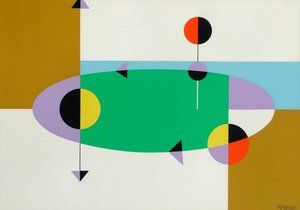
césar manrique
1919 - 1992
Kurzinfos
- Artistic Movement Or Style: Modern architecture & art
- Artists Or Movements Influenced By This Artist: ['Andy Goldsworthy']
- Artists Who Influenced This Artist:
- Frank Lloyd Wright
- Santiago Calatrava
- Date Of Birth: April 24, 1919
- Date Of Death: September 25, 1992
- Full Name: César Manrique Cabrera
- Nationality: Spanish
- Notable Artworks:
- Jameos del Agua
- Volcano House
- Mirador del Río
- Place Of Birth: Arrecife, Lanzarote