

 Vorschau anzeigen
 Versenden
 Teilen
 Details anzeigen

 Herunterladen
 Ähnliche Objekte
 Röntgenaufnahme
 Diashow
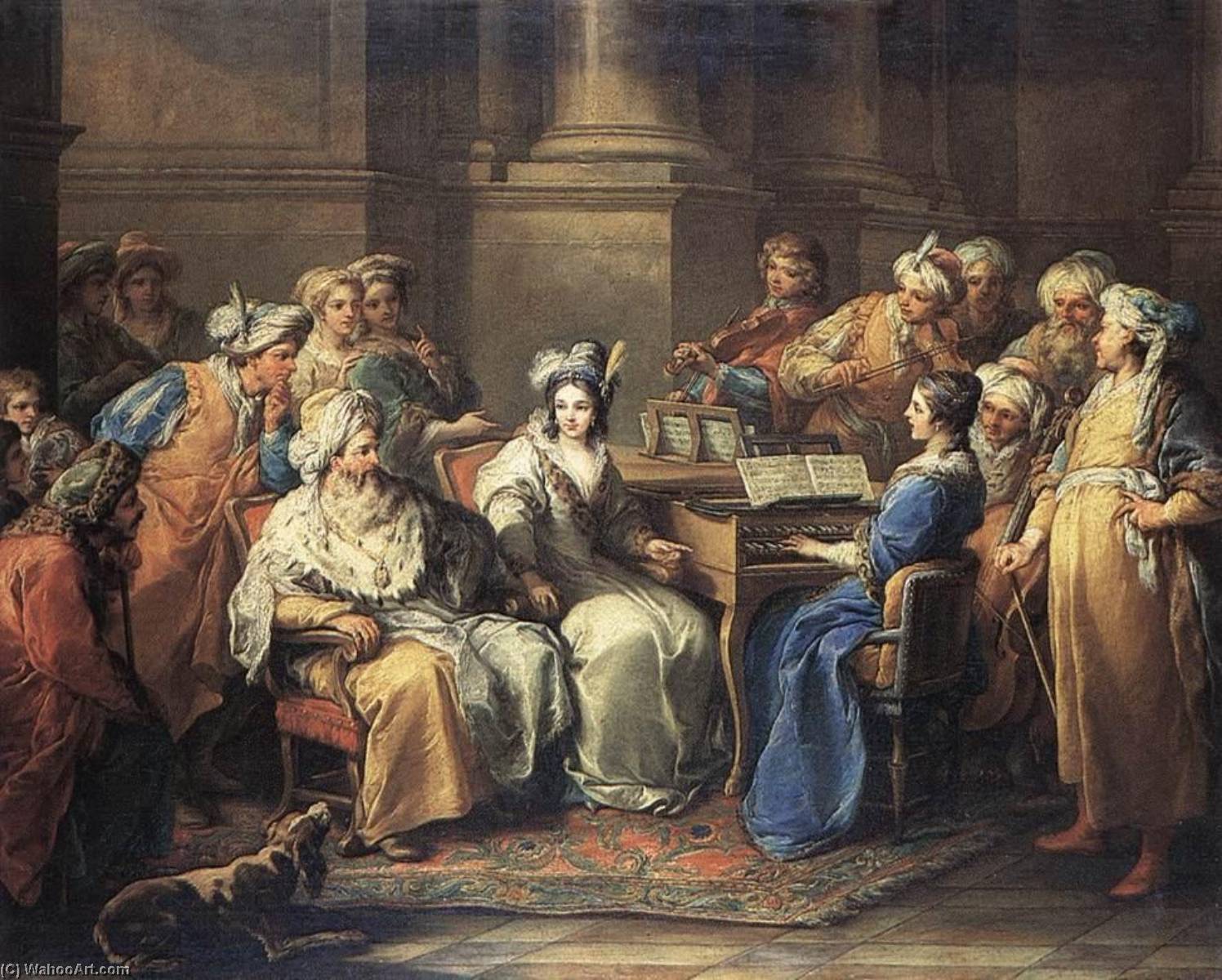
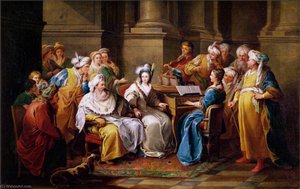
The Grand Turk Giving a Concert to his Mistress
 Oil On Canvas
- WallArt
- Rococo
 1737
1737 73.0 x 91.0 cm
 Wallace Collection
 Weiterlesen
Erwerben Sie ein hochauflösendes, optimiertes digitales Bild, das der Online-Vorschau weit überlegen ist.
Jede Datei wird von unseren hauseigenen Spezialisten mit modernsten Werkzeugen und fachmännischer manueller Retusche sorgfältig vorbereitet. Wir stellen sicher, dass jedes Bild eine außergewöhnliche Klarheit, präzise Farbgenauigkeit und feinste Details aufweist.
Die endgültige Datei wird innerhalb von 72 Stunden per E-Mail zugestellt und ist für den sofortigen Einsatz in professionellen, redaktionellen und Druckumgebungen optimiert. Es handelt sich um dieselbe Qualität, der führende Designstudios, Verlage und Galerien vertrauen.
Digitales Bild
Laden Sie eine hochauflösende Datei für die persönliche Präsentation, den Druck und kreative Projekte herunter. ( Druck bestellen Handgemalte Reproduktion bestellen)
In jeder Bestellung digitaler Bilder enthalten
Professionelle digitale Bereitstellung, garantiert
Wenn Sie sich für ArtsDot.com entscheiden, erhalten Sie nicht nur ein Bild – Sie erhalten ein professionell aufbereitetes digitales Kunstwerk, das mit höchster Präzision erstellt und durch eine Zufriedenheitsgarantie abgesichert wird. Hier ist alles, was automatisch mit Ihrer Bestellung geliefert wird:

Schnelle E-Mail-Zustellung
Ihre hochauflösende digitale Bilddatei wird Ihnen innerhalb von 72 Stunden nach der Bestellung per E-Mail zugestellt – bereit zur sofortigen Verwendung.

KI-optimierte digitale Datei
Ihre Kunstwerke werden professionell mithilfe fortschrittlicher KI-Tools und manueller Bearbeitung optimiert, um maximale Detailtreue, Klarheit und Farbgenauigkeit zu gewährleisten.

Lebenslanger kostenloser Neudruckservice
Datei versehentlich gelöscht oder verloren? Keine Sorge – wir senden sie Ihnen jederzeit kostenlos erneut zu.

Keine Einfuhrgebühren – jemals
Genießen Sie Ihr Kunstwerk sofort ohne Zollgebühren, Einfuhrabgaben oder Versandkosten – digitale Downloads sind immer steuerfrei.

Garantierte Farbtreue
Wir garantieren, dass Ihr digitales Bild mithilfe professioneller Werkzeuge und Farbmanagement die Originalfarben so präzise wie möglich wiedergibt.

60-Tage-Zufriedenheitsgarantie
Sollten Sie mit Ihrem digitalen Bild nicht zufrieden sein, werden wir es überarbeiten oder Ihnen innerhalb von 60 Tagen 100% erstatten – ohne Wenn und Aber.

100% Geld-zurück-Garantie
Nicht zufrieden? Erhalten Sie innerhalb von 60 Tagen nach Erhalt Ihrer digitalen Datei eine vollständige Rückerstattung – ohne Angabe von Gründen.

Rabatte bei Großbestellungen
3 Bilder kaufen, 10% sparen – 5 Bilder kaufen, 15% sparen – Ab 10 Bildern 20% sparen. Ideal für kreative Projekte, Galerien und Agenturen.
The Grand Turk’s Serenade: A Window into 18th-Century Parisian Life
Charles-André van Loo's "The Grand Turk Giving a Concert to his Mistress," painted in 1737, isn’t merely a portrait; it’s a meticulously crafted tableau vivant – a snapshot of aristocratic leisure and the subtle currents of social life within 18th-century France. This captivating work, now housed at the Wallace Collection in London, offers a rare glimpse into a world of refined entertainment, intricate rituals, and unspoken desires. The scene unfolds within a richly appointed room, bathed in soft light that suggests an evening gathering, and immediately draws the viewer into its intimate drama.
At the heart of the composition stands the Grand Turk – a celebrated English musician known for his flamboyant performances and captivating stage presence. He’s not simply playing; he's conducting a lively concert, his gestures animated and expressive as he directs the attention of his mistress, a woman of considerable beauty and poise. Her posture is relaxed yet attentive, her gaze fixed on the Turk with an evident appreciation for his artistry. Surrounding them are a collection of elegantly dressed figures – gentlemen in powdered wigs and velvet jackets, ladies adorned in silks and lace—all engaged in conversation or observing the performance. The inclusion of a small dog adds a touch of domestic charm to this otherwise formal setting, hinting at the comforts and pleasures enjoyed within these opulent surroundings.
A Masterclass in Rococo Style
Van Loo’s mastery lies not just in his ability to capture likenesses but in his profound understanding of the Rococo aesthetic. This painting exemplifies the style's hallmark characteristics: a delicate balance between elegance and frivolity, an emphasis on ornamentation and luxurious detail, and a pervasive sense of playful charm. The artist employs a soft, diffused lighting scheme, typical of the era, which creates a hazy atmosphere and emphasizes the textures of fabrics, furniture, and the figures’ clothing. Notice the intricate patterns woven into the carpets, the shimmering embellishments on the ladies' gowns, and the delicate brushstrokes that capture the sheen of polished wood—all contribute to the painting’s overall sense of opulence and refinement.
Technically, Van Loo demonstrates a remarkable command of color and composition. He utilizes a palette dominated by warm, muted tones – golds, browns, creams, and deep reds – creating a harmonious and visually pleasing effect. The figures are arranged in a carefully orchestrated manner, with each element contributing to the overall balance and dynamism of the scene. The use of *chiaroscuro*—the dramatic contrast between light and shadow—adds depth and volume to the painting, further enhancing its three-dimensional quality. Van Loo’s meticulous attention to detail is evident in every aspect of the work, from the subtle expressions on the figures' faces to the intricate folds of their clothing.
Symbolism and Social Commentary
Beyond its aesthetic beauty, “The Grand Turk Giving a Concert to his Mistress” offers a fascinating glimpse into the social dynamics of the time. The relationship between the Turk and his mistress is deliberately ambiguous, inviting speculation about the nature of their connection. While it’s likely a purely platonic arrangement—a common practice among the aristocracy—the painting subtly suggests a degree of intimacy and mutual admiration. The act of music-making itself can be interpreted as a symbol of courtship and affection, while the lavish setting underscores the importance of social status and material wealth.
Furthermore, the inclusion of the dog is noteworthy. Dogs were highly valued companions in 18th-century France, often serving as symbols of loyalty, fidelity, and domesticity. The presence of this canine figure reinforces the painting’s theme of refined leisure and underscores the importance of companionship within aristocratic society. The scene, therefore, isn't simply a depiction of entertainment; it’s a carefully constructed commentary on social customs, power dynamics, and the unspoken rules governing relationships within the French court.
A Timeless Masterpiece – Perfect for Reproduction
“The Grand Turk Giving a Concert to his Mistress” remains a remarkably evocative work of art, offering viewers a captivating glimpse into a bygone era. Reproductions of this masterpiece capture its exquisite detail and vibrant atmosphere, making it an ideal addition to any discerning collection or interior space. Whether displayed in a grand salon or a more intimate setting, this painting’s timeless elegance and subtle charm will undoubtedly captivate the eye and spark conversation.
Ähnliche Kunstwerke


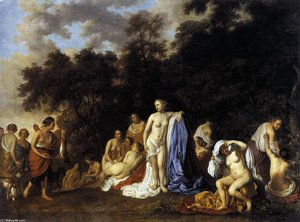
Biografie des Künstlers
Frühes Leben und Ausbildung
- Geboren: 15. Februar 1705 in Nizza, Frankreich
- Familienhintergrund: Sohn von Louis-Abraham van Loo und jüngerer Bruder von Jean-Baptiste van Loo. Mitglied einer erfolgreichen niederländischen Malerdynastie.
- Frühe Ausbildung: Anfängliche Ausbildung in Turin, gefolgt von Studien (1712) in Rom unter Benedetto Luti und Pierre Legros.
- Pariser Studien: Besuchte die Académie royale, gewann 1723 den ersten Preis für Zeichnen und 1727 für historische Malerei.
Künstlerische Karriere und bedeutende Werke
- Stil: Hauptsächlich bekannt als Maler des Rokoko, gekennzeichnet durch Eleganz, Anmut und verschnörkelte Details.
- Themenwahl: Vielfältige Themen wie Porträts, mythologische Szenen, historische Gemälde, Allegorien und Genrekunst.
- Bedeutende Werke:
- Venus und Amor (Kunsthalle Bremen) – Demonstriert Meisterschaft des Rokoko-Stils.
- Halt der Jagd (The Metropolitan Museum of Art) – Fängt aristokratische Aktivitäten ein.
- Porträt von Marie Leszczynska, Königin von Frankreich – Ein bemerkenswertes königliches Porträt.
- Jupiter und Antiope – Zeigt Fähigkeiten bei der Darstellung mythologischer Themen.
- Selbstporträt – Bietet Einblick in die Selbstwahrnehmung des Künstlers.
- Perseus und Andromeda (mehrere Versionen) – Illustriert Geschicklichkeit bei der Darstellung klassischer Mythologie.
- Mademoiselle Clairon als Medea (kleine Version) - Ein fesselndes Rokoko-Porträt von 1760.
Förderung und königliche Anerkennung
- Königliche Förderung: Genoss die Förderung von Madame de Pompadour und dem französischen Hof.
- Ernennung zum Hofmaler: Wurde 1762 Erster Maler am Hofe König Ludwigs XV., eine prestigeträchtige Position.
- Orden Saint Michael: Ausgezeichnet mit dem Orden Saint Michael, ein Zeichen königlicher Gunst.
Einflüsse und Vermächtnis
- Familienbeeinflussung: Stark beeinflusst von seinem Vater und Bruder, beide angesehene Maler.
- Rivalität: Konkurrierte mit François Boucher, einem weiteren bedeutenden Rokoko-Künstler.
- Einfluss auf die moderne französische Kunstschule: Seine "Schlichtheit des Stils und Korrektheit des Designs" beeinflusste maßgeblich die moderne französische Kunstschule.
- Kritischer Wert: Obwohl sein kritischer Stellenwert im Laufe der Zeit schwankte, gebieten seine Fähigkeiten und die Vielfalt seiner Arbeit Respekt.
Museumsbestände & Weitere Erkundungen
- Museumspräsenz: Werke sind in renommierten Museen vertreten, darunter das Louvre (Die Hochzeit der Jungfrau), Kunsthalle Bremen und The Metropolitan Museum of Art.
- Weitere Ressourcen:
- ArtsDot Seite über Charles-André van Loo: https://www.ArtsDot.com/artists/charles-andre-van-loo/
- ArtsDot Seite über die größten Künstler aller Zeiten: https://www.ArtsDot.com/greatest-artists
- ArtsDot Virtuelles Museum: https://www.ArtsDot.com/
- Wikipedia Artikel: https://en.wikipedia.org/wiki/Charles-Andr%C3%A9_van_Loo
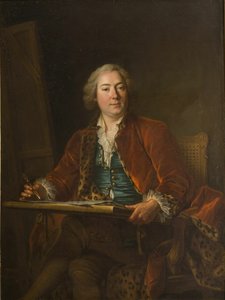
Charles-André van Loo
1705 - 1765 , Frankreich
Kurzinfos
- Beeinflusste Kunststile: ['Moderne französische Schule']
- Beeinflusste Künstler:
- Benedetto Luti
- Pierre Le Gros
- Bemerkenswerte Werke:
- Venus und Amor
- Halt der Jagd
- Porträt Marie Leszczynska
- Jupiter und Antiope
- Selbstbildnis
- Perseus und Andromeda
- Geburtsdatum: 15. Februar 1705
- Geburtsort: Nizza, Frankreich
- Künstlerischer Stil: Rokoko-Malerei
- Nationalität: Französisch
- Sterbedatum: 15. Juli 1765
- Vollständiger Name: Charles-André van Loo

