 Vorschau anzeigen
 Versenden
 Teilen
 Details anzeigen

 Herunterladen
 Ähnliche Objekte
 Röntgenaufnahme
 Diashow
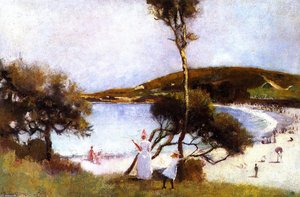
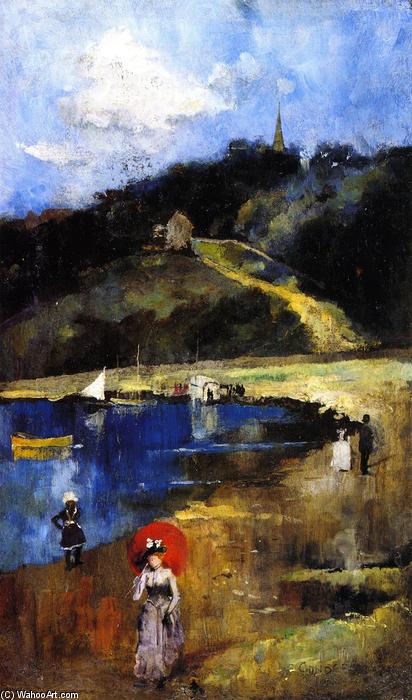
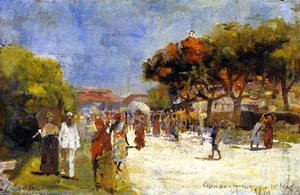
A Shady Hollow by a Dusty Road (also known as Pugh's Lagoon or A Cove on the Hawkesbury)


 Weiterlesen
Giclée / Kunstdruck
Giclée- oder Leinwanddruck in Museumsqualität mit schneller Produktion und flexiblen Veredelungsoptionen. ( Handgemalte Reproduktion bestellen Bild kaufen)




P118B $10

P118H $10

P118W $10

P438Z $10

P508JH $12

P508YH $12

P805H $10

P805Z $10

P919BZ $10

P919G $10

P919XJ $10

P959ZH $10

P968JZ $12

W106C $8

W218G $10

W218JH $8

W218Y $10

W307PJ $10

W316G $10

W316PJ $8

W316Y $10

W398PJ $8

W4111J $10

W500HY $15

W500JH $15

W692G $12

W849H $8

W940BG $15

W953PJ $8




Wählen Sie aus unseren vordefinierten Formaten, die den ursprünglichen Proportionen des Kunstwerks entsprechen.

Sie können Ihre eigenen Maße eingeben, um ein bestimmtes Format oder einen speziellen Platz einzupassen. Wenn das von Ihnen gewählte Format nicht den Proportionen des Originalbildes entspricht, werden wir das Kunstwerk entweder beschneiden oder das Bild mit einem gespiegelten oder einfarbigen Rand erweitern. Ein digitaler Entwurf wird Ihnen zur Genehmigung zugesandt, bevor die Produktion beginnt.
Bitte beachten Sie, dass die Vorschau auf dem Bildschirm nicht den tatsächlichen Zuschnitt oder die Erweiterung widerspiegelt. Nur der Entwurf zeigt die endgültige Komposition präzise an.
Obwohl Sondermaße verfügbar sind, empfehlen wir die Auswahl eines Maßes aus der vordefinierten Liste, um die ursprünglichen Proportionen zu bewahren.
Weltweiter Versand () innerhalb von 2 Wochen statt der üblichen 4/5 Wochen. (23 August)

Kostenloser weltweiter Expressversand

Hochwertige Leinenleinwand

Umfassender Versicherungsschutz beim Versand

Zollgebühren-Rückerstattungsgarantie

Garantie für exakte Farbtreue

60 Tage Rückgaberecht (nur bei Mängeln)

100% Geld-zurück-Garantie

Mengenrabatt verfügbar
 Die Glasoption ist nur für Größen unter 110 cm verfügbar.

A Shady Hollow by a Dusty Road (also known as Pugh's Lagoon or A Cove on the Hawkesbury)
Giclée / Kunstdruck
Format der Reproduktion
-


Gesamtpreis
$ 62
Sammlerstück-Beschreibung
A Serene Escape into the Impressionist Light
In the delicate brushstrokes of Charles Edward Conder’s 1887 masterpiece, A Shady Hollow by a Dusty Road, we are invited to step into a moment of profound tranquility. This evocative landscape, also known as Pugh's Lagoon, captures more than just a geographical location; it captures a feeling of suspended time. The scene unfolds along a sun-drenched shoreline where the gentle rhythm of the water meets the soft textures of the earth. A solitary woman, distinguished by her vibrant red umbrella, wanders along the beach, serving as a focal point that draws the eye through the composition. Her presence introduces a sense of quiet companionship with nature, suggesting a narrative of peaceful introspection amidst the vastness of the Australian landscape.
The technique employed by Conder reflects the burgeoning influence of Impressionism during his formative years in Australia. Through a masterful use of light and atmosphere, he creates a sense of depth that pulls the viewer toward the horizon. The background is populated with the silhouettes of boats, some anchored near the shore and others drifting further out into the shimmering expanse, adding layers of movement to an otherwise still scene. A subtle presence of another figure and a lonely bench tucked to the side suggest that this is a place of shared human experience, yet the overwhelming emotional impact remains one of solitude and calm. The interplay between the warm, dusty tones of the road and the cool, reflective surfaces of the water creates a visual harmony that is both stimulating and soothing.
Historical Resonance and Artistic Legacy
To understand this work is to understand the spirit of the Heidelberg School era. Conder, a British-born artist who found his true calling in the landscapes of Sydney, possessed a unique ability to translate the light of the Antipodes into a sophisticated visual language. Painted in 1887, this piece sits at a pivotal moment in his career when he was transitioning from a surveyor’s precision to an artist’s poetic intuition. The composition reflects the late 19th-century fascination with plein air painting—capturing the fleeting effects of sunlight and shadow as they dance across a landscape.
For the discerning collector or interior designer, this reproduction offers much more than mere decoration; it serves as a window into a bygone era of elegance and natural beauty. The painting’s palette, rich with earthy ochres and tranquil blues, makes it an incredibly versatile piece for high-end residential or commercial spaces. Whether placed in a sunlit study to evoke a sense of wanderlust or in a sophisticated living area to provide a calming focal point, the artwork brings a timeless, academic prestige to any environment. It is a celebration of light, a tribute to the Australian coast, and an enduring testament to Conder’s ability to find magic in the quietest corners of the world.
Ähnliche Kunstwerke
Über den Künstler
Frühes Leben und künstlerischer Werdegang
Charles Edward Conder, ein in Großbritannien geborener Maler, Lithograf und Designer, hinterließ einen bleibenden Eindruck auf die Kunstwelt. Geboren am 24. Oktober 1868 in Tottenham, Middlesex, war Conder's frühes Leben von dem Tod seiner Mutter in Indien geprägt, als er gerade vier Jahre alt war.Künstlerische Karriere in Australien
Im Jahr 1884 zog Conder im Alter von 16 Jahren nach Sydney, Australien, und arbeitete für seinen Onkel als Landvermesser. Er entdeckte jedoch bald seine wahre Leidenschaft im Zeichnen der Landschaft statt in der Vermessung. Bereits 1886 wurde er Künstler für die Illustrated Sydney News, zusammen mit namhaften Künstlern wie Albert Henry Fullwood und Frank Mahony.Die Heidelberg School und bedeutende Werke
Conders Meisterwerk, Departure of the Orient – Circular Quay (1888), demonstrierte seine neu gewonnene Meisterschaft in Form und Pinselstrich. Diese Hafenszene, die das geschäftige Treiben am Sydney Cove darstellt, wurde schnell von der Art Gallery of New South Wales erworben und wurde damit Conders erstes Werk, das in eine öffentliche Sammlung gelangte.- A Holiday at Mentone (1888), ein fröhliches Gemälde, das Männer und Frauen beim Entspannen am Strand zeigt, ist ein weiteres bemerkenswertes Beispiel für Conders Werk.
- Conders Verbindung mit G. P. Nerli, einem wandernden italienischen Maler, beeinflusste seine künstlerische Entwicklung maßgeblich.
- Sein Beitrag zur 9 by 5 Impression Exhibition in Melbourne, zusammen mit Tom Roberts und Arthur Streeton, festigte seine Position innerhalb der Heidelberg School Bewegung.
Vermächtnis und spätere Jahre
Conders späte Jahre waren von gesundheitlichen Problemen geplagt, darunter Lähmungen und ein Delirium tremens. Trotzdem malte er weiter und hinterließ ein Vermächtnis als eine Schlüsselfigur der Heidelberg School. Seine Kunst wurde in England besser aufgenommen als in Paris, wobei sein Porträt von Henri de Toulouse-Lautrec im Jahr 1892 gemalt wurde. Betrachten Sie Conders Werke in der Art Gallery of New South Wales oder erkunden Sie mehr über die Heidelberg School auf ArtsDots Charles Edward Conder Seite.- Erfahren Sie mehr über Conders Leben und Werk auf der Wikipedia-Seite von Charles Conder.
- Entdecken Sie ArtsDots Sammlung von Conders Gemälden, darunter A Holiday at Mentone (1888) und Departure of the Orient – Circular Quay (1888), auf ArtsDots Webseite.
Schlussfolgerung
Charles Edward Conders Einfluss auf den australischen Impressionismus ist unbestreitbar. Sein Vermächtnis, das durch seine fesselnden Gemälde und seine Verbindung zur Heidelberg School gekennzeichnet ist, inspiriert weiterhin Kunstliebhaber weltweit.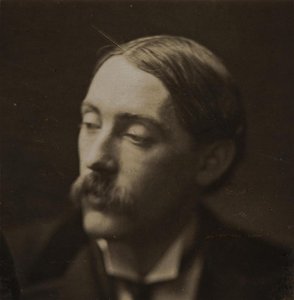
Charles Edward Conder
1868 - 1909 , Vereinigtes Königreich
Kurzinfos
- Bemerkenswerte Werke:
- Departure of the Orient
- A Holiday at Mentone
- Geburtsdatum: 24. Oktober 1868
- Geburtsort (Stadt, Land): Tottenham, Vereinigtes Königreich
- Künstler, Die Diesen Künstler Beeinflussten: ['G. P. Nerli']
- Künstlerische Bewegung/Stil: Heidelberg School, Impressionismus
- Nationalität: Britisch
- Sterbedatum: 1909
- Vollständiger Name: Charles Edward Conder
Ähnliche Artikel

Romantische Landschaften: Die 10 Meisterwerke, die eine Epoche prägten | ArtsDot
Entdecken Sie die 10 Meisterwerke der Romantischen Landschaftsmalerei! Von Caspar David Friedrich bis Turner – erleben Sie die Kunst, Emotion & Natur. Hochwertige Reproduktionen auf ArtsDot.com
Evoking Nature's Sublime: A Comprehensive Exploration of 19th-Century Landscape Painting
Explore the captivating world of 19th-century landscape painting! Discover renowned artists like Friedrich & Monet, key movements, and find the perfect artwork to bring nature's serenity into your home. Expert insights at ArtsDot.

Evocations of Place: A Historical Journey Through Landscape Art
Explore the rich history of landscape art with ArtsDot. Discover renowned artists, movements like Impressionism & Romanticism, and expert guidance for collecting timeless pieces. Find your perfect serene escape today!

The Sublime Landscape: Exploring the Hudson River School Movement
Explore the captivating world of the Hudson River School! Discover the history, artists, and defining characteristics of this iconic American art movement. Learn about Romanticism's influence & find inspiration for your collection.
Evocations of Place: A Historical Journey Through Landscape Art
Explore the rich history of landscape art with ArtsDot. Discover renowned artists, movements like Impressionism & tonalism, and expert guidance for collecting timeless pieces. Find your perfect serene escape today!