

 Vorschau anzeigen
 Versenden
 Teilen
 Details anzeigen

 Herunterladen
 Ähnliche Objekte
 Röntgenaufnahme
 Diashow
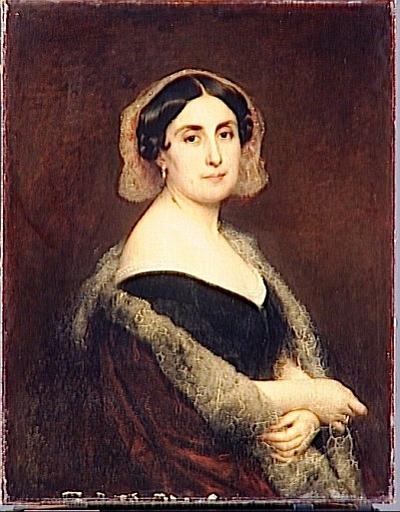
Portrait de Mme Paul Rattier


 Weiterlesen
Giclée / Kunstdruck
Giclée- oder Leinwanddruck in Museumsqualität mit schneller Produktion und flexiblen Veredelungsoptionen. ( Handgemalte Reproduktion bestellen Bild kaufen)




P118B $10

P118H $10

P118W $10

P438Z $10

P508JH $12

P508YH $12

P805H $10

P805Z $10

P919BZ $10

P919G $10

P919XJ $10

P959ZH $10

P968JZ $12

W106C $8

W218G $10

W218JH $8

W218Y $10

W307PJ $10

W316G $10

W316PJ $8

W316Y $10

W398PJ $8

W4111J $10

W500HY $15

W500JH $15

W692G $12

W849H $8

W940BG $15

W953PJ $8




Wählen Sie aus unseren vordefinierten Formaten, die den ursprünglichen Proportionen des Kunstwerks entsprechen.

Sie können Ihre eigenen Maße eingeben, um ein bestimmtes Format oder einen speziellen Platz einzupassen. Wenn das von Ihnen gewählte Format nicht den Proportionen des Originalbildes entspricht, werden wir das Kunstwerk entweder beschneiden oder das Bild mit einem gespiegelten oder einfarbigen Rand erweitern. Ein digitaler Entwurf wird Ihnen zur Genehmigung zugesandt, bevor die Produktion beginnt.
Bitte beachten Sie, dass die Vorschau auf dem Bildschirm nicht den tatsächlichen Zuschnitt oder die Erweiterung widerspiegelt. Nur der Entwurf zeigt die endgültige Komposition präzise an.
Obwohl Sondermaße verfügbar sind, empfehlen wir die Auswahl eines Maßes aus der vordefinierten Liste, um die ursprünglichen Proportionen zu bewahren.
Weltweiter Versand () innerhalb von 2 Wochen statt der üblichen 4/5 Wochen. (27 August)

Kostenloser weltweiter Expressversand

Hochwertige Leinenleinwand

Umfassender Versicherungsschutz beim Versand

Zollgebühren-Rückerstattungsgarantie

Garantie für exakte Farbtreue

60 Tage Rückgaberecht (nur bei Mängeln)

100% Geld-zurück-Garantie

Mengenrabatt verfügbar
 Die Glasoption ist nur für Größen unter 110 cm verfügbar.

Portrait de Mme Paul Rattier
Giclée / Kunstdruck
Format der Reproduktion
-


Gesamtpreis
$ 62
Portrait de Mme Paul Rattier: A Window into 19th-Century Parisian Society
Charles François Jalabert’s “Portrait de Madame Paul Rattier” offers more than just a likeness; it's a meticulously crafted glimpse into the refined world of mid-19th century Paris. Painted in 1876, this oil on canvas work transcends mere representation, revealing a sophisticated understanding of light, form, and the subtle nuances of social standing. The painting resides within the esteemed collection of the Louvre Museum, a testament to its artistic merit and historical significance.
Jalabert, a prominent figure in the academic art scene, was renowned for his ability to capture the elegance and formality demanded by Parisian high society during his era. His style is distinctly rooted in the traditions of the École de Beaux-Arts, emphasizing realism, precise detail, and a carefully controlled palette. The portrait adheres closely to the conventions of the time – a three-quarter pose, crossed arms conveying composure, and a direct gaze that establishes an intimate connection with the viewer. It’s a scene frozen in a moment of quiet dignity, reflecting the values and expectations of upper-class women during this period.
A Symphony of Muted Tones and Delicate Brushwork
The painting's visual impact is immediately striking due to its masterful use of color. Jalabert employs a restrained palette dominated by browns, greys, creams, and subtle hints of burgundy – colors that evoke the luxurious fabrics and dimly lit interiors characteristic of Parisian salons. The artist’s technique is equally noteworthy; he utilizes soft, blended brushstrokes to create a sense of depth and texture, particularly in the draped shawl which appears both voluminous and incredibly soft. The careful layering of tones suggests a deep understanding of how light interacts with different materials, lending the portrait an almost tangible quality.
Close examination reveals a remarkable attention to detail – from the delicate folds of the woman’s dress to the subtle shading around her eyes and mouth. The artist skillfully captures the texture of the fabric, conveying its weight and movement without resorting to overly dramatic brushwork. The background, rendered in muted shades, serves primarily to frame the subject, drawing all attention to Madame Rattier herself.
Symbolism and Social Context
Beyond its technical brilliance, “Portrait de Mme Paul Rattier” is rich in symbolic meaning. The woman’s crossed arms are a powerful gesture of self-assurance and control – qualities highly valued in women of her social standing. Her direct gaze invites the viewer into her world, suggesting an openness and intelligence that belies the formality of the pose. The attire itself—a dark gown adorned with a delicate shawl—underscores her status within Parisian society.
Madame Paul Rattier was a prominent figure in literary circles, known for her salon which hosted many notable writers and artists. The portrait likely served as a visual representation of her social standing and intellectual influence. It’s a window into the world of 19th-century Parisian salons, where art, literature, and social interaction were inextricably linked.
A Timeless Masterpiece – Available as a High-Quality Reproduction
“Portrait de Mme Paul Rattier” remains a captivating work of art, offering viewers a glimpse into the elegance and sophistication of 19th-century Parisian society. Today, through ArtsDot.com, you can own a stunning reproduction of this masterpiece, bringing its timeless beauty into your home or office. Whether you’re an art enthusiast, a collector, or simply seeking to add a touch of classic charm to your space, this meticulously crafted reproduction is sure to delight.
Ähnliche Kunstwerke
Über den Künstler
early life and career
Charles François Jalabert, geboren im Jahr 1819 in Nîmes, Frankreich, begann seine künstlerische Reise mit einem beeindruckenden Fokus auf die akademische Malerei – eine Richtung, die ihn zu einem der renommierten Künstler seiner Zeit machte. Seine Ausbildung fand hauptsächlich in Rom statt und wurde maßgeblich von Antoine-Jean Gros beeinflusst, dessen Werk Jalabert als Vorbild betrachtete. Diese Begegnung prägte seinen Stil und seine künstlerische Entwicklung nachhaltig. Er etablierte sich schnell im französischen Kunstbetrieb und gewann dabei den Prix de Rome für seine außergewöhnliche Leistung.artistic style and notable works
Jalabert zeichnete sich durch eine unverwechselbare akademische Malerei aus, die ihm einen großen Erfolg verschaffte und ihn zu einem wichtigen Vertreter seiner Zeit machte. Sein bekanntestes Werk ist zweifellos „Die Pest von Theben“, ein beeindruckendes Gemälde nach Sophokles' Tragödie „Ödipus Rex“. Durch seine präzise Beobachtungsgabe und sein tiefes Verständnis für dramatische Komposition gelang es ihm, die Essenz der griechischen Tragödie einzufangen und eine außergewöhnliche Darstellung zu schaffen. Ebenso bedeutend ist „Nymphen beim Gesang von Orpheus“, das heute im Walters Art Museum hängt und Jalaberts Fähigkeit zur Erzeugung ätherischer Szenen unterstreicht. Ein weiteres Meisterwerk ist „Die Pest von Theben: Ödipus und Antigone“, welches sich im Musée des Beaux-Arts de Marseille befindet und eine eindrucksvolle Darstellung eines klassischen Konflikts bietet. Darüber hinaus beeindruckt „Das junge Mädchen“ (nach 1862) durch seine außergewöhnliche Detailtreue und die Fähigkeit, menschliche Emotionen auf beeindruckende Weise zu vermitteln – ein Werk, das ebenfalls im Walters Art Museum zu finden ist.museums and collections
Jalaberts Kunstwerke sind Teil bedeutender Sammlungen und tragen zur Erhaltung des künstlerischen Erbes Frankreichs bei. Besonders hervorzuheben ist die Sammlung des Musée des Beaux-Arts de Nîmes, die eine umfassende Auswahl seiner Werke umfasst und Besuchern einen einzigartigen Einblick in seine künstlerische Entwicklung ermöglicht. Eine weitere beeindruckende Sammlung befindet sich im Musée Condé, wo sein Gemälde „Das Porträt Henri d’Orléans“ eine zentrale Rolle spielt und einen wichtigen Beitrag zur Kunstgeschichte darstellt.influence and legacy
Jalaberts Einfluss auf die französische Kunst des 19. Jahrhunderts ist enorm. Er gilt als einer der wichtigsten Vertreter der akademischen Malerei und prägte damit den Stil seiner Zeit nachhaltig. Seine Werke werden bis heute intensiv studiert und gefeiert und tragen dazu bei, dass das künstlerische Erbe Frankreichs lebendig bleibt. Durch seine außergewöhnliche Technik und sein tiefes Verständnis für die Darstellung menschlicher Emotionen wird Jalabert auch weiterhin als eine zentrale Figur in der Kunstgeschichte betrachtet.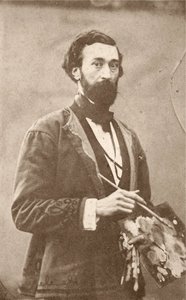
Charles François Jalabert
1819 - 1901 , Frankreich
Kurzinfos
- Artistic Movement Or Style: Akademische Malerei
- Artists Who Influenced This Artist:
- Paul Delaroche
- Antoine-Jean Gros
- Jacques-Louis David
- Date Of Birth: 1819-01-01
- Date Of Death: 1901
- Full Name: Charles François Jalabert
- Nationality: Französisch
- Notable Artworks:
- Die Pest von Theben
- Ödipus und Antigone
- Nymphen beim Gesang des Orpheus
- Italienisches Mädchen
- Place Of Birth: Nîmes, Frankreich
Ähnliche Artikel

Academic Portraiture: Tradition, Technique & the Evolution of Representational Art
Explore the rich history & masterful techniques of academic portraiture. Discover iconic artists, learn about collecting, and commission a bespoke oil painting reproduction with ArtsDot.
Academic Art: Tradition, Technique & the Pursuit of Ideal Form in the 19th Century
Explore the world of Academic Art! Discover its history, key artists like Ingres & Bouguereau, defining techniques, and lasting influence on 19th-century painting. Learn about the Salon system and its legacy.

The Enduring Legacy of Oil on Canvas: Technique, History & Aesthetic Impact
Explore the rich history & techniques of oil painting – from Renaissance masters to Impressionism. Discover pigments, layering methods, and why this timeless medium endures. Expert insights for artists & art enthusiasts.
Meisterwerke des 19. Jahrhunderts: Kunst für Ihr Zuhause | ArtsDot
Entdecken Sie die 10 bedeutendsten Kunstwerke des 19. Jahrhunderts! Von Impressionismus bis Realismus – erleben Sie die Geschichten berühmter Maler und ihre Meisterwerke. Hochwertige Reproduktionen für Ihr Zuhause auf ArtsDot.com.

Öl auf Leinwand: Eine historische und technische Erkundung eines zeitlosen künstlerischen Mediums
Entdecken Sie die faszinierende Welt der Ölmalerei! Von historischen Techniken bis zur modernen Anwendung – wir bieten Expertenwissen, Restaurierungstipps und hochwertige Reproduktionen. Jetzt informieren!

