 Vorschau anzeigen
 Versenden
 Teilen
 Details anzeigen

 Herunterladen
 Ähnliche Objekte
 Röntgenaufnahme
 Diashow
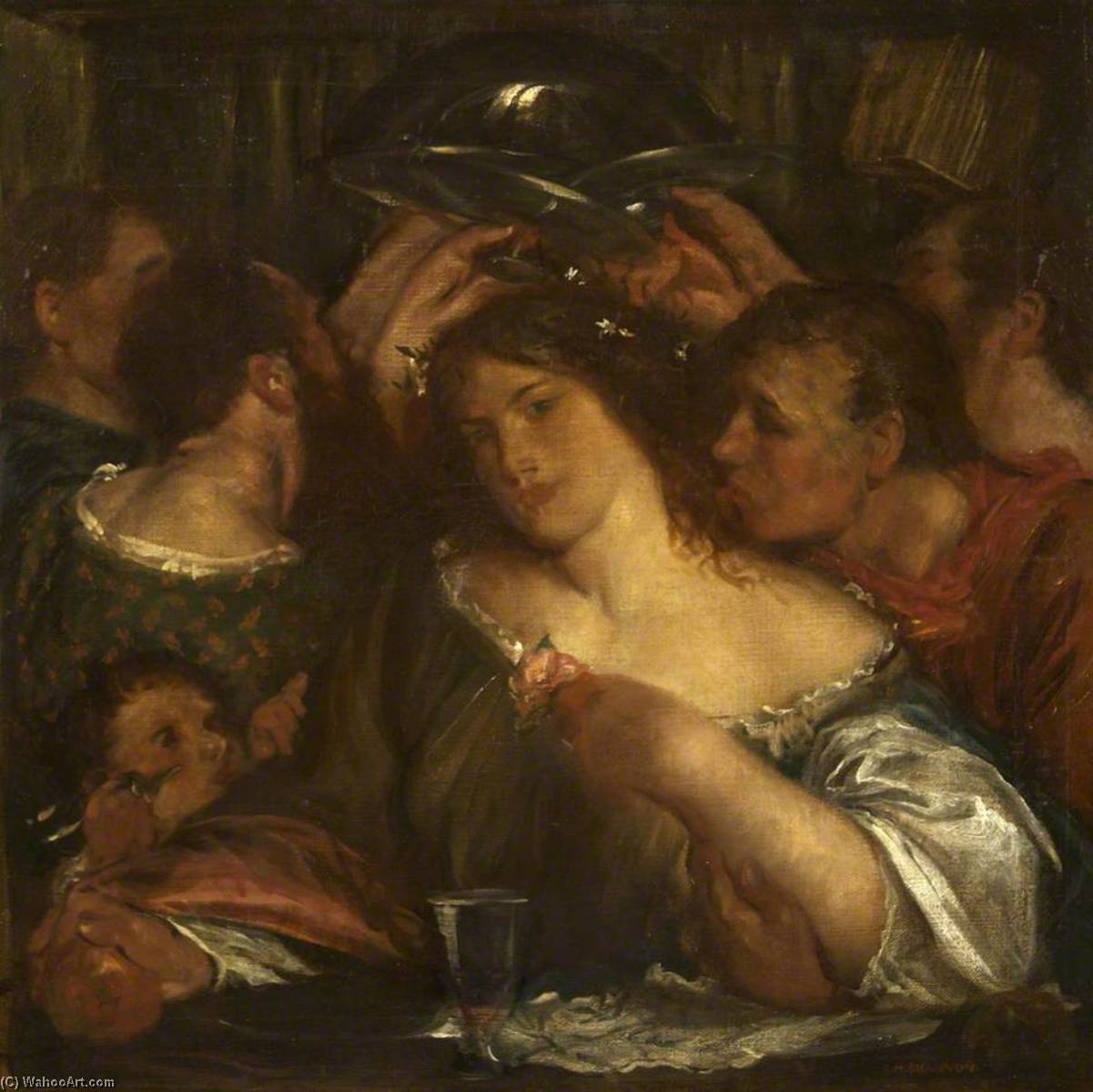
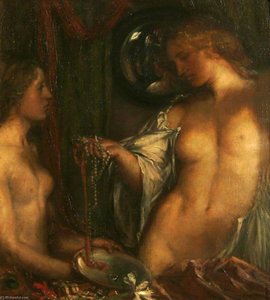
Tibullus in the House of Delia
 Oil On Canvas
- WallArt
- Giorgionesque Figure Composition
 1905
1905 76.0 x 76.0 cm
 Nottingham Castle Museum Und Kunstgalerie
 Weiterlesen
Giclée / Kunstdruck
Giclée- oder Leinwanddruck in Museumsqualität mit schneller Produktion und flexiblen Veredelungsoptionen. ( Handgemalte Reproduktion bestellen Bild kaufen)




P118B $10

P118H $10

P118W $10

P438Z $10

P508JH $12

P508YH $12

P805H $10

P805Z $10

P919BZ $10

P919G $10

P919XJ $10

P959ZH $10

P968JZ $12

W106C $8

W218G $10

W218JH $8

W218Y $10

W307PJ $10

W316G $10

W316PJ $8

W316Y $10

W398PJ $8

W4111J $10

W500HY $15

W500JH $15

W692G $12

W849H $8

W940BG $15

W953PJ $8




Wählen Sie aus unseren vordefinierten Formaten, die den ursprünglichen Proportionen des Kunstwerks entsprechen.

Sie können Ihre eigenen Maße eingeben, um ein bestimmtes Format oder einen speziellen Platz einzupassen. Wenn das von Ihnen gewählte Format nicht den Proportionen des Originalbildes entspricht, werden wir das Kunstwerk entweder beschneiden oder das Bild mit einem gespiegelten oder einfarbigen Rand erweitern. Ein digitaler Entwurf wird Ihnen zur Genehmigung zugesandt, bevor die Produktion beginnt.
Bitte beachten Sie, dass die Vorschau auf dem Bildschirm nicht den tatsächlichen Zuschnitt oder die Erweiterung widerspiegelt. Nur der Entwurf zeigt die endgültige Komposition präzise an.
Obwohl Sondermaße verfügbar sind, empfehlen wir die Auswahl eines Maßes aus der vordefinierten Liste, um die ursprünglichen Proportionen zu bewahren.
Weltweiter Versand () innerhalb von 2 Wochen statt der üblichen 4/5 Wochen. (4 September)

Kostenloser weltweiter Expressversand

Hochwertige Leinenleinwand

Umfassender Versicherungsschutz beim Versand

Zollgebühren-Rückerstattungsgarantie

Garantie für exakte Farbtreue

60 Tage Rückgaberecht (nur bei Mängeln)

100% Geld-zurück-Garantie

Mengenrabatt verfügbar
 Die Glasoption ist nur für Größen unter 110 cm verfügbar.

Tibullus in the House of Delia
Giclée / Kunstdruck
Format der Reproduktion
-


Gesamtpreis
$ 62
The Enigmatic Heart of a Poet
Charles Haslewood Shannon’s “Tibullus in the House of Delia” isn't merely a portrait; it’s a carefully constructed distillation of longing, vulnerability, and the profound beauty of pastoral life. Painted in 1905, this work transcends its historical context to resonate with viewers today through its masterful depiction of human emotion. The subject, likely a representation of the poet Tibullus himself, is presented within the intimate setting of his home – the “House of Delia” – a deliberate choice that immediately anchors us in the world of Roman elegiac poetry and the intense personal relationships at its core.
Shannon’s style leans heavily into the Venetian tradition, particularly the work of Giorgione and Titian. Notice the subtle layering of color, the diffused light bathing the scene, and the almost dreamlike quality of the composition. He eschews sharp outlines and dramatic contrasts in favor of a soft, atmospheric approach that evokes a sense of quiet contemplation. The figures are rendered with an exquisite sensitivity to texture – the folds of the woman’s garments, the delicate sheen on her skin, the rough-hewn stone of the house itself—all contribute to a palpable feeling of tactile reality.
A Symphony of Symbolism
The painting is rich in symbolic detail. The woman, crowned with a simple laurel wreath, isn’t simply a beautiful subject; she embodies Delia, Tibullus's beloved muse and the source of his profound emotional turmoil. The surrounding figures – a cluster of attentive observers – represent the social context of the poet’s life, perhaps hinting at the pressures and expectations that shaped his art. The inclusion of a cup suggests a shared moment of conviviality, yet it also subtly underscores the underlying melancholy—a recognition that even in moments of joy, the shadow of loss lingers.
Crucially, the setting itself – the “House of Delia” – is laden with meaning. It’s not a grand villa or a luxurious palace; rather, it's a modest dwelling, suggesting a connection to the land and a rejection of ostentatious displays of wealth. This reinforces Tibullus’s themes of rustic simplicity and his deep appreciation for the natural world—a counterpoint to the ambition and political machinations of Roman society.
Echoes of Antiquity and Modern Sensibility
Shannon's work stands as a bridge between classical ideals and modern artistic sensibilities. Drawing inspiration from the Venetian masters, he captures the spirit of antiquity while imbuing it with a distinctly contemporary emotional depth. The painting’s quiet intimacy and its focus on subjective experience—the unspoken emotions conveyed through gesture and expression—anticipate the developments in portraiture that would emerge in the 20th century.
The historical context is equally important. Painted during a period of significant social and political upheaval, “Tibullus in the House of Delia” reflects a yearning for stability and connection amidst uncertainty. The poem itself, written by Tibullus, explores themes of love, loss, and the fleeting nature of beauty—emotions that continue to resonate with audiences today. Shannon’s painting serves as a powerful visual embodiment of these timeless concerns.
Bringing the Vision Home
Reproductions of “Tibullus in the House of Delia” offer a remarkable opportunity to bring this evocative artwork into your own space. Whether displayed in a formal living room or a more intimate study, its serene beauty and profound emotional depth will undoubtedly captivate viewers and spark contemplation. Consider framing it within a classic wooden frame to further enhance its connection to the painting’s historical roots, or opt for a sleek, minimalist design to create a contemporary dialogue with Shannon's original vision.
Ähnliche Kunstwerke



Über den Künstler
Frühes Leben und Ausbildung
Charles Haslewood Shannon, ein bedeutender englischer Künstler, wurde am 26. April 1863 in Sleaford, Lincolnshire geboren. Er war der Sohn von Rev. Frederick William Shannon, Rektor von Quarrington, und Catherine Emma Manthorp, Tochter eines Chirurgen. Diese künstlerische Vorfahrenschaft beeinflusste später Shannons eigenen Weg zum gefeierten Künstler. Shannon besuchte die City and Guilds of London Art School (damals bekannt als South London School of Technical Art, ehemals Lambeth School of Art). Seine frühen Arbeiten waren durch einen schweren, dunklen Ton gekennzeichnet, den er später zugunsten klarerer, transparenterer Farben aufgab.Künstlerische Leistungen
Shannons künstlerischer Stil wurde maßgeblich von seinem lebenslangen Partner Charles Ricketts und den großen Venezianern beeinflusst. Er erzielte großen Erfolg mit seinen Porträts und giorgionesken Figurenkombinationen, die durch einen klassischen Sinn für Stil gekennzeichnet sind. Seine Radierungen und lithographischen Entwürfe erregten ebenfalls bemerkenswerte Aufmerksamkeit.- Die Traube (im Besitz der Dublin Municipal Gallery)
- Die Dame mit dem grünen Fächer (Porträt von Mrs. Hacon, ebenfalls im Besitz der Dublin Municipal Gallery)
- Studie in Grau (in der Münchner Galerie)
- Porträt von Mr. Staats Forbes (in Bremen)
- Souvenir of Van Dyck (in Melbourne)
Einflüsse und Entwicklung
Shannons künstlerische Entwicklung war stark von den venezianischen Meistern des 16. Jahrhunderts beeinflusst, insbesondere Giorgione und Tizian. Er bewunderte deren sinnliche Farbgebung, die atmosphärische Tiefe und die eleganten Figurenkompositionen. Die Partnerschaft mit Charles Ricketts trug ebenfalls wesentlich zu seiner künstlerischen Entwicklung bei. Gemeinsam gründeten sie die Zeitschrift „The Dial“, in der sie ihre künstlerischen Ideale und Experimente präsentierten. Shannons frühe Arbeiten zeigten einen eher düsteren, akademischen Stil, doch er entwickelte sich hin zu einer leichteren, farbenfroheren Ästhetik, die von seinen venezianischen Vorbildern inspiriert war. Er perfektionierte seine Fähigkeiten in der Porträtmalerei und schuf Werke von großer Eleganz und psychologischer Tiefe.Auszeichnungen und Vermächtnis
Shannon wurde 1895 eine erste Goldmedaille in München und 1900 eine erste Silbermedaille in Paris verliehen. Er war außerdem Mitglied der International Society of Sculptors, Painters and Gravers. Leider endete Shannons Karriere vorzeitig aufgrund eines Sturzes im Jahr 1928, der zu neurologischen Schäden, Amnesie und schließlich seinem Rückzug aus der Kunst führte. Wichtig: Besuchen Sie die Dublin Municipal Gallery von ArtsDot, um mehr über Kunstgeschichte und Shannons Beiträge zur britischen Kunst zu erfahren. Sie können auch Shannons Werke auf ArtsDot unter https://ArtsDot.com/@/charles-haslewood-shannon finden, wo Sie eine umfangreiche Sammlung seiner Kunstwerke und weitere Informationen über sein Leben und sein Vermächtnis entdecken können.- Erkunden Sie die Kollektion Die Traube, mit mehreren von Shannons Porträts.
- Entdecken Sie Shannons Charles Ricketts auf ArtsDot unter https://ArtsDot.com/@/charles-ricketts.
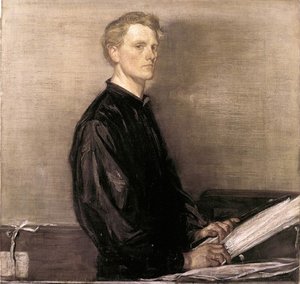
Charles Haslewood Shannon
1863 - 1937 , Vereinigtes Königreich
Kurzinfos
- Bemerkenswerte Werke:
- The Bunch of Grapes
- The Lady with the Green Fan
- Study in Grey
- Portrait of Mr. Staats Forbes
- Souvenir of Van Dyck
- Einflussreiche Künstler:
- Charles Ricketts
- Venetianische Meister
- Geburtsdatum: 26. April 1863
- Geburtsort: Lincoln, Vereinigtes Königreich
- Künstlerischer Stil: Giorgioneske Kompositionen
- Nationalität: Britisch
- Todatum: 1937
- Vollständiger Name: Charles Haslewood Shannon
Ähnliche Artikel
Sir James Jebusa Shannon: A Master of Victorian Portraiture & Aesthetic Style
Explore the life & art of Sir James Jebusa Shannon, a leading Victorian portrait painter. Discover his elegant style, technical mastery, and lasting influence on British art. Shop high-quality reproductions at ArtsDot.
Charles Haslewood Shannon: Ästhetizismus, Symbolismus und die Porträtkunst des Fin de Siècle
Entdecken Sie das faszinierende Werk von Charles Haslewood Shannon! Unsere Expertenanalyse beleuchtet den Ästhetizismus, Symbolismus und die Porträtkunst des Fin de Siècle. Erfahren Sie mehr über diesen vergessenen Meister.

Katsushika Hokusai: Die 25 Meisterwerke des Ukiyo-e – Kunst für Ihr Zuhause | ArtsDot
Entdecken Sie die 25 Meisterwerke von Katsushika Hokusai! Tauchen Sie ein in die Welt des Ukiyo-e, berühmte Holzschnitte wie 'Die große Welle' & Fuji-Ansichten. Hochwertige Kunstdrucke für Ihr Zuhause – jetzt auf ArtsDot.com!

Die Faszination des Abbilds: Eine historische Perspektive auf die Porträtmalerei
Entdecken Sie die faszinierende Geschichte der Porträtmalerei! Von antiken Ursprüngen bis zur modernen Kunst – wir bieten Expertenwissen, hochwertige Reproduktionen & individuelle Auftragsporträts bei .
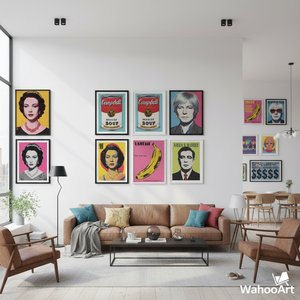
Andy Warhols Meisterwerke: Die 25 ikonischsten Kunstwerke für Ihr Zuhause | ArtsDot
Entdecken Sie die 25 ikonischsten Kunstwerke von Andy Warhol! Von den Campbell's Soup Dosen bis zum Marilyn Diptychon – erfahren Sie die Geschichten hinter den Meisterwerken der Pop Art. Hochwertige Kunstdrucke & Wohnideen auf ArtsDot.com.