 Vorschau anzeigen
 Versenden
 Teilen
 Details anzeigen

 Herunterladen
 Ähnliche Objekte
 Röntgenaufnahme
 Diashow
Urban Landscape
 Oil On Canvas
- WallArt
- Romantic Impressionism
 1856
1856- 19th Century
 87.0 x 119.0 cm
 Eremitage Museum
 Weiterlesen
Handgefertigte Ölreproduktion
Handgemaltes Ölgemälde auf Leinwand in Ihrer Wunschgröße und mit Rahmen, auf Bestellung von unseren Künstlern angefertigt. ( Druck bestellen Bild kaufen)




P118B $10

P118H $10

P118W $10

P438Z $10

P508JH $12

P508YH $12

P805H $10

P805Z $10

P919BZ $10

P919G $10

P919XJ $10

P959ZH $10

P968JZ $12

W106C $8

W218G $10

W218JH $8

W218Y $10

W307PJ $10

W316G $10

W316PJ $8

W316Y $10

W398PJ $8

W4111J $10

W500HY $15

W500JH $15

W692G $12

W849H $8

W940BG $15

W953PJ $8




Wählen Sie aus unseren vordefinierten Formaten, die den ursprünglichen Proportionen des Kunstwerks entsprechen.

Sie können Ihre eigenen Maße eingeben, um einen bestimmten Rahmen oder Platz auszufüllen. Wenn die gewählte Größe nicht den Proportionen des Originalbildes entspricht, werden wir das Kunstwerk entweder beschneiden oder das Gemälde durch zusätzliche, handgemalte Elemente erweitern. Ein digitales Mockup wird Ihnen zur Genehmigung zugesandt, bevor die Produktion beginnt.
Bitte beachten Sie, dass die Bildschirmvorschau nicht die tatsächliche Beschneidung oder Erweiterung widerspiegelt. Nur das Mockup zeigt die endgültige Komposition exakt an.
Obwohl Sondermaße verfügbar sind, empfehlen wir, eine Größe aus der vordefinierten Liste zu wählen, um die ursprünglichen Proportionen beizubehalten.
Nach der Bestellung wird das ArtsDot.com-Team dem Kunden Anweisungen per E-Mail zusenden und eine Mockup-Vorschau bereitstellen.
Weltweiter Versand () in nur 3 bis 4 Wochen statt der üblichen 5 Wochen. (21 August). Keine Kompromisse bei der Qualität.

Kostenloser weltweiter Expressversand

Hochwertige Leinenleinwand

Umfassender Versicherungsschutz beim Versand

Zollgebühren-Rückerstattungsgarantie

Garantie für exakte Farbtreue

60 Tage Rückgaberecht (nur bei Mängeln)

100% Geld-zurück-Garantie

Mengenrabatt verfügbar
 Die Glasoption ist nur für Größen unter 110 cm verfügbar.

Urban Landscape
Art der Reproduktion
Format der Reproduktion
-


Gesamtpreis
$ 263
Beschreibung des Kunstwerks
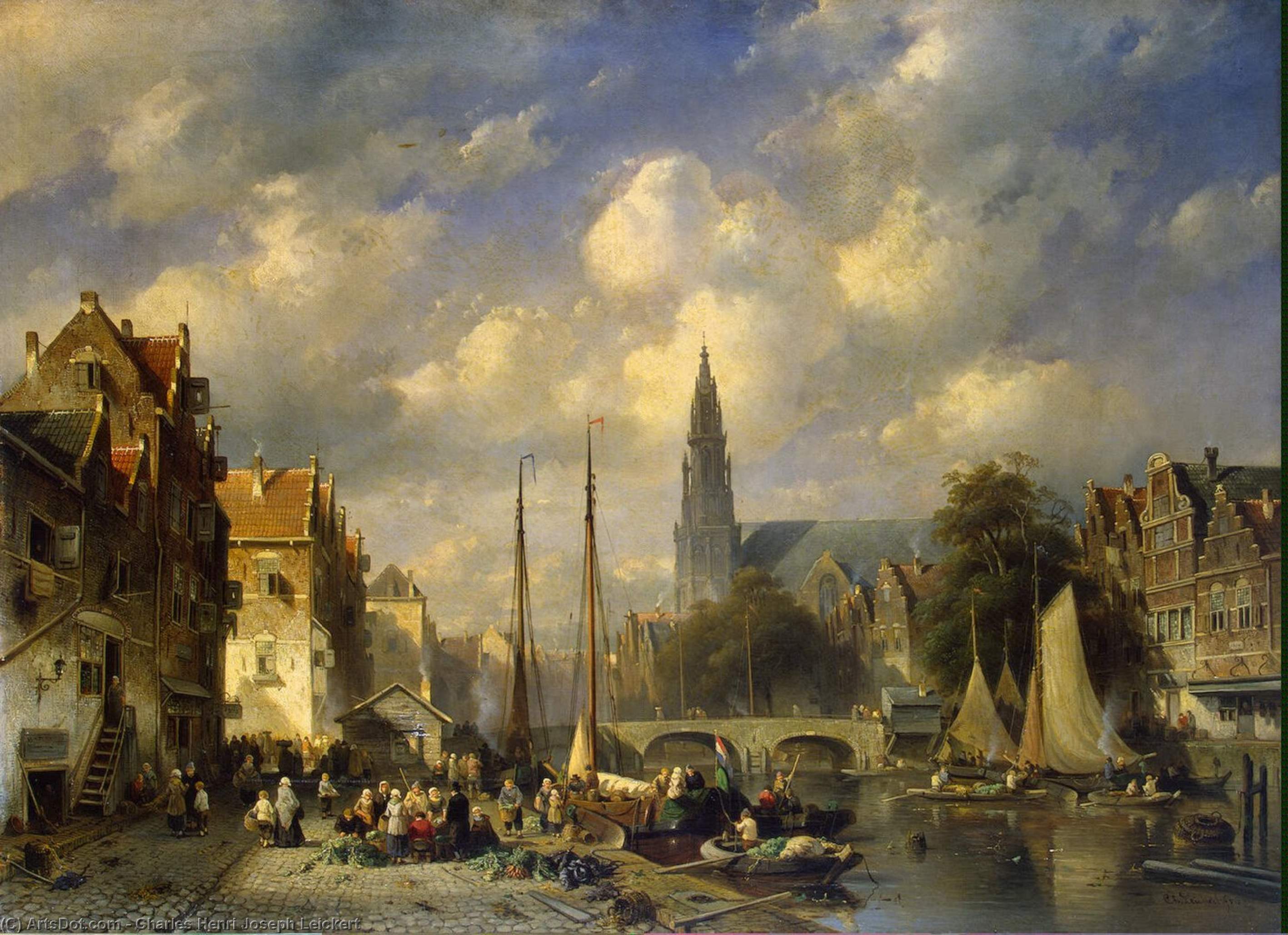
A Winter Reverie: Exploring Leickert’s “Urban Landscape”
The painting "Urban Landscape," executed by charles henri joseph leickert in 1856, transcends mere depiction; it embodies a profound meditation on the beauty of winter and the human experience within its tranquil embrace. Created during a period marked by burgeoning Romanticism and an increasing fascination with capturing fleeting moments of sublime nature, Leickert’s work stands as a testament to his ability to distill emotion into visual form—a skill that continues to resonate with audiences today.Subject Matter and Composition
At first glance, “Urban Landscape” presents a deceptively simple scene: a river winding through the heart of Haarlem, dotted with boats gliding silently across its surface. However, beneath this serene exterior lies a carefully constructed composition designed to convey a sense of contemplative observation. Leickert skillfully employs perspective—drawing viewers into the scene—allowing us to appreciate the expansive vista and the subtle interplay of light and shadow. The inclusion of skaters on the ice adds an element of human activity, juxtaposed against the stillness of the water, creating a dynamic tension that enhances the overall impact.Style and Technique: Romantic Impressionism
Leickert’s artistic style aligns closely with Romantic Impressionism—a movement characterized by its emphasis on capturing atmospheric conditions and conveying subjective emotion rather than striving for photographic realism. Like many artists of his time, Leickert favored muted palettes dominated by pale blues and vibrant pinks, reflecting the ethereal quality of winter light. His brushstrokes are loose and expressive, prioritizing texture and tonal variation over precise detail. This technique—particularly evident in the depiction of snow-covered rooftops—allows for a palpable sense of warmth against the coldness of the season. The artist’s meticulous attention to capturing the nuances of color and light contributes significantly to the painting's emotive power.Historical Context: Weimar Era Artistic Sensibilities
“Urban Landscape” emerged during the Weimar Era, a period of unparalleled artistic flourishing in Germany—a time when Romantic ideals permeated all spheres of cultural life. Leickert’s work reflects the broader aesthetic concerns of his contemporaries who sought to elevate landscape painting beyond mere topographical representation. Artists like Caspar David Friedrich had already established precedents for conveying spiritual contemplation through depictions of wilderness, and Leickert skillfully builds upon these traditions. The painting speaks to a fascination with capturing not just what is seen but also how it feels—a hallmark of Romantic artistic philosophy.Symbolism: Tranquility and Reflection
Beyond its visual beauty, “Urban Landscape” carries symbolic weight. The river represents fluidity and continuity, mirroring the passage of time and inviting viewers to contemplate their own place within the natural world. The skaters symbolize human resilience and adaptability—embracing the challenges presented by winter’s harsh conditions with grace and determination. Furthermore, the birds soaring overhead serve as emblems of freedom and aspiration, reinforcing the painting's overarching theme of serenity and introspection. Leickert’s masterful use of color and composition elevates the scene from a simple observation to a profound meditation on human experience.Emotional Impact: A Moment Frozen in Time
Ultimately, “Urban Landscape” succeeds in transporting viewers back to 1856—capturing the quiet beauty of Haarlem during winter. The painting evokes feelings of peace, nostalgia, and wonder—a reminder that even amidst the bustle of urban life, moments of sublime contemplation can be found. It’s a piece that invites us to slow down, appreciate the subtleties of our surroundings, and reconnect with the restorative power of nature—qualities that continue to inspire artists and collectors alike.Ähnliche Kunstwerke

Über den Künstler
early life and artistic formation
charles henri joseph leickert, a renowned belgian painter, was born on september 22, 1816, in brussels, and passed away on december 5, 1907, in mainz. his artistic journey commenced in the hague, under the mentorship of esteemed landscape painters bartholomeus van hove, wijnand nuijen, and andreas schelfhout. this foundational training instilled in him a profound understanding of capturing the ethereal beauty of winter landscapes—a fascination that would define his entire oeuvre. leickert’s father, heinrich michael leickert (1781–1827), served as chamberlain to wilhelm i., who reigned over the netherlands until 1815 and subsequently alternated between den haag and brussels due to the kingdom of the united netherlands. this aristocratic upbringing instilled in him a refined sensibility and an appreciation for artistic excellence. leickert’s early education focused on classical studies, preparing him for a life dedicated to intellectual pursuits alongside artistic endeavors.artistic style and notable works
leickert's distinctive artistic style emerged from his meticulous observation of nature—specifically the serene stillness of winter scenes. he eschewed dramatic contrasts of light and shadow, favoring instead a delicate palette dominated by pale blues and subtle pink hues. these colors conveyed not merely visual splendor but also an emotional resonance that mirrored the melancholic beauty of the season. leickert’s most celebrated paintings include Ice View with Skaters and Snowy Street in Haarlem—works that exemplify his mastery of atmospheric perspective and compositional balance. These canvases are imbued with a palpable sense of tranquility, inviting viewers to contemplate the quiet grandeur of winter’s embrace. leickert's technique involved layering thin glazes of pigment upon canvas, achieving luminous effects that captured the subtle nuances of light filtering through snow-laden branches—a testament to his unwavering dedication to realism tempered by artistic imagination.museum affiliations and later life
in 1856, leickert was elected to the royal academy of amsterdam—a prestigious honor recognizing his considerable talent and contribution to dutch art history. he established a studio in den haag and amsterdam, where he collaborated closely with fellow artists such as charles rochussen and antonie waldoorp, forming part of the Pulchri Studio—a collective committed to advancing artistic innovation. leickert’s prolific output spanned several decades, producing hundreds of paintings that adorn museums and private collections across europe. He married Apolonia Schneider in 1859, forging a harmonious partnership that sustained his creative spirit throughout his life. In 1887, he relocated to mainz, germany, where he continued to paint until his death in 1907—a final chapter marked by quiet contemplation and artistic perseverance.legacy and availability of his works
charles leickert’s legacy resides not merely in the beauty of his paintings but also in their embodiment of the romantic aesthetic—a movement that prioritized emotion, imagination, and idealized representations of nature. His work profoundly influenced subsequent generations of landscape artists, establishing a precedent for capturing winter landscapes with sensitivity and nuance. Today, ArtsDot offers exceptional reproductions of leickert’s masterpieces—allowing enthusiasts worldwide to experience the enduring allure of his artistic vision. You can find his works at: /de/art/show/art-d3cf2d-de/ and explore more about leickert’s life and oeuvre on wikipedia: https://en.wikipedia.org/wiki/charles_leickert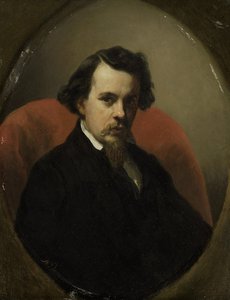
charles henri joseph leickert
1816 - 1907 , Belgien
Kurzinfos
- Artistic Movement Or Style: Romantik Landschaft Kunst
- Artists Or Movements Influenced By This Artist: ['Niederländische Gouden Ära']
- Artists Who Influenced This Artist:
- Bartholomäus van Hove
- Wijnand Nuijen
- Andreas Schelfhout
- Date Of Birth: September 22, 1816
- Date Of Death: December 5, 1907
- Full Name: Charles Henri Joseph Leickert
- Nationality: Belgien
- Notable Artworks:
- IJ Eisblick mit Skatern
- Schnee Straße Haarlem
- Place Of Birth: Brüssel, Belgien
Ähnliche Artikel

Romantische Landschaften: Die 10 Meisterwerke, die eine Epoche prägten | ArtsDot
Entdecken Sie die 10 Meisterwerke der Romantischen Landschaftsmalerei! Von Caspar David Friedrich bis Turner – erleben Sie die Kunst, Emotion & Natur. Hochwertige Reproduktionen auf ArtsDot.com

Katsushika Hokusai: Die 25 Meisterwerke des Ukiyo-e – Kunst für Ihr Zuhause | ArtsDot
Entdecken Sie die 25 Meisterwerke von Katsushika Hokusai! Tauchen Sie ein in die Welt des Ukiyo-e, berühmte Holzschnitte wie 'Die große Welle' & Fuji-Ansichten. Hochwertige Kunstdrucke für Ihr Zuhause – jetzt auf ArtsDot.com!

Evocations of Place: A Historical Journey Through Landscape Art
Explore the rich history of landscape art with ArtsDot. Discover renowned artists, movements like Impressionism & Romanticism, and expert guidance for collecting timeless pieces. Find your perfect serene escape today!
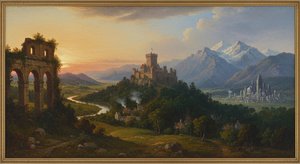
Evocations of Place: A Historical Journey Through Landscape Art
Explore the rich history of landscape art with ArtsDot. Discover renowned artists, movements like Impressionism & tonalism, and expert guidance for collecting timeless pieces. Find your perfect serene escape today!

Paul Cézanne: Die 25 Meisterwerke des Impressionismus | ArtsDot
Entdecken Sie die 25 Meisterwerke von Paul Cézanne! Tauchen Sie ein in die Welt des Impressionismus und Postimpressionismus. Erfahren Sie mehr über seine Stillleben, Landschaften & berühmten Gemälde – jetzt hochwertige Kunstdrucke auf ArtsDot.com.