

 Vorschau anzeigen
 Versenden
 Teilen
 Details anzeigen

 Herunterladen
 Ähnliche Objekte
 Röntgenaufnahme
 Diashow
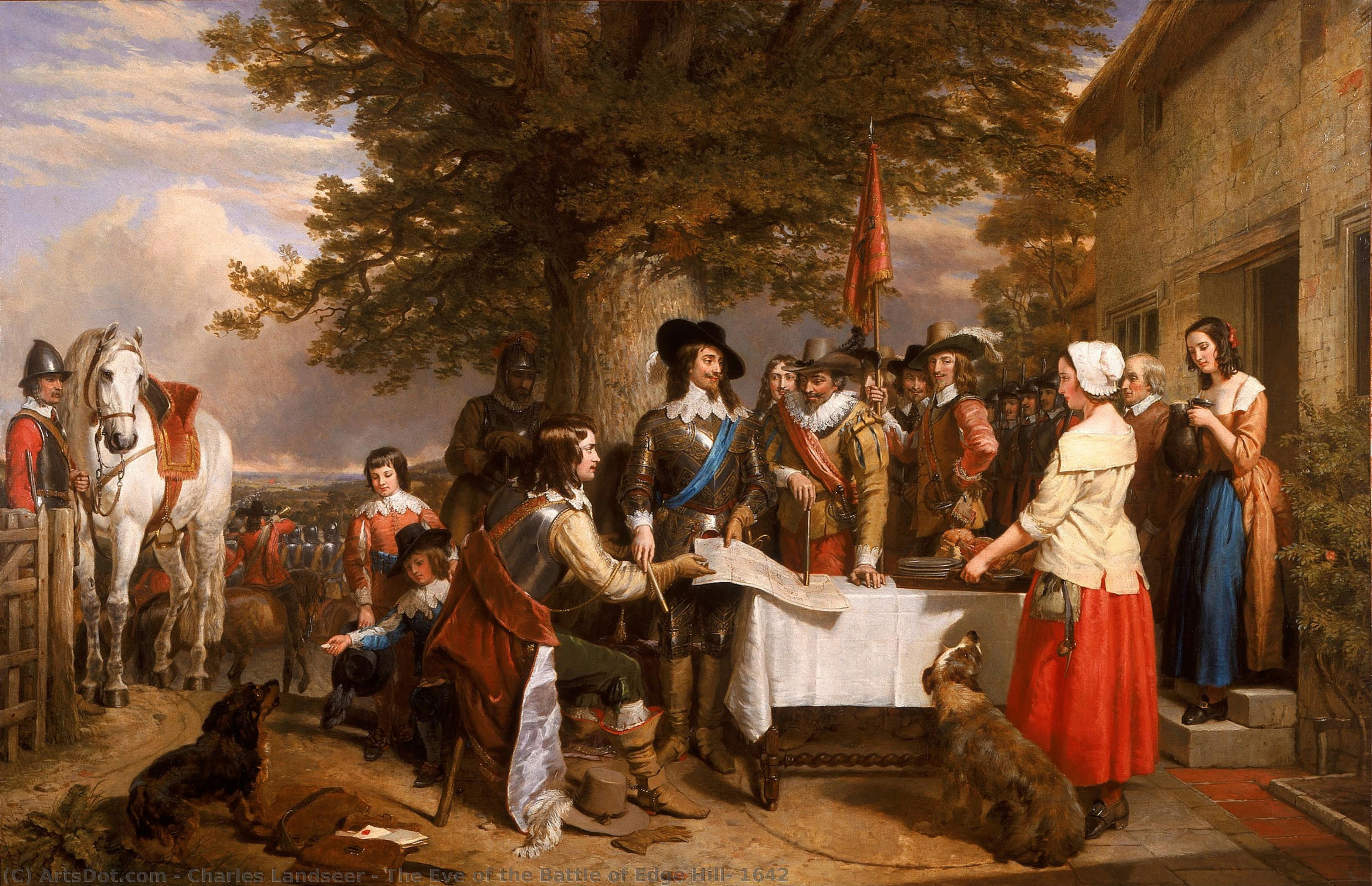
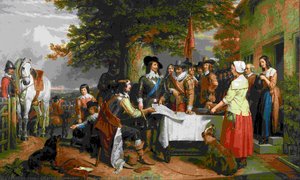
The Eve of the Battle of Edge Hill, 1642
 Oil On Canvas
- WallArt
- Romanticism
 1845
1845- 19th Century
 2137.0 x 1410.0 cm
 Walker Art Gallery
 Weiterlesen
Erwerben Sie ein hochauflösendes, optimiertes digitales Bild, das der Online-Vorschau weit überlegen ist.
Jede Datei wird von unseren hauseigenen Spezialisten mit modernsten Werkzeugen und fachmännischer manueller Retusche sorgfältig vorbereitet. Wir stellen sicher, dass jedes Bild eine außergewöhnliche Klarheit, präzise Farbgenauigkeit und feinste Details aufweist.
Die endgültige Datei wird innerhalb von 72 Stunden per E-Mail zugestellt und ist für den sofortigen Einsatz in professionellen, redaktionellen und Druckumgebungen optimiert. Es handelt sich um dieselbe Qualität, der führende Designstudios, Verlage und Galerien vertrauen.
Digitales Bild
Laden Sie eine hochauflösende Datei für die persönliche Präsentation, den Druck und kreative Projekte herunter. ( Druck bestellen Handgemalte Reproduktion bestellen)
In jeder Bestellung digitaler Bilder enthalten
Professionelle digitale Bereitstellung, garantiert
Wenn Sie sich für ArtsDot.com entscheiden, erhalten Sie nicht nur ein Bild – Sie erhalten ein professionell aufbereitetes digitales Kunstwerk, das mit höchster Präzision erstellt und durch eine Zufriedenheitsgarantie abgesichert wird. Hier ist alles, was automatisch mit Ihrer Bestellung geliefert wird:

Schnelle E-Mail-Zustellung
Ihre hochauflösende digitale Bilddatei wird Ihnen innerhalb von 72 Stunden nach der Bestellung per E-Mail zugestellt – bereit zur sofortigen Verwendung.

KI-optimierte digitale Datei
Ihre Kunstwerke werden professionell mithilfe fortschrittlicher KI-Tools und manueller Bearbeitung optimiert, um maximale Detailtreue, Klarheit und Farbgenauigkeit zu gewährleisten.

Lebenslanger kostenloser Neudruckservice
Datei versehentlich gelöscht oder verloren? Keine Sorge – wir senden sie Ihnen jederzeit kostenlos erneut zu.

Keine Einfuhrgebühren – jemals
Genießen Sie Ihr Kunstwerk sofort ohne Zollgebühren, Einfuhrabgaben oder Versandkosten – digitale Downloads sind immer steuerfrei.

Garantierte Farbtreue
Wir garantieren, dass Ihr digitales Bild mithilfe professioneller Werkzeuge und Farbmanagement die Originalfarben so präzise wie möglich wiedergibt.

60-Tage-Zufriedenheitsgarantie
Sollten Sie mit Ihrem digitalen Bild nicht zufrieden sein, werden wir es überarbeiten oder Ihnen innerhalb von 60 Tagen 100% erstatten – ohne Wenn und Aber.

100% Geld-zurück-Garantie
Nicht zufrieden? Erhalten Sie innerhalb von 60 Tagen nach Erhalt Ihrer digitalen Datei eine vollständige Rückerstattung – ohne Angabe von Gründen.

Rabatte bei Großbestellungen
3 Bilder kaufen, 10% sparen – 5 Bilder kaufen, 15% sparen – Ab 10 Bildern 20% sparen. Ideal für kreative Projekte, Galerien und Agenturen.
A Moment Frozen in Time: The Eve of the Battle of Edge Hill
In the grand tapestry of English history, few moments possess the quiet, heavy tension found in Charles Landseer’s 1845 masterpiece, The Eve of the Battle of Edge Hill, 1642. This evocative historical scene captures a council of war within the Royalist camp, set on the precipice of the first major conflict of the English Civil War. As the eye wanders through the composition, it encounters a world caught between the rigid duties of command and the fleeting distractions of human nature. Landseer masterfully orchestrates a gathering of figures—King Charles I, Prince Rupert, and the Earl of Lindsey—around a map that dictates the fate of a nation, yet the true soul of the painting lies in its subtle, almost heartbreaking, psychological depth.
The technique employed by Landseer reflects the height of nineteenth-century historical painting, blending meticulous detail with an atmospheric richness that breathes life into the Royalist camp. The artist utilizes a sophisticated interplay of light and shadow to direct the viewer's gaze, moving from the strategic intensity of the commanders pointing at the map to the more tender, domestic elements of the scene. One cannot help but notice the exquisite rendering of textures, from the heavy fabrics of the formal attire to the spirited presence of the animals. A fascinating footnote in the painting's history reveals that the dogs, painted by Landseer’s brother Edwin, were so beloved they were occasionally cut out and sold as separate works, a testament to the incredible anatomical precision and charm brought to this larger historical narrative.
Symbolism and the Weight of Destiny
Beyond the mere documentation of a military council, the painting serves as a profound allegory for the fragility of power. Landseer embeds a poignant sense of foreshadowing within the frame; while his commanders focus on the tactical maneuvers of the upcoming battle, King Charles I is depicted with a wandering concentration. His gaze drifts away from the strategic map, drawn instead to a pretty maid serving a dish of bacon. This subtle choice by the artist serves as a powerful symbol of the King's ultimate defeat—a moment where the distractions of the present moment overshadow the monumental responsibilities of the crown. It is a masterful use of character study to prefigure the tragic trajectory of the monarchy.
Contrasting this heavy political tension is the innocence of the future. Amidst the looming shadows of war, the King’s young sons, the future Charles II and James II, play playfully with a dog. This juxtaposition of childhood innocence against the grim machinery of war creates an emotional resonance that is deeply moving for any observer. The presence of the horses, standing watchful and poised throughout the camp, adds to the sense of restless anticipation, as if the very landscape itself is holding its breath before the storm of battle breaks.
An Essential Addition for Discerning Collectors
For the art collector or interior designer, a high-quality reproduction of this work offers more than just a decorative element; it provides a window into a pivotal era of human drama. The painting’s expansive scale and rich, warm palette make it an extraordinary centerpiece for a library, a formal study, or a grand dining hall. Its ability to spark conversation—ranging from the intricacies of the English Civil War to the fascinating familial collaboration between the Landseer brothers—ensures that it remains a focal point of intellectual and aesthetic engagement.
Owning a piece that captures such profound historical gravity allows one to surround themselves with the storytelling power of the Romantic era. Whether you are drawn to the strategic tension of the council, the delicate beauty of the period details, or the tragic symbolism of the wandering King, this work stands as a timeless testament to the ability of art to capture the fleeting moments that change the course of history forever.
Ähnliche Kunstwerke


Biografie des Künstlers
Frühes Leben und Ausbildung
Charles Landseer, ein bedeutender englischer Maler, wurde am 12. August 1799 in London als Sohn von John Landseer, einem Kupferstecher, geboren. Er war der zweite Sohn und der ältere Bruder von Sir Edwin Landseer, einem weltberühmten Tiermaler. Charles wurde unter der Anleitung seines Vaters ausgebildet und studierte später bei Benjamin Robert Haydon, einem Maler, der vor allem für seine historischen Sujets bekannt war.Künstlerische Karriere und bedeutende Werke
Die künstlerische Laufbahn von Charles Landseer erstreckte sich über mehr als sechs Jahrzehnte, in denen er sich auf die Darstellung historischer Themen spezialisierte. Zu seinen bemerkenswertesten Werken zählen:- Die Begegnung von Karl I. und seinen Anhängern vor der Schlacht von Edgehill (ausgestellt in der Tate Gallery)
- Clarissa Harlowe im Gefängnisraum des Sheriffs (1833, heute in der Sammlung der Tate Britain, London)
- Die Plünderung eines jüdischen Hauses während der Herrschaft Richards I. (1839, Tate Gallery)
- Die Versuchung des Andrew Marvell (1841)
Errungenschaften und Vermächtnis
Im Jahr 1815 wurde Charles Landseer die silberne Palette der Royal Society of Arts für eine Zeichnung des Laokoon verliehen. Er wurde 1837 Korrespondent der Royal Academy und 1845 ordentliches Mitglied der Akademie. Im Jahr 1851 wurde er zum Direktor der Royal Academy ernannt, ein Amt, das er bis 1873 innehatte. Besonders hervorzuheben ist, dass Charles Landseers Vermächtnis weit über seine künstlerischen Beiträge hinausgeht. Er hinterließ der Royal Academy 10.000 Pfund zur Finanzierung von Stipendien, die heute als Landseer-Stipendien bekannt sind.Referenzen und weiterführende Literatur
Für weitere Informationen über das Leben und die Werke von Charles Landseer besuchen Sie: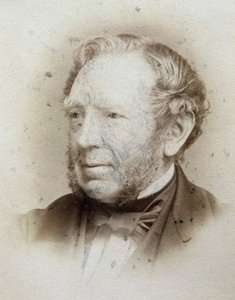
Charles Landseer
1799 - 1879 , Vereinigtes Königreich

