![Wild Horse Hunters [no. 2] — Charles Marion Russell](/media/artworks/images-full/6d/a5/6da5dce4f5f455e30b0f484243afa8a2.jpg)
 Vorschau anzeigen
 Versenden
 Teilen
 Details anzeigen

 Herunterladen
 Ähnliche Objekte
 Röntgenaufnahme
 Diashow
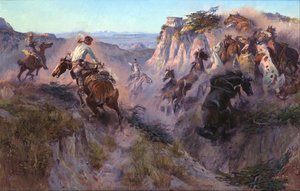
Wild Horse Hunters [No. 2]


 Weiterlesen
Giclée / Kunstdruck
Giclée- oder Leinwanddruck in Museumsqualität mit schneller Produktion und flexiblen Veredelungsoptionen. ( Handgemalte Reproduktion bestellen Bild kaufen)




P118B $10

P118H $10

P118W $10

P438Z $10

P508JH $12

P508YH $12

P805H $10

P805Z $10

P919BZ $10

P919G $10

P919XJ $10

P959ZH $10

P968JZ $12

W106C $8

W218G $10

W218JH $8

W218Y $10

W307PJ $10

W316G $10

W316PJ $8

W316Y $10

W398PJ $8

W4111J $10

W500HY $15

W500JH $15

W692G $12

W849H $8

W940BG $15

W953PJ $8




Wählen Sie aus unseren vordefinierten Formaten, die den ursprünglichen Proportionen des Kunstwerks entsprechen.

Sie können Ihre eigenen Maße eingeben, um ein bestimmtes Format oder einen speziellen Platz einzupassen. Wenn das von Ihnen gewählte Format nicht den Proportionen des Originalbildes entspricht, werden wir das Kunstwerk entweder beschneiden oder das Bild mit einem gespiegelten oder einfarbigen Rand erweitern. Ein digitaler Entwurf wird Ihnen zur Genehmigung zugesandt, bevor die Produktion beginnt.
Bitte beachten Sie, dass die Vorschau auf dem Bildschirm nicht den tatsächlichen Zuschnitt oder die Erweiterung widerspiegelt. Nur der Entwurf zeigt die endgültige Komposition präzise an.
Obwohl Sondermaße verfügbar sind, empfehlen wir die Auswahl eines Maßes aus der vordefinierten Liste, um die ursprünglichen Proportionen zu bewahren.
Weltweiter Versand () innerhalb von 2 Wochen statt der üblichen 4/5 Wochen. (23 August)

Kostenloser weltweiter Expressversand

Hochwertige Leinenleinwand

Umfassender Versicherungsschutz beim Versand

Zollgebühren-Rückerstattungsgarantie

Garantie für exakte Farbtreue

60 Tage Rückgaberecht (nur bei Mängeln)

100% Geld-zurück-Garantie

Mengenrabatt verfügbar
 Die Glasoption ist nur für Größen unter 110 cm verfügbar.

Wild Horse Hunters [No. 2]
Giclée / Kunstdruck
Format der Reproduktion
-


Gesamtpreis
$ 62
Sammlerstück-Beschreibung
A Symphony of the West: Unveiling Charles Marion Russell’s “Wild Horse Hunters”
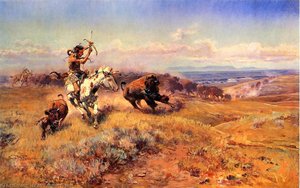
Charles Marion Russell's "Wild Horse Hunters" (1913) isn’t merely a painting; it’s a visceral immersion into the heart of the American frontier. More than just a depiction of cowboys and horses, this work embodies the romanticized vision of the West that captivated a nation – a vision forged from stories of rugged individualism, untamed landscapes, and the enduring spirit of exploration. Russell, deeply influenced by his own years spent as a working cowboy in Montana’s Judith Basin, masterfully captures not just the physical appearance of these figures but also their inherent connection to the land and its wild inhabitants.
The scene unfolds with remarkable immediacy. A small band of cowboys, clad in the practical attire of the era – ties loosely knotted, weathered hats shading their faces – converge upon a herd of wild horses galloping across a vast, ochre-colored plain. The composition is dynamic, propelled by the movement of the horses and the purposeful strides of the riders. Russell’s brushstrokes are loose and expressive, conveying both the urgency of the hunt and the sheer power of nature. Notice how he utilizes broken color to suggest the shimmering heat haze rising from the dry earth, lending a palpable sense of atmosphere to the scene.
The Cowboy Myth and Native American Influence
Russell’s work is inextricably linked to the burgeoning myth of the cowboy – an archetype of self-reliance, bravery, and connection to the land. However, it's crucial to recognize that Russell’s artistic vision wasn’t solely rooted in Western folklore. His extended period living among the Blood Indians profoundly shaped his understanding of Native American culture and instilled a deep respect for their traditions and way of life. This influence is subtly woven into the painting; the cowboys aren’t portrayed as conquering heroes, but rather as participants in a complex relationship with the wild horses – a pursuit that acknowledges both the beauty and the challenge of this untamed landscape.
The inclusion of the dog, a loyal companion to the hunters, further emphasizes this connection. Dogs were invaluable assets to cowboys, assisting in tracking, herding livestock, and guarding against predators. Russell’s depiction of the animal is remarkably detailed, capturing its alertness and eagerness to participate in the hunt. The careful positioning of the figures within the vast expanse of the landscape underscores the scale of the American West – a space both daunting and profoundly beautiful.
Technique and Symbolism: A Masterclass in Western Art
Russell’s technique is characterized by its vibrant color palette, bold brushwork, and masterful use of light. He employed an impasto style, applying thick layers of paint to create a tactile surface that seems to shimmer with life. The painting's composition—a carefully balanced arrangement of figures and elements—draws the viewer into the scene, inviting them to experience the drama and excitement of the hunt firsthand. The use of warm earth tones – ochre, russet, and gold – dominates the palette, reflecting the arid landscape and evoking a sense of warmth and ruggedness.
Symbolically, “Wild Horse Hunters” speaks to themes of freedom, wilderness, and the enduring spirit of the American West. The wild horses themselves represent untamed nature, while the cowboys embody humanity’s struggle to reconcile with this power. The painting serves as a poignant reminder of a time when life was lived closer to the land – a time that continues to resonate deeply within our collective imagination.
A Legacy Enduring: Reproduction and Appreciation
Reproductions of “Wild Horse Hunters” offer a remarkable opportunity to bring this iconic artwork into your home or office. ArtsDot’s meticulous attention to detail ensures that the painting's vibrant colors, dynamic composition, and evocative atmosphere are faithfully reproduced on high-quality canvas. Whether displayed in a rustic lodge, a contemporary living room, or a professional setting, this piece will undoubtedly serve as a captivating conversation starter – a testament to Charles Marion Russell’s enduring legacy as “the cowboy artist.”
Ähnliche Kunstwerke
Über den Künstler
Frühes Leben und Inspiration
Charles Marion Russell, ein renommierter amerikanischer Künstler, hat mit seinen fesselnden Darstellungen des amerikanischen Westens die Kunstwelt nachhaltig geprägt. Geboren am 19. März 1864 in St. Louis, Missouri, war Russells Leben ein Beweis für seine Leidenschaft für Kunst und den Wilden Westen.Künstlerische Karriere und bemerkenswerte Werke
Russells künstlerische Karriere umfasste verschiedene Medien, darunter Malerei und Bronzeskulptur. Seine Arbeiten zeichnen sich durch lebendige Darstellungen von Cowboys, Ureinwohnern (Native Americans) und Landschaften aus, die im Westen der Vereinigten Staaten und in Alberta, Kanada, angesiedelt sind. Zu seinen bemerkenswertesten Werken gehören:- A Bad Hoss (1904) – Ein Paradebeispiel für Russells Fähigkeit, den Geist des amerikanischen Westens einzufangen. (siehe ähnliche Werke bei ArtsDot)
- Battle of Belly River (1905) – Dieses Gemälde zeigt Russells Geschicklichkeit bei der Darstellung dramatischer Szenen mit Präzision und Detailtreue. (entdecken Sie mehr westliche Kunst bei ArtsDot)
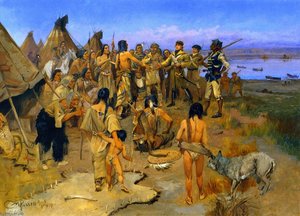
- Lewis and Clark Meeting Indians at Ross' Hole (1916) – Ein bemerkenswertes Wandgemälde, das in den Hauskammern des Montana State Capitol in Helena hängt und Russells historischen Erzählstil demonstriert. (entdecken Sie mehr amerikanische Kunst bei ArtsDot)
Entwicklung und Einflüsse
Russell begann seine künstlerische Laufbahn mit dem Studium der Kunst in St. Louis, brach aber die formale Ausbildung ab, um nach Montana zu ziehen, wo er sich vollständig dem Wilden Westen widmete. Er verbrachte Jahre damit, das Leben der Cowboys, Trapper und Ureinwohner zu beobachten und zu studieren, was seine Kunst maßgeblich beeinflusste. Seine frühen Werke waren oft romantische Darstellungen des Westens, die im Laufe seiner Karriere realistischer und detailgetreuer wurden. Er wurde von Künstlern wie Frederic Remington beeinflusst, entwickelte aber seinen eigenen unverwechselbaren Stil, der sich durch eine akribische Beobachtungsgabe und einen starken Sinn für Humor auszeichnete.Vermächtnis und Sammlungen
Russells Vermächtnis wird in verschiedenen Sammlungen bewahrt:- Das C. M. Russell Museum Complex in Great Falls, Montana, beherbergt über 2.000 Russell-Kunstwerke, persönliche Gegenstände und Artefakte.
- Die Montana Historical Society in Helena, Montana, beherbergt eine bedeutende Sammlung von Russells Werken.
- Das Buffalo Bill Center of the West in Cody, Wyoming, zeigt Russells Kunst und den amerikanischen Westen.
Schlussfolgerung
Charles Marion Russells künstlerisches Vermächtnis fesselt weiterhin das Publikum mit seiner authentischen Darstellung des amerikanischen Westens. Durch seine Werke erleben wir die Essenz einer vergangenen Ära, die für immer in der Welt der Kunst bewahrt ist. Entdecken Sie mehr von Russells Kunst und anderen westlichen Meisterwerken bei ArtsDot.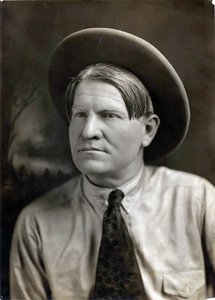
Charles Marion Russell
1864 - 1926 , Vereinigte Staaten von Amerika
Kurzinfos
- Bemerkenswerte Werke:
- A Bad Hoss
- Battle of Belly River
- Lewis and Clark Meeting Indians
- Geburtsdatum: 19. März 1864
- Geburtsort: St. Louis, USA
- Künstlerischer Stil: Westernkunst, Realismus
- Nationalität: Amerikanisch
- Sterbedatum: 1926
- Vollständiger Name: Charles Marion Russell
Ähnliche Artikel
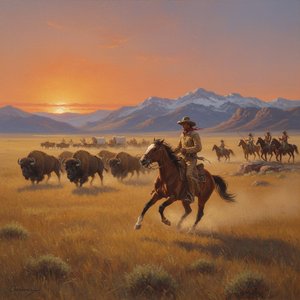
Charles Marion Russell: Der Romantische Chronist des Wilden Westens – Leben, Werk und Vermächtnis eines Cowboy-Künstlers
Entdecken Sie das Leben und Werk von Charles Marion Russell, dem berühmtesten Cowboy-Künstler des amerikanischen Westens. Erfahren Sie mehr über seine ikonischen Gemälde, sein Vermächtnis und wo Sie seine Kunst bewundern können.
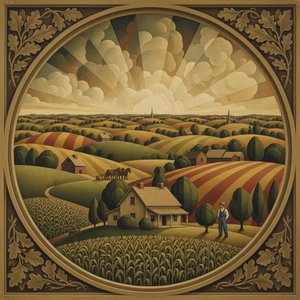
Grant Wood und der amerikanische Regionalismus: Identität, Mythos und die ländliche Landschaft
Entdecken Sie Grant Wood und den amerikanischen Regionalismus! Erfahren Sie mehr über 'American Gothic', Woods Leben, Einflüsse und sein Vermächtnis in der Kunstgeschichte. Expertenwissen & hochwertige Reproduktionen.
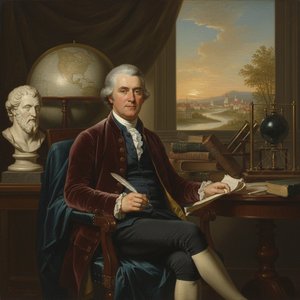
Charles Willson Peale: Porträtmalerei, Aufklärungsideale und die Gestaltung amerikanischer Identität
Entdecken Sie das Leben und Werk von Charles Willson Peale – Porträtmaler, Naturforscher und Begründer des ersten amerikanischen Museums. Erfahren Sie mehr über seine Bedeutung für die Kunstgeschichte der USA und die Ideale der Aufklärung.
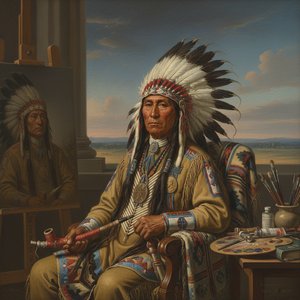
Charles Bird King: Capturing Native American Dignity Through Portraiture & Cultural Exchange
Explore the captivating portraits of Charles Bird King, renowned for his depictions of Native American leaders. Discover the historical context, artistic techniques, and collecting value of these significant 19th-century artworks.
Amerikanischer Realismus: Die 10 Meisterwerke, die eine Ära prägten | ArtsDot
Entdecken Sie die 10 Meisterwerke des Amerikanischen Realismus! Von Edward Hopper bis Winslow Homer – erleben Sie die Geschichten, Techniken & zeitlose Schönheit. Hochwertige Kunstdrucke auf ArtsDot.com.