

 Vorschau anzeigen
 Versenden
 Teilen
 Details anzeigen

 Herunterladen
 Ähnliche Objekte
 Röntgenaufnahme
 Diashow
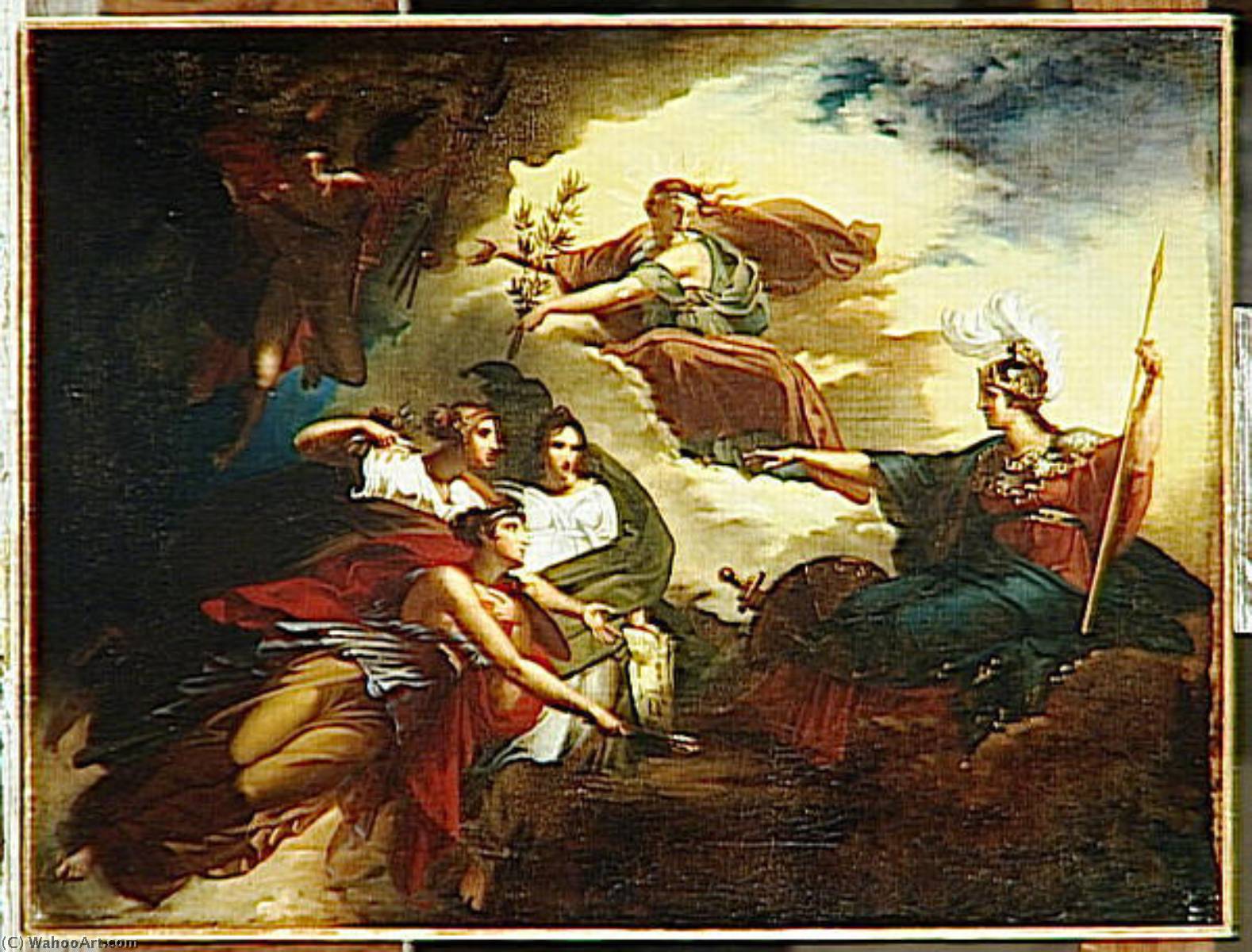
LA FRANCE SOUS LES TRAITS DE MINERVE PROTEGEANT LES ARTS


 Weiterlesen
Erwerben Sie ein hochauflösendes, optimiertes digitales Bild, das der Online-Vorschau weit überlegen ist.
Jede Datei wird von unseren hauseigenen Spezialisten mit modernsten Werkzeugen und fachmännischer manueller Retusche sorgfältig vorbereitet. Wir stellen sicher, dass jedes Bild eine außergewöhnliche Klarheit, präzise Farbgenauigkeit und feinste Details aufweist.
Die endgültige Datei wird innerhalb von 72 Stunden per E-Mail zugestellt und ist für den sofortigen Einsatz in professionellen, redaktionellen und Druckumgebungen optimiert. Es handelt sich um dieselbe Qualität, der führende Designstudios, Verlage und Galerien vertrauen.
Digitales Bild
Laden Sie eine hochauflösende Datei für die persönliche Präsentation, den Druck und kreative Projekte herunter. ( Druck bestellen Handgemalte Reproduktion bestellen)
In jeder Bestellung digitaler Bilder enthalten
Professionelle digitale Bereitstellung, garantiert
Wenn Sie sich für ArtsDot.com entscheiden, erhalten Sie nicht nur ein Bild – Sie erhalten ein professionell aufbereitetes digitales Kunstwerk, das mit höchster Präzision erstellt und durch eine Zufriedenheitsgarantie abgesichert wird. Hier ist alles, was automatisch mit Ihrer Bestellung geliefert wird:

Schnelle E-Mail-Zustellung
Ihre hochauflösende digitale Bilddatei wird Ihnen innerhalb von 72 Stunden nach der Bestellung per E-Mail zugestellt – bereit zur sofortigen Verwendung.

KI-optimierte digitale Datei
Ihre Kunstwerke werden professionell mithilfe fortschrittlicher KI-Tools und manueller Bearbeitung optimiert, um maximale Detailtreue, Klarheit und Farbgenauigkeit zu gewährleisten.

Lebenslanger kostenloser Neudruckservice
Datei versehentlich gelöscht oder verloren? Keine Sorge – wir senden sie Ihnen jederzeit kostenlos erneut zu.

Keine Einfuhrgebühren – jemals
Genießen Sie Ihr Kunstwerk sofort ohne Zollgebühren, Einfuhrabgaben oder Versandkosten – digitale Downloads sind immer steuerfrei.

Garantierte Farbtreue
Wir garantieren, dass Ihr digitales Bild mithilfe professioneller Werkzeuge und Farbmanagement die Originalfarben so präzise wie möglich wiedergibt.

60-Tage-Zufriedenheitsgarantie
Sollten Sie mit Ihrem digitalen Bild nicht zufrieden sein, werden wir es überarbeiten oder Ihnen innerhalb von 60 Tagen 100% erstatten – ohne Wenn und Aber.

100% Geld-zurück-Garantie
Nicht zufrieden? Erhalten Sie innerhalb von 60 Tagen nach Erhalt Ihrer digitalen Datei eine vollständige Rückerstattung – ohne Angabe von Gründen.

Rabatte bei Großbestellungen
3 Bilder kaufen, 10% sparen – 5 Bilder kaufen, 15% sparen – Ab 10 Bildern 20% sparen. Ideal für kreative Projekte, Galerien und Agenturen.
Details zum Sammlerstück
La France Sous Les Traits De Minerve Protégeant Les Arts : Une Symphonie Néoclassique De Sagesse Et Défense
Charles Meynier’s “La France, sous les traits de Minerve protégeant les arts” stands as a testament to the fervor of the Napoleonic era and embodies the ideals of French intellectual leadership. Painted in 1819, this monumental canvas—measuring approximately 3.3 meters by 4.4 meters—dominates its space within the Musée du Louvre’s Denon Wing, specifically Salle 706, offering visitors a glimpse into a pivotal moment in artistic patronage and national identity.
- Subject Matter & Symbolism: The artwork depicts Minerva, Roman goddess of wisdom and strategic warfare—a deliberate allusion to Napoleon Bonaparte himself—protecting a constellation of figures representing the liberal arts. These include painting, sculpture, music, and literature, symbolizing France’s commitment to fostering creativity and intellectual excellence during a period marked by political upheaval and artistic revival following the tumultuous years of the Revolution.
- Composition & Style: Meynier employs a masterful pyramidal composition, anchoring Minerva at its apex and establishing a visual hierarchy that underscores her role as protector. Diagonal lines created by the chariot’s movement and the postures of the figures contribute to dynamism while maintaining balance. The painting adheres strictly to neoclassical principles—characterized by clarity, order, and idealized forms—reflecting the artistic sensibilities prevalent in France under Napoleon.
- Color Palette & Lighting: Dominated by muted hues of blue, grey, ochre, and subtle reds, the palette evokes a sense of solemn grandeur. Dramatic chiaroscuro—the interplay between light and dark—highlights Minerva’s figure and illuminates key elements within the composition, channeling divine illumination and emphasizing the importance of intellect.
- Technique & Materials: Executed in oil paint on canvas, Meynier demonstrates meticulous attention to detail, utilizing smooth brushstrokes to achieve a polished surface. The artist skillfully renders drapery and facial expressions with remarkable realism—a hallmark of neoclassical painting—demonstrating mastery over traditional artistic techniques.
- Historical Context & Significance: Commissioned by Marshal Ney for the Arsenal of Inspruck, this artwork served as a powerful emblem of Napoleon’s vision for France – one rooted in classical ideals and dedicated to safeguarding cultural heritage. Its placement within the Louvre underscores its enduring legacy as an exemplar of neoclassicism and a celebration of artistic achievement during a transformative epoch.
The painting's impact extends beyond its aesthetic qualities; it encapsulates the spirit of French intellectual ambition and serves as a reminder that art—like wisdom—must defend itself against adversity. Viewing “La France, sous les traits de Minerve protégeant les arts” is an invitation to contemplate the enduring power of artistic patronage and the importance of upholding cultural values.
Ähnliche Kunstwerke

Biografie des Künstlers
Early Life and Artistic Foundations
Charles Meynier, a name inextricably linked to the grandeur of Neoclassicism in France, was born on November 24th, 1768, in the heart of Paris. His early life, however, wasn’t destined for the artistic heights he would eventually achieve. Initially, his family envisioned a future for him as a tailor – a practical profession rooted in their modest circumstances. Yet, from a young age, Charles displayed an undeniable passion for drawing and painting, a talent that stubbornly resisted conventional expectations. Recognizing this innate inclination, his elder brother, Etienne Meynier, a successful actor at the Comédie-Française, secured him a place within the atelier of François-André Vincent, a renowned painter and teacher. This pivotal apprenticeship provided Charles with a foundational education in artistic techniques, laying the groundwork for his future success. It was here that he began to hone his skills, absorbing the principles of classical composition and mastering the tools of his trade.Rise to Prominence: Prix de Rome and Academic Recognition
Meynier’s career truly took flight in 1789 when he secured second place at the prestigious Prix de Rome competition. This remarkable achievement not only validated his artistic talent but also opened doors to membership within the Académie de France in Rome – a highly coveted honor that cemented his position as a rising star in the Parisian art world. The Prix de Rome, a contest designed to identify and nurture promising young artists, provided Meynier with invaluable experience and exposure. He spent several years immersed in the artistic traditions of Italy, studying ancient sculpture and architecture, which profoundly influenced his subsequent work. His time in Rome was marked by intense study and experimentation, culminating in a series of masterful paintings that showcased his evolving style. Returning to Paris in 1793, he navigated the tumultuous period of the French Revolution, continuing to produce significant works reflecting both the era’s spirit and his own artistic sensibilities.Notable Works and Commissions: Celebrating Napoleon
Charles Meynier's artistic output during the Napoleonic era is particularly noteworthy. He was commissioned to create numerous paintings that glorified Napoleon Bonaparte and celebrated the triumphs of the French Empire. One of his most iconic works, “Marshal Ney and the Soldiers of the 76th Regiment Retrieving their Flags from the Arsenal of Inspruck” (1808), exemplifies this period. This dramatic scene, depicting a pivotal moment during the Napoleonic campaigns in Germany, is characterized by its dynamic composition, meticulous detail, and powerful sense of movement. Beyond individual paintings, Meynier also contributed significantly to the decoration of public spaces, designing bas-reliefs and sculptures for the Arc de Triomphe du Carrousel in Paris – a monumental structure intended to commemorate Napoleon’s victories. His work on this grand project demonstrated his versatility as an artist and his ability to translate complex historical narratives into visually compelling forms. Other notable commissions included illustrations for decorative elements within the Château de Versailles, further solidifying his reputation as a court painter of considerable skill and influence.Legacy and Artistic Influence
Charles Meynier’s impact on the art world extends far beyond his individual achievements. He served as a mentor to numerous younger artists, including James Pradier, who went on to become a prominent figure in Neoclassical sculpture. Meynier's emphasis on classical ideals, meticulous technique, and dramatic storytelling profoundly influenced subsequent generations of painters. His work continues to be studied and admired for its elegance, clarity, and emotional resonance. Though his life ended on September 6th, 1832, in Paris, Charles Meynier’s artistic legacy endures, a testament to the enduring power of Neoclassicism and the brilliance of one of France's most celebrated painters. His paintings remain treasured possessions within museums and private collections worldwide, offering a glimpse into a pivotal era in French art history.
Charles Meynier
1768 - 1832 , Frankreich
Kurzinfos
- Artistic Movement Or Style: Neoklassizismus
- Artists Or Movements Influenced By This Artist: ['James Pradier']
- Artists Who Influenced This Artist:
- Pierre-Philippe Choffard
- François-André Vincent
- Date Of Birth: 24. November 1768
- Date Of Death: 6. September 1832
- Full Name: Charles Meynier
- Nationality: Französisch
- Notable Artworks:
- Frankreich triumphiert
- Milo von Kroton
- Place Of Birth: Paris, Frankreich

