

 Vorschau anzeigen
 Versenden
 Teilen
 Details anzeigen

 Herunterladen
 Ähnliche Objekte
 Röntgenaufnahme
 Diashow
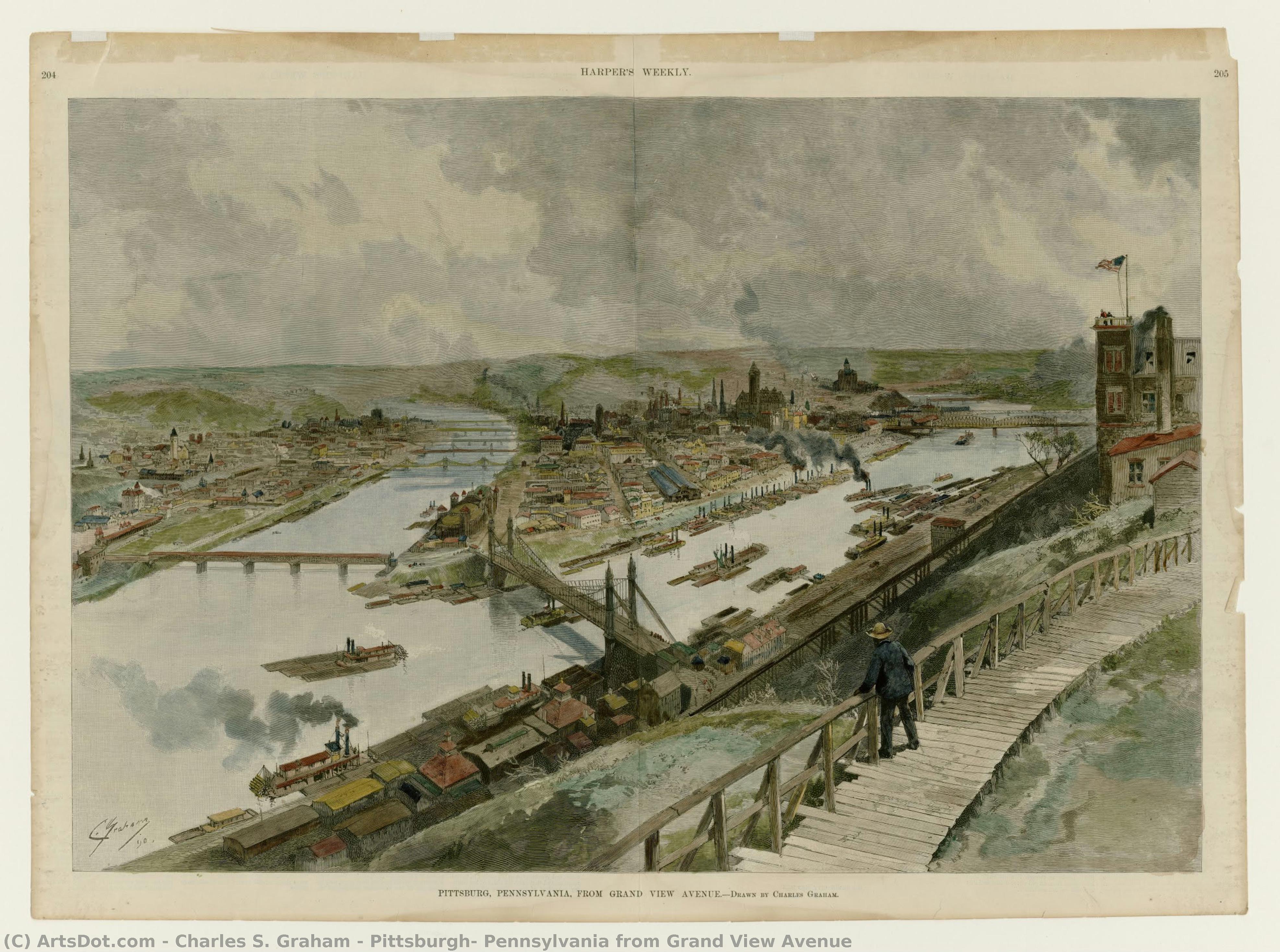
Pittsburgh, Pennsylvania from Grand View Avenue


 Weiterlesen
Giclée / Kunstdruck
Giclée- oder Leinwanddruck in Museumsqualität mit schneller Produktion und flexiblen Veredelungsoptionen. ( Handgemalte Reproduktion bestellen Bild kaufen)




P118B $10

P118H $10

P118W $10

P438Z $10

P508JH $12

P508YH $12

P805H $10

P805Z $10

P919BZ $10

P919G $10

P919XJ $10

P959ZH $10

P968JZ $12

W106C $8

W218G $10

W218JH $8

W218Y $10

W307PJ $10

W316G $10

W316PJ $8

W316Y $10

W398PJ $8

W4111J $10

W500HY $15

W500JH $15

W692G $12

W849H $8

W940BG $15

W953PJ $8




Wählen Sie aus unseren vordefinierten Formaten, die den ursprünglichen Proportionen des Kunstwerks entsprechen.

Sie können Ihre eigenen Maße eingeben, um ein bestimmtes Format oder einen speziellen Platz einzupassen. Wenn das von Ihnen gewählte Format nicht den Proportionen des Originalbildes entspricht, werden wir das Kunstwerk entweder beschneiden oder das Bild mit einem gespiegelten oder einfarbigen Rand erweitern. Ein digitaler Entwurf wird Ihnen zur Genehmigung zugesandt, bevor die Produktion beginnt.
Bitte beachten Sie, dass die Vorschau auf dem Bildschirm nicht den tatsächlichen Zuschnitt oder die Erweiterung widerspiegelt. Nur der Entwurf zeigt die endgültige Komposition präzise an.
Obwohl Sondermaße verfügbar sind, empfehlen wir die Auswahl eines Maßes aus der vordefinierten Liste, um die ursprünglichen Proportionen zu bewahren.
Weltweiter Versand () innerhalb von 2 Wochen statt der üblichen 4/5 Wochen. (24 August)

Kostenloser weltweiter Expressversand

Hochwertige Leinenleinwand

Umfassender Versicherungsschutz beim Versand

Zollgebühren-Rückerstattungsgarantie

Garantie für exakte Farbtreue

60 Tage Rückgaberecht (nur bei Mängeln)

100% Geld-zurück-Garantie

Mengenrabatt verfügbar
 Die Glasoption ist nur für Größen unter 110 cm verfügbar.

Pittsburgh, Pennsylvania from Grand View Avenue
Giclée / Kunstdruck
Format der Reproduktion
-


Gesamtpreis
$ 62
Sammlerstück-Beschreibung
A Window into the Industrial Soul of 1892
In this exquisite vintage engraving by the renowned American artist Charles S. Graham, we are transported back to a pivotal moment in the late 19th century. Titled "Pittsburgh, Pennsylvania from Grand View Avenue," the work offers much more than a mere topographical record; it serves as a breathtaking panoramic window into the heart of an era defined by rapid expansion and industrial triumph. As the viewer’s eye wanders across the scene, they are met with the rhythmic pulse of a city in motion. The composition is anchored by a solitary figure standing upon a wooden bridge, a silent observer perched above the river. This presence provides a profound sense of scale and human connection, inviting us to share in his quiet contemplation of the sprawling landscape below.
The river itself acts as a liquid artery for the city, teeming with the lifeblood of commerce. Steamboats and small tugboats navigate the currents, their silhouettes etched against the water, reminding us of the vital role that riverborne transport played in the growth of the American interior. The banks are lined with the architectural hallmarks of the age—sturdy warehouses, sprawling factories, and residential structures that speak to a burgeoning urban population. In the distance, the skyline is punctuated by the iconic smokestacks of coal-fired industries, casting a veil of progress over the horizon. This interplay between the natural river and the rising industrial monuments creates a narrative of transformation, capturing the very essence of the Industrial Revolution.
Mastery of Line and Historical Texture
Charles S. Graham, an artist whose career spanned from the rugged landscapes of the American West to the grand stages of Chicago’s theaters, brings a unique topographical precision to this piece. Utilizing the intricate medium of engraving, Graham employs a delicate dance of fine lines and cross-hatching to create depth, shadow, and texture. The muted, earthy color palette—dominated by sepia tones and soft greys—imbues the artwork with an unmistakable sense of nostalgia. There is a palpable weight to the paper, where visible creases and signs of age act as a testament to the piece's historical journey through time.
For the discerning collector or interior designer, this reproduction offers a sophisticated layer of historical storytelling. The artwork does not merely decorate a wall; it anchors a room with its profound sense of place and period. Its aesthetic is particularly suited for spaces that celebrate heritage, such as libraries, study halls, or classic executive offices, where the muted tones can harmonize with rich wood finishes and traditional textures. To possess this work is to hold a fragment of Pittsburgh's storied past, making it an evocative centerpiece for any collection dedicated to American history, industrial art, or the timeless beauty of the late 19th-century cityscape.
Ähnliche Kunstwerke
Über den Künstler
Frühes Leben und Werdegang
Charles S. Graham, ein bedeutender amerikanischer Künstler, wurde 1852 in Rock Island, Illinois, geboren. Ohne eine formale künstlerische Ausbildung zu durchlaufen, begann Grahams beruflicher Weg in den 1870er Jahren als Topograf für die Northern Pacific Railway in Idaho und Montana. Diese prägenden Erfahrungen in der unberührten Wildnis dürften seine spätere Arbeit als Bühnenmaler maßgeleblich beeinflusst haben.Die künstlerische Reise
Grahams künstlerischer Pfad nahm eine entscheidende Wendung, als er als Bühnenmaler für das Hooley's Theater in Chicago tätig wurde, gefolgt von Engagements an verschiedenen Theatern in New York City. Im Jahr 1877 trat er der renommierten Verlegergruppe Harper & Brothers bei, wo er den amerikanischen Westen für Harper's Weekly illustrierte. Seine eindrucksvollen Arbeiten führten 1886 zu einer Serie von Artikeln über den „Neuen Süden“ und ermöglichten ihm später als freiberuflicher Illustrator Beiträge für Harper's, The Century Magazine, Collier's und den New York Herald.Künstlerischer Stil und bedeutende Werke
Um die 1890er Jahre wandelte sich Grahams Technik von der Bleistiftzeichnung und Aquarellmalerei hin zur Ölmalerei. Als offizieller Künstler der World's Columbian Exposition in Chicago im Jahr 1893 fand sein Werk eine nationale Bühne und beeindruckte ein breites Publikum.- Bedeutende Werke:
- Die Serie The American West (1877)
- Die Artikel zur New South (1886)
- Ölgemälde aus den 1890er Jahren
- Museen und Sammlungen:
- Die Charles S. Graham Sammlung von ArtsDot
- Archive von Harper & Brothers
Vermächtnis und spätes Leben
Charles Graham verstarb am 9. August 1911 in New York City und hinterließ ein Erbe wegweisender Arbeiten in der amerikanischen Kunst. Seine Beiträge zur Entwicklung der Bühnenmalerei sowie seine Dokumentation des amerikanischen Westens besitzen bis heute eine tiefe historische Bedeutung.- Entdecken Sie mehr von Charles S. Grahams Werk:
- Erkunden Sie weitere amerikanische Künstler:
Charles S. Graham
1852 - 1911 , Vereinigte Staaten von Amerika
Kurzinfos
- Artistic Movement Or Style: Naturalistischer Maler
- Artists Or Movements Influenced By This Artist:
- Anna Ancher
- Michael Ancher
- Artists Who Influenced This Artist:
- Hans Gude
- Frits Thaulow
- Date Of Birth: 1852-08-13
- Date Of Death: 1925-10-16
- Full Name: Christian Krohg
- Nationality: Norwegisch
- Notable Artworks:
- Harem
- The Natural Bridge
- Hafiz at the Fountain
- Place Of Birth: Vestre Aker, Norwegen
Ähnliche Artikel
Die 10 legendärsten Radierungen: Meisterwerke, die Kunstgeschichte schrieben | ArtsDot
Entdecken Sie die 10 legendärsten Radierungen von Dürer, Rembrandt & Goya! Erfahren Sie die Geschichten hinter diesen Meisterwerken der Kunstgeschichte und lassen Sie sich von Druckgrafik inspirieren. Hochwertige Kunstdrucke auf ArtsDot.com – für Ihr Zuhause.
Engraving: A Historical Survey of Technique, Artistic Expression & Enduring Legacy
Explore the rich history of engraving with ArtsDot. Discover techniques, iconic artists like Dürer & Callot, collecting tips, and expert guidance for preserving your art investment. Learn about intaglio printing & more!

Die filigrane Welt des Kupferstichs: Technik, Kunst und bleibendes Erbe
Entdecken Sie die faszinierende Welt des Kupferstichs! Erfahren Sie alles über Technik, Geschichte, Künstler und Sammlungen – mit Expertenwissen von ArtsDot.
Industrielle Ästhetik: 10 Meisterwerke für Ihr Zuhause | ArtsDot
Entdecken Sie 10 Meisterwerke der Industriekunst! Von Expressionismus bis Kubismus – erleben Sie die Ästhetik von Fabriken, Arbeitern & urbanen Landschaften. Hochwertige Reproduktionen auf ArtsDot.com.

Charles Sheeler Jr.: Precisionism, Industrial Aesthetics & the American Modernist Vision
Explore the groundbreaking work of Charles Sheeler Jr., a pivotal figure in American Precisionism. Discover his iconic industrial landscapes, photographic studies & lasting influence on modernist art. Expert insights for collectors.

