

 Vorschau anzeigen
 Versenden
 Teilen
 Details anzeigen

 Herunterladen
 Ähnliche Objekte
 Röntgenaufnahme
 Diashow
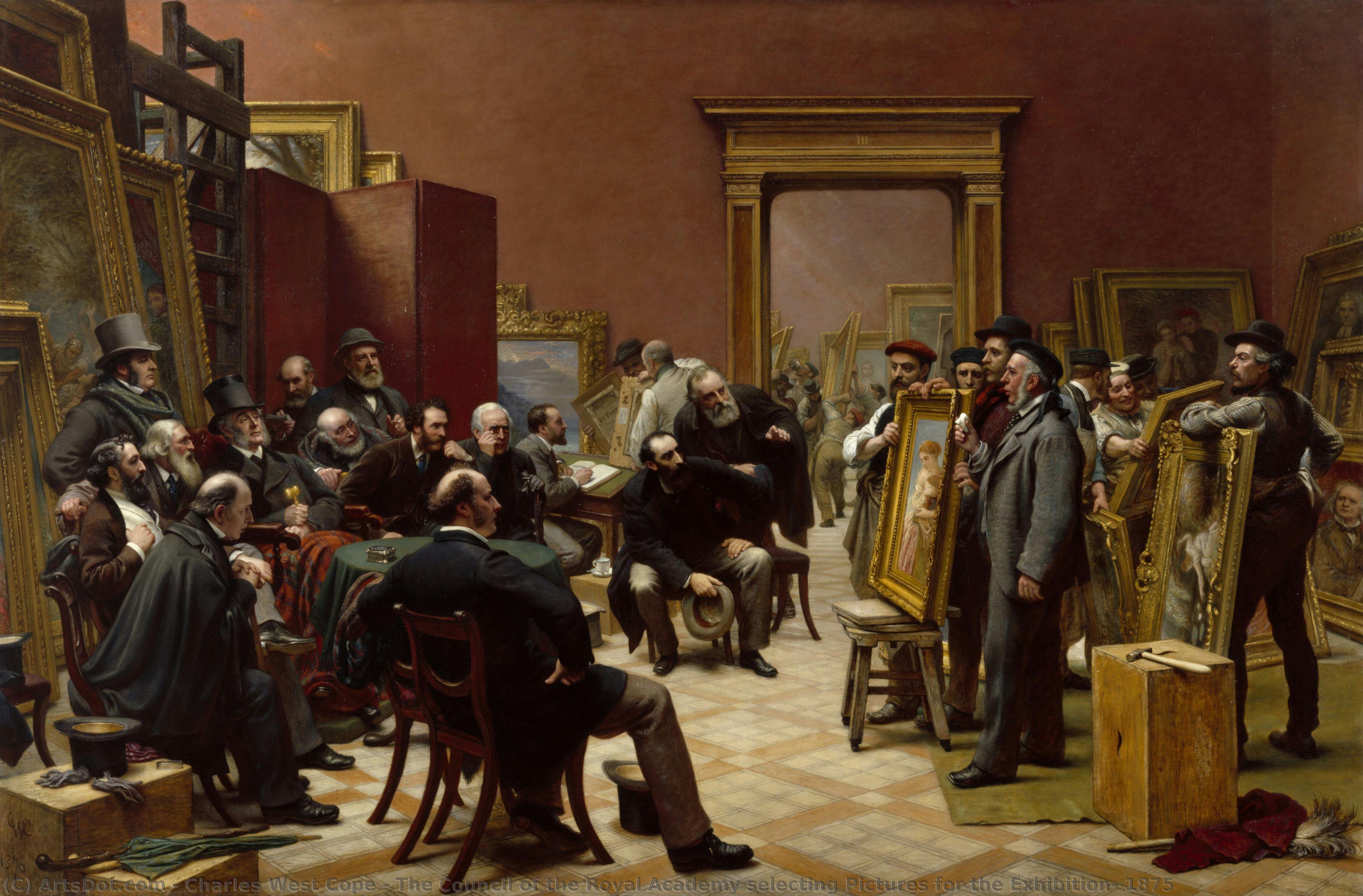
The Council of the Royal Academy selecting Pictures for the Exhibition, 1875


 Weiterlesen
Handgefertigte Ölreproduktion
Handgemaltes Ölgemälde auf Leinwand in Ihrer Wunschgröße und mit Rahmen, auf Bestellung von unseren Künstlern angefertigt. ( Druck bestellen Bild kaufen)




































Wählen Sie aus unseren vordefinierten Formaten, die den ursprünglichen Proportionen des Kunstwerks entsprechen.

Sie können Ihre eigenen Maße eingeben, um einen bestimmten Rahmen oder Platz auszufüllen. Wenn die gewählte Größe nicht den Proportionen des Originalbildes entspricht, werden wir das Kunstwerk entweder beschneiden oder das Gemälde durch zusätzliche, handgemalte Elemente erweitern. Ein digitales Mockup wird Ihnen zur Genehmigung zugesandt, bevor die Produktion beginnt.
Bitte beachten Sie, dass die Bildschirmvorschau nicht die tatsächliche Beschneidung oder Erweiterung widerspiegelt. Nur das Mockup zeigt die endgültige Komposition exakt an.
Obwohl Sondermaße verfügbar sind, empfehlen wir, eine Größe aus der vordefinierten Liste zu wählen, um die ursprünglichen Proportionen beizubehalten.
Nach der Bestellung wird das ArtsDot.com-Team dem Kunden Anweisungen per E-Mail zusenden und eine Mockup-Vorschau bereitstellen.
Weltweiter Versand () in nur 3 bis 4 Wochen statt der üblichen 5 Wochen. (26 August). Keine Kompromisse bei der Qualität.

Kostenloser weltweiter Expressversand

Hochwertige Leinenleinwand

Umfassender Versicherungsschutz beim Versand

Zollgebühren-Rückerstattungsgarantie

Garantie für exakte Farbtreue

60 Tage Rückgaberecht (nur bei Mängeln)

100% Geld-zurück-Garantie

Mengenrabatt verfügbar
 Die Glasoption ist nur für Größen unter 110 cm verfügbar.

The Council of the Royal Academy selecting Pictures for the Exhibition, 1875
Art der Reproduktion
Format der Reproduktion
-


Gesamtpreis
$ 263
Beschreibung des Kunstwerks
A Moment Frozen in Artistic Judgement
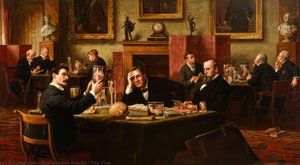
In the grand, hushed halls of art history, few moments capture the weight of institutional legacy as poignantly as Charles West Cope’s The Council of the Royal Academy selecting Pictures for the Exhibition, 1875. This masterful composition serves as a window into a vanished era of Victorian prestige, transporting the viewer directly into the heart of the decision-making process that once dictated the pulse of the British art world. The scene is not merely a gathering; it is a high-stakes drama of intellect and aesthetic scrutiny. As the members of the Royal Academy congregate, we witness the intense, quiet gravity of men tasked with defining excellence. Through Cope’s lens, the viewer becomes an invisible participant in this sacred ritual, feeling the palpable tension that exists when the fate of an artist's career hangs upon a single, discerning glance.
The painting is a triumph of narrative complexity and crowded composition. From right to left, the canvas unfolds like a meticulously choreographed stage play, featuring a constellation of luminaries including J.E. Millais, F. Leighton, and R. Redgrave. Cope utilizes a sophisticated arrangement of figures to guide the eye through the room; some artists lean forward in deep contemplation, while others stand in quiet discussion, their silhouettes overlapping to create a sense of profound depth. The walls themselves are alive with the works being scrutinized—a gallery within a gallery—each piece contributing to the rich, textured atmosphere of the exhibition space. This layering of art within art creates a mesmerizing visual rhythm that rewards the attentive observer.
Technically, Cope demonstrates his unparalleled mastery of genre painting and historical scene construction. His ability to manage such a large-scale group portrait without sacrificing individual character is nothing short of extraordinary. The lighting is particularly evocative, casting soft shadows that define the heavy fabrics of the gentlemen's suits and the gilded edges of the frames, lending a sense of tactile reality to the scene. The palette is rich and academic, utilizing deep tones that evoke the warmth and solemnity of an institutional setting. For the collector or interior designer, this piece offers more than just decoration; it provides a sophisticated focal point that commands attention through its sheer historical density and painterly excellence.
Beyond its surface beauty, the work resonates with a profound emotional and symbolic weight. It represents the intersection of tradition and emerging talent, capturing the very moment where the established guard meets the new wave of creativity. There is a sense of stewardship in the air—a heavy responsibility felt by the Council as they navigate the delicate balance of selecting works that will define the Summer Exhibition. For those seeking to adorn a space with art that inspires conversation and intellectual curiosity, this reproduction offers an unparalleled opportunity to bring the prestige of the 19th-century London art scene into a contemporary setting, serving as a timeless tribute to the enduring power of human judgment and artistic passion.
Ähnliche Kunstwerke
Über den Künstler
Early Life and Training
Charles West Cope, born July 28, 1811, in Leeds, Yorkshire, England, was profoundly shaped by the untimely demise of his father, Charles Cope—a watercolour landscape painter and influential art teacher—in a tragic coach accident in 1827. This event propelled young Cope into Sass’s Academy in Bloomsbury, London, where he honed his artistic skills alongside fellow aspiring artists. Subsequently, he enrolled at the Royal Academy in 1828, establishing a formal foundation for his lifelong pursuit of excellence in painting and etching. His mother, gifted in watercolour herself, instilled within him an appreciation for visual artistry from a young age. Cope’s formative years were marked by both loss and intellectual stimulation—a duality that would permeate his artistic vision throughout his career.Artistic Career
Charles West Cope’s artistic trajectory commenced with “The Golden Age,” exhibited at the Royal Academy in 1833, marking a decisive step toward establishing himself as a respected painter of genre and history scenes. This initial success fueled his ambition and propelled him to spend two formative years immersed in the Italian Renaissance, absorbing inspiration from masters like Titian and Rembrandt—experiences that irrevocably influenced his stylistic sensibilities. He returned to Florence where he spent the winter of 1834 and the spring of 1835. During this period, Cope undertook numerous commissions, culminating in “Paolo and Francesca” (1837) and “Osteria di Campagna” (1838), which garnered immediate acclaim upon their debut at the Royal Academy. These works showcased his ability to capture intimate moments of human emotion and narrative complexity—characteristics that would define much of his oeuvre.Notable Works and Collaborations
Cope’s artistic prowess extended beyond individual paintings; he actively participated in shaping the cultural landscape of Victorian Britain as a founding member of The Etching Club, alongside luminaries like William Holman Hunt and Samuel Palmer. This collaborative endeavor fostered experimentation with printmaking techniques and broadened Cope's artistic horizons. His monumental fresco project for the Houses of Lords—including “Prince Henry acknowledging the authority of Judge Gascoigne” (1844) and “Edward the Black Prince receiving the order of the Garter”—stands as a testament to his ambition and technical mastery, securing his place in British art history. Cope’s dedication to capturing grandeur and conveying historical significance cemented his reputation as one of the era's foremost artists.Painting Frescos for the Houses of Parliament
Perhaps Cope’s most enduring legacy resides in his contribution to the architectural splendor of Westminster—specifically, his frescoes adorning the House of Lords. These ambitious undertakings demanded unparalleled skill and vision, resulting in evocative depictions of pivotal moments in British history: “The Meeting of Joseph and Rachel,” “Speaker Leathall Asserting the Privileges of the House of Commons,” “The Defence of Basing House,” “The Burial of Charles I,” and “The Raising of the Royal Standard.” Cope’s meticulous attention to detail and masterful use of color elevated these artworks into symbols of national identity—a testament to his artistic genius.Key Dates
* July 28, 1811: Born in Leeds, Yorkshire, England * 1827: Father's death; Entry into Sass’s Academy * 1833: First exhibition at the Royal Academy * 1844: Commissioned to paint frescos for the House of Lords * 1866 - 1875: Professor of Painting ## Notable Museums Featuring Charles West Cope's Work His artistic legacy continues to inspire admiration and scholarly study, primarily housed in:- Parliamentary Art Collection (London, United Kingdom)
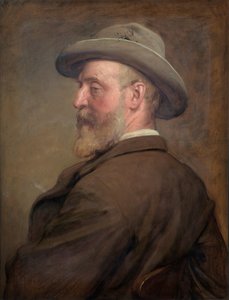
Charles West Cope
1811 - 1890 , Vereinigtes Königreich
Kurzinfos
- Artistic Movement Or Style: Victorian Genre Malerei
- Artists Who Influenced This Artist:
- William Holman Hunt
- Samuel Palmer
- Date Of Birth: 28 Juli 1811
- Date Of Death: 21 August 1890
- Full Name: Charles West Cope
- Nationality: Englisch
- Notable Artworks:
- Edward Der Schwarze Prinz
- Portrait Des Künstlers Tochter
- Florence Cope Gebetend Bei Abendmahl
- Place Of Birth: Leeds, Vereinigtes Königreich
Ähnliche Artikel
James Sant: Capturing Victorian Childhood & the Evolving Landscape of British Genre Painting
Explore the life & art of James Sant (1820-1916), renowned Victorian portraitist to Queen Victoria. Discover his captivating depictions of childhood, landscapes, and aristocratic society. Learn about his legacy & find fine art reproductions.
R.A. Benjamin Williams: Victorian Genre Painting & Social Commentary
Explore the captivating world of Benjamin Williams Leader's Victorian genre paintings. Discover his mastery of naturalism, social commentary & lasting influence on British art. Expert insights at ArtsDot.
Thomas Edwin Mostyn: A Victorian Genre Painter's Journey from Realism to Romantic Enchantment
Discover the captivating world of Thomas Edwin Mostyn (1864-1930), a Victorian artist renowned for his romantic garden scenes and evocative portraits. Explore his artistic journey, legacy & find high-quality reproductions at ArtsDot.
Frederick Goodall: Ein viktorianischer Maler zwischen Ägypten und ländlicher Idylle
Entdecken Sie das Werk von Frederick Goodall (1822-1904), einem Meister der viktorianischen Malerei! Erfahren Sie mehr über seine Reisen nach Ägypten, seinen Orientalismus und seine detailreichen Gemälde. Jetzt bei ArtsDot!
William Powell Frith: Gesellschaftsbilder des Viktorianismus und der Aufstieg des Realismus
Entdecken Sie das Werk von William Powell Frith und die Gesellschaftsbilder des Viktorianismus! Analysen, Biografie & der Aufstieg des Realismus in der englischen Malerei. Jetzt lesen!

