 Vorschau anzeigen
 Versenden
 Teilen
 Details anzeigen

 Herunterladen
 Ähnliche Objekte
 Röntgenaufnahme
 Diashow
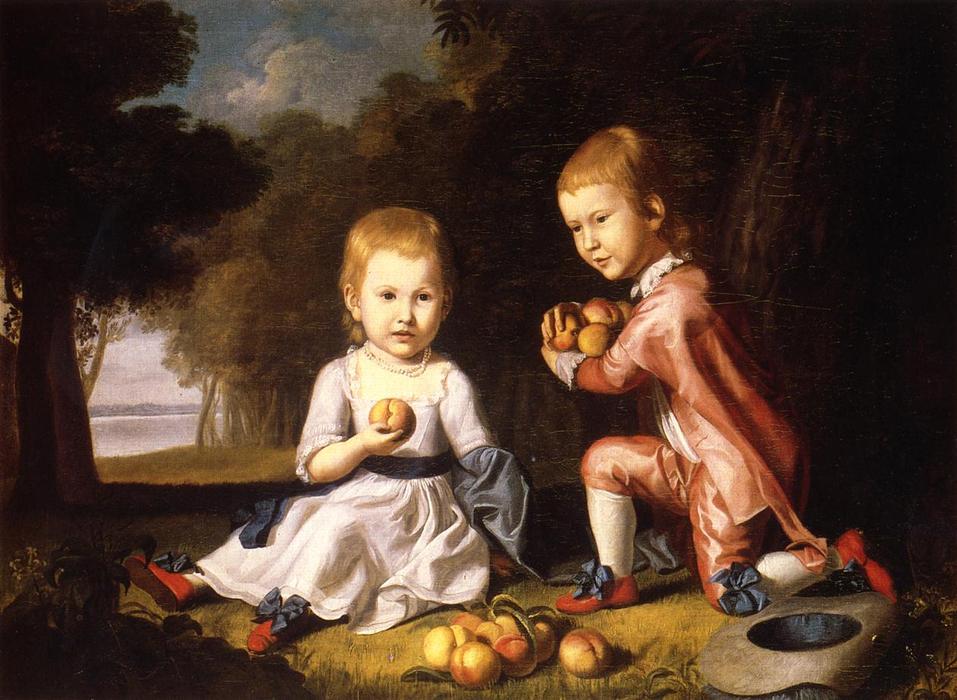
The Stewart Children (also known as Isabella and John Stewart)


 Weiterlesen
Giclée / Kunstdruck
Giclée- oder Leinwanddruck in Museumsqualität mit schneller Produktion und flexiblen Veredelungsoptionen. ( Handgemalte Reproduktion bestellen Bild kaufen)




P118B $10

P118H $10

P118W $10

P438Z $10

P508JH $12

P508YH $12

P805H $10

P805Z $10

P919BZ $10

P919G $10

P919XJ $10

P959ZH $10

P968JZ $12

W106C $8

W218G $10

W218JH $8

W218Y $10

W307PJ $10

W316G $10

W316PJ $8

W316Y $10

W398PJ $8

W4111J $10

W500HY $15

W500JH $15

W692G $12

W849H $8

W940BG $15

W953PJ $8




Wählen Sie aus unseren vordefinierten Formaten, die den ursprünglichen Proportionen des Kunstwerks entsprechen.

Sie können Ihre eigenen Maße eingeben, um ein bestimmtes Format oder einen speziellen Platz einzupassen. Wenn das von Ihnen gewählte Format nicht den Proportionen des Originalbildes entspricht, werden wir das Kunstwerk entweder beschneiden oder das Bild mit einem gespiegelten oder einfarbigen Rand erweitern. Ein digitaler Entwurf wird Ihnen zur Genehmigung zugesandt, bevor die Produktion beginnt.
Bitte beachten Sie, dass die Vorschau auf dem Bildschirm nicht den tatsächlichen Zuschnitt oder die Erweiterung widerspiegelt. Nur der Entwurf zeigt die endgültige Komposition präzise an.
Obwohl Sondermaße verfügbar sind, empfehlen wir die Auswahl eines Maßes aus der vordefinierten Liste, um die ursprünglichen Proportionen zu bewahren.
Weltweiter Versand () innerhalb von 2 Wochen statt der üblichen 4/5 Wochen. (25 August)

Kostenloser weltweiter Expressversand

Hochwertige Leinenleinwand

Umfassender Versicherungsschutz beim Versand

Zollgebühren-Rückerstattungsgarantie

Garantie für exakte Farbtreue

60 Tage Rückgaberecht (nur bei Mängeln)

100% Geld-zurück-Garantie

Mengenrabatt verfügbar
 Die Glasoption ist nur für Größen unter 110 cm verfügbar.

The Stewart Children (also known as Isabella and John Stewart)
Giclée / Kunstdruck
Format der Reproduktion
-


Gesamtpreis
$ 62
Sammlerstück-Beschreibung
The Stewart Children: A Portrait of Innocence and Inheritance
Charles Willson Peale’s “The Stewart Children,” painted in 1773, is more than just a charming depiction of two young children; it's a meticulously crafted tableau brimming with symbolism and reflecting the burgeoning ideals of the American Enlightenment. This oil-on-panel masterpiece, currently residing within the hallowed halls of the Thyssen-Bornemisza Museum in Madrid, offers a captivating glimpse into a pivotal moment in early American history – a time of revolution, nascent nationhood, and the complex interplay between tradition and progress.
Peale’s composition immediately draws the eye. The children, identified as Isabella and John Stewart, are seated on the ground amidst an abundance of nature's bounty: apples and oranges scattered playfully around them. Their postures – Isabella with a gentle hand extended towards a fallen apple, John reaching for another – convey a sense of innocent curiosity and burgeoning awareness. The background is dominated by a grand oak tree, its branches reaching upwards like grasping hands, symbolizing both the strength and longevity of the Stewart lineage, a family deeply intertwined with Scottish history and power.
Technically, Peale demonstrates remarkable skill in capturing the textures and nuances of light and shadow. The delicate folds of the children’s dresses, rendered in soft pink and white respectively, are exquisitely detailed. The artist masterfully employs chiaroscuro – the dramatic contrast between light and dark – to create a sense of depth and volume, lending a three-dimensional quality to the scene. Notice how the sunlight illuminates the children's faces, highlighting their youthful features and suggesting an aura of purity and virtue.
A Portrait of Family and Legacy
The Stewart family held significant influence in Scotland, tracing its roots back to Robert Stewart, 1st Earl of Orkney, a key figure in the Scottish Wars of Independence. The painting’s subject matter—a portrait of two young heirs—resonates with this lineage of power and responsibility. However, Peale subtly shifts the focus from mere dynastic representation. He presents not just noble children, but individuals imbued with an inherent goodness and connection to the natural world.
The inclusion of apples and oranges is laden with symbolic meaning. Apples have long been associated with knowledge, temptation, and the Garden of Eden – representing the potential for both good and evil within humanity. Oranges, introduced to Europe from the East, symbolize wealth, abundance, and exoticism—elements increasingly valued during the Enlightenment era. Their presence suggests a prosperous future for the Stewart children, but also hints at the challenges that lie ahead.
The Artist and His Time
Charles Willson Peale was a pivotal figure in American art history. Born in Maryland in 1741, he initially pursued a career as a saddle maker before discovering his passion for painting. He received training from prominent artists like John Hesselius and, crucially, Benjamin West in London, exposing him to the latest European artistic trends. Peale’s work reflects this diverse influence – blending classical restraint with a distinctly American sensibility.
Peale was not merely a portrait painter; he was also a dedicated scientist and naturalist. He established the Philadelphia Museum of Natural History (later renamed the Academy of Natural Sciences) in 1792, one of the first museums of its kind in America. This commitment to both art and science underscores Peale’s belief in the interconnectedness of knowledge and observation – a core tenet of the Enlightenment.
A Timeless Masterpiece: Reproduction and Beyond
“The Stewart Children” stands as a testament to Peale's artistic skill and his ability to capture the essence of human experience. Its enduring appeal lies in its portrayal of innocence, family, and the promise of a new nation. Today, reproductions of this iconic painting are available through reputable sources like ArtsDot.com, offering art enthusiasts the opportunity to bring this timeless masterpiece into their homes or offices.
Consider how the painting’s composition—the balanced arrangement of figures, the evocative use of light and shadow, and the rich symbolism—can enhance any interior space. Whether displayed in a formal study or a cozy living room, “The Stewart Children” will undoubtedly serve as a captivating focal point, sparking conversation and inspiring contemplation.
Ähnliche Kunstwerke
Über den Künstler
Charles Willson Peale: Ein Leben zwischen Kunst, Wissenschaft und Patriotismus
- Geboren: 15. April 1741, Chester, Queen Anne's County, Maryland
- Gestorben: 22. Februar 1827, Philadelphia, Pennsylvania
Frühes Leben und künstlerische Ausbildung
- Peales frühes Leben war von finanziellen Schwierigkeiten geprägt, nachdem sein Vater gestorben war. Er absolvierte eine Lehre als Sattler, bevor er seine Leidenschaft für die Kunst entdeckte.
- Er erhielt zunächst Unterricht bei John Hesselius und studierte kurzzeitig bei John Singleton Copley, was ein frühes Talent für Porträts zeigte.
- Eine entscheidende Phase seiner Entwicklung war seine Zeit unter Benjamin West in London (1767-1770). Diese Begegnung mit europäischen Kunsttrends beeinflusste seinen Stil maßgeblich.
Künstlerische Karriere und Hauptwerke
- Porträtmalerei: Peale ist vor allem für seine Porträts bedeutender Persönlichkeiten der Amerikanischen Revolution bekannt, darunter zahlreiche Darstellungen von George Washington (insgesamt fast sechzig). Diese Porträts sind wertvolle historische Dokumente neben künstlerischen Leistungen.
- Stil: Sein Stil entwickelte sich im Laufe der Zeit weiter, anfänglich beeinflusst vom neoklassizistischen Ansatz Wests, später wurden jedoch Elemente des Realismus und das Bestreben nach einer genauen Wiedergabe des Likeness integriert.
- Bemerkenswerte Werke:
- George Washington (1772): Markierte den Beginn seiner langjährigen Verbindung zu Washington.
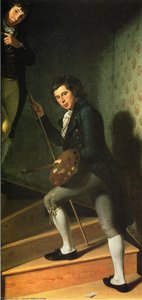
- Die Treppengruppe (ca. 1795): Ein beeindruckendes Beispiel für Trompe-l'oeil, das seine Söhne Raphael und Titian so darstellt, als wären sie Teil der architektonischen Umgebung.
Wissenschaftliche Bestrebungen und Peales American Museum
- Peale war ein leidenschaftlicher Naturforscher und Wissenschaftler und organisierte Expeditionen zur Erforschung der Naturgeschichte.
- Er gründete Peales American Museum in Philadelphia (1784), eines der ersten Museen in den Vereinigten Staaten. Es beherbergte botanische, biologische und archäologische Exponate.
- Das Museum spielte eine wichtige Rolle bei der Popularisierung von Wissenschaft und Bildung in Amerika. Er war besonders bekannt für seine Ausstellungen von Mammutknochen, die er bei einer Expedition im Jahr 1801 erworben hatte.
- Er lehrte sich selbst Taxidermie, um Exponate für das Museum zu konservieren, was seine vielfältigen Fähigkeiten demonstrierte.
Vermächtnis und historische Bedeutung
- Peales Werk überbrückt die Kluft zwischen Kunst und Wissenschaft und spiegelt die Ideale der Aufklärung seiner Zeit wider.
- Seine Porträts liefern unschätzbare visuelle Aufzeichnungen von Schlüsselfiguren in der amerikanischen Geschichte.
- Die Gründung von Peales American Museum war ein bahnbrechender Versuch, das Museum als eine wichtige Institution für Bildung und wissenschaftliche Erforschung zu etablieren.
- Er beeinflusste nachfolgende Generationen von Künstlern und Wissenschaftlern und trug wesentlich zur Entwicklung der amerikanischen Kultur bei.
- Sein Familienvermächtnis setzte sich durch seine Söhne fort, darunter James Peale und Rubens Peale, die ebenfalls talentierte Künstler wurden und zur Sammlung des Museums beitrugen.
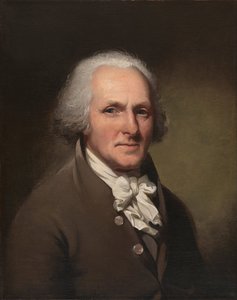
Charles Willson Peale
1741 - 1827 , Vereinigtes Königreich
Kurzinfos
- Beeinflusste Künstler:
- John Hesselius
- John Singleton Copley
- Benjamin West
- Bemerkenswerte Werke:
- Staircase Group
- George Washington Porträts
- Geburtsdatum: 15. April 1741
- Geburtsort: Chester, Vereinigtes Königreich
- Künstlerische Bewegung: Neoklassische Malerei
- Nationalität: Amerikanisch
- Todatum: 22. Februar 1827
- Vollständiger Name: Charles Willson Peale
Ähnliche Artikel
Charles Willson Peale: Porträtmalerei, Aufklärungsideale und die Gestaltung amerikanischer Identität
Entdecken Sie das Leben und Werk von Charles Willson Peale – Porträtmaler, Naturforscher und Begründer des ersten amerikanischen Museums. Erfahren Sie mehr über seine Bedeutung für die Kunstgeschichte der USA und die Ideale der Aufklärung.

The Enduring Legacy of Oil on Canvas: Technique, History & Aesthetic Impact
Explore the rich history & techniques of oil painting – from Renaissance masters to Impressionism. Discover pigments, layering methods, and why this timeless medium endures. Expert insights for artists & art enthusiasts.

Öl auf Leinwand: Eine historische und technische Erkundung eines zeitlosen künstlerischen Mediums
Entdecken Sie die faszinierende Welt der Ölmalerei! Von historischen Techniken bis zur modernen Anwendung – wir bieten Expertenwissen, Restaurierungstipps und hochwertige Reproduktionen. Jetzt informieren!

The Enduring Power of Painting: A Historical & Contemporary Exploration of Form and Emotion
Explore the rich history & enduring techniques of oil painting with ArtsDot. Discover masterpieces, learn about art collecting, and find authentic handmade reproductions crafted by skilled artists.

Titian Ramsay Peale: Präzision und künstlerische Innovation in der frühen amerikanischen botanischen Malerei
Entdecken Sie das Werk von Titian Ramsay Peale, einem Pionier der amerikanischen botanischen Malerei! Erfahren Sie mehr über seine präzisen Illustrationen, die Long-Expedition und seinen Beitrag zur Naturforschung. ArtsDot.