

 Vorschau anzeigen
 Versenden
 Teilen
 Details anzeigen

 Herunterladen
 Ähnliche Objekte
 Röntgenaufnahme
 Diashow
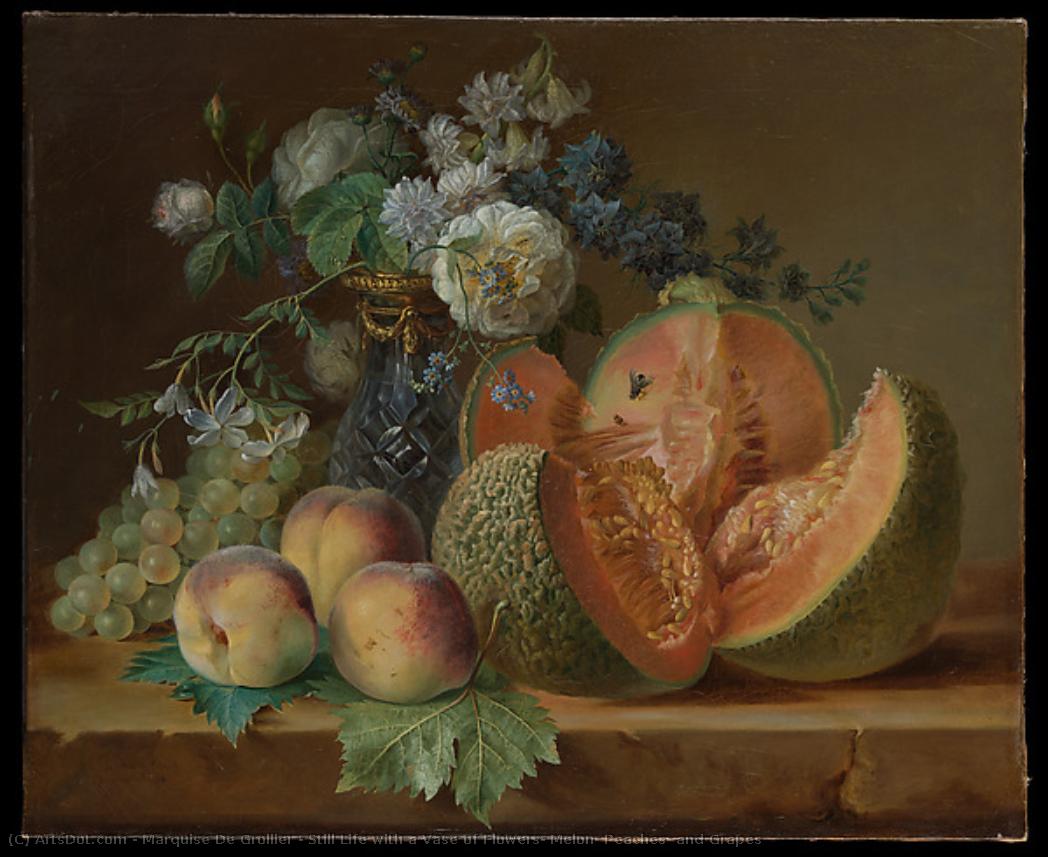
Still Life with a Vase of Flowers, Melon, Peaches, and Grapes
 Oil On Canvas
- WallArt
- 18th-Century Rococo
 1780
1780 46.0 x 56.0 cm
 Metropolitan Museum of Art
 Weiterlesen
Erwerben Sie ein hochauflösendes, optimiertes digitales Bild, das der Online-Vorschau weit überlegen ist.
Jede Datei wird von unseren hauseigenen Spezialisten mit modernsten Werkzeugen und fachmännischer manueller Retusche sorgfältig vorbereitet. Wir stellen sicher, dass jedes Bild eine außergewöhnliche Klarheit, präzise Farbgenauigkeit und feinste Details aufweist.
Die endgültige Datei wird innerhalb von 72 Stunden per E-Mail zugestellt und ist für den sofortigen Einsatz in professionellen, redaktionellen und Druckumgebungen optimiert. Es handelt sich um dieselbe Qualität, der führende Designstudios, Verlage und Galerien vertrauen.
Digitales Bild
Laden Sie eine hochauflösende Datei für die persönliche Präsentation, den Druck und kreative Projekte herunter. ( Druck bestellen Handgemalte Reproduktion bestellen)
In jeder Bestellung digitaler Bilder enthalten
Professionelle digitale Bereitstellung, garantiert
Wenn Sie sich für ArtsDot.com entscheiden, erhalten Sie nicht nur ein Bild – Sie erhalten ein professionell aufbereitetes digitales Kunstwerk, das mit höchster Präzision erstellt und durch eine Zufriedenheitsgarantie abgesichert wird. Hier ist alles, was automatisch mit Ihrer Bestellung geliefert wird:

Schnelle E-Mail-Zustellung
Ihre hochauflösende digitale Bilddatei wird Ihnen innerhalb von 72 Stunden nach der Bestellung per E-Mail zugestellt – bereit zur sofortigen Verwendung.

KI-optimierte digitale Datei
Ihre Kunstwerke werden professionell mithilfe fortschrittlicher KI-Tools und manueller Bearbeitung optimiert, um maximale Detailtreue, Klarheit und Farbgenauigkeit zu gewährleisten.

Lebenslanger kostenloser Neudruckservice
Datei versehentlich gelöscht oder verloren? Keine Sorge – wir senden sie Ihnen jederzeit kostenlos erneut zu.

Keine Einfuhrgebühren – jemals
Genießen Sie Ihr Kunstwerk sofort ohne Zollgebühren, Einfuhrabgaben oder Versandkosten – digitale Downloads sind immer steuerfrei.

Garantierte Farbtreue
Wir garantieren, dass Ihr digitales Bild mithilfe professioneller Werkzeuge und Farbmanagement die Originalfarben so präzise wie möglich wiedergibt.

60-Tage-Zufriedenheitsgarantie
Sollten Sie mit Ihrem digitalen Bild nicht zufrieden sein, werden wir es überarbeiten oder Ihnen innerhalb von 60 Tagen 100% erstatten – ohne Wenn und Aber.

100% Geld-zurück-Garantie
Nicht zufrieden? Erhalten Sie innerhalb von 60 Tagen nach Erhalt Ihrer digitalen Datei eine vollständige Rückerstattung – ohne Angabe von Gründen.

Rabatte bei Großbestellungen
3 Bilder kaufen, 10% sparen – 5 Bilder kaufen, 15% sparen – Ab 10 Bildern 20% sparen. Ideal für kreative Projekte, Galerien und Agenturen.
A Symphony of Summer’s Bounty: Deconstructing “Still Life with a Vase of Flowers, Melon, Peaches, and Grapes”
The painting before you – “Still Life with a Vase of Flowers, Melon, Peaches, and Grapes” by Charlotte Eustache Sophie de Fuligny-Damas – isn't merely a depiction of fruit and flora; it’s a carefully orchestrated tableau of light, color, and the fleeting beauty of the late summer season. Painted in 1780, during the height of the Rococo era in France, this work offers a glimpse into the refined world of a noblewoman’s artistic pursuits – a realm where leisure and aesthetic appreciation were paramount. De Grollier, as she was known, wasn't seeking fame or fortune through exhibition; instead, she cultivated an intimate circle of artists and intellectuals, finding joy in meticulous copying and quiet observation, skills honed under the tutelage of the esteemed Gérard van Spaendonck. The painting itself is a testament to this dedication, a remarkably precise study of form and texture that transcends simple representation. Notice how Van Spaendonck’s influence—particularly his emphasis on light and shadow—is subtly woven into De Grollier's technique, creating an almost palpable sense of volume and depth within the still life arrangement.- The Composition: The arrangement is deliberately balanced, yet brimming with a delightful sense of abundance. The vase, overflowing with delicate pink roses and smaller blooms, anchors the scene, drawing the eye upwards while the fruits and vegetables cascade downwards in a vibrant display.
- Color Palette: De Grollier masterfully employs a restrained but luminous color palette. The dominant tones are muted greens, yellows, and reds – colors evocative of ripening fruit and verdant foliage. The subtle variations within each hue—the blush of the peaches, the deep orange of the melon, the delicate pinks of the roses—demonstrate her keen eye for detail and her ability to capture the nuances of light on different surfaces.
- Van Spaendonck’s Influence: The painting is a direct copy of one of Van Spaendonck's works, showcasing De Grollier's commitment to learning and replicating his style. This isn't simply imitation; it’s an exercise in understanding the principles of light, composition, and color that defined his approach.
The Language of Still Life: Symbolism and Social Context
Still life paintings during the 18th century were far more than decorative exercises; they were laden with symbolic meaning. The fruits and vegetables depicted weren’t chosen at random. Melon, for instance, represented wealth and prosperity – a common motif in aristocratic interiors. Peaches symbolized longevity and good fortune, while grapes alluded to abundance and celebration. The inclusion of roses, particularly the delicate pink variety, speaks to beauty, love, and the ephemeral nature of pleasure. The arrangement as a whole can be interpreted as an ode to the bounty of the harvest and a subtle commentary on the comforts and privileges enjoyed by the French aristocracy. It’s important to remember that De Grollier's world was one of carefully constructed appearances; this painting, while seemingly simple, reflects the values and aesthetic sensibilities of her social class – a celebration of beauty, refinement, and the pleasures of domestic life. Historical Context:** The Rococo period (roughly 1730-1780) favored lightheartedness, elegance, and an emphasis on sensual pleasure. Still life paintings were particularly popular during this time, offering a respite from the more formal and imposing styles of previous eras. De Grollier’s work perfectly embodies these characteristics, showcasing her artistic skill while reflecting the prevailing tastes of her time.*Technique: A Masterful Blend of Observation and Skill
De Grollier's technique is characterized by its meticulous detail and remarkable realism. She employed a smooth, blended brushstroke to create a sense of luminous softness, particularly in the depiction of the fruits and flowers. The subtle variations in tone—the highlights on the melon’s surface, the shadows beneath the peaches—are rendered with astonishing precision. The artist's attention to texture is equally impressive; you can almost feel the velvety skin of the peaches, the delicate petals of the roses, and the smooth curves of the melon. The painting demonstrates a deep understanding of how light interacts with different surfaces, creating a sense of three-dimensionality that draws the viewer into the scene. The use of oil paints allowed for layering and blending, building up complex colors and textures with remarkable control. Note the careful rendering of reflected light on the melon’s surface – a testament to her observational skills and mastery of chiaroscuro.Bringing “Still Life” into Your Space: Reproduction and Interpretation
Today, this painting offers more than just a visual delight; it provides a window into the world of 18th-century French art and aristocratic life. High-quality reproductions capture much of the original’s subtle beauty and nuanced detail. When selecting a reproduction, consider the medium – oil on canvas prints offer the most authentic representation of the painting's texture and color depth. The piece would complement a variety of interior styles, from classic French to contemporary spaces seeking a touch of elegance and historical charm. Ultimately, “Still Life with a Vase of Flowers, Melon, Peaches, and Grapes” is a reminder of the enduring power of art to capture beauty, evoke emotion, and transport us to another time and place—a timeless celebration of summer’s bounty and the pleasures of refined living.*Ähnliche Kunstwerke
Biografie des Künstlers
Charlotte Eustache Sophie de Fuligny-Damas – Eine Künstlerin von außergewöhnlicher Sensibilität
Die Marquise de Grollier, wie Charlotte Eustache Sophie de Fuligny-Damas häufig genannt wurde (geboren Dezember 21, 1741 in Paris; gestorben September 13, 1828 in Épinay-sur-Seine), gilt als eine der bedeutendsten französischen Blumenmalerinnen ihrer Zeit und hinterließ einen nachhaltigen Eindruck auf die Kunstwelt. Ihre Geschichte erzählt von außergewöhnlicher künstlerischer Begabung und einer Lebensweise, die sich gegen gesellschaftliche Konventionen stellte – ein außergewöhnliches Beispiel für eine Frau im frühen 18. Jahrhundert.Frühe Jahre und Ausbildung
Charlotte Eustache Sophie de Fuligny-Damas wurde als Tochter von Henry Anne de Fuligny-Damas, Comte de Rochechouart, Baron de Couches, Marigny-sur-Ouche, Aubigny, Agey und Saint-Péreuse geboren. Bereits im Alter von drei Jahren verlor ihr Vater sein Leben und sie fand sich unter der Fürsorge der Kanonessen des Remiremont Kloster wieder, wo sie eine umfassende klassische Bildung erhielt. Ihre natürliche Affinität zum Zeichnen führte zu Unterricht bei renommierten Künstlern Jean-Baptiste Greuze und Gérard van Spaendonck. Diese frühe Förderung prägte ihren künstlerischen Weg maßgeblich und ermöglichte ihr Zugang zu den höchsten künstlerischen Ansprüchen ihrer Zeit.Künstlerische Karriere und herausragende Werke
Bereits im Jahr 1760 heiratete sie Pierre Louis de Grollier, Marquis de Grollier und Treffort, mit dem sie drei Kinder hatte, bevor sich das Paar schließlich trennte. Ihre Tätigkeit am französischen Hof in Versailles, insbesondere ihre Freundschaft mit der Porträtistin Elisabeth Vigée Le Brun, beeinflusste ihre künstlerische Entwicklung erheblich. Besonders beeindruckend ist ihr Gemälde "Baum des Lebens", das eine außergewöhnliche Fähigkeit zur Darstellung der Natur zeigt und bis heute einen hohen Stellenwert innerhalb der Kunstgeschichte genießt. Auch ihre Mosaike demonstrieren ihre Vielseitigkeit als Künstlerin und repräsentieren ein einzigartiges Beispiel für die künstlerische Praxis ihrer Zeit. Diese Werke sind besonders bekannt für ihre präzise Beobachtungsgabe und ihre technische Raffinesse, was ihnen eine besondere Schönheit verleiht.Ein Einflussreiche Persönlichkeit
Charlotte Eustache Sophie de Fuligny-Damas lebte einen Leben voller sozialer Aktivitäten und kultureller Interessen. Ihre Unterstützung für wohltätige Projekte, insbesondere die Gründung eines Artesienbrunnen im Schlosspark von Épinay-sur-Seine, wurde durch ihre Mitgliedschaft im Société d'horticulture gewürdigt – ein außergewöhnliches Beispiel für eine Frau, die sich aktiv für das Wohl ihrer Gemeinschaft einsetzte und gleichzeitig ihren künstlerischen Talenten verpflichtet blieb. Ihr Tod im Jahr 1828 prägte den Kunstgeschichte und wird bis heute als eine der bedeutendsten Blumenmalerinnen des frühen 19. Jahrhunderts erinnert. Ihre Werke werden weiterhin intensiv studiert und gefeiert und tragen dazu bei, das Bild einer Frau im künstlerischen Leben ihrer Zeit zu erweitern und zu bereichern. ## Weitere Informationen Weitere Informationen über Charlotte Eustache Sophie de Fuligny-Damas finden Sie auf Wikipedia: https://en.wikipedia.org/wiki/Charlotte_Eustace_Sophie_de_Fuligny-Damas Und entdecken Sie ihre außergewöhnliche Kunst auf ArtsDot: https://ArtsDot.com/@/charlotte-eustache-sophie-de-fuligny-damas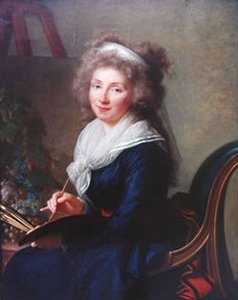
Charlotte Eustache Sophie De Fuligny-Damas
1741 - 1828 , Frankreich
Kurzinfos
- Artistic Movement Or Style: Rokoko
- Artists Or Movements Influenced By This Artist: ['Elisabeth Vigée Le Brun']
- Artists Who Influenced This Artist:
- Jean-Baptiste Greuze
- Gérard van Spaendonck
- Date Of Birth: 21 Dezember 1741
- Date Of Death: 13 September 1828
- Full Name: Charlotte Eustache Sophie de Fuligny-Damas
- Nationality: Französisch
- Notable Artworks:
- Baum des Lebens
- Mosaike
- Place Of Birth: Paris, Frankreich

