

 Vorschau anzeigen
 Versenden
 Teilen
 Details anzeigen

 Herunterladen
 Ähnliche Objekte
 Röntgenaufnahme
 Diashow
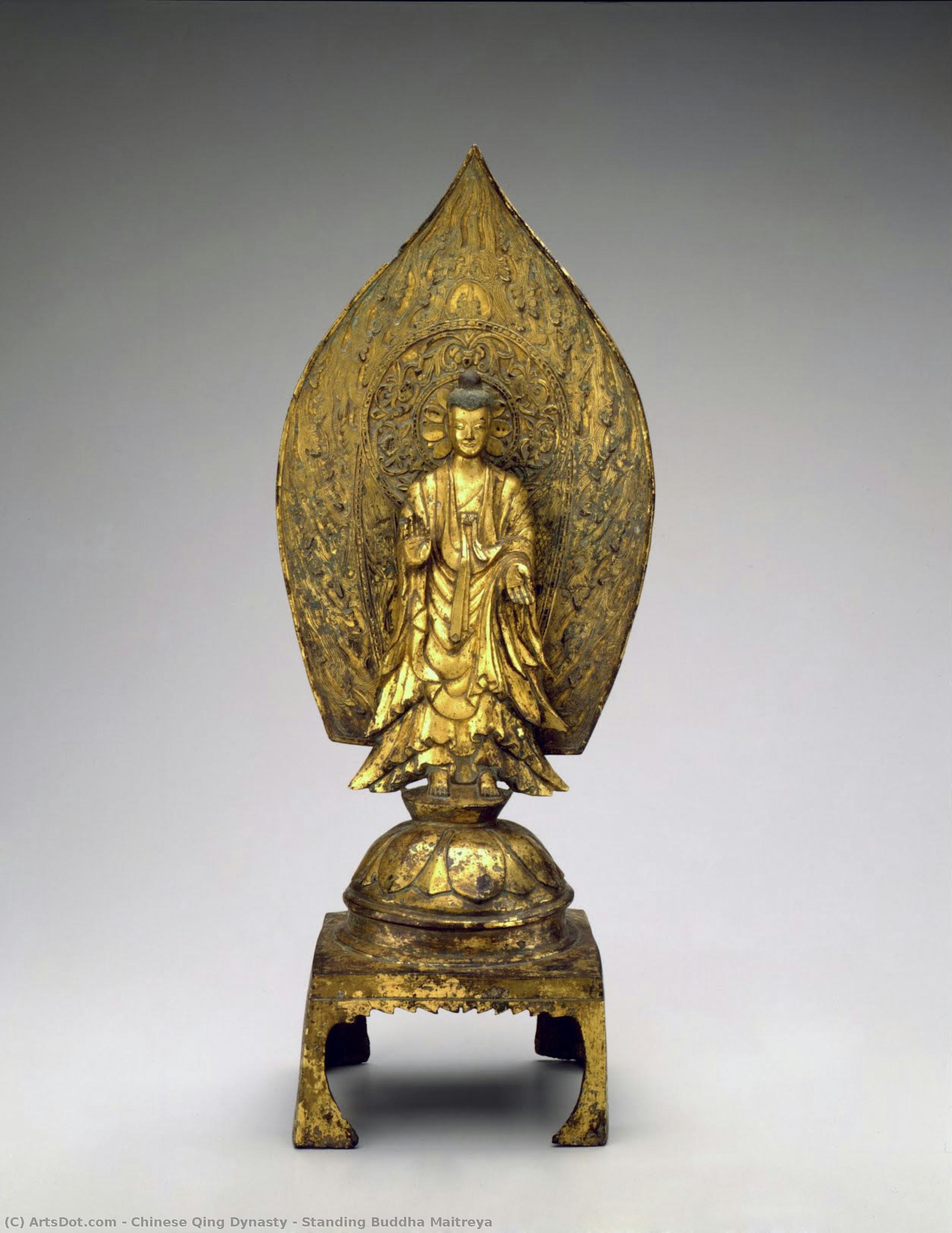
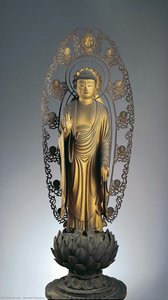
Standing Buddha Maitreya

 Weiterlesen
Handgefertigte Ölreproduktion
Handgemaltes Ölgemälde auf Leinwand in Ihrer Wunschgröße und mit Rahmen, auf Bestellung von unseren Künstlern angefertigt. ( Druck bestellen Bild kaufen)




































Wählen Sie aus unseren vordefinierten Formaten, die den ursprünglichen Proportionen des Kunstwerks entsprechen.

Sie können Ihre eigenen Maße eingeben, um einen bestimmten Rahmen oder Platz auszufüllen. Wenn die gewählte Größe nicht den Proportionen des Originalbildes entspricht, werden wir das Kunstwerk entweder beschneiden oder das Gemälde durch zusätzliche, handgemalte Elemente erweitern. Ein digitales Mockup wird Ihnen zur Genehmigung zugesandt, bevor die Produktion beginnt.
Bitte beachten Sie, dass die Bildschirmvorschau nicht die tatsächliche Beschneidung oder Erweiterung widerspiegelt. Nur das Mockup zeigt die endgültige Komposition exakt an.
Obwohl Sondermaße verfügbar sind, empfehlen wir, eine Größe aus der vordefinierten Liste zu wählen, um die ursprünglichen Proportionen beizubehalten.
Nach der Bestellung wird das ArtsDot.com-Team dem Kunden Anweisungen per E-Mail zusenden und eine Mockup-Vorschau bereitstellen.
Weltweiter Versand () in nur 3 bis 4 Wochen statt der üblichen 5 Wochen. (3 September). Keine Kompromisse bei der Qualität.

Kostenloser weltweiter Expressversand

Hochwertige Leinenleinwand

Umfassender Versicherungsschutz beim Versand

Zollgebühren-Rückerstattungsgarantie

Garantie für exakte Farbtreue

60 Tage Rückgaberecht (nur bei Mängeln)

100% Geld-zurück-Garantie

Mengenrabatt verfügbar
 Die Glasoption ist nur für Größen unter 110 cm verfügbar.

Standing Buddha Maitreya
Art der Reproduktion
Format der Reproduktion
-


Gesamtpreis
$ 263
Ähnliche Kunstwerke




Über den Künstler
The Enduring Majesty of the Qing Dynasty: A Legacy in Porcelain and Painting
The Qing dynasty, a name synonymous with imperial grandeur and artistic flourishing, reigned over China from 1644 to 1912. More than just a political entity, it represented a complex synthesis of Manchu ambition, Chinese tradition, and an unprecedented period of cultural production. At its heart lay a profound transformation – the establishment of a new dynasty by a foreign people, the Manchus, who nonetheless embraced and adapted much of China’s rich artistic heritage. This era witnessed not only territorial expansion but also a remarkable blossoming in porcelain production, painting styles, and decorative arts, leaving behind a legacy that continues to captivate art lovers worldwide.
The origins of the Qing dynasty are rooted in the late 17th century, when Nurhaci, a chieftain of the Jurchen people (later known as Manchus), united disparate tribes in Northeast China. Recognizing the vulnerability of his realm and inspired by the Ming dynasty’s success, he established the Later Jin dynasty in 1616, laying the foundation for what would become the Qing. Hong Taiji, Nurhaci's son, renamed the dynasty “Great Qing” in 1636 and formally declared himself emperor, marking a pivotal moment in Chinese history. The conquest of China proper followed swiftly, culminating in Beijing’s capture in 1644, effectively ending the Ming dynasty and ushering in a new era under Manchu rule.
The Rise of Imperial Porcelain: Innovation and Artistic Refinement
Perhaps the most enduring symbol of the Qing dynasty is its porcelain. Following the collapse of the Ming dynasty’s porcelain industry, the Manchus recognized the economic and cultural significance of this art form and actively promoted its development. Initially, they relied on existing kilns in Jingdezhen, the established center for porcelain production, but soon began to establish their own imperial workshops, introducing new techniques and styles. The Kangxi Emperor (1661-1722), renowned for his patronage of the arts, played a particularly crucial role in elevating Qing porcelain to unprecedented heights.
During this period, a remarkable diversity of forms and glazes emerged. The “famille verte” style, characterized by vibrant green enamels, gained prominence, alongside “famille rose,” known for its delicate pink hues. Innovations like the “cloisonné” technique – intricate enamel work within raised metal outlines – were perfected. The Qianlong Emperor (1735-1796) further refined these styles and introduced new colors, including cobalt blue, which became a hallmark of Qing porcelain. The production wasn’t limited to China; European demand fueled the export trade, leading to the creation of exquisite pieces for international markets, often incorporating Western motifs and designs.
Literati Painting: A Reflection of Confucian Values
Alongside the dazzling achievements in porcelain, the Qing dynasty witnessed a flourishing of literati painting – a distinctive style of Chinese art that emphasized personal expression, philosophical contemplation, and the appreciation of nature. Literati paintings were typically created by scholar-officials (文人), who used them as a means of self-expression and to cultivate their moral character. These paintings often featured landscapes, birds, flowers, and calligraphy, reflecting Confucian ideals of harmony, simplicity, and introspection.
Pu Xinyu (1648–1720), a prominent figure in the late Qing period, exemplified this artistic tradition. His works, such as “Puru,” are renowned for their emotional depth and subtle brushwork. The paintings often conveyed a sense of melancholy and longing, reflecting the scholar-official’s detachment from worldly affairs and his pursuit of spiritual enlightenment. The influence of literati painting extended beyond individual artists; it shaped the aesthetic sensibilities of the Qing court and influenced subsequent generations of painters.
Legacy and Historical Significance
The Qing dynasty's artistic legacy is vast and multifaceted. Its porcelain production set new standards for quality, innovation, and beauty, influencing ceramic traditions worldwide. The development of literati painting provided a unique window into the intellectual and cultural life of the era, revealing the values and aspirations of China’s elite. Moreover, the Qing dynasty's patronage fostered a climate of artistic experimentation and creativity, contributing to a golden age of Chinese art.
Despite its eventual decline and overthrow in 1912, the Qing dynasty remains an essential chapter in Chinese history. Its achievements in art, culture, and governance continue to be studied and celebrated today, reminding us of the enduring power of human creativity and the complexities of cultural exchange. The exquisite porcelain and evocative paintings produced during this period stand as testaments to the dynasty’s remarkable legacy – a vibrant tapestry woven from both tradition and innovation.
chinese qing dynasty
1644 - 1912 , China
Kurzinfos
- Artistic Movement Or Style: Imperial Chinese art
- Artists Or Movements Influenced By This Artist:
- Later Jin dynasty
- Qing Dynasty art
- Artists Who Influenced This Artist:
- Ming Dynasty artists
- European Jesuit artists
- Date Of Birth: 1644
- Date Of Death: 1912
- Full Name: Chinese Qing Dynasty
- Nationality: Manchu
- Notable Artworks:
- Ximen Asks the Taoist
- Standing Buddha Maitreya
- Hexagonal Bowl
- Place Of Birth: Shenyang, China

