

 Vorschau anzeigen
 Versenden
 Teilen
 Details anzeigen

 Herunterladen
 Ähnliche Objekte
 Röntgenaufnahme
 Diashow
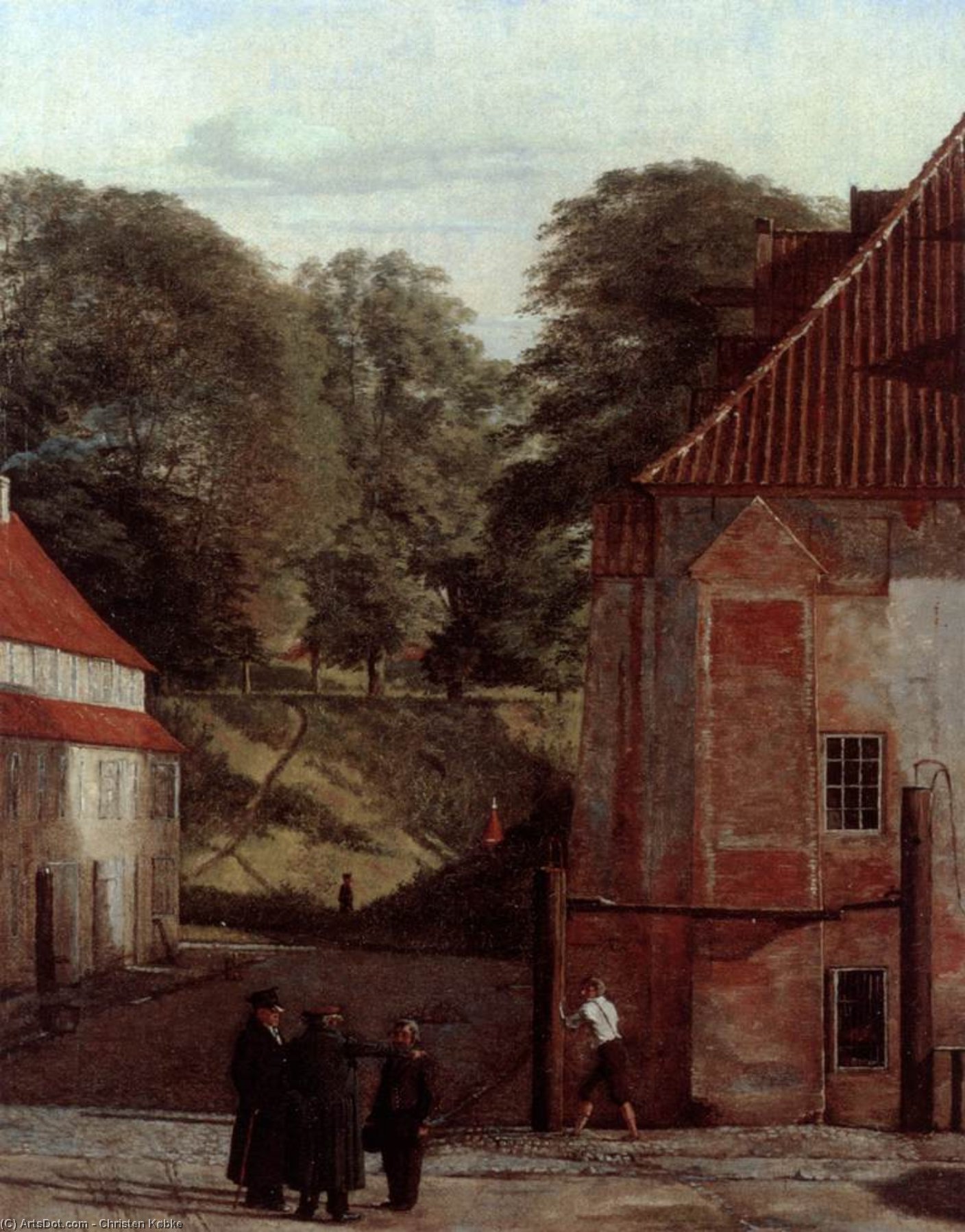
A View of the Square in the Kastel Looking Towards the Ramparts
 Oil On Canvas
- WallArt
- National Romanticism
 1830
1830 30.0 x 23.0 cm
 National Gallery of Scotland
 Weiterlesen
Handgefertigte Ölreproduktion
Handgemaltes Ölgemälde auf Leinwand in Ihrer Wunschgröße und mit Rahmen, auf Bestellung von unseren Künstlern angefertigt. ( Druck bestellen Bild kaufen)




P118B $10

P118H $10

P118W $10

P438Z $10

P508JH $12

P508YH $12

P805H $10

P805Z $10

P919BZ $10

P919G $10

P919XJ $10

P959ZH $10

P968JZ $12

W106C $8

W218G $10

W218JH $8

W218Y $10

W307PJ $10

W316G $10

W316PJ $8

W316Y $10

W398PJ $8

W4111J $10

W500HY $15

W500JH $15

W692G $12

W849H $8

W940BG $15

W953PJ $8




Wählen Sie aus unseren vordefinierten Formaten, die den ursprünglichen Proportionen des Kunstwerks entsprechen.

Sie können Ihre eigenen Maße eingeben, um einen bestimmten Rahmen oder Platz auszufüllen. Wenn die gewählte Größe nicht den Proportionen des Originalbildes entspricht, werden wir das Kunstwerk entweder beschneiden oder das Gemälde durch zusätzliche, handgemalte Elemente erweitern. Ein digitales Mockup wird Ihnen zur Genehmigung zugesandt, bevor die Produktion beginnt.
Bitte beachten Sie, dass die Bildschirmvorschau nicht die tatsächliche Beschneidung oder Erweiterung widerspiegelt. Nur das Mockup zeigt die endgültige Komposition exakt an.
Obwohl Sondermaße verfügbar sind, empfehlen wir, eine Größe aus der vordefinierten Liste zu wählen, um die ursprünglichen Proportionen beizubehalten.
Nach der Bestellung wird das ArtsDot.com-Team dem Kunden Anweisungen per E-Mail zusenden und eine Mockup-Vorschau bereitstellen.
Weltweiter Versand () in nur 3 bis 4 Wochen statt der üblichen 5 Wochen. (29 August). Keine Kompromisse bei der Qualität.

Kostenloser weltweiter Expressversand

Hochwertige Leinenleinwand

Umfassender Versicherungsschutz beim Versand

Zollgebühren-Rückerstattungsgarantie

Garantie für exakte Farbtreue

60 Tage Rückgaberecht (nur bei Mängeln)

100% Geld-zurück-Garantie

Mengenrabatt verfügbar
 Die Glasoption ist nur für Größen unter 110 cm verfügbar.

A View of the Square in the Kastel Looking Towards the Ramparts
Art der Reproduktion
Format der Reproduktion
-


Gesamtpreis
$ 263
The Painter’s Gaze: Christen Købke and the Everyday Made Extraordinary
Christen Købke's “A View of the Square in the Kastel Looking Towards the Ramparts” isn’t merely a depiction of a Copenhagen scene; it’s a carefully constructed window into a specific moment, a fleeting tableau of life within the fortified heart of the city. Painted around 1830, this work exemplifies Købke's signature style – a masterful blend of meticulous observation and subtle emotional resonance. It captures not just what was *seen*, but also the atmosphere, the quiet dignity of ordinary people engaged in their daily routines, all framed against the imposing backdrop of the Kastel, a medieval fortress that once served as a formidable prison.
The scene unfolds with a remarkable clarity. Five figures dominate the foreground – a baker, identified as Købke’s father, stands proudly beside his establishment; a gentleman in formal attire gestures towards the building; and two others, likely servants or visitors, observe the activity. A striking detail is the presence of a horse near the center, adding an element of rustic charm to the urban setting. The composition isn't overly dramatic; Købke eschews grand gestures for a balanced arrangement that invites the viewer into this intimate slice of Copenhagen life. The red-roofed building, a prominent feature, anchors the scene and provides a visual counterpoint to the muted tones of the figures and the surrounding architecture.
A Master of Light and Atmosphere: Købke’s Technique
Købke's skill lies not just in his ability to render detail with precision but also in his manipulation of light and atmosphere. He employs a delicate layering of paint, creating subtle gradations of color that evoke the soft glow of late afternoon sunlight. Notice how he captures the play of light on the buildings’ surfaces, imbuing them with a sense of warmth and solidity. The artist's use of *sfumato*, a technique borrowed from Renaissance masters, softens edges and blurs details, contributing to the painting’s overall feeling of realism while simultaneously conveying an impressionistic quality. The brushstrokes are generally small and controlled, reflecting Købke’s commitment to accuracy and his desire to capture the nuances of everyday life.
The choice of medium – oil on canvas – further enhances the work's richness and luminosity. The slow drying time of oil paint allowed Købke to build up layers of color gradually, achieving a remarkable level of depth and texture. He was known for his ability to capture the fleeting effects of light and shadow, transforming ordinary scenes into moments of captivating beauty.
Echoes of History: Contextualizing the Scene
To fully appreciate “A View of the Square in the Kastel Looking Towards the Ramparts,” it’s essential to understand its historical context. The Kastel itself was a significant landmark in Copenhagen's history, serving as both a military fortification and a prison. Købke lived within the castle walls from 1817 to 1834, providing him with intimate knowledge of the area and its inhabitants. The painting reflects this personal connection, capturing not just a physical space but also a sense of place – a feeling of belonging rooted in the city’s long and complex past.
Furthermore, Købke's work aligns with the burgeoning nationalistic movement in Denmark during the 19th century. Artists were increasingly interested in depicting scenes from everyday life that celebrated Danish culture and identity. Købke’s focus on a familiar urban landscape—a bakery within the historic walls of the Kastel—resonates with this broader artistic trend.
A Window into the Soul: Emotional Resonance
Beyond its technical brilliance, “A View of the Square in the Kastel Looking Towards the Ramparts” possesses a quiet emotional depth. The painting doesn’t offer grand pronouncements or dramatic narratives; instead, it invites us to contemplate the simple pleasures and everyday interactions that constitute human life. The figures seem absorbed in their activities, yet there's an underlying sense of dignity and contentment. Købke masterfully captures a moment of stillness—a pause in the flow of time—that allows us to connect with the scene on a deeply personal level.
Reproductions of this work offer a remarkable opportunity to bring this evocative image into your home or office, serving as a reminder of the beauty and richness that can be found in the most ordinary of moments. It’s a testament to Christen Købke's extraordinary talent—a painter who transformed the everyday into something truly unforgettable.
Ähnliche Kunstwerke

Über den Künstler
Frühes Leben und Ausbildung
- Geboren: 26. Mai 1810, Kopenhagener Hafen, Dänemark
- Gestorben: 7. Februar 1848
- Christen Købke wurde in eine Familie bescheidener Verhältnisse hineingeboren; sein Vater arbeitete als Bäcker.
- Seine künstlerischen Talente wurden bereits in jungen Jahren gefördert.
- Er begann seine formale Ausbildung an der Königlichen Dänischen Kunstakademie in Kopenhagen.
- Dort studierte er unter Christoffer Wilhelm Eckersberg, einem renommierten Künstler, was das Fundament für seinen späteren Erfolg legte.
Künstlerische Karriere und Stil
- Købkes Werk konzentrierte sich darauf, das alltägliche Leben und die Landschaften Dänemarks einzufangen.
- Seine Gemälde zeigten oft Landschaften, Porträts und architektonische Szenen.
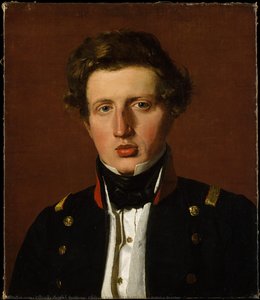
- Zu seinen bedeutenden Werken gehört „Valdemar Hjartvar Købke (1813–1893), der Bruder des Künstlers“ im Metropolitan Museum of Art.
- Er ist bekannt für einen nationalistischen Kunstansatz, der die dänische Kultur und Landschaft betont. Beispiele: „Schloss Frederiksborg am Abend“.
- Sein Stil zeichnet sich durch die präzise Behandlung von Licht und Atmosphäre, ausgewogene Kompositionen und detaillierte Darstellungen natürlicher Elemente aus.
Einflüsse und Entwicklung
- Stark beeinflusst durch Christoffer Wilhelm Eckersbergs Schwerpunkt auf der Naturbeobachtung.
- Niels Lauritz Høyens Förderung der nationalistischen Kunst ermutigte Købke, die dänische Kultur und Landschaft darzustellen.
- Frühe Werke zeigten den Einfluss der klassischen Landschaftsmalerei, insbesondere aus Dresden und Italien.
- Seine Reisen nach Deutschland und Italien (1838–1840) setzten ihn neuen künstlerischen Perspektiven aus, doch seine späteren Atelierarbeiten, die auf diesen Skizzen basierten, fanden keinen großen Anklang.
Größte Errungenschaften und historische Bedeutung
- Er gilt als einer der talentiertesten Künstler des dänischen Goldenen Zeitalters.
- Sein Fokus auf das Alltagsleben und die Landschaften beeinflusste eine ganze Generation dänischer Künstler, darunter Wilhelm Marstrand.
- Seine Gemälde befinden sich heute in verschiedenen Museen und Sammlungen weltweit, darunter die National Gallery of Denmark, das J. Paul Getty Museum, das Louvre und das Metropolitan Museum of Art.
- Købkes Vermächtnis liegt in seiner Fähigkeit, das Wesen der dänischen Kultur und Identität durch realistische Darstellungen von Landschaften und Alltagsszenen einzufangen.
Späteres Leben und Vermächtnis
- Im Jahr 1846 wurde Købkes Antrag auf Aufnahme in die Akademie abgelehnt.
- Er starb 1848 im Alter von 37 Jahren an Lungenentzündung.
- Obwohl sein Werk nach seinem Tod zunächst übersehen wurde, erlangte Købke gegen Ende des 19. Jahrhunderts Anerkennung und Wertschätzung.
- Heute wird er für seine Schönheit, Einfachheit und seine Fähigkeit gefeiert, das Wesen des täglichen Lebens im Dänemark des 19. Jahrhunderts einzufangen.
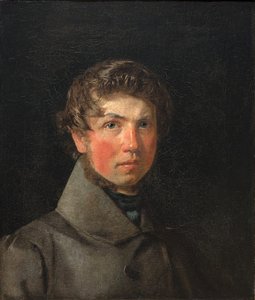
Christen Købke
1810 - 1848 , Dänemark
Kurzinfos
- Bemerkenswerte Kunstwerke:
- Valdemar Hjartvar Købke
- Frederiksborg Slot ved aften
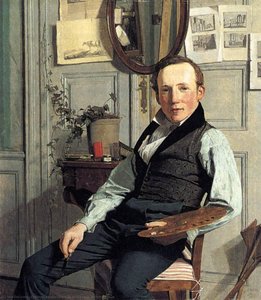
- Porträt von Frederik Sødring
- Geburtsdatum: 26. Mai 1810
- Geburtsort: Kopenhagen, Dänemark
- Künstler, Die Diesen Künstler Beeinflussten: ['Christoffer Wilhelm Eckersberg']
- Künstlerische Bewegung Oder Stil: Goldenes Zeitalter der dänischen Malerei
- Nationalität: Dänisch
- Sterbedatum: 7. Februar 1848
- Vollständiger Name: Christen Schiellerup Købke
- Von Diesem Künstler Beeinflusste Künstler Oder Bewegungen: ['Wilhelm Marstrand']
Ähnliche Artikel
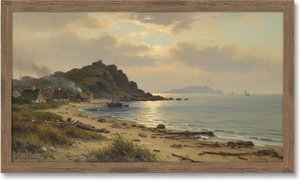
Peder Mørk Mønsted: Capturing the Danish Golden Age Landscape – A Study in Atmospheric Realism
Explore the captivating landscapes of Peder Mørk Mønsted, a master of Danish Golden Age realism. Discover his atmospheric techniques, influences, and enduring legacy in our expert analysis.
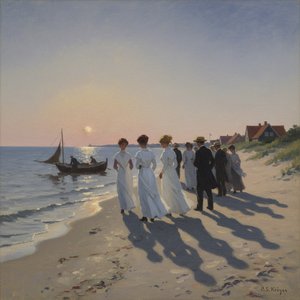
Peder Severin Krøyer: Capturing the Ephemeral Light of Danish Modern Life
Explore the luminous world of Peder Severin Krøyer, a master of Danish Impressionism. Discover his iconic Skagen paintings, artistic evolution, and lasting legacy. Learn about collecting Krøyer's works & find museum-quality reproductions.
Søren Emil Carlsen: A Study in Danish Luminism & Atmospheric Realism
Explore the captivating world of Søren Emil Carlsen, a master of Danish Luminism and American Impressionism. Discover his exquisite still lifes & landscapes – a study in realism, atmosphere, and enduring artistic beauty.
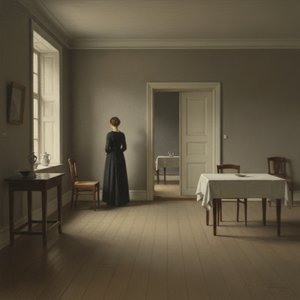
Vilhelm Hammershøi: Exploring Interiority, Light & Absence – A Danish Master for the Elite Collector
Discover the captivating world of Vilhelm Hammershøi with ArtsDot. Explore his serene interiors, masterful use of light & symbolism. Expert insights for discerning collectors and art enthusiasts.
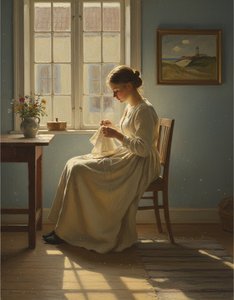
Anna Ancher: Capturing Light & Domesticity in the Skagen Tradition
Discover Anna Ancher (1859-1935), a leading figure of the Skagen Painters. Explore her captivating depictions of domestic life, masterful use of light, and lasting legacy in Danish Impressionism. Learn more at ArtsDot.

