

 Vorschau anzeigen
 Versenden
 Teilen
 Details anzeigen

 Herunterladen
 Ähnliche Objekte
 Röntgenaufnahme
 Diashow
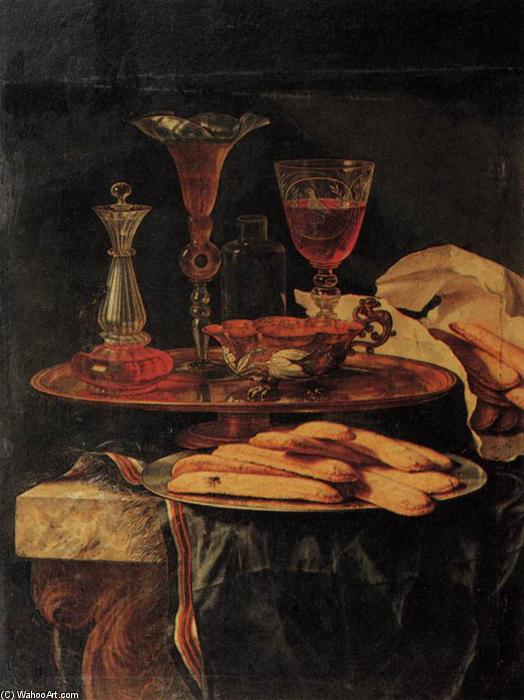
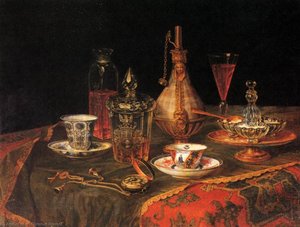
Still-Life with Crystal Glasses and Sponge-Cakes

 Weiterlesen
Handgefertigte Ölreproduktion
Handgemaltes Ölgemälde auf Leinwand in Ihrer Wunschgröße und mit Rahmen, auf Bestellung von unseren Künstlern angefertigt. ( Druck bestellen Bild kaufen)




































Wählen Sie aus unseren vordefinierten Formaten, die den ursprünglichen Proportionen des Kunstwerks entsprechen.

Sie können Ihre eigenen Maße eingeben, um einen bestimmten Rahmen oder Platz auszufüllen. Wenn die gewählte Größe nicht den Proportionen des Originalbildes entspricht, werden wir das Kunstwerk entweder beschneiden oder das Gemälde durch zusätzliche, handgemalte Elemente erweitern. Ein digitales Mockup wird Ihnen zur Genehmigung zugesandt, bevor die Produktion beginnt.
Bitte beachten Sie, dass die Bildschirmvorschau nicht die tatsächliche Beschneidung oder Erweiterung widerspiegelt. Nur das Mockup zeigt die endgültige Komposition exakt an.
Obwohl Sondermaße verfügbar sind, empfehlen wir, eine Größe aus der vordefinierten Liste zu wählen, um die ursprünglichen Proportionen beizubehalten.
Nach der Bestellung wird das ArtsDot.com-Team dem Kunden Anweisungen per E-Mail zusenden und eine Mockup-Vorschau bereitstellen.
Weltweiter Versand () in nur 3 bis 4 Wochen statt der üblichen 5 Wochen. (22 August). Keine Kompromisse bei der Qualität.

Kostenloser weltweiter Expressversand

Hochwertige Leinenleinwand

Umfassender Versicherungsschutz beim Versand

Zollgebühren-Rückerstattungsgarantie

Garantie für exakte Farbtreue

60 Tage Rückgaberecht (nur bei Mängeln)

100% Geld-zurück-Garantie

Mengenrabatt verfügbar
 Die Glasoption ist nur für Größen unter 110 cm verfügbar.

Still-Life with Crystal Glasses and Sponge-Cakes
Art der Reproduktion
Format der Reproduktion
-


Gesamtpreis
$ 263
Ähnliche Kunstwerke




Über den Künstler
Christian Berentz: Bridging Northern European Tradition and Roman Baroque Innovation
Christian Berentz (1658-1722) stands as a pivotal figure in the artistic landscape of the Baroque era, representing a fascinating confluence of influences—primarily rooted in Dutch still life painting—yet decisively shaped by his residency within the vibrant artistic milieu of Rome. Born in Hamburg, Germany, Berentz’s early training under Hermann Kamphusen and Georg Hainz established him firmly within the burgeoning German Baroque tradition. However, it was his journey to Amsterdam and Venice that truly propelled him toward a broader European perspective, immersing him in the stylistic currents circulating amongst leading artists of the time. His artistic output is characterized by meticulous observation and masterful execution, mirroring the precision demanded by masters like Pieter Claesz, Maximilian Pfeiler, Willem Kalf, and Pietro Navarra. Berentz’s distinctive style—often described as “mannerist”—demonstrates a conscious effort to distill the essence of Dutch painting techniques into a Roman framework. This approach is particularly evident in his depictions of flowers and fruits, where he skillfully employs chiaroscuro and subtle color palettes to convey textural richness and atmospheric depth. These works aren’t merely representations of nature; they are imbued with symbolic significance, reflecting humanist ideals prevalent during the period—a testament to the enduring influence of Renaissance humanism on Baroque art. A significant connection between Berentz and Carlo Maratta—the celebrated Roman painter—further illuminates his artistic trajectory. Records indicate that he served as a pupil within Maratta's studio, absorbing influences from one of Rome’s foremost artistic voices. This collaboration solidified Berentz’s position at the forefront of Baroque art production and cemented his contribution to the dissemination of Northern European stylistic ideas in Italy. Notably, Berentz’s involvement with Maratta’s workshop underscores the importance o patronage and artistic exchange within the Roman Baroque system—a dynamic where artists honed their skills and disseminated innovative techniques across Europe. His paintings frequently featured botanical specimens rendered with astonishing accuracy, reflecting a deep engagement with scientific observation alongside aesthetic considerations. Berentz's meticulous attention to detail—characteristic of Dutch painters like Willem Kalf—allowed him to capture the subtle nuances of light and color, creating images that resonated with both visual beauty and intellectual curiosity. He was recognized as one of Maratta’s most talented pupils, ensuring that his artistic legacy would endure for generations to come. Christian Berentz's contribution to Baroque art is undeniable. By adapting Northern European stylistic conventions—particularly the meticulous rendering of botanical detail—to the grandeur of Roman painting, Berentz enriched the artistic dialogue of his time and ensured that the expressive power of Dutch still life would resonate throughout Europe’s cultural capital. His work exemplifies the synthesis of tradition and innovation that defined the Baroque era, securing him a place among the most influential painters of his generation.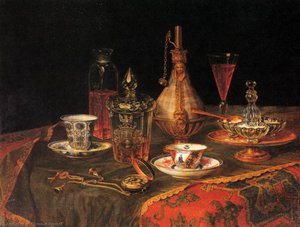
Christian Berentz
1658 - 1722 , Deutschland
Kurzinfos
- Artistic Movement Or Style: Barock
- Artists Or Movements Influenced By This Artist:
- Pieter Claesz
- Carlo Maratta
- Artists Who Influenced This Artist:
- Hermann Kamphusen
- Georg Hinz
- Date Of Birth: 1658
- Full Name: Christian Berentz
- Nationality: Deutsch
- Notable Artworks: ['Blumen und Früchte']
- Place Of Death: Rom

