 Vorschau anzeigen
 Versenden
 Teilen
 Details anzeigen

 Herunterladen
 Ähnliche Objekte
 Röntgenaufnahme
 Diashow
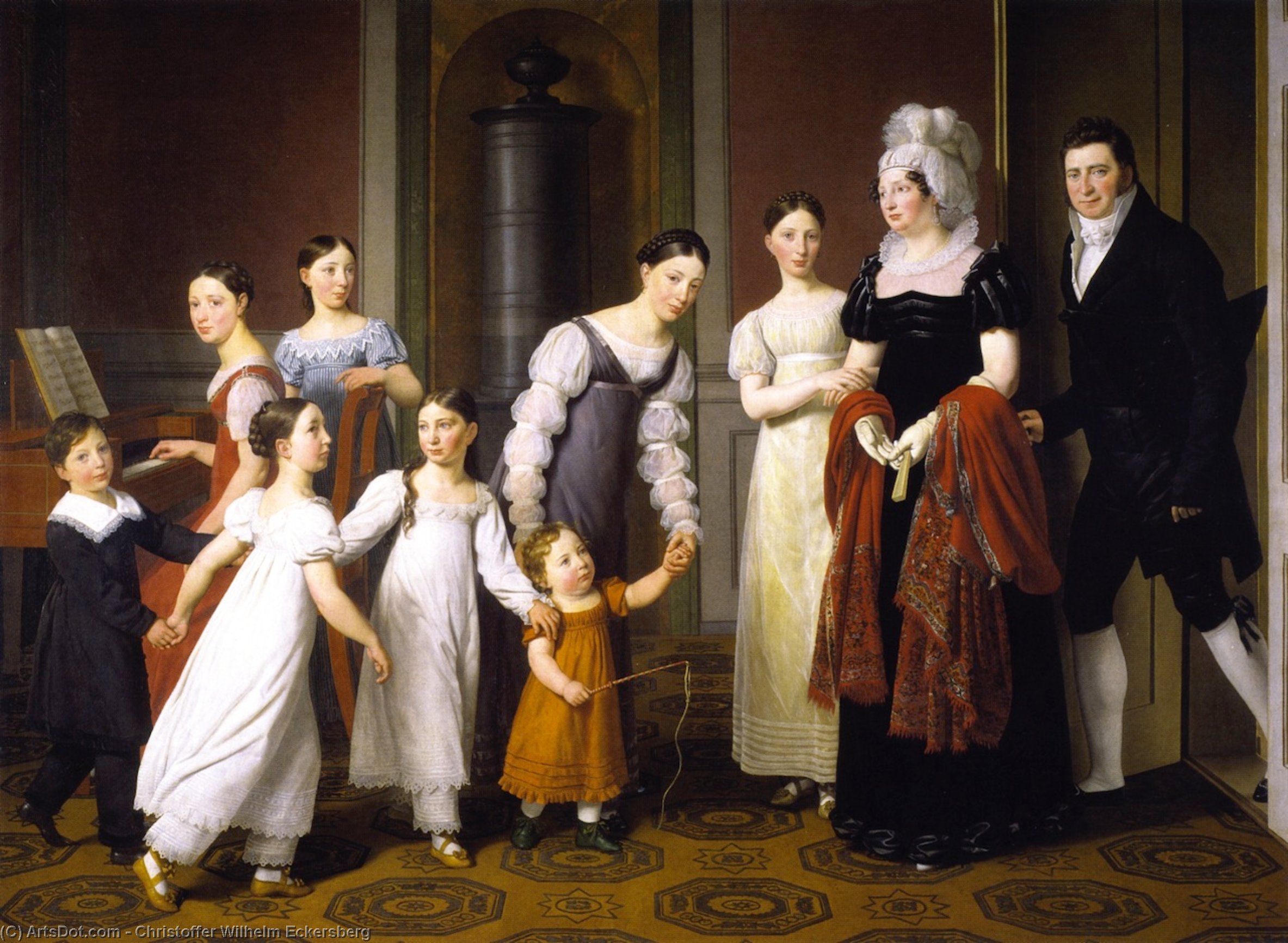
The Nathanson Family


 Weiterlesen
Giclée / Kunstdruck
Giclée- oder Leinwanddruck in Museumsqualität mit schneller Produktion und flexiblen Veredelungsoptionen. ( Handgemalte Reproduktion bestellen Bild kaufen)




P118B $10

P118H $10

P118W $10

P438Z $10

P508JH $12

P508YH $12

P805H $10

P805Z $10

P919BZ $10

P919G $10

P919XJ $10

P959ZH $10

P968JZ $12

W106C $8

W218G $10

W218JH $8

W218Y $10

W307PJ $10

W316G $10

W316PJ $8

W316Y $10

W398PJ $8

W4111J $10

W500HY $15

W500JH $15

W692G $12

W849H $8

W940BG $15

W953PJ $8




Wählen Sie aus unseren vordefinierten Formaten, die den ursprünglichen Proportionen des Kunstwerks entsprechen.

Sie können Ihre eigenen Maße eingeben, um ein bestimmtes Format oder einen speziellen Platz einzupassen. Wenn das von Ihnen gewählte Format nicht den Proportionen des Originalbildes entspricht, werden wir das Kunstwerk entweder beschneiden oder das Bild mit einem gespiegelten oder einfarbigen Rand erweitern. Ein digitaler Entwurf wird Ihnen zur Genehmigung zugesandt, bevor die Produktion beginnt.
Bitte beachten Sie, dass die Vorschau auf dem Bildschirm nicht den tatsächlichen Zuschnitt oder die Erweiterung widerspiegelt. Nur der Entwurf zeigt die endgültige Komposition präzise an.
Obwohl Sondermaße verfügbar sind, empfehlen wir die Auswahl eines Maßes aus der vordefinierten Liste, um die ursprünglichen Proportionen zu bewahren.
Weltweiter Versand () innerhalb von 2 Wochen statt der üblichen 4/5 Wochen. (22 August)

Kostenloser weltweiter Expressversand

Hochwertige Leinenleinwand

Umfassender Versicherungsschutz beim Versand

Zollgebühren-Rückerstattungsgarantie

Garantie für exakte Farbtreue

60 Tage Rückgaberecht (nur bei Mängeln)

100% Geld-zurück-Garantie

Mengenrabatt verfügbar
 Die Glasoption ist nur für Größen unter 110 cm verfügbar.

The Nathanson Family
Giclée / Kunstdruck
Format der Reproduktion
-


Gesamtpreis
$ 62
Sammlerstück-Beschreibung
A Window into the Early 19th Century: Christoffer Wilhelm Eckersberg’s “The Nathanson Family”
Christoffer Wilhelm Eckersberg's "The Nathanson Family," painted in 1818, is more than just a portrait; it’s a meticulously crafted snapshot of Danish society during a period of significant social and cultural transformation. This oil on canvas masterpiece offers a rare glimpse into the refined world of the upper class, capturing not only their outward appearance but also hinting at the complexities of family life and societal expectations within early 19th-century Denmark. Eckersberg, widely considered the “Father of Danish Painting,” masterfully employs his signature style – characterized by its luminous light, subtle color palettes, and a remarkable ability to convey both realism and emotional depth – to create an image that is both visually stunning and historically resonant.
The painting depicts the Nathanson family gathered in their home, a scene rendered with an almost theatrical elegance. The patriarch, Mendel Levin Nathanson, stands proudly at the center, flanked by his wife and children. Each figure is meticulously detailed, from the intricate folds of their clothing to the subtle expressions on their faces. Notice the careful arrangement – the piano on the left side, a symbol of cultured refinement, and the book near the top right corner, suggesting intellectual pursuits and a commitment to education. These seemingly minor details contribute significantly to the painting’s overall narrative, revealing much about the family's status and values.
The Art of Eckersberg: Light, Atmosphere, and Psychological Insight
Eckersberg’s technical skill is immediately apparent in the masterful use of light. He employs a soft, diffused illumination that bathes the scene in a warm glow, creating an atmosphere of intimacy and comfort. This technique isn't merely decorative; it serves to draw the viewer into the painting, inviting them to observe the family with a sense of quiet contemplation. Furthermore, Eckersberg’s ability to capture subtle nuances of expression is remarkable. The slight smiles, averted glances, and thoughtful poses suggest a complex interplay of emotions and relationships within the family unit.
The artist's background in etching informs his approach to color and composition. He utilizes a restrained palette – primarily warm browns, golds, and muted reds – which evokes a sense of tradition and stability. The careful layering of paint creates a remarkable sense of depth and texture, while the subtle gradations of tone contribute to the painting’s overall atmospheric effect. Eckersberg's training in Rome profoundly influenced his style, introducing him to classical ideals of beauty and harmony.
Historical Context: A Society in Transition
“The Nathanson Family” is a product of its time – a period marked by significant social and political changes in Denmark. Following the Napoleonic Wars, the country was grappling with questions of national identity and social reform. The rise of the middle class and the gradual emancipation of the Jews were reshaping Danish society, and portraits like this one offer valuable insights into the values and aspirations of the elite.
The Nathansons themselves represent a prominent family within this context. Mendel Levin Nathanson was a successful businessman, an editor for the leading newspaper *Berlingske Tidende*, and a key figure in advocating for Jewish rights. His portrait serves as a testament to his achievements and social standing. The inclusion of his children underscores the importance of lineage and legacy – a central theme in Danish society at the time.
A Legacy of Beauty: Reproductions and Artistic Appreciation
Eckersberg’s “The Nathanson Family” remains a beloved masterpiece of Danish art, admired for its technical brilliance, emotional depth, and historical significance. Reproductions offer an accessible way to experience the beauty and artistry of this iconic painting, bringing it into homes and galleries around the world. When selecting a reproduction, consider the quality of materials used – a high-quality print on canvas or archival paper will ensure that the colors and details are faithfully reproduced for generations to come.
To explore more works by Christoffer Wilhelm Eckersberg and discover the beauty of handmade oil paintings reproductions, visit https://ArtsDot.com. This website offers a curated selection of fine art prints and original paintings, allowing you to connect with the artistic legacy of Denmark’s “Father of Painting.”
Ähnliche Kunstwerke
Über den Künstler
Christoffer Wilhelm Eckersberg: Der Vater der Dänischen Malerei
- Geboren: Kolding, Dänemark (1783)
- Gestorben: 1853
Frühes Leben und Ausbildung
- Eckersberg wurde in Blåkrog, Schleswig (heute Teil der Gemeinde Aabenraa), als Sohn eines Zimmermanns und Malers geboren.
- Seine frühen Jahre verbrachte er in Blans bei Alssund, wo er eine Wertschätzung für die umliegende Landschaft durch Zeichnen und Segeln entwickelte.
- Die formelle Ausbildung begann unter Jes Jessen in Aabenraa (1797–1800) gefolgt von Josiah Jacob Jessen in Flensburg.
- Im Jahr 1803 kam er nach Kopenhagen und wurde an der Königlich Dänischen Kunstakademie aufgenommen, wo er bei Nikolaj Abraham Abildgaard studierte.
- Frühe Arbeiten umfassten historische Gemälde, Porträts und Landschaften, obwohl Spannungen mit Abildgaard anfänglich seinen Fortschritt behinderten.
Entwicklung und Einflüsse
- Eckersbergs künstlerische Entwicklung wurde maßgeblich durch Reisen und Studien im Ausland geprägt.
- Eine entscheidende Phase umfasste das Studium unter Jacques-Louis David in Paris (1811–1812), wo er die neoklassischen Prinzipien der Beobachtung, Klarheit und Form übernahm.
- Seine Zeit in Rom (1813–1816) erwies sich als prägend und förderte eine tiefe Wertschätzung für das italienische Licht und die Landschaft sowie eine enge Freundschaft mit Bertel Thorvaldsen.
- Thorvaldsen diente sowohl als Mentor als auch als Freund, beeinflusste Eckersbergs künstlerische Vision und gab wertvolle Ratschläge.
- Die Scheidung von seiner ersten Frau, Christine Rebekka Hyssing, während seines Aufenthalts im Ausland war ein schwieriges persönliches Ereignis, das sein Leben beeinträchtigte.
Wichtige Errungenschaften und Künstlerischer Stil
- Nach seiner Rückkehr nach Dänemark wurde Eckersberg 1818 Professor an der Königlich Dänischen Kunstakademie und beeinflusste Generationen dänischer Künstler nachhaltig.
- Er reformierte den Lehrplan der Akademie und betonte das Zeichnen aus dem Leben und das Malen im Freien – ein revolutionärer Ansatz für die damalige Zeit.
- Sein künstlerischer Stil ist durch Realismus, akribische Detailgenauigkeit und einen Fokus auf das Festhalten von Licht und Atmosphäre gekennzeichnet.
- Bemerkenswerte Werke umfassen Porträts der dänischen königlichen Familie, maritime Szenen wie Das russische Linienschiff „Asow“ und eine Fregatte im Elsinore Roads (1828) und Darstellungen des täglichen Lebens in Kopenhagen.
- Er malte im Laufe seiner Karriere über 500 Werke, die seine Vielseitigkeit und sein Engagement für die Beobachtung demonstrieren.
Historische Bedeutung
- Eckersberg gilt weithin als der "Vater der Dänischen Malerei" aufgrund seiner entscheidenden Rolle bei der Etablierung einer unverwechselbaren dänischen künstlerischen Identität während des Goldenen Zeitalters.
- Sein Fokus auf Realismus und direkte Beobachtung beeinflusste eine Generation von Künstlern, darunter Christen Købke, Wilhelm Marstrand und Martinus Rørbye.
- Er verlagerte den Schwerpunkt der dänischen Kunst weg von historischer Grandiosität hin zu Darstellungen des zeitgenössischen Lebens und der Landschaften.
- Eckersbergs Vermächtnis liegt nicht nur in seinen eigenen künstlerischen Leistungen, sondern auch in seinem transformativen Einfluss auf die Entwicklung der dänischen Malerei insgesamt und legte den Grundstein für ihr anschließendes Aufblühen.
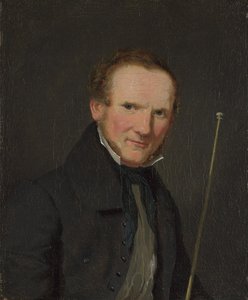
Christoffer Wilhelm Eckersberg
1783 - 1853 , Dänemark
Kurzinfos
- Beeinflusste Künstler:
- Nikolaj Abildgaard
- Jacques-Louis David
- Bemerkenswerte Werke:
- Russisches Linienschiff "Asow"
- Fregatte im Elsinore Roads
- Geburtsdatum: 2. Januar 1783
- Geburtsort: Kolding, Dänemark
- Kunstbewegung: Neoklassizismus
- Nationalität: Dänisch
- Sterbedatum: 22. Juli 1853
- Vollständiger Name: Christoffer Wilhelm Eckersberg
- Von Künstlern Beeinflusst: ['Bertel Thorvaldsen']
Ähnliche Artikel

Öl auf Leinwand: Eine historische und technische Erkundung eines zeitlosen künstlerischen Mediums
Entdecken Sie die faszinierende Welt der Ölmalerei! Von historischen Techniken bis zur modernen Anwendung – wir bieten Expertenwissen, Restaurierungstipps und hochwertige Reproduktionen. Jetzt informieren!

The Enduring Legacy of Oil on Canvas: Technique, History & Aesthetic Impact
Explore the rich history & techniques of oil painting – from Renaissance masters to Impressionism. Discover pigments, layering methods, and why this timeless medium endures. Expert insights for artists & art enthusiasts.

Das bleibende Erbe der Ölmalerei: Technik, Geschichte und zeitgenössische Praxis
Entdecken Sie die faszinierende Geschichte der Ölmalerei – von den frühen Techniken bis zur modernen Kunst. Expertenwissen, detaillierte Analysen und Inspiration für Sammler & Kunstliebhaber.
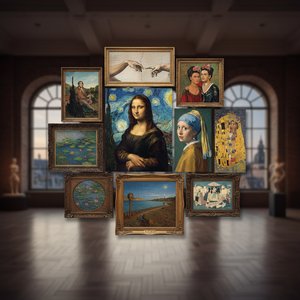
Öl auf Leinwand: Die 10 Meisterwerke, die Kunst für immer veränderten |
Entdecken Sie die 10 legendärsten Öl auf Leinwand Meisterwerke! Von Van Gogh bis Monet – erfahren Sie die Geschichten hinter ikonischen Gemälden und lassen Sie sich von Kunstgeschichte inspirieren. Hochwertige Reproduktionen für Ihr Zuhause finden Sie auf .

The Enduring Power of Painting: A Historical & Contemporary Exploration of Form and Emotion
Explore the rich history & enduring techniques of oil painting with ArtsDot. Discover masterpieces, learn about art collecting, and find authentic handmade reproductions crafted by skilled artists.