 Vorschau anzeigen
 Versenden
 Teilen
 Details anzeigen

 Herunterladen
 Ähnliche Objekte
 Röntgenaufnahme
 Diashow
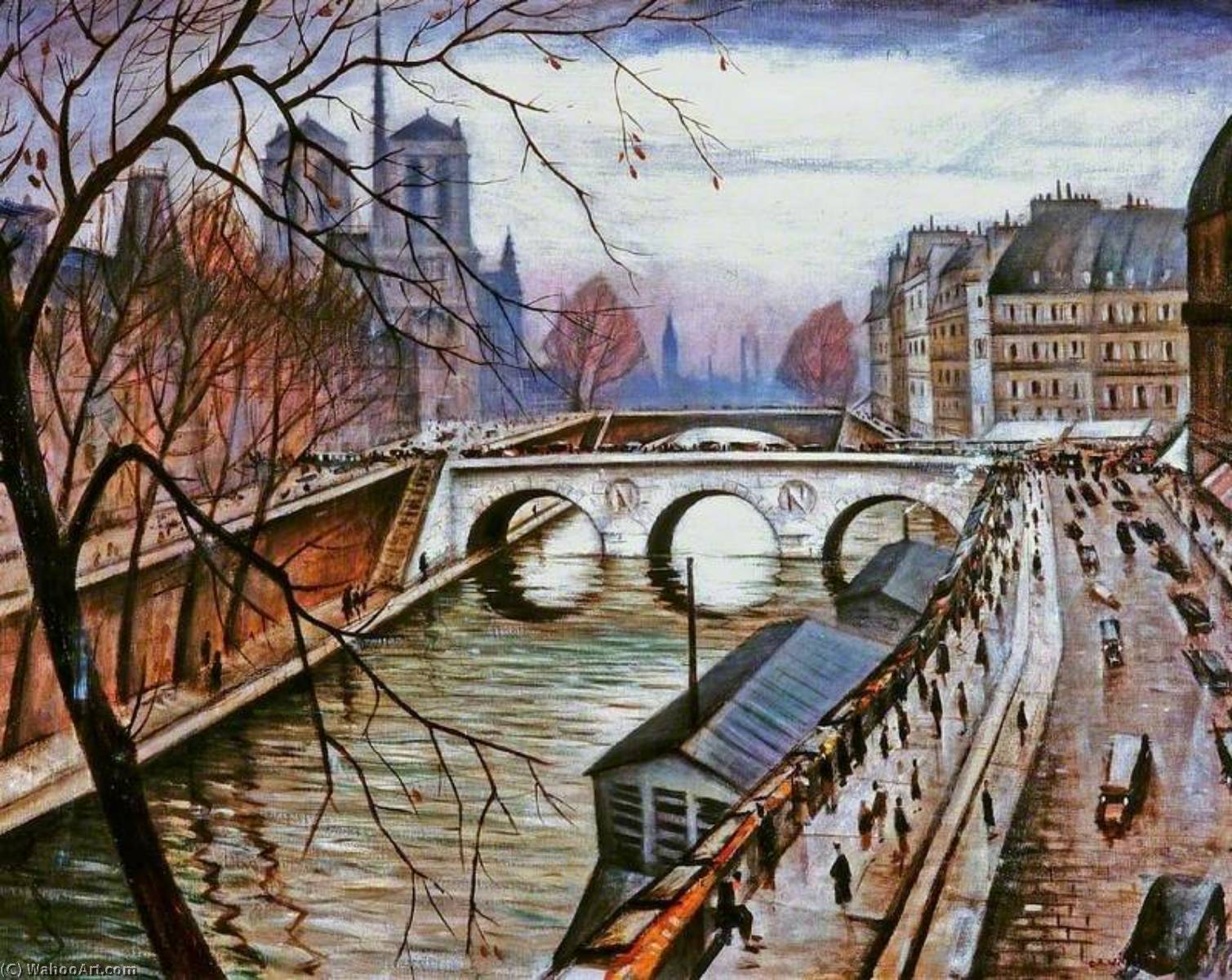
Notre Dame de Paris from Quai des Grands Augustins


 Weiterlesen
Handgefertigte Ölreproduktion
Handgemaltes Ölgemälde auf Leinwand in Ihrer Wunschgröße und mit Rahmen, auf Bestellung von unseren Künstlern angefertigt. ( Druck bestellen Bild kaufen)




P118B $10

P118H $10

P118W $10

P438Z $10

P508JH $12

P508YH $12

P805H $10

P805Z $10

P919BZ $10

P919G $10

P919XJ $10

P959ZH $10

P968JZ $12

W106C $8

W218G $10

W218JH $8

W218Y $10

W307PJ $10

W316G $10

W316PJ $8

W316Y $10

W398PJ $8

W4111J $10

W500HY $15

W500JH $15

W692G $12

W849H $8

W940BG $15

W953PJ $8




Wählen Sie aus unseren vordefinierten Formaten, die den ursprünglichen Proportionen des Kunstwerks entsprechen.

Sie können Ihre eigenen Maße eingeben, um einen bestimmten Rahmen oder Platz auszufüllen. Wenn die gewählte Größe nicht den Proportionen des Originalbildes entspricht, werden wir das Kunstwerk entweder beschneiden oder das Gemälde durch zusätzliche, handgemalte Elemente erweitern. Ein digitales Mockup wird Ihnen zur Genehmigung zugesandt, bevor die Produktion beginnt.
Bitte beachten Sie, dass die Bildschirmvorschau nicht die tatsächliche Beschneidung oder Erweiterung widerspiegelt. Nur das Mockup zeigt die endgültige Komposition exakt an.
Obwohl Sondermaße verfügbar sind, empfehlen wir, eine Größe aus der vordefinierten Liste zu wählen, um die ursprünglichen Proportionen beizubehalten.
Nach der Bestellung wird das ArtsDot.com-Team dem Kunden Anweisungen per E-Mail zusenden und eine Mockup-Vorschau bereitstellen.
Weltweiter Versand () in nur 3 bis 4 Wochen statt der üblichen 5 Wochen. (7 September). Keine Kompromisse bei der Qualität.

Kostenloser weltweiter Expressversand

Hochwertige Leinenleinwand

Umfassender Versicherungsschutz beim Versand

Zollgebühren-Rückerstattungsgarantie

Garantie für exakte Farbtreue

100 Tage Rückgaberecht (nur bei Mängeln)

100% Geld-zurück-Garantie

Mengenrabatt verfügbar
 Die Glasoption ist nur für Größen unter 110 cm verfügbar.

Notre Dame de Paris from Quai des Grands Augustins
Art der Reproduktion
Format der Reproduktion
-


Gesamtpreis
$ 263
A Symphony of Urban Motion: Nevinson’s Paris
In the heart of the 1930s, as the world stood on the precipice of profound transformation, C.R.W. Nevinson captured a moment of timeless Parisian vitality in his evocative work, Notre Dame de Paris from Quai des Grands Augustins. This painting is far more than a mere cityscape; it is a rhythmic dance of light, shadow, and movement. The viewer is transported to the banks of the Seine, where the historic grandeur of the Notre Dame Cathedral looms majestically in the background, acting as an eternal anchor amidst the fleeting pulse of modern life. Through Nevinson’s lens, the cathedral is not just a monument of stone, but a silent witness to the swirling energy of a city that never truly rests.
The composition breathes with the atmosphere of a rainy afternoon, where the slick surfaces of the streets reflect the muted colors of an overcast sky. Nevinson masterfully depicts the bustling street life, weaving together a tapestry of human experience. Pedestrians navigate the rain-drenched Quai des Grands Augustins, some huddled under umbrellas, their forms blending into the rhythmic flow of the crowd. The inclusion of cars and trucks introduces a mechanical cadence to the scene, a hallmark of Nevinson’s fascination with the machine age and the accelerating pace of urban existence. Even the gentle presence of a boat upon the waterway adds a layer of serene contrast to the terrestrial commotion, creating a balanced dialogue between the flowing river and the structured streets.
Technique and the Spirit of Modernity
As a pivotal figure in the development of Vorticism and a master of capturing the essence of modern life, Nevinson employs a technique that balances structural precision with painterly fluidity. The brushwork serves to define the heavy, historic architecture of the cathedral while simultaneously dissolving the edges of the moving vehicles and walking figures into a cohesive blur of motion. This stylistic choice allows the viewer to feel the dampness of the air and the frantic, yet organized, chaos of the Parisian streets. The palette is sophisticated, utilizing tonal shifts that evoke the silvery light characteristic of a rainy day in France, making the piece an exquisite study in atmosphere.
For the discerning collector or interior designer, this artwork offers a profound sense of depth and narrative complexity. It serves as a magnificent focal point for any space, bringing with it the romanticism of old-world Europe intertwined with the dynamic energy of the twentieth century. Whether placed in a contemporary gallery setting or a classic study, Notre Dame de Paris from Quai des Grands Augustins invites contemplation on the passage of time and the enduring beauty of urban landscapes. It is an investment in emotion, capturing a fleeting moment of Parisian splendor that remains as vibrant today as it was in 1930.
Ähnliche Kunstwerke
Über den Künstler
Frühes Leben und Ausbildung
- Geboren: Hampstead, Vereinigtes Königreich (1889)
- Gestorben: 1946
- Eltern: Henry Nevinson (Kriegskorrespondent/Journalist), Margaret Nevinson (Frauenrechtsaktivistin/Schriftstellerin)
- Ausbildung: Shrewsbury School, Uppingham School, Slade School of Art
- Studierte unter Henry Tonks an der Slade School of Art zusammen mit Stanley Spencer und Mark Gertler.
- Kurzzeitig besuchte die Académie Julian in Paris (1912-1913).
Künstlerische Einflüsse und frühe Karriere
- Frühe Einflüsse umfassten Augustus John.
- Pflegte eine Freundschaft zu Marinetti, dem Anführer der italienischen Futuristen, und Wyndham Lewis.
- War kurzzeitig in das Rebel Art Centre involviert und wurde anschließend aus Wyndhams Lewis' Vorticist-Bewegung ausgeschlossen.
- Mitbegründete die London Group im Jahr 1914.
- Veröffentlichte zusammen mit Marinetti ein Manifest für den englischen Futurismus.
- Frühe Werke zeigten Einflüsse des Neo-Primitivismus, mit Freundschaften zu Mark Gertler und Dora Carrington.
Erster Weltkrieg und offizieller Kriegskünstler
- Tretete beim Ausbruch des Ersten Weltkriegs der Friends' Ambulance Unit bei.
- Diente kurzzeitig als Ambulanzfahrer, bevor eine Krankheit ihn nach Großbritannien zurückbrachte.
- Meldet sich freiwillig beim Royal Army Medical Corps.
- Schuf kraftvolle Gemälde, die die Realitäten des Krieges darstellen und futuristische und kubistische Ästhetiken nutzen.
- Bemerkenswertes Werk: La Mitrailleuse (als bedeutende Darstellung des Ersten Weltkriegs angesehen).
- Wurde 1917 zum offiziellen Kriegskünstler ernannt.
- Spätere Kriegsbilder wandelten sich hin zu einem realistischeren Stil.
Reisen nach dem Krieg und künstlerische Entwicklung
- Reiste 1920 in die Vereinigten Staaten und schuf Werke, die von New York City inspiriert waren.
- Erlebte Phasen der Depression und hatte eine schwierige Persönlichkeit, was zu angespannten Beziehungen zu Zeitgenossen führte.
- Verfasste das Memoiren *Paint and Prejudice* (1937), das für Ungenauigkeiten und Widersprüche bekannt ist.
- Seine Nachkriegskarriere war weniger bedeutend als seine früheren Arbeiten.
Vermächtnis und historische Bedeutung
- Wird als bedeutender britischer Kriegskünstler anerkannt, insbesondere für seine frühen Darstellungen des Ersten Weltkriegs.
- Sein Einsatz futuristischer und kubistischer Techniken zur Darstellung der Schrecken des modernen Krieges war innovativ.
- Trag zur Entwicklung der Avantgarde-Kunst in Großbritannien bei.
- Seine Arbeit bleibt relevant für ihre kraftvolle Darstellung von Konflikten und ihre Erforschung der Moderne.
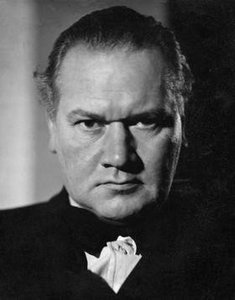
Christopher Richard Wynne Nevinson
1889 - 1946 , Vereinigtes Königreich
Kurzinfos
- Bemerkenswerte Werke:
- Le vieux port
- The Unending Cult...
- Loading Timber at...
- Notre Dame de Paris...
- Summer in the Downs
- The Arrival
- Oxford, on the Cherwell
- Geburtsdatum: 1889-08-13
- Geburtsort: Hampstead, Vereinigtes Königreich
- Künstlerische Bewegung:
- Futurismus
- Kubismus
- Expressionismus
- Künstlerische Einflüsse:
- Augustus John
- Marinetti
- Wyndham Lewis
- Nationalität: Britisch
- Todatum: 1946-10-07
- Vollständiger Name: Christopher Richard Wynne Nevinson
Ähnliche Artikel
Édouard Cortès: Der Pariser Poet und seine Stadt – Eine umfassende Studie zum Schaffen des 'Malers von Paris'
Entdecken Sie das umfassende Schaffen von Édouard Cortès, dem 'Maler von Paris'. Eine tiefgehende Analyse seines Lebens, seiner Kunst und des Pariser Lebensgefühls der Belle Époque. Jetzt lesen!
Antoine Blanchard (Marcel Masson): Parisian Abstraction & the Legacy of Automatism
Explore the captivating world of Antoine Blanchard (Marcel Masson) and his nostalgic Parisian scenes. Discover his artistic influences, unique style, and the challenges of authentication. Expert insights & art appraisal information.
Maurice Utrillo: Eine poetische Vision der Pariser Einsamkeit – Leben, Stil und Vermächtnis
Entdecken Sie das Leben und Werk von Maurice Utrillo! Erfahren Sie mehr über den einzigartigen Stil des Pariser Malers, seine Kampfes mit Krankheit und sein bleibendes Vermächtnis. Expertenanalyse & Sammlerinformationen.
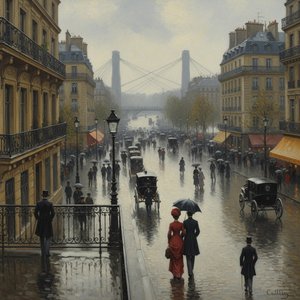
Gustave Caillebotte: Zwischen Realismus und Moderne – Eine Pariser Lebensstudie
Entdecken Sie Gustave Caillebottes faszinierende Werke – zwischen Realismus und Impressionismus! Expertenwissen, hochwertige Reproduktionen & individuelle Kunstberatung bei ArtsDot.
Beyond Graffiti: Exploring the Evolution & Cultural Impact of Street Art for Collectors
Explore the evolution of street art from rebellious origins to a respected fine art form. Discover key artists like Banksy & learn how to collect urban art with confidence. Expert insights for discerning investors.