 Vorschau anzeigen
 Versenden
 Teilen
 Details anzeigen

 Herunterladen
 Ähnliche Objekte
 Röntgenaufnahme
 Diashow
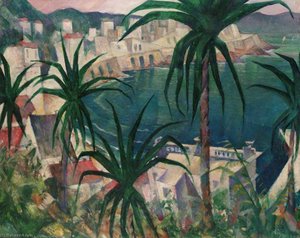
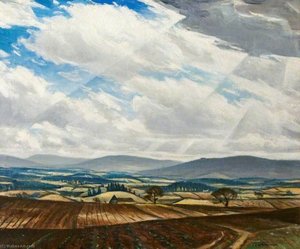
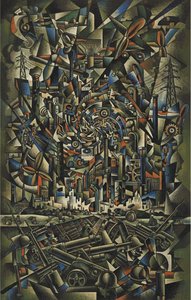
View of the Sussex Weald
 Acrylic On Canvas
- WallArt
- Cubism
 1927
1927 74.0 x 84.0 cm
 Lesenmuseum – Rathaus
 Weiterlesen
Handgefertigte Ölreproduktion
Handgemaltes Ölgemälde auf Leinwand in Ihrer Wunschgröße und mit Rahmen, auf Bestellung von unseren Künstlern angefertigt. ( Druck bestellen Bild kaufen)




P118B $10

P118H $10

P118W $10

P438Z $10

P508JH $12

P508YH $12

P805H $10

P805Z $10

P919BZ $10

P919G $10

P919XJ $10

P959ZH $10

P968JZ $12

W106C $8

W218G $10

W218JH $8

W218Y $10

W307PJ $10

W316G $10

W316PJ $8

W316Y $10

W398PJ $8

W4111J $10

W500HY $15

W500JH $15

W692G $12

W849H $8

W940BG $15

W953PJ $8




Wählen Sie aus unseren vordefinierten Formaten, die den ursprünglichen Proportionen des Kunstwerks entsprechen.

Sie können Ihre eigenen Maße eingeben, um einen bestimmten Rahmen oder Platz auszufüllen. Wenn die gewählte Größe nicht den Proportionen des Originalbildes entspricht, werden wir das Kunstwerk entweder beschneiden oder das Gemälde durch zusätzliche, handgemalte Elemente erweitern. Ein digitales Mockup wird Ihnen zur Genehmigung zugesandt, bevor die Produktion beginnt.
Bitte beachten Sie, dass die Bildschirmvorschau nicht die tatsächliche Beschneidung oder Erweiterung widerspiegelt. Nur das Mockup zeigt die endgültige Komposition exakt an.
Obwohl Sondermaße verfügbar sind, empfehlen wir, eine Größe aus der vordefinierten Liste zu wählen, um die ursprünglichen Proportionen beizubehalten.
Nach der Bestellung wird das ArtsDot.com-Team dem Kunden Anweisungen per E-Mail zusenden und eine Mockup-Vorschau bereitstellen.
Weltweiter Versand () in nur 3 bis 4 Wochen statt der üblichen 5 Wochen. (2 September). Keine Kompromisse bei der Qualität.

Kostenloser weltweiter Expressversand

Hochwertige Leinenleinwand

Umfassender Versicherungsschutz beim Versand

Zollgebühren-Rückerstattungsgarantie

Garantie für exakte Farbtreue

60 Tage Rückgaberecht (nur bei Mängeln)

100% Geld-zurück-Garantie

Mengenrabatt verfügbar
 Die Glasoption ist nur für Größen unter 110 cm verfügbar.

View of the Sussex Weald
Art der Reproduktion
Format der Reproduktion
-


Gesamtpreis
$ 263
A Window Into WWI Trauma: Christopher Richard Wynne Nevinson’s “Over the Lines”
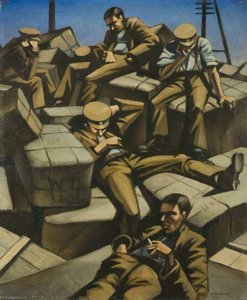
Christopher Richard Wynne Nevinson (1889–1946), a British painter and sculptor, stands as one of the most prominent figures in the burgeoning Futurist movement within Britain. Yet, his artistic legacy transcends stylistic trends; it resides firmly in his unflinching portrayal of the horrors endured during World War I – specifically captured in “Over the Lines,” completed circa 1927. This monumental canvas isn’t merely a depiction of trench warfare; it's an emotionally charged exploration of psychological distress and the profound impact of conflict on the human spirit, cementing Nevinson’s place as a pivotal voice within British art history.- Subject Matter: The painting depicts a desolate landscape dominated by barbed wire fences and crumbling buildings—a quintessential representation of the Western Front trenches during the Great War. However, it's not the physical environment that commands immediate attention; rather, it’s the central figure – a soldier slumped against a wall, his posture conveying utter exhaustion and despair.
- Style & Technique: Nevinson employed Cubist principles to dissect and reconstruct reality, fracturing forms into geometric planes—a stylistic hallmark of Futurism—to convey dynamism and fragmentation. The artist utilized oil paint on canvas with thick impasto strokes, creating a textured surface that amplifies the emotional intensity of the scene. This technique deliberately mimics the roughness and instability experienced by soldiers at the front lines.
- Historical Context: Created in the aftermath of the war’s devastation, “Over the Lines” reflects the pervasive disillusionment felt by many artists who witnessed firsthand the brutality of combat. Nevinson's work aligns with a broader artistic movement that sought to challenge traditional conventions and express anxieties about modernity—a reaction against the optimism prevalent before 1914.
- Symbolism: The soldier’s slumped posture symbolizes not only physical fatigue but also psychological trauma – the crushing weight of experience and the erosion of hope. The barbed wire represents confinement, oppression, and the inescapable barriers imposed by war. Furthermore, the muted color palette—primarily browns, greys, and ochres—underscores the bleakness and desolation of the battlefield environment.
- Emotional Impact: “Over the Lines” transcends mere visual representation; it aims to evoke empathy and provoke contemplation about the human cost of conflict. Nevinson’s masterful use of color, texture, and composition compels viewers to confront uncomfortable truths about suffering and resilience—a testament to his artistic ambition and enduring influence.
Exploring Nevinson's Futurist Vision
Nevinson’s embrace of Futurism wasn’t simply a stylistic choice; it represented a fundamental rejection of academic art traditions and an affirmation of dynamism, speed, and technological progress—values that resonated powerfully with the anxieties of the era. Influenced by artists like Marinetti and Lewis, Nevinson sought to capture the energy and chaos of wartime experience through fragmented forms and bold colors, mirroring the turbulent spirit of the time. This stylistic commitment distinguishes him from many of his contemporaries and contributes significantly to the painting's emotional resonance.A Legacy Enduring Through Reproduction
Today, “Over the Lines” continues to captivate audiences with its visceral depiction of trauma and its masterful execution. ArtsDot.com offers exceptional reproductions that faithfully preserve the artwork’s original texture and color palette—allowing collectors and interior designers alike to experience Nevinson's profound vision in a stunningly realized format. Explore our curated collection and bring this iconic piece into your home or workspace.Ähnliche Kunstwerke

Über den Künstler
Frühes Leben und Ausbildung
- Geboren: Hampstead, Vereinigtes Königreich (1889)
- Gestorben: 1946
- Eltern: Henry Nevinson (Kriegskorrespondent/Journalist), Margaret Nevinson (Frauenrechtsaktivistin/Schriftstellerin)
- Ausbildung: Shrewsbury School, Uppingham School, Slade School of Art
- Studierte unter Henry Tonks an der Slade School of Art zusammen mit Stanley Spencer und Mark Gertler.
- Kurzzeitig besuchte die Académie Julian in Paris (1912-1913).
Künstlerische Einflüsse und frühe Karriere
- Frühe Einflüsse umfassten Augustus John.
- Pflegte eine Freundschaft zu Marinetti, dem Anführer der italienischen Futuristen, und Wyndham Lewis.
- War kurzzeitig in das Rebel Art Centre involviert und wurde anschließend aus Wyndhams Lewis' Vorticist-Bewegung ausgeschlossen.
- Mitbegründete die London Group im Jahr 1914.
- Veröffentlichte zusammen mit Marinetti ein Manifest für den englischen Futurismus.
- Frühe Werke zeigten Einflüsse des Neo-Primitivismus, mit Freundschaften zu Mark Gertler und Dora Carrington.
Erster Weltkrieg und offizieller Kriegskünstler
- Tretete beim Ausbruch des Ersten Weltkriegs der Friends' Ambulance Unit bei.
- Diente kurzzeitig als Ambulanzfahrer, bevor eine Krankheit ihn nach Großbritannien zurückbrachte.
- Meldet sich freiwillig beim Royal Army Medical Corps.
- Schuf kraftvolle Gemälde, die die Realitäten des Krieges darstellen und futuristische und kubistische Ästhetiken nutzen.
- Bemerkenswertes Werk: La Mitrailleuse (als bedeutende Darstellung des Ersten Weltkriegs angesehen).
- Wurde 1917 zum offiziellen Kriegskünstler ernannt.
- Spätere Kriegsbilder wandelten sich hin zu einem realistischeren Stil.
Reisen nach dem Krieg und künstlerische Entwicklung
- Reiste 1920 in die Vereinigten Staaten und schuf Werke, die von New York City inspiriert waren.
- Erlebte Phasen der Depression und hatte eine schwierige Persönlichkeit, was zu angespannten Beziehungen zu Zeitgenossen führte.
- Verfasste das Memoiren *Paint and Prejudice* (1937), das für Ungenauigkeiten und Widersprüche bekannt ist.
- Seine Nachkriegskarriere war weniger bedeutend als seine früheren Arbeiten.
Vermächtnis und historische Bedeutung
- Wird als bedeutender britischer Kriegskünstler anerkannt, insbesondere für seine frühen Darstellungen des Ersten Weltkriegs.
- Sein Einsatz futuristischer und kubistischer Techniken zur Darstellung der Schrecken des modernen Krieges war innovativ.
- Trag zur Entwicklung der Avantgarde-Kunst in Großbritannien bei.
- Seine Arbeit bleibt relevant für ihre kraftvolle Darstellung von Konflikten und ihre Erforschung der Moderne.
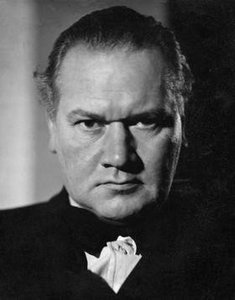
Christopher Richard Wynne Nevinson
1889 - 1946 , Vereinigtes Königreich
Kurzinfos
- Bemerkenswerte Werke:
- Le vieux port
- The Unending Cult...
- Loading Timber at...
- Notre Dame de Paris...
- Summer in the Downs
- The Arrival
- Oxford, on the Cherwell
- Geburtsdatum: 1889-08-13
- Geburtsort: Hampstead, Vereinigtes Königreich
- Künstlerische Bewegung:
- Futurismus
- Kubismus
- Expressionismus
- Künstlerische Einflüsse:
- Augustus John
- Marinetti
- Wyndham Lewis
- Nationalität: Britisch
- Todatum: 1946-10-07
- Vollständiger Name: Christopher Richard Wynne Nevinson
Ähnliche Artikel

Romantische Landschaften: Die 10 Meisterwerke, die eine Epoche prägten | ArtsDot
Entdecken Sie die 10 Meisterwerke der Romantischen Landschaftsmalerei! Von Caspar David Friedrich bis Turner – erleben Sie die Kunst, Emotion & Natur. Hochwertige Reproduktionen auf ArtsDot.com

John Constable: Die 25 Meisterwerke des englischen Landschaftsgenies – ArtsDot
Entdecken Sie die 25 Meisterwerke von John Constable! Erleben Sie englische Landschaftsmalerei vom Hay Wain bis zur Stour Valley. Hochwertige Reproduktionen & Kunst für Ihr Zuhause auf ArtsDot.com.

Evocations of Place: A Historical Journey Through Landscape Art
Explore the rich history of landscape art with ArtsDot. Discover renowned artists, movements like Impressionism & Romanticism, and expert guidance for collecting timeless pieces. Find your perfect serene escape today!
C.R.W. Nevinson: A Vorticist Vision of War & Modernity
Explore the powerful art of C.R.W. Nevinson, a key British Vorticist painter. Discover his impactful depictions of WWI and evolution beyond Futurism. Expert analysis & high-quality reproductions at ArtsDot.

Redefining Nature: A Collector's Guide to the Geometric Beauty of Cubist Landscapes
Explore the revolutionary world of Cubist landscapes. Discover how masters like Picasso and Braque redefined nature through geometric beauty, and learn expert tips for curating these transformative masterpieces in your modern home collection.